Save 15% on your 1st Autoship learn more

 Email us
 Live Chat
 FAQs
FAQs





Introduction
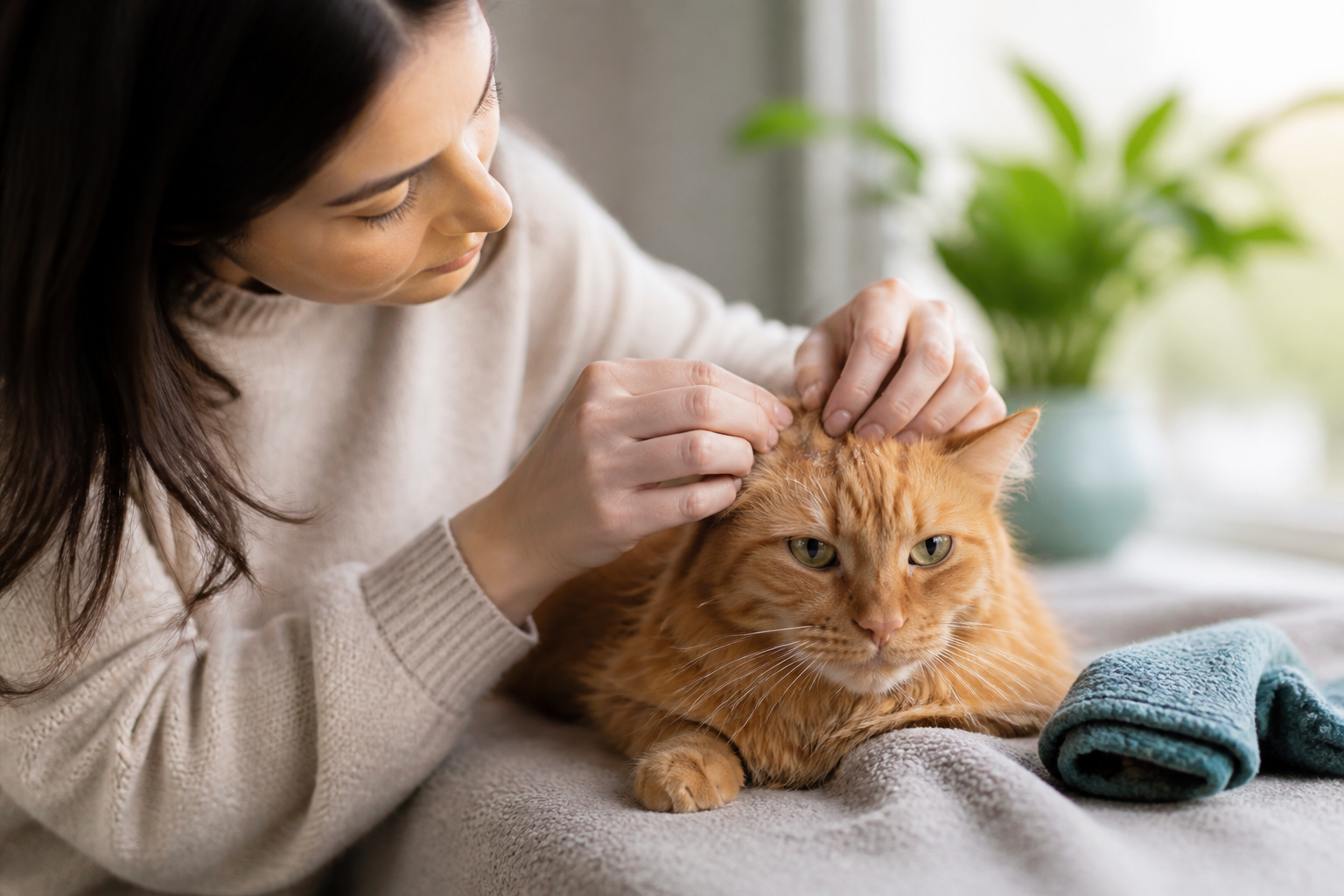
You are petting your cat and notice small white flakes clinging to their fur. It looks like salt or snow scattered across their back. At first, you might think it is just a bit of dust. But when the flakes persist and your cat starts scratching more than usual, you realize it is dandruff. This common issue often goes hand in hand with excessive shedding. At BaxterBoo, we see many owners looking for ways to restore their cat's sleek and shiny coat. This post covers the differences between normal dander and problematic dandruff. We will also explore the environmental, nutritional, and medical reasons why these flakes appear. Understanding the root cause is the first step toward helping your feline friend feel comfortable and look their best again.
Quick Answer: Cat dandruff is a visible buildup of dead skin cells often caused by dry air, poor nutrition, or underlying health issues. While a few flakes are common, persistent dandruff paired with heavy shedding usually requires a change in grooming habits or a veterinary consultation to rule out parasites and infections.
Understanding the Difference Between Dander and Dandruff
It is helpful to distinguish between cat dander and cat dandruff. Every cat produces dander. Dander consists of microscopic skin cells that shed naturally as part of the normal skin renewal process. You cannot see dander with the naked eye. It is the substance that often triggers allergies in humans because it carries a specific protein from the cat's saliva.
Dandruff is different. These are larger, visible flakes of dead skin. They often look like white or gray specks. You will typically see them along the spine or at the base of the tail. While dander is a sign of a healthy body regenerating its skin, dandruff indicates that something has disrupted the balance of the skin barrier.
| Feature | Cat Dander | Cat Dandruff |
|---|---|---|
| Visibility | Microscopic (cannot see it) | Visible (white or gray flakes) |
| Cause | Normal skin cell turnover | Dry skin, health issues, or poor grooming |
| Allergic Potential | High for humans | High for humans |
| Texture | Fine and powdery | Flaky, sometimes greasy |
Key Takeaway: If you can see white specks on your cat's fur, you are looking at dandruff, not dander. This means the skin is shedding cells faster than normal or the cat is unable to groom them away.
Why Your Cat Has Dandruff and Heavy Shedding
Dandruff and shedding are closely linked. When a cat's skin is unhealthy, the hair follicles do not get the support they need. This leads to brittle fur that falls out more easily. Several factors contribute to this cycle of flaking and shedding.
Environmental Dryness
In many parts of the US, winter brings very dry air. Indoor heating systems strip moisture from the environment. This dries out your cat's skin just like it does yours. Without enough moisture, the skin becomes brittle and flakes off. This is one of the most common reasons for seasonal dandruff.
Lack of Proper Grooming
Cats are famous for their cleanliness. They spend a significant portion of their day grooming. If a cat stops grooming effectively, dead skin and loose hair build up. This is very common in older cats with arthritis. If it hurts to reach their back or tail, they will simply stop cleaning those areas. Obesity is another major factor. If a cat is too heavy to reach their hindquarters, dandruff and mats will quickly form in those hard to reach spots.
Our cat grooming supplies can help you maintain a consistent brushing routine.
Nutritional Gaps
A cat's skin and coat require a lot of energy and specific nutrients. In fact, a cat uses up to 30 percent of their daily protein intake just to maintain their skin and fur. If their diet lacks high quality protein or essential fatty acids, the coat is the first thing to suffer. Omega-3 and Omega-6 fatty acids are crucial for maintaining the skin's moisture barrier. Without them, the skin becomes dry, itchy, and prone to flaking.
The Role of Health and Medical Conditions
Sometimes dandruff is a symptom of something happening inside the body. It is not always a surface level problem. When skin flakes are accompanied by other symptoms, it is time to look deeper.
Parasites and Walking Dandruff
External parasites can cause significant skin irritation. Fleas and ticks are the usual suspects. However, there is a specific mite called Cheyletiella that causes a condition known as walking dandruff. These mites are large enough to be seen with the naked eye. As they move under the skin scales, it looks like the dandruff is moving. This is highly contagious between pets and requires specific treatment.
Systemic Illness
Several internal diseases can affect the quality of a cat's coat. These include:
- Hyperthyroidism: An overactive thyroid can lead to a greasy or unkempt coat and hair loss.
- Diabetes Mellitus: This can cause dry skin and a lack of grooming due to lethargy.
- Kidney Disease: Dehydration from kidney issues often leads to very dry, flaky skin.
- Allergies: Both food allergies and environmental allergies can cause skin inflammation and flaking.
Vet Tip: If your cat's dandruff is paired with increased thirst, weight loss, or persistent itching, schedule a visit with your veterinarian. They can perform blood work and skin scrapings to find the underlying cause. Our pharmacy carries FDA approved medications and prescription diets through our partnership with Pet's Choice to help manage these chronic conditions once your vet provides a prescription.
How to Manage Cat Dandruff at Home
Once a veterinarian has ruled out serious illness, you can take practical steps to improve your cat's skin health. Consistency is the key to seeing results.
Step-by-Step Grooming Routine
Grooming does more than just remove flakes. It stimulates blood flow to the skin and distributes natural oils throughout the coat.
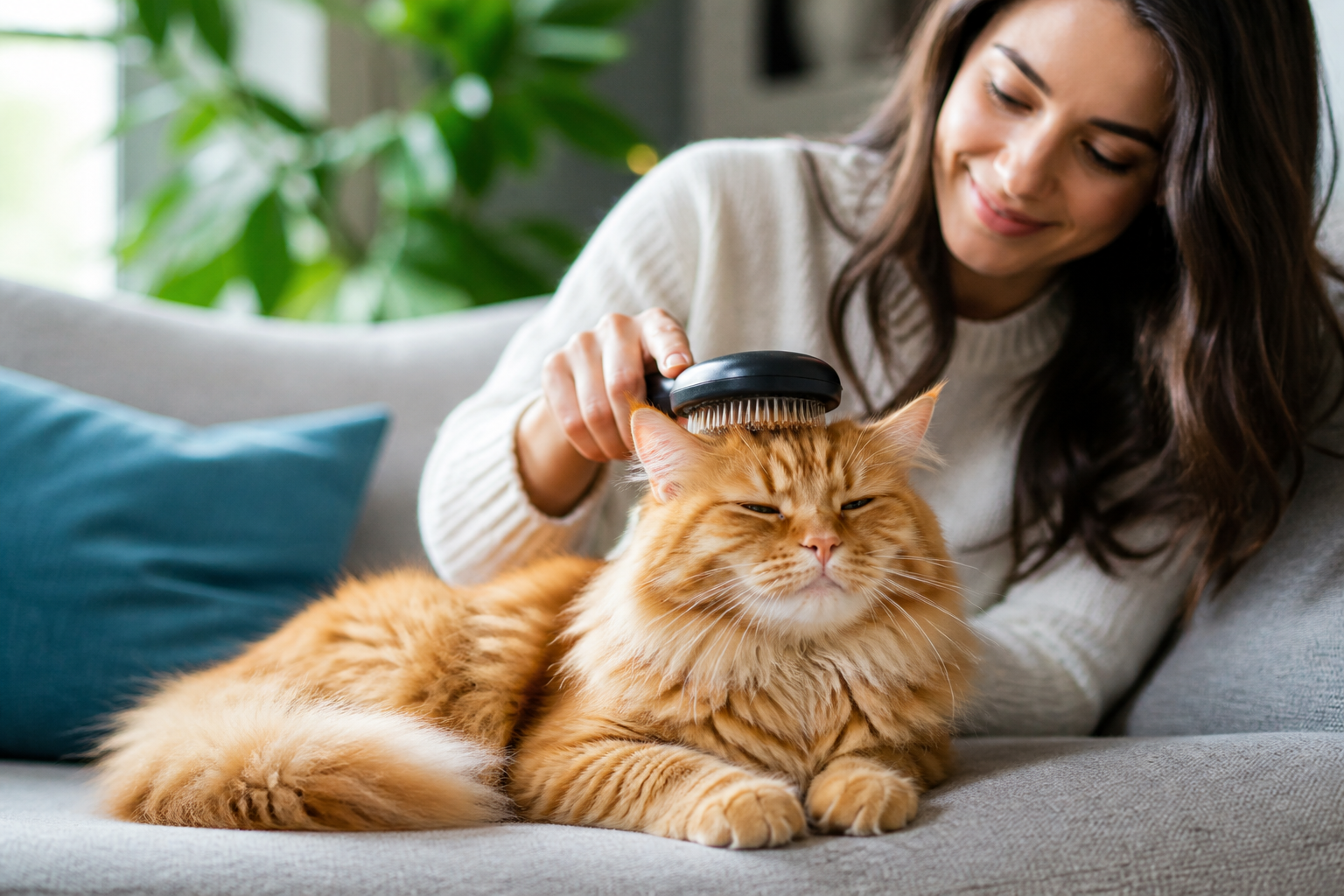
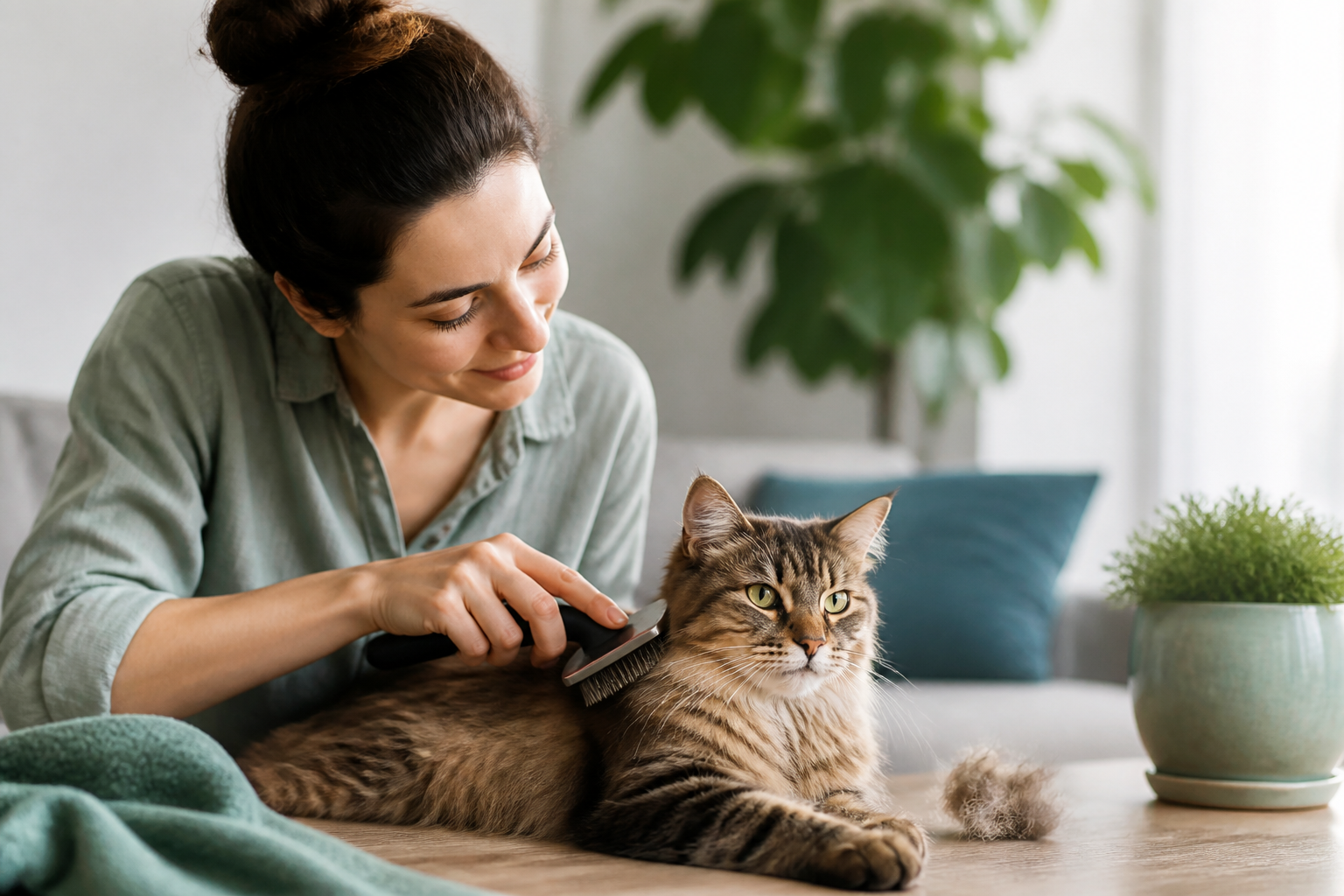
Step 1: Choose the right tool. / Use a soft bristle brush for short haired cats or a slicker brush for long haired breeds.
Step 2: Brush in the direction of hair growth. / Start at the head and work your way back to the tail.
Step 3: Focus on problem areas. / Pay extra attention to the base of the tail and the lower back where flakes tend to congregate.
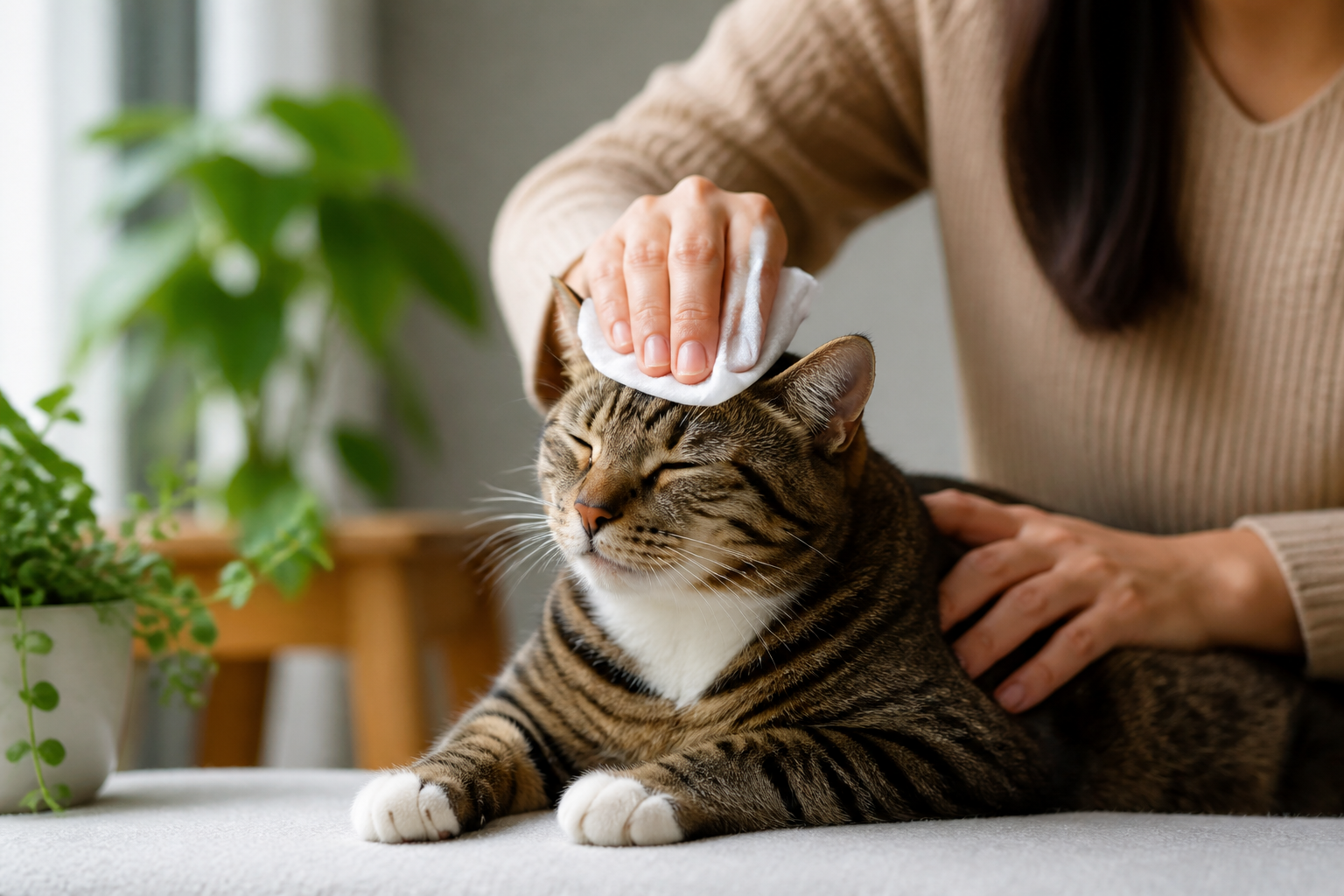
Step 4: Use a damp cloth. / For cats that cannot groom themselves well, wiping them with a warm, damp microfiber cloth can mimic the feeling of a mother cat's tongue and remove loose flakes.
For additional grooming ideas, read how gentle grooming can support senior cats with arthritis.
Improving Hydration and Nutrition
Hydration is vital for skin elasticity. Many cats live in a state of mild dehydration because they have a low thirst drive. Switching some of their meals to high moisture wet food can help. Brands like Tiki Cat or Fussie Cat offer excellent high protein, high moisture options.
Our wet cat food collection includes moisture-rich options for cats with different preferences and dietary needs.
You should also look for foods or supplements rich in fish oil. We carry several Omega-3 supplements, such as those from Zesty Paws or Honest Paws, which can be easily added to your cat's food. These fatty acids help "glue" the skin cells together, preventing them from flaking off prematurely.
Bottom line: A combination of daily brushing and a diet rich in fatty acids is often enough to clear up mild, non-medical dandruff.
When to Contact the BaxterBoo Pharmacy
If your cat's skin issues are caused by parasites or require a prescription diet, our pet pharmacy is here to help. Through our partnership with Pet's Choice, we provide a reliable way to get the medications your vet recommends. This includes flea and tick preventives like Frontline or NexGard, as well as specialized veterinary diets from brands like Farmina Vet Life.
Managing a chronic condition like hyperthyroidism or feline diabetes often involves ongoing medication. Having these items delivered through our pharmacy makes it easier to stay consistent with your cat's care. You can even set up these items on our Autoship programme to ensure you never run out, which also grants you a free MVP Gold membership for extra savings.
Practical Tips for the Household Environment
The air inside your home plays a large role in your cat's skin health. If you live in a dry climate or use a furnace during the winter, consider these environmental changes.
- Use a humidifier: Placing a humidifier in the room where your cat spends the most time can prevent their skin from drying out.
- Avoid over-bathing: Most cats do not need regular baths. Frequent bathing can strip away the natural oils that protect their skin.
- Reduce stress: Stress can lead to over-grooming or a complete stop in grooming. Maintain a consistent routine to keep your cat calm.
- Check the water bowl: Ensure your cat always has access to fresh, clean water. Some cats prefer water fountains, which encourage them to drink more.
The quality of the products you use also matters. When choosing grooming sprays or waterless shampoos, look for gentle, cat-safe ingredients. Avoid anything with heavy perfumes or essential oils that could irritate sensitive feline skin. We handpick every grooming product we stock to ensure they meet high standards for safety and effectiveness.
Supporting Senior Cats with Mobility Issues
Senior cats are the most likely to suffer from dandruff and shedding problems. As they age, their skin naturally becomes thinner and less elastic. Joint pain makes it difficult for them to reach their back and hindquarters.
If you notice your senior cat is looking a bit "tattered," they likely need your help. Daily brushing becomes a necessity rather than an option. You might also consider supplements like Cosequin to support their joint health. When a cat feels more mobile, they are more likely to return to their normal grooming habits.
Our Cosequin joint health supplements for cats can be considered alongside guidance from your veterinarian.
Our MVP Rewards program is a great way to save on these long-term support items. You earn points on every purchase, including supplements and grooming gear, which can be redeemed for discounts on future orders. Taking care of an aging cat can be expensive, and we want to help you provide the best care possible without breaking your budget.
Summary of Best Practices
Managing cat dandruff is about looking at the whole pet. It is rarely just about the skin surface. By addressing their environment, their diet, and their physical ability to groom, you can significantly reduce flaking and shedding.
- Brush your cat daily to remove dead hair and distribute oils.
- Increase moisture in the diet with wet food and fresh water.
- Add Omega fatty acid supplements to support the skin barrier.
- Watch for signs of illness like lethargy or changes in appetite.
- Use a humidifier during dry winter months.
Helping your cat maintain a healthy coat is a rewarding part of pet ownership. It is a time for bonding and a chance to check your cat for any new lumps, bumps, or skin changes. When you stay on top of these small details, you help your cat live a longer, more comfortable life.
Bottom line: Healthy skin starts from within, but regular hands-on grooming is the best way to keep dandruff and shedding under control.
FAQ
Is cat dandruff contagious to humans or other pets?
Simple dandruff caused by dry skin or poor grooming is not contagious. However, if the dandruff is caused by parasites like the Cheyletiella mite (walking dandruff) or a fungal infection like ringworm, it can spread to other pets and even humans. If you see moving flakes or circular patches of hair loss, separate the affected pet and talk to your vet immediately.
Can I use human dandruff shampoo on my cat?
No, you should never use human dandruff shampoo on a cat. These products are formulated for the pH levels of human skin and often contain ingredients like zinc or coal tar that are toxic to cats if ingested during grooming. Always use a shampoo specifically labeled for feline use, and consult your vet before starting any topical treatment.
Does diet really affect how much my cat sheds and flakes?
Yes, nutrition is one of the most significant factors in coat health. Cats require high levels of animal-based protein and specific fats like Omega-3 and Omega-6 to maintain their skin. A low-quality diet or one that is not well-balanced can lead to a dull, brittle coat and flaky skin that sheds excessively.
For more guidance on moisture-rich nutrition, explore this guide to sensitive stomach cat food and hydration.
Why does my cat only have dandruff at the base of their tail?
The base of the tail is the hardest area for many cats to reach, especially if they are overweight or have arthritis. Because they cannot groom this area effectively, dead skin cells and loose fur accumulate there more quickly than on the rest of the body. Targeted brushing in this area can help manage the buildup while you address the underlying weight or mobility issues.
You can also read more about cat arthritis and changes in grooming.