
 Save 15% on your 1st Autoship learn more

 Email us
 Live Chat
 FAQs





Introduction
Petting your cat is one of the best parts of being a pet parent. You reach down to scratch that favorite spot right above their tail and suddenly notice a flurry of white flakes. It can be a bit of a shock to see your usually pristine feline looking like they have a case of the winter blues on their fur. At BaxterBoo, we talk to cat owners every day who are dealing with this exact issue. While it might look like a simple grooming problem, flaky skin near the tail often tells a deeper story about your cat's health, mobility, or diet. This guide covers why dandruff settles at the base of the tail and how you can help your cat regain a glossy, flake-free coat. Understanding the difference between normal shedding and a medical concern is the first step toward a happier, more comfortable cat.
Quick Answer: Cat dandruff at the base of the tail is often caused by limited mobility due to weight or arthritis, making it hard for the cat to groom that specific area. It can also stem from dry air, poor nutrition, or parasites like fleas and mites.
Understanding the Difference Between Dandruff and Dander
Many people use the terms dandruff and dander as if they mean the same thing. They are actually quite different. Dander is a completely normal part of having a pet. It consists of microscopic skin cells that all cats shed as their skin regenerates. You cannot see dander with the naked eye. It is the protein found in this dander that usually triggers allergies in humans.
Dandruff is a different story. These are larger, visible flakes of dead skin that have clumped together. While dander is a sign of a healthy skin cycle, dandruff often indicates an imbalance. If you see white or grayish flakes on your cat's fur, you are looking at dandruff. It is most common along the lower back and at the base of the tail because this area is the hardest for many cats to reach during their daily cleaning routine.
Key Takeaway: All cats have dander, but visible dandruff is a sign that the skin is too dry, too oily, or that the cat is not grooming effectively.
Cat Skin & Coat Care









Why the Base of the Tail is a Trouble Spot
The base of the tail and the lower back are the most common places for skin issues to appear. If you watch a healthy, flexible cat groom themselves, they look like little acrobats. They can twist and turn to reach almost every inch of their body. However, as cats age or gain weight, that flexibility begins to fade.
Mobility Issues and Arthritis
Senior cats often develop osteoarthritis. This makes it painful for them to twist their spine to reach their lower back and tail area. If it hurts to reach back there, they simply stop doing it. When a cat stops grooming a specific area, the natural oils and dead skin cells begin to build up. This leads to the clumping of skin cells that we recognize as dandruff.
Obesity and Grooming Challenges
Weight is another major factor. A cat that is carrying extra pounds may physically not be able to reach past their midsection. If your cat has a rounder belly, they might be doing a great job grooming their chest and front legs but completely missing the back half. This lack of attention leads to a dull coat and heavy flaking at the base of the tail. We carry weight management cat foods from brands like Farmina Vet Life and Royal Canin that can help your cat get back to a healthy size.
Common Causes of Flaky Skin in Cats
While grooming issues are the most frequent cause, several other factors can trigger dandruff. It is important to look at your cat’s environment and daily habits to find the root of the problem.
Dry Air and Low Humidity
Just like humans, cats get dry skin when the humidity drops. This is especially common in the winter months when the heater is running constantly. Forced air heat strips the moisture from the air and from your cat's skin. If your cat spends a lot of time near a heat vent, you might notice more flakes during the colder months.
Nutritional Deficiencies
A cat's skin and coat require a lot of protein and specific fats to stay healthy. If their food is lacking in Omega-3 and Omega-6 fatty acids, their skin will be the first thing to suffer. These essential fats help maintain the moisture barrier of the skin. Without them, the skin becomes brittle and flakes off easily. Brands like Stella and Chewy's or Open Farm focus on high-quality proteins and healthy fats that support coat health.
Dehydration
Cats are notorious for having a low thirst drive. In the wild, they get most of their moisture from their prey. If your cat eats only dry kibble and does not drink much water, they may be chronically dehydrated. This lack of internal moisture leads to external dryness and dandruff. For more ideas about moisture-rich meals, read about cat food choices that can support hydration.
Vet Tip: If your cat has dandruff along with red skin, hair loss, or intense itching, consult your veterinarian. These symptoms could indicate an infection or a parasite problem that requires professional diagnosis and treatment.
When Parasites Mimic Dandruff
Sometimes, what looks like dandruff is actually something much more active. Parasites are a leading cause of skin irritation in cats, even those that stay strictly indoors.
Fleas and Flea Dirt
Fleas often congregate at the base of the tail because it is warm and hard for the cat to reach. Flea bites cause inflammation, which leads to flaking. You might also see flea dirt, which looks like small black specks of pepper. If you are unsure, place those black specks on a wet white paper towel. If they turn red, it is flea dirt. You can review additional prevention strategies in our guide to flea and tick prevention.
Walking Dandruff (Cheyletiella Mites)
There is a specific type of mite called Cheyletiella that is famously known as walking dandruff. These mites are large enough to be seen with the naked eye. They look like moving white flakes. If you look closely at your cat's skin and the "dandruff" seems to be shifting on its own, your cat likely has a mite infestation. This is highly contagious between pets and requires specific treatment.
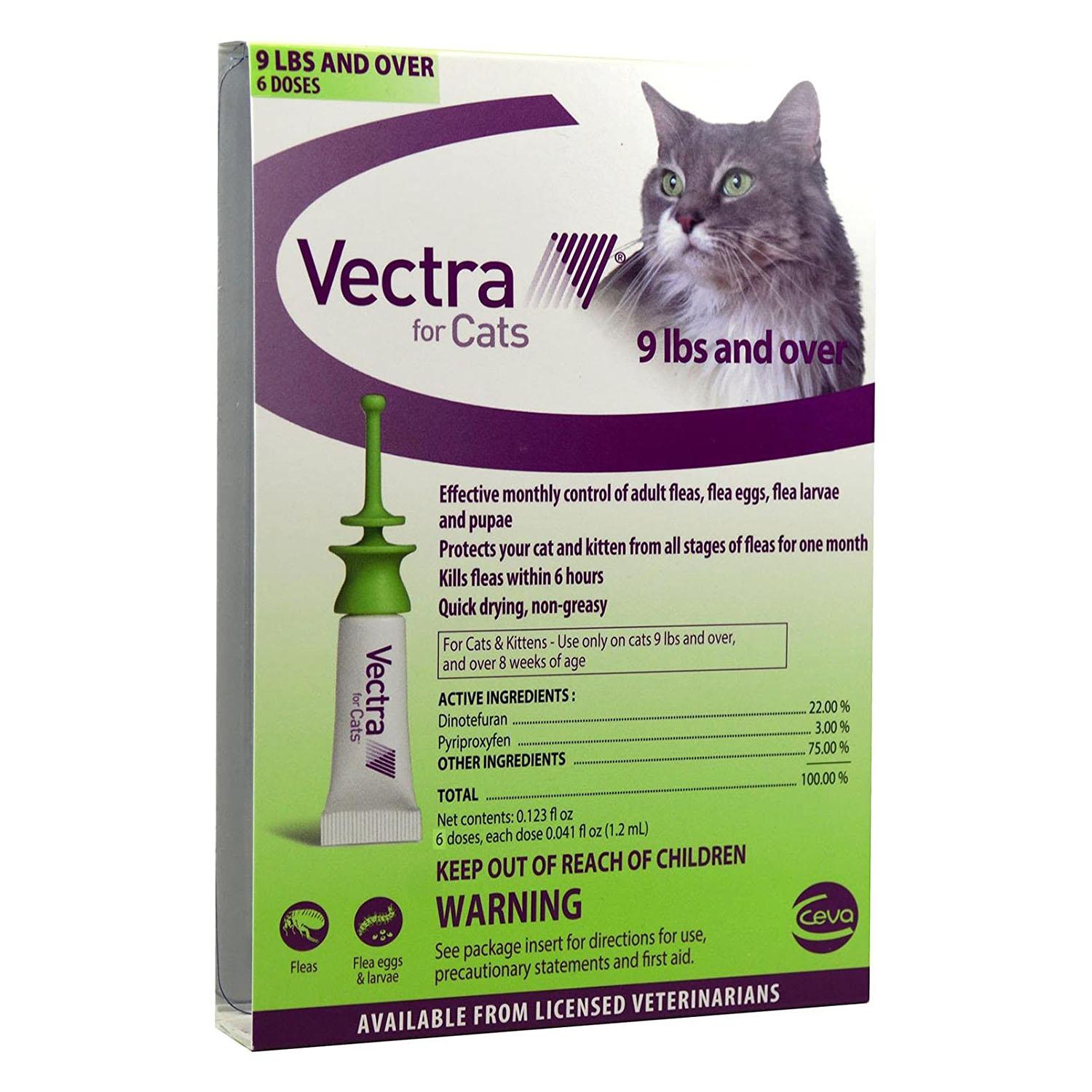
Through our partnership with Pet's Choice, the BaxterBoo pharmacy offers FDA-approved flea and tick preventives. This includes prescription options like NexGard or Frontline to help clear up parasite-related skin issues. Explore our cat flea and tick collection for additional prevention options.
Stud Tail and Seborrhea
If the base of the tail looks particularly greasy or has blackheads along with the dandruff, your cat might have a condition called stud tail. This is officially known as supracaudal gland hyperplasia. It happens when the glands at the base of the tail overproduce oils.
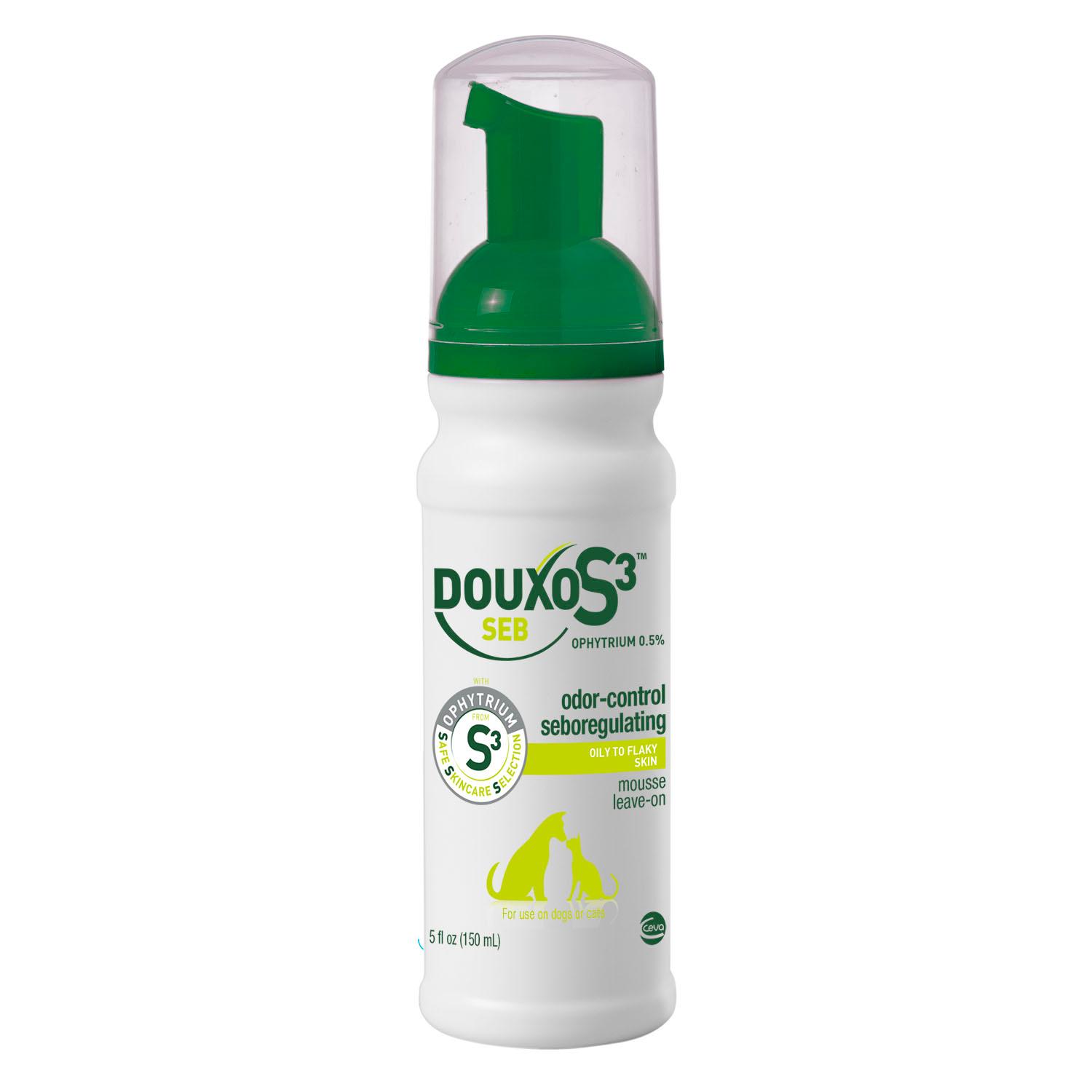
While it is more common in intact male cats, it can happen to any cat. The excess oil traps dead skin cells and creates a thick, waxy buildup. This can become itchy or even painful if the pores become clogged and infected. Treating stud tail usually involves using specialized degreasing shampoos to break down the heavy oils.
Bottom line: Greasy buildup at the tail base is usually stud tail, which requires different grooming techniques than standard dry dandruff.
How to Support Your Cat's Skin Health
Once you have ruled out serious medical issues with your vet, you can take several steps at home to clear up those flakes and keep your cat's coat shiny.
Improving the Diet
The easiest way to fix dandruff from the inside out is by looking at the bowl. Consider these changes:
- Add wet food: Increasing moisture intake is vital for skin hydration.
- Check for Omega fatty acids: Look for fish oils or flaxseed in the ingredient list.
- High-quality protein: Ensure the first few ingredients are real meat sources rather than fillers.
We offer several premium brands like Orijen and Acana that prioritize these nutrient-dense ingredients. You can also add a supplement like Zesty Paws or Honest Paws to their current meals. Our cat food selection includes dry and wet options for different feeding preferences. Our Autoship program is a great way to ensure you never run out of these skin-supporting foods while saving on every order.
Grooming Tools for the Tail Base
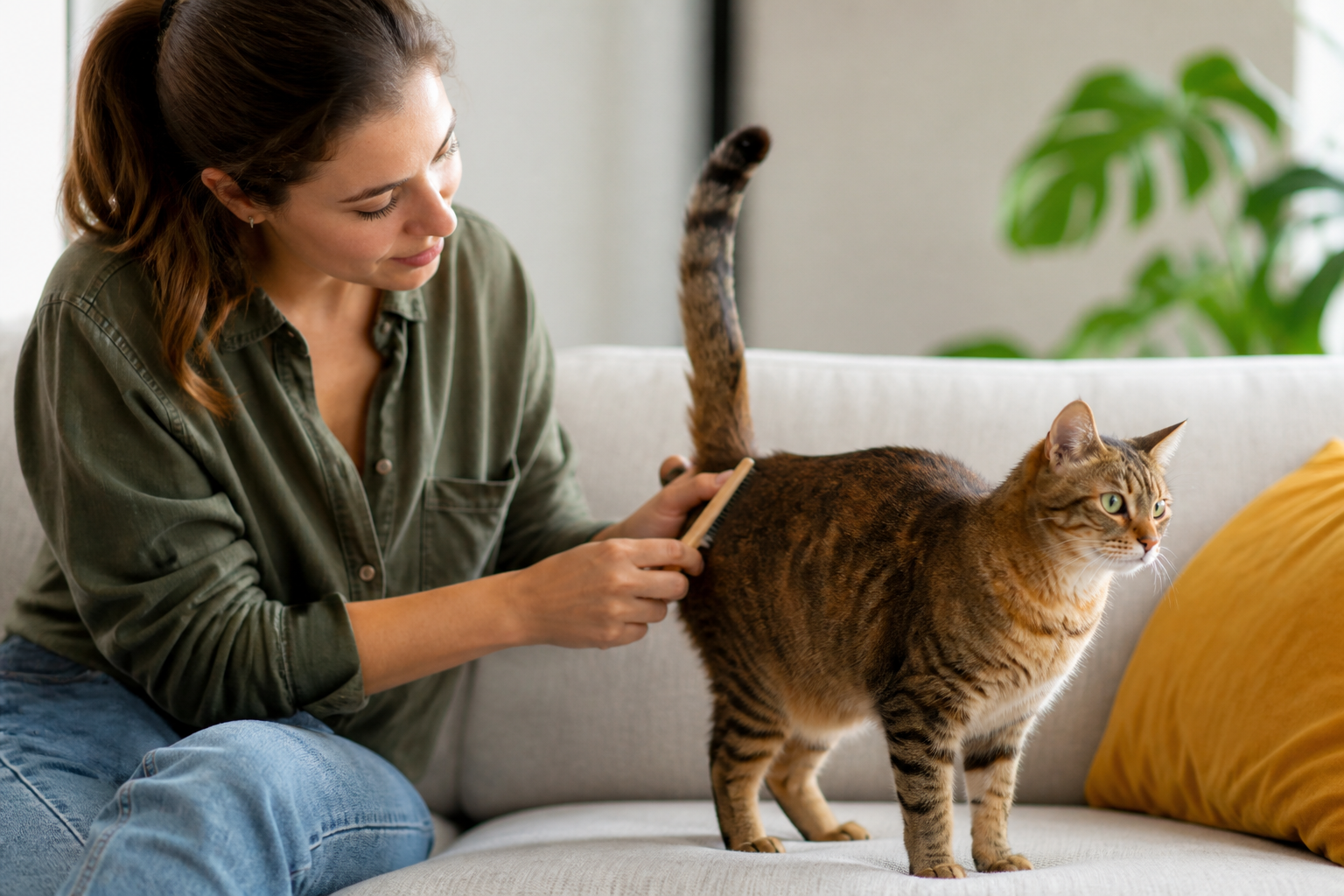
Since your cat might be struggling to reach their tail, you need to step in and help. Regular brushing removes the dead skin cells before they can clump into dandruff. It also stimulates the skin to produce natural oils and distributes those oils along the hair shaft.
Step 1: Choose the right tool. / A soft slicker brush or a fine-toothed comb works best for the base of the tail.
Step 2: Be gentle. / The skin near the tail can be sensitive, especially if it is already irritated. Use short, gentle strokes.
Step 3: Make it a routine. / Brushing for five minutes every day is much more effective than one long session a week.
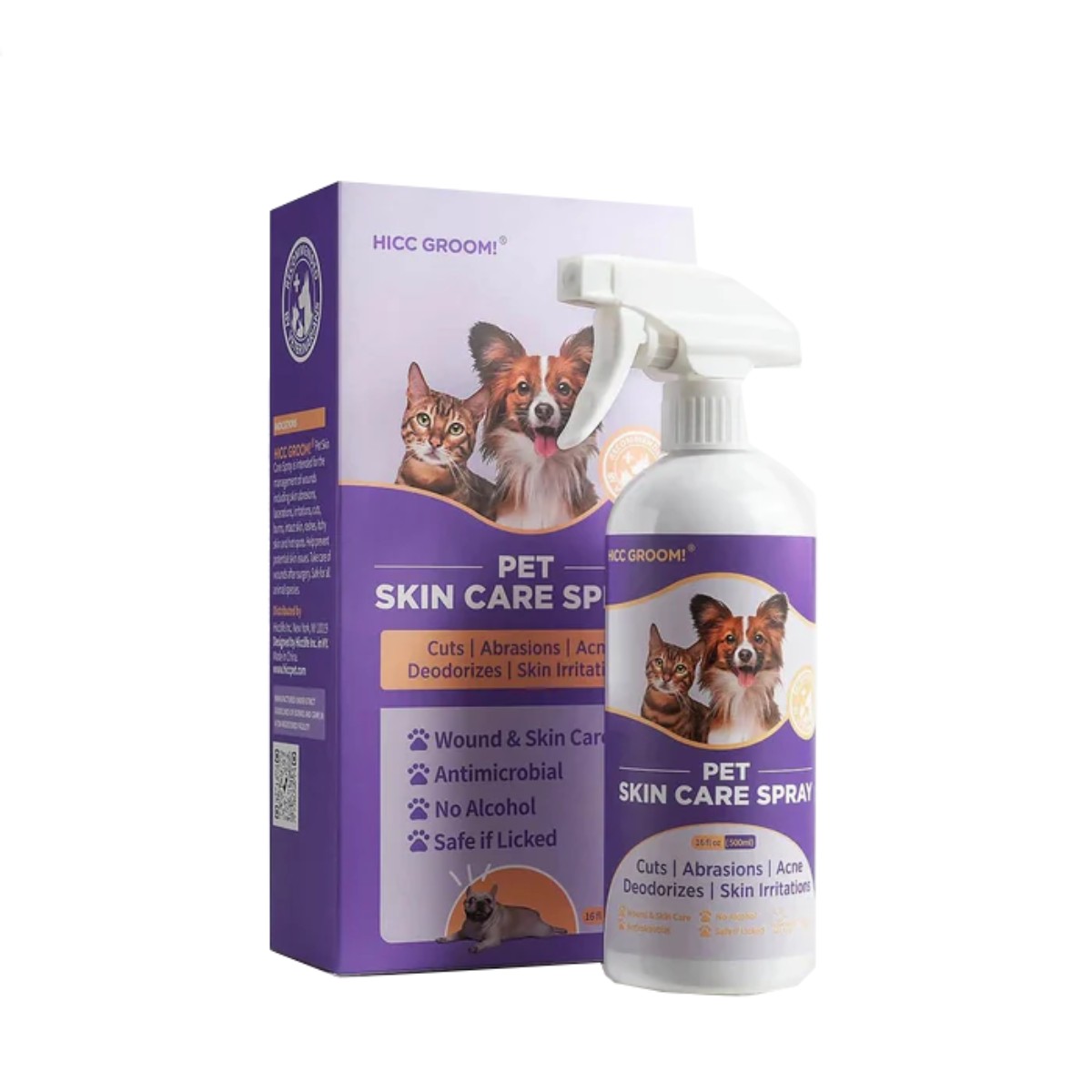
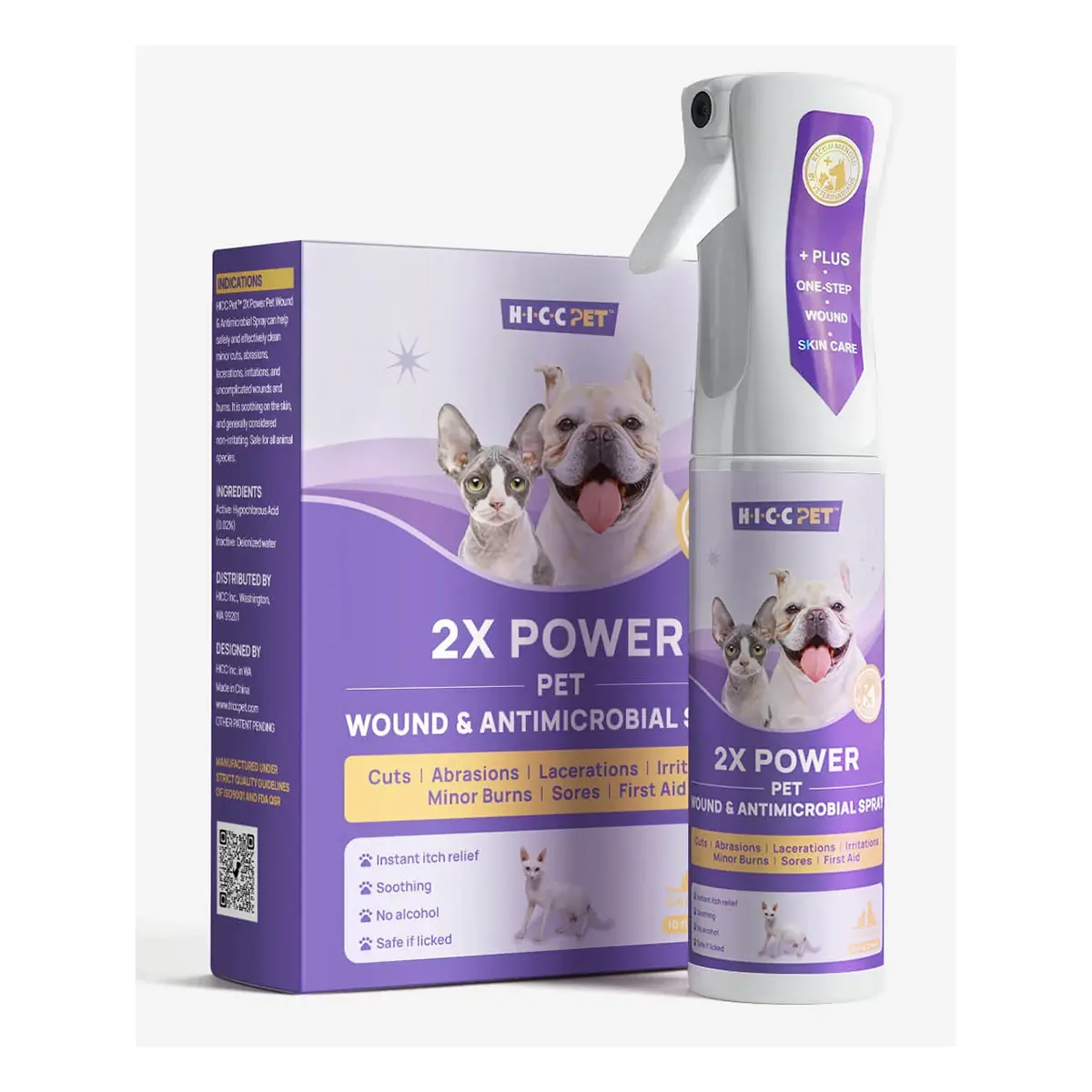
Step 4: Use grooming wipes. / If your cat has a lot of buildup, use a cat-safe grooming wipe to gently clean the skin at the base of the tail.
You can find brushes, combs, wipes, and other supplies in our cat grooming collection.
Environmental Adjustments
If dry air is the culprit, a humidifier can make a world of difference. Place it in the room where your cat spends the most time. You should also ensure your cat has multiple water sources. Many cats prefer running water, so a pet fountain can encourage them to drink more and stay hydrated.
The Role of the BaxterBoo Pharmacy
Sometimes, home grooming and diet changes are not enough. If your cat has a skin infection, a severe allergy, or a parasitic infestation, they will need medical intervention. Our pharmacy partnership with Pet's Choice provides a convenient way to get the medications your veterinarian prescribes.
We carry a wide range of FDA-approved products, including:
- Prescription flea and tick treatments.
- Medicated shampoos for fungal or bacterial skin infections.
- Prescription diets specifically formulated for skin sensitivities.
- Allergy medications to reduce itching and inflammation.
When your vet writes a prescription, you can have it filled through our pet pharmacy. This ensures you are getting genuine, safe medications delivered right to your door.
Transitioning to a Flake-Free Routine
Correcting dandruff does not happen overnight. It takes time for the skin to heal and for a new, healthy coat to grow in. Be patient and consistent with your new routine. If you are starting a new food or supplement, give it at least four to six weeks to show results on the skin.
Key Takeaway: Consistency is the secret to managing cat dandruff. Daily brushing and high-quality nutrition provide the foundation for a healthy coat.
Grooming Tips for Sensitive Cats
Not every cat loves being brushed. If your cat is resistant, start slow.
- Use a grooming glove: These feel more like petting and are less intimidating than a brush.
- Offer high-value treats: Give a treat from The Honest Kitchen or PureVita while you brush to create a positive association.
- Keep sessions short: Stop before your cat gets frustrated or overstimulated.
When to Seek Professional Help
While we strive to provide the best products and advice, we are not a substitute for your local veterinarian. You should make an appointment if you notice:
- The dandruff is accompanied by sores or scabs.
- Your cat is pulling out clumps of hair.
- There is a foul odor coming from the skin or tail base.
- The skin is red, hot to the touch, or swollen.
- Your cat seems lethargic or has a change in appetite.
These can be signs of underlying conditions like diabetes or hyperthyroidism, which often manifest as skin problems first. A quick blood test at the vet can rule these out or get your cat started on the right treatment plan.
Summary of Skin Support Steps
Helping your cat with dandruff at the base of their tail requires a multi-pronged approach. You need to address the physical flakes while also fixing the internal or environmental causes.
- Check mobility: Ensure your cat can physically reach the area.
- Assess the diet: Focus on moisture and healthy fats.
- Manage weight: Help your cat stay at a weight where they can groom themselves.
- Prevent parasites: Use year-round flea and tick protection.
- Add moisture: Use humidifiers and encourage water intake.
- Regular grooming: Step in to help with the areas your cat is missing.
By taking these steps, you can help your cat feel more comfortable and keep their coat looking its best. Our team at BaxterBoo is always here to help you find the right brushes, foods, and supplements for your cat's specific needs.
Bottom line: Dandruff at the tail base is a manageable condition that usually responds well to improved grooming, diet, and hydration.
FAQ
Why does my cat only have dandruff at the base of their tail?
The base of the tail is the hardest area for many cats to reach, especially if they are older or overweight. When a cat cannot groom that spot effectively, dead skin cells and natural oils build up and form visible flakes. It is also a common area for fleas and other parasites to hide, which can cause localized skin irritation and flaking.
Can I use human dandruff shampoo on my cat?
No, you should never use human dandruff shampoo on a cat. These products are formulated for the pH balance of human skin and often contain ingredients that are toxic to cats if swallowed. Cats groom themselves with their tongues, so anything you put on their fur will likely end up in their stomach. Always use a shampoo specifically labeled for feline use.
Does my cat's weight affect their dandruff?
Yes, weight is one of the most common reasons for dandruff at the base of the tail. If a cat is overweight, they lose the flexibility needed to reach their lower back and tail during grooming. This lack of self-cleaning allows skin cells to accumulate. Helping your cat reach a healthy weight often clears up the dandruff naturally as they regain their mobility.
How often should I brush my cat to get rid of dandruff?
If your cat has active dandruff, daily brushing is recommended until the flakes are under control. Regular brushing helps distribute natural oils and removes dead skin before it clumps. Once the skin health has improved, you can transition to brushing two or three times a week for maintenance. Short, frequent sessions are usually better than one long session.





- Site & Contents BaxterBoo.com. BaxterBoo is located in the United States.
- Privacy & Security
- Terms of Use
- Accessibility Statement
