Save 15% on your 1st Autoship learn more

 Email us
 Live Chat
 FAQs
FAQs





Introduction
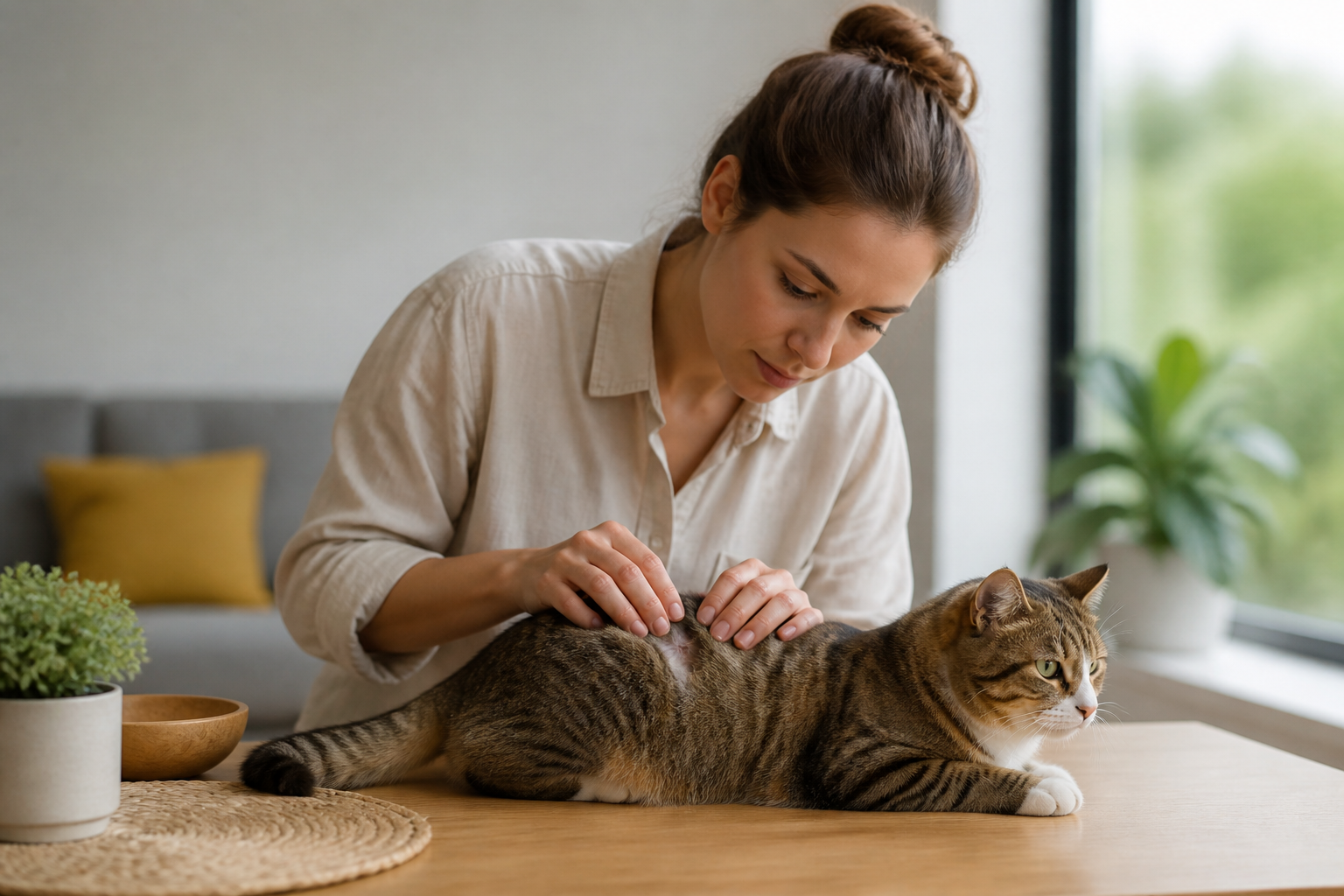
You are sitting on the sofa with your cat when you notice small white flakes scattered across their fur. As you pet them along their spine, the flakes become more obvious near the base of the tail. This is a common discovery for many pet owners, but it often leads to questions about skin health and hygiene. While a few flakes might seem like a minor grooming issue, cat dandruff on lower back areas can sometimes signal underlying health concerns. At BaxterBoo, we see this often and want to help you understand what those flakes are telling you. This post covers the common causes of feline dandruff, why it focuses on the lower back, and how you can restore your cat’s coat to its natural shine. Feline dandruff is usually a manageable symptom of environmental factors, grooming habits, or nutritional needs.
Quick Answer: Cat dandruff on the lower back is often caused by a cat's inability to reach that area for grooming, frequently due to obesity or arthritis. It can also stem from dry air, poor diet, or parasites like mites and fleas.
Understanding Feline Dandruff
It is important to distinguish between normal skin shedding and actual dandruff. All cats shed dead skin cells. This process is called dander, and it is usually invisible to the naked eye. Dander is a natural part of a healthy skin cycle. Dandruff, however, consists of larger, visible white flakes that get trapped in the fur. These flakes occur when the skin produces too much oil or becomes excessively dry, causing skin cells to clump together before they shed.
When you see flakes specifically on the lower back, it is because that area acts as a collection point. Unlike the neck or shoulders, the lower back and tail base are harder for some cats to reach during their daily tongue-wash. If the skin is not being stimulated and the dead cells are not being groomed away, they sit on the surface and become noticeable.
Key Takeaway: Dandruff is visible flaking that occurs when the natural skin cell turnover is disrupted, whereas dander is microscopic and normal for all cats.
Why the Lower Back is a Target for Dandruff
The lower back is the most common spot for dandruff to accumulate. This is largely due to feline anatomy and grooming patterns. A healthy, flexible cat can usually reach almost every part of their body. However, the lower spine and the area just above the tail require a significant amount of twisting. If a cat is not grooming this area effectively, the skin becomes stagnant.
When skin cells are not brushed away by the cat’s rough tongue, they pile up. Natural oils may also build up in this area, making the coat feel greasy or "spiky" alongside the flakes. This is why you might notice that the dandruff is accompanied by a change in the texture of the fur in that specific spot.
Common Causes of Cat Dandruff on Lower Back
Mobility and Grooming Issues
The top reason for dandruff on the lower back is a lack of grooming. If your cat has stopped cleaning their back, there is usually a physical reason why.
- Obesity: If a cat is carrying extra weight, they simply cannot bend far enough to reach their lower back. This leads to a buildup of flakes and grease in the one spot they cannot touch.
- Arthritis: Senior cats often suffer from joint pain or spinal stiffness. Twisting to groom the lower back can be painful, so they skip those areas to avoid discomfort.
- Dental Issues: If a cat has a sore mouth or dental disease, the act of grooming becomes unpleasant. They may reduce their overall grooming time, leading to flakes across the body.
Environmental Factors
The air inside your home plays a major role in skin health. During the winter, heating systems strip moisture from the air. This dry environment can cause a cat’s skin to lose its natural hydration. When the skin becomes parched, it cracks and flakes, leading to visible dandruff. This is often a seasonal issue that improves when the humidity levels rise in the spring.
Parasites and "Walking Dandruff"
Not all flakes are just dead skin. Some parasites can mimic the appearance of dandruff. Cheyletiella mites are a specific type of parasite often called "walking dandruff." These mites are large enough to be seen with the naked eye. As they move under the fur, it looks like the skin flakes are crawling.
Standard fleas can also cause dandruff. A cat with a flea allergy will experience intense itching and inflammation. This irritation disrupts the skin barrier and leads to heavy flaking along the spine. Our cat healthcare category includes products for common feline skin and parasite concerns.
Vet Tip: If you notice the "flakes" on your cat are moving or if your cat is itching excessively, consult your veterinarian. They can perform a skin scraping to check for mites or fleas that may require prescription treatment.
The Role of Nutrition in Skin Health
What goes into your cat’s body directly affects the quality of their coat. The skin is the largest organ in the body and requires a significant amount of protein and fat to stay healthy. If a diet is low in essential fatty acids, the skin barrier will weaken. You can also browse our cat skin and coat care selection for products focused on coat maintenance.
Omega-3 and Omega-6 Fatty Acids
These fats are crucial for maintaining the moisture barrier of the skin. Omega-3 fatty acids, often found in fish oils, help reduce inflammation. If your cat’s skin is red and flaky, a boost in these nutrients can often help. We carry brands like Zesty Paws and Honest Paws that offer targeted supplements for skin and coat health.
High-Quality Proteins
Cat hair is made almost entirely of protein. If a cat is not getting enough high-quality animal protein, the body will prioritize internal organs over the coat. This can lead to a dull, brittle coat and increased dandruff. Look for foods that list a specific meat as the first ingredient. Brands like Farmina, Stella and Chewy's, and Orijen focus on high-protein recipes that support overall skin integrity. Our high-protein cat food selection can help you explore suitable options.
Key Takeaway: A balanced diet rich in animal proteins and omega fatty acids is the foundation of a flake-free coat.
How to Manage Cat Dandruff at Home
Once you have ruled out serious medical issues with your vet, you can take practical steps to clear up the flakes. Most home care revolves around assisting your cat with the grooming tasks they can no longer handle alone. For cats carrying extra weight, this guide to helping an indoor cat lose weight offers additional information to discuss with your veterinarian.
Step-by-Step: Brushing for Dandruff Removal
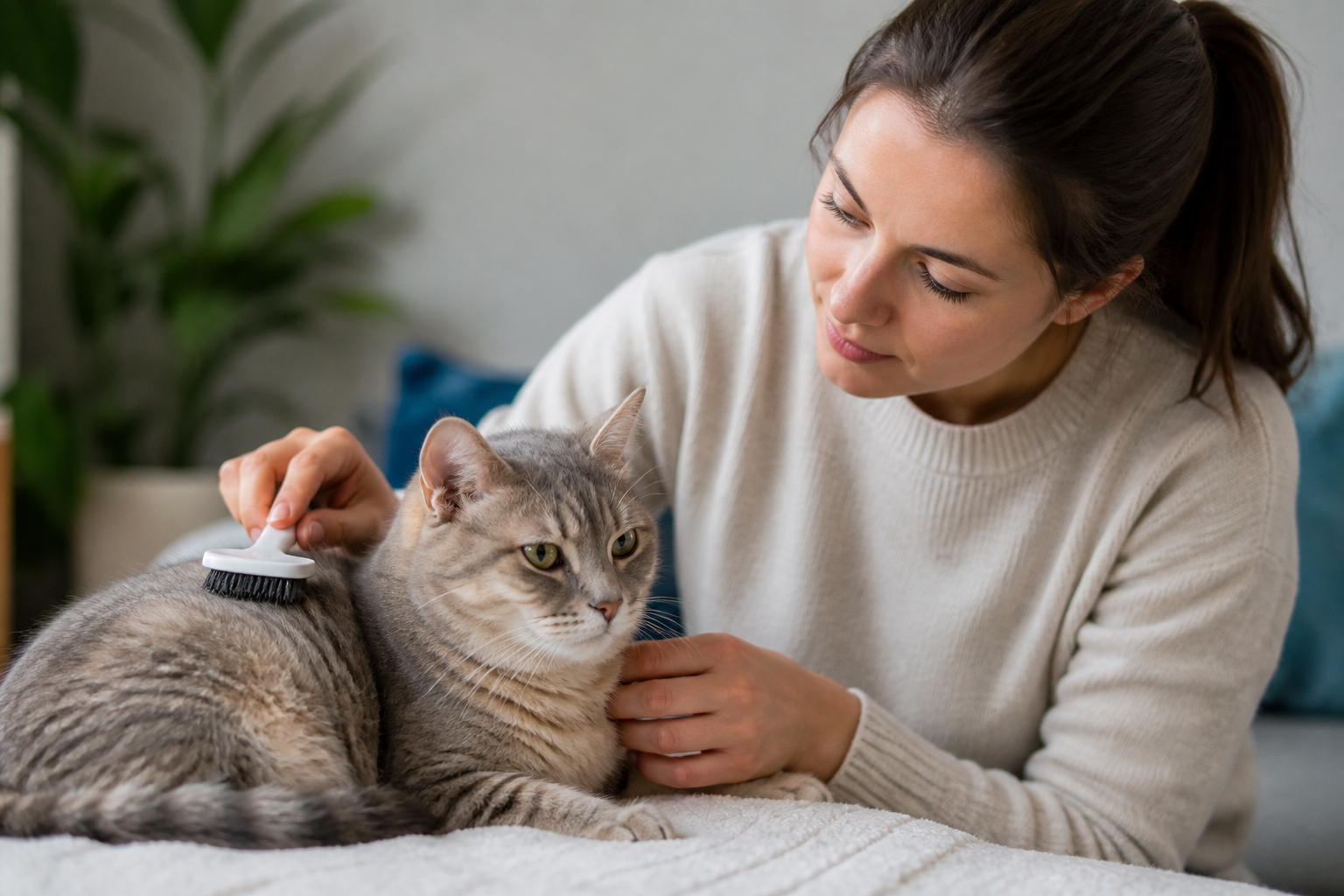
- Step 1: Choose the right tool. Use a soft slicker brush or a rubber grooming mitt for cats with sensitive skin.
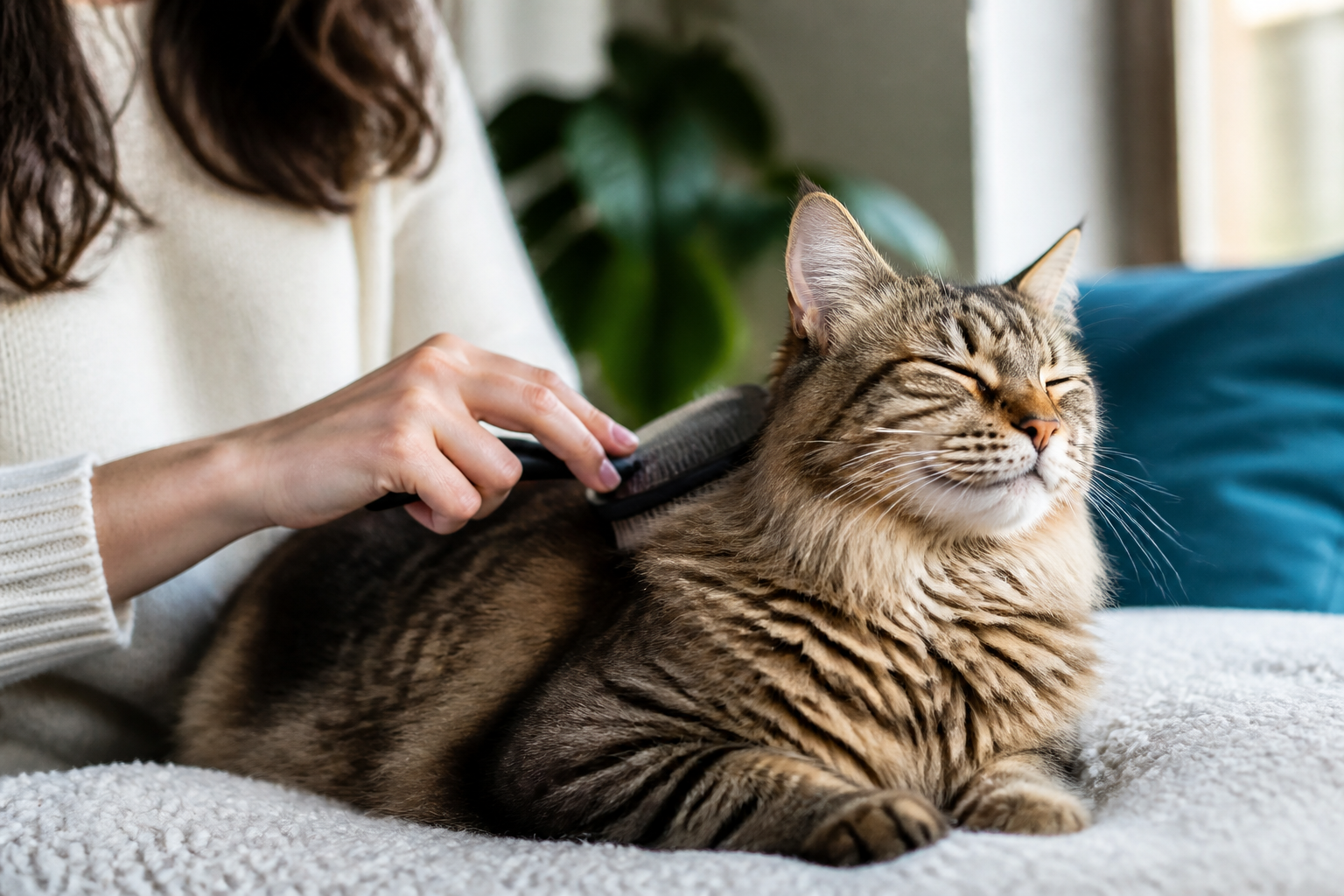
- Step 2: Brush with the grain. Gently brush from the neck toward the tail. Focus extra time on the lower back where the flakes are concentrated.
- Step 3: Stimulate the skin. Brushing does more than move hair; it stimulates blood flow to the skin and distributes natural oils.
- Step 4: Wipe away flakes. After brushing, use a damp cloth or a pet-safe grooming wipe to remove the loosened flakes from the surface of the fur.
For more options, explore our brushes and combs for cats.
Adjusting the Home Environment
If dry air is the culprit, a humidifier can make a world of difference. Placing a humidifier in the room where your cat spends the most time will help keep their skin hydrated. You should also ensure your cat is drinking plenty of water. Fresh water fountains can encourage more frequent drinking, which helps hydrate the skin from the inside out.
Weight Management
If obesity is preventing your cat from grooming, weight loss is the long-term solution. Talk to your vet about a weight management plan. This might include switching to a food like Royal Canin or Farmina Vet Life, which are formulated to help cats reach a healthy weight. Our pharmacy can also assist with prescription diets intended for weight management through our partnership with Pet's Choice.
When to Seek Veterinary Care
While dandruff is often a minor issue, it can sometimes be a symptom of a more serious internal condition. If the dandruff is accompanied by other changes, it is time for a checkup.
- Red or Scabby Skin: This can indicate a fungal infection like ringworm or a bacterial skin infection.
- Hair Loss: Patchy hair loss along with dandruff often suggests parasites or severe allergies.
- Increased Thirst or Urination: Conditions like diabetes or hyperthyroidism can change the quality of a cat's skin and coat.
- Lethargy: If your cat is less active and has a poor coat, there may be an underlying systemic illness.
Vet Tip: Always consult your vet before starting new supplements or medications, especially if your cat is already on a treatment plan for other health conditions.
Selecting the Right Grooming Products
At BaxterBoo, we believe in using products that support the skin's natural balance. When dealing with dandruff, avoid using human shampoos. Human skin has a different pH level than cat skin. Using human products can strip away essential oils and make the dandruff worse.
Look for grooming wipes or waterless shampoos designed specifically for cats. These are excellent for the lower back area because they do not require a full bath. Most cats find baths stressful, and stress can actually trigger more skin issues. A simple wipe-down with a moisturizing formula is often more effective and much kinder to your cat. Explore our cat grooming supplies for brushes, wipes, shampoos, and other care products.
Helping Senior Cats with Mobility
If your cat is older and struggling with stiffness, they need a little extra help. Besides regular brushing, consider the height of their resources. If they have to climb stairs or jump onto high surfaces to eat or sleep, it can worsen joint pain.
Providing orthopedic beds and low-entry litter boxes can reduce the overall strain on their body. When they feel better physically, they may be more inclined to attempt some self-grooming. You can also look into joint supplements like Cosequin or Greenies, which are formulated to support mobility and comfort in aging pets.
Bottom line: Assisting your senior cat with daily grooming is the best way to manage dandruff caused by age-related stiffness.
Feline Dandruff and Allergies
Allergies are a common cause of skin irritation in cats. This can be an allergy to something in their environment, like dust or pollen, or a reaction to an ingredient in their food. When a cat has an allergic reaction, their skin often becomes inflamed. This inflammation speeds up the rate at which skin cells die and flake off.
If you suspect allergies, your vet might recommend an elimination diet or allergy testing. In some cases, prescription medications are necessary to calm the immune system. You can fulfill these prescriptions through our cat pharmacy, which provides a convenient way to get FDA-approved allergy treatments delivered to your home.
Summary of Management Strategies
To keep your cat's coat looking its best, follow these simple steps:
- Brush your cat at least three times a week, focusing on the lower back.
- Ensure they are eating a high-quality diet with adequate fats.
- Maintain a healthy weight to ensure they can reach all grooming areas.
- Use a humidifier during dry winter months.
- Keep up with regular flea and tick prevention.
- Monitor for any changes in behavior or skin appearance.
For more parasite-prevention guidance, read this overview of flea and tick prevention products.
Conclusion
Cat dandruff on lower back areas is a manageable condition that usually tells a story about your cat's environment or physical abilities. Whether it is a need for more humidity, a change in diet, or just a little help with grooming, most cases can be resolved with consistent care. Remember to watch for signs of discomfort or persistent itching, as these may require a trip to the vet. For cats needing extra support for their skin or help with mobility, we are here to provide the gear and guidance you need. Our pharmacy is a great resource for prescription diets and medications that support long-term wellness. Explore our cat grooming collection and supplements to help your cat stay comfortable and flake-free.
FAQ
Why does my cat only have dandruff on their lower back?
The lower back is the hardest area for many cats to reach, especially if they are older, stiff, or overweight. Because they cannot groom this spot effectively, dead skin cells and oils accumulate, resulting in visible white flakes.
Can I use human dandruff shampoo on my cat?
No, you should never use human dandruff shampoo on a cat. These products are formulated for human skin pH and often contain ingredients that are toxic to cats if licked off the fur. Stick to grooming products specifically labeled for feline use.
Is cat dandruff a sign of fleas?
It can be. Fleas cause skin irritation and allergic reactions that lead to flaking. Additionally, white flakes are sometimes confused with flea eggs, while black specks are usually flea dirt. Regular parasite prevention is the best way to rule this out.
How often should I brush my cat to get rid of dandruff?
For a cat prone to dandruff on their lower back, brushing three to four times a week is usually effective. This helps remove dead cells and distributes natural skin oils that keep the coat healthy and moisturized.