Save 15% on your 1st Autoship learn more

 Email us
 Live Chat
 FAQs
FAQs





Introduction
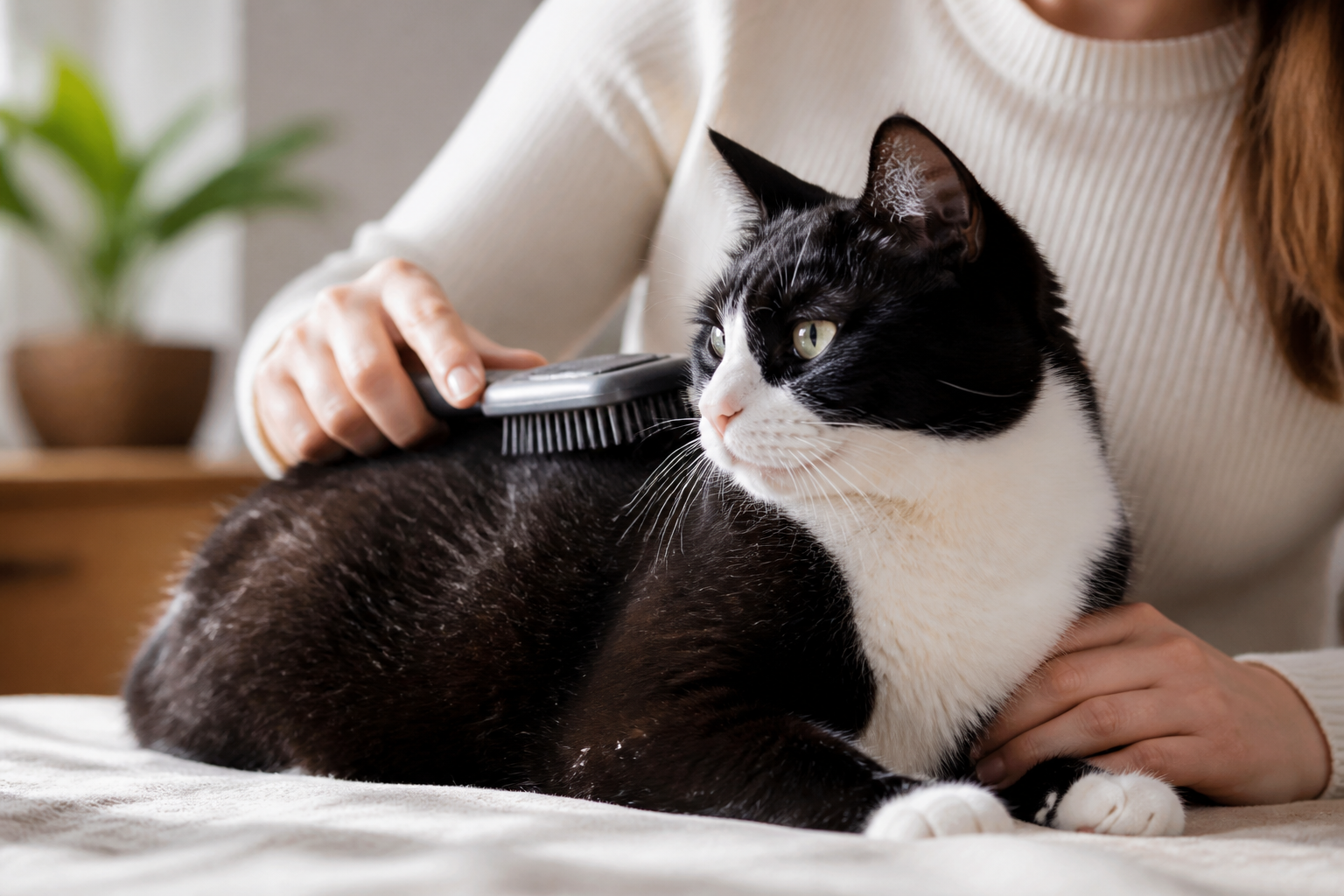
You are petting your senior cat on the sofa when you notice small white flakes resting on their dark fur. It looks like a dusting of salt or tiny bits of torn paper. This is a common sight for owners of aging pets, but it often brings up many questions. While a few flakes might seem like a minor cosmetic issue, they can actually signal changes in your cat's health, comfort, or grooming abilities. At BaxterBoo, we understand that senior cats have unique needs as their bodies and habits change over time. This post explains why older cat dandruff occurs and how you can help your feline friend feel comfortable again. Understanding the root cause is the first step toward restoring that soft, glossy coat and ensuring your cat stays healthy.
Quick Answer: Older cat dandruff is often caused by a reduced ability to groom due to arthritis or obesity. It can also stem from underlying health issues like kidney disease, diabetes, or poor nutrition. Improving their diet, managing environmental humidity, and helping with daily brushing can often resolve mild cases.
Visible Flakes vs. Invisible Dander
It is important to distinguish between dandruff and dander because people often use the terms interchangeably. Dander consists of microscopic skin cells that every healthy cat sheds naturally. You cannot see dander with the naked eye. It is the material that carries proteins from cat saliva, which often triggers allergies in humans. Every cat produces dander as part of the normal cycle of skin regeneration.
Dandruff is different because it involves visible clumps of dead skin cells. These flakes are large enough to see against the fur or on the bedding where your cat sleeps. While dander is a sign of a healthy body shedding old cells, dandruff usually indicates that the skin is too dry, too oily, or that the cat is not removing the dead cells through grooming.
Visible flakes are usually white or gray. In some cases, the skin underneath may look red or irritated. If you see black or brown flecks instead of white ones, you might be looking at flea dirt rather than dandruff. It is helpful to use a fine-toothed comb to inspect the skin more closely if you are unsure which one you are seeing.
The Senior Grooming Struggle
One of the most common reasons for older cat dandruff is a breakdown in the grooming routine. Cats are famously clean animals that spend a large portion of their day licking their fur. This process does more than just clean the hair. It stimulates the skin, distributes natural oils, and removes dead skin cells before they can clump into visible flakes.
As cats age, they often develop osteoarthritis. This condition makes it painful to twist, bend, and reach certain parts of their body. You might notice that the dandruff is concentrated on the lower back, the base of the tail, or between the shoulder blades. These are the hardest areas for a stiff cat to reach. If it hurts to groom, the cat will simply stop doing it. For more guidance, read about arthritis care for cats.
Obesity is another major factor for senior pets. Many older cats become less active, which can lead to weight gain. An overweight cat physically cannot reach their back or hindquarters to groom effectively. This lack of maintenance allows skin cells and loose undercoat hair to build up, creating a layer of flaky debris.
Key Takeaway: If your senior cat has dandruff primarily on their lower back, it likely indicates a mobility issue. Arthritis or weight gain may be preventing them from reaching those spots during their daily grooming routine.
Internal Health and Skin Quality
The skin is the largest organ of the body, and its condition often reflects what is happening inside. For senior cats, dandruff can be a secondary symptom of a metabolic or systemic health issue. When a cat is unwell, their body prioritizes internal organs over skin and coat health.
Kidney disease is a frequent diagnosis in older felines. It can lead to dehydration, which causes the skin to lose elasticity and become dry and flaky. Similarly, diabetes mellitus can affect the skin's ability to repair itself and maintain a healthy moisture barrier. Hyperthyroidism is another common senior condition that often results in a greasy, unkempt coat with significant flaking.
If your cat has dandruff alongside other symptoms, it is time to dig deeper. Look for changes in thirst, appetite, or litter box habits. Weight loss or a sudden change in activity levels are also important clues. A dull, staring coat that feels oily or excessively dry is rarely just a grooming problem. It is usually a sign that the body is struggling to maintain its balance.
The Role of Nutrition and Hydration
Nutrition plays a vital role in keeping a senior cat's skin supple. Many older cats benefit from diets higher in specific nutrients that support the skin barrier. Omega-3 and Omega-6 fatty acids are essential for reducing inflammation and keeping the skin hydrated. If a cat's diet is low in these healthy fats, the skin may become brittle and prone to flaking.
Hydration is equally important. Many cats live in a state of mild dehydration because they have a low thirst drive. This problem often worsens with age. When a cat is dehydrated, their skin is the first place to show it. Switching to wet food or adding a water fountain can encourage more fluid intake.
We often suggest looking at the quality of the protein in your cat's food. High-quality animal proteins provide the amino acids necessary for hair growth and skin repair. If you are noticing persistent flakes, it may be worth reviewing the ingredient list on your current bag or can. Our cat skin and coat care collection includes products designed to support your cat's overall coat-care routine. Our Autoship program is a great way to ensure you never run out of the high-quality food or supplements your senior cat needs to stay healthy.
Environmental Factors and Humidity
The air inside your home can have a significant impact on your cat's skin. This is especially true during the winter months when heaters are running constantly. Forced air heating strips moisture from the environment, leading to low humidity levels. This dry air pulls moisture out of your cat's skin, causing it to flake.
You can often tell if environment is the cause if the dandruff only appears during cold weather. If the flakes vanish in the spring and summer, the air in your home is likely too dry. Using a humidifier in the rooms where your cat spends the most time can make a big difference. It helps both the cat's skin and their respiratory system.
Stress can also play a role in skin health. While it sounds strange, a stressed cat may groom less or their body may react with skin sensitivity. Changes in the household, such as a new pet or moving furniture, can trigger these responses in older felines who prefer a predictable routine.
Parasites and "Walking Dandruff"
Not all white flakes are dead skin. There is a specific type of mite called Cheyletiella that causes a condition known as walking dandruff. These mites are large enough to be seen with the naked eye. When they move around under the scales of the skin, it looks like the dandruff is actually walking across the cat's back.
This condition is highly contagious and can spread to other pets and even humans. It usually causes intense itching and redness. If you see the flakes moving, or if your cat is scratching more than usual, a trip to the vet is necessary. Regular flea and tick prevention can help protect your cat from various parasites that irritate the skin.
Vet Tip: If your cat is itching, losing hair, or has red sores along with dandruff, please consult your veterinarian. These symptoms suggest an infection or parasite rather than simple dry skin. A vet can perform a skin scraping to identify the exact cause and prescribe the right treatment.
Our cat pharmacy carries a variety of medications for skin infections and parasites. Through our pharmacy service, you can manage these prescriptions alongside your regular pet supplies.
How to Help Your Senior Cat at Home
If your vet has ruled out serious medical conditions, there are several steps you can take to manage older cat dandruff at home. The goal is to assist with the grooming process and improve skin hydration.
Step 1: Establish a Brushing Routine
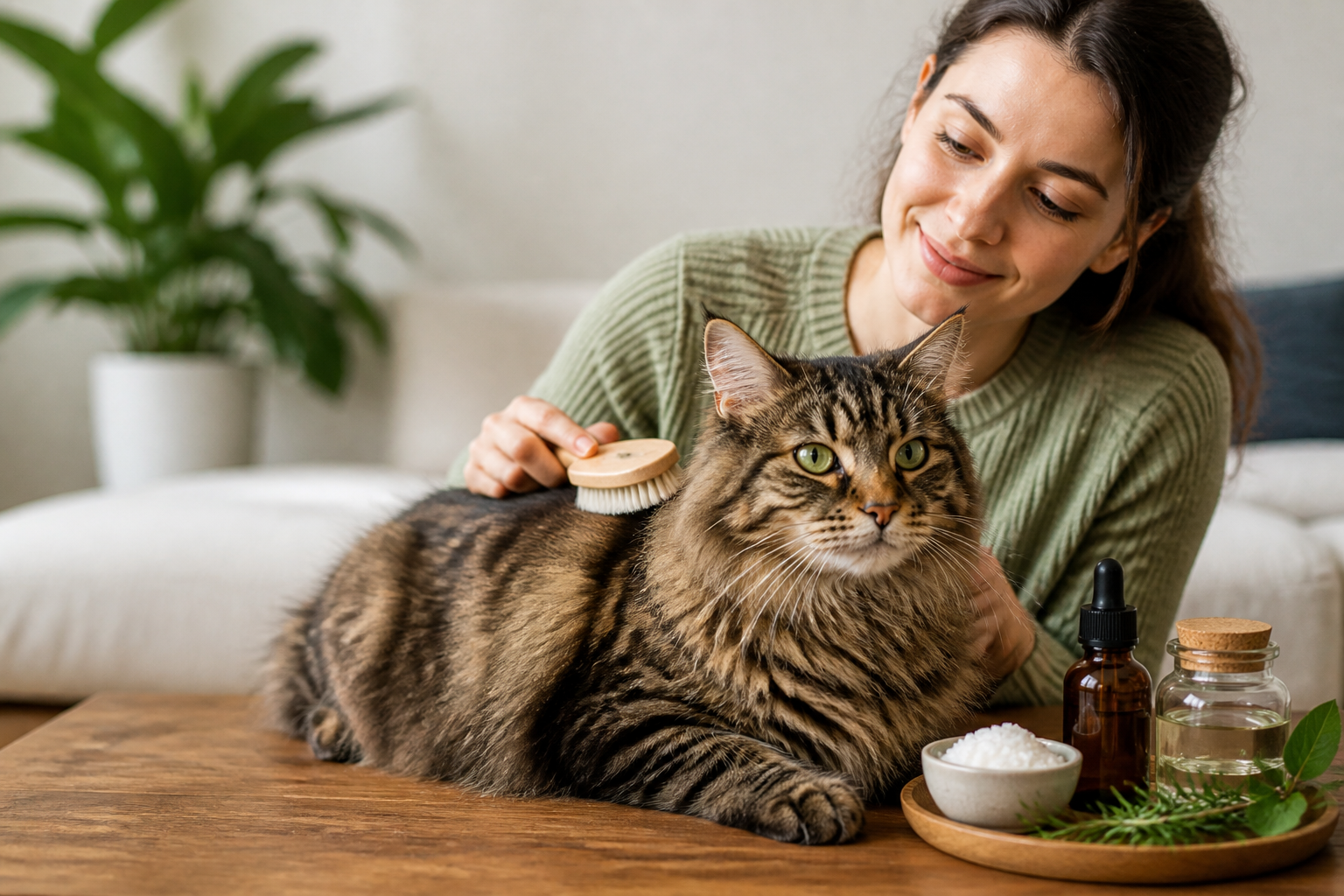
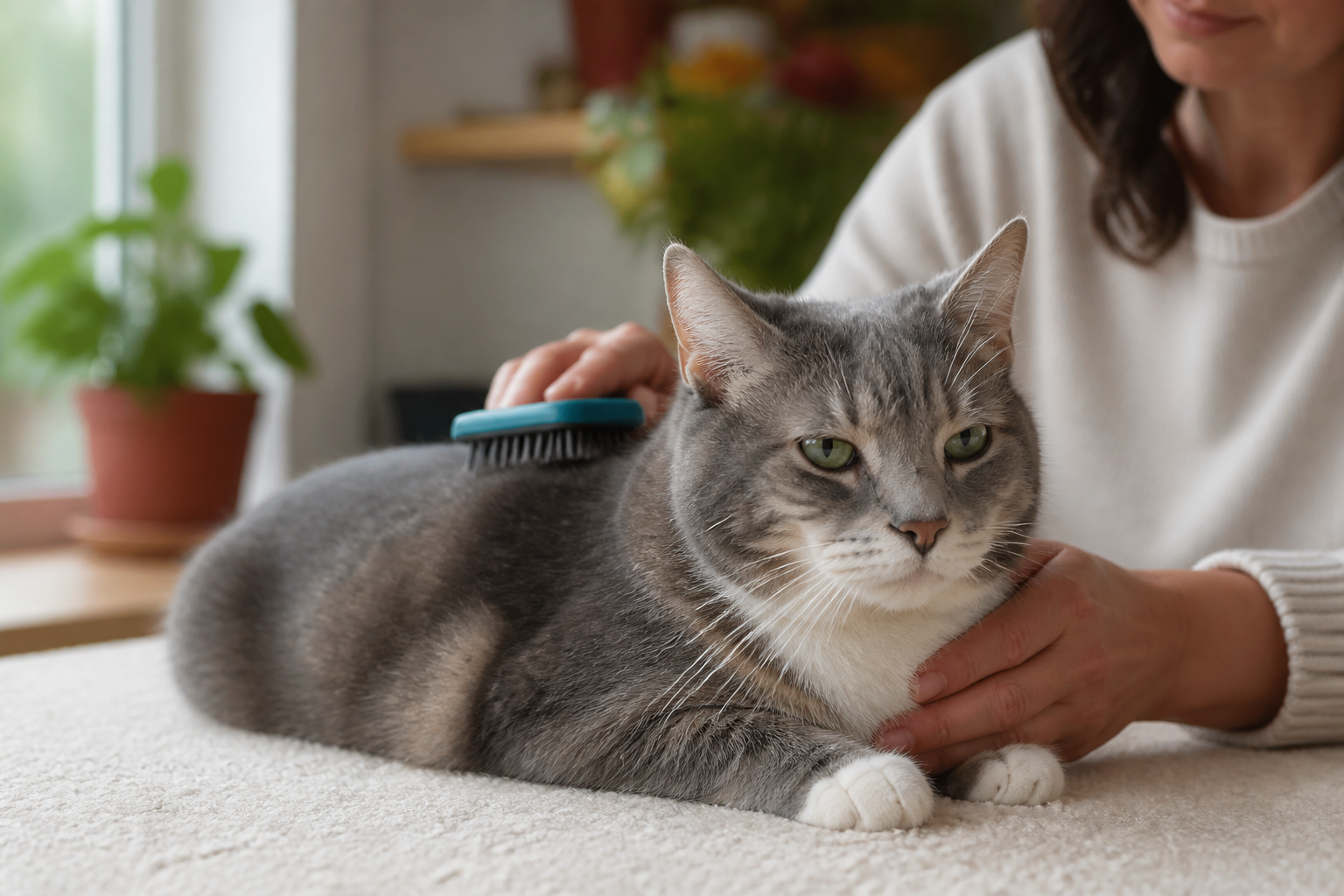
Since many older cats cannot reach their backs, you must do it for them. Daily brushing is the most effective way to remove dead skin and loose hair. It also stimulates blood flow to the skin surface, which encourages the production of natural oils. Use a soft slicker brush or a grooming glove if your cat is sensitive or has bony prominent areas due to weight loss. A gentle grooming routine can also support cats whose mobility has changed with age.
Step 2: Use Waterless Shampoos or Wipes
Most cats do not enjoy baths, and senior cats may find them especially stressful. Waterless shampoos or grooming wipes are a better alternative. These products allow you to clean the fur and moisturize the skin without the trauma of a tub. Look for formulas that contain soothing ingredients like aloe or oatmeal.
Step 3: Supplement the Diet
Adding a fish oil supplement can provide the concentrated Omega fatty acids needed to repair the skin barrier. These are available in liquid pumps that you can add directly to their food. It may take several weeks to see a change in the coat, so consistency is key.
Step 4: Manage Weight and Pain
If obesity or arthritis is the root cause, addressing those issues is vital. Talk to your vet about a weight management plan or joint supplements like glucosamine and chondroitin. Reducing a cat's weight can significantly improve their ability to groom themselves. For additional ideas, explore this guide to helping an indoor cat lose weight.
Bottom line: Helping your cat with daily grooming and ensuring they stay hydrated are the two most effective ways to manage age-related dandruff at home.
Choosing the Right Products
When shopping for supplies to manage older cat dandruff, look for products designed specifically for felines. Cat skin has a different pH level than human skin, so you should never use human dandruff shampoos on your pet. These can be toxic or highly irritating to a cat.
We carry over 500 trusted brands at BaxterBoo, and we carefully select products that meet the needs of senior pets. From ergonomic brushes that are gentle on arthritic joints to premium foods that support skin health, we have the tools you need. Our team is always happy to help you find the right grooming gear for a cat that might be a little sensitive to handling.
If your vet prescribes a specific diet or medication for a skin condition, remember that our pharmacy can help. This service makes it simple to get everything from prescription kibble to allergy medications delivered to your door. Managing a senior cat's health is a long-term commitment, and we want to make that process as easy as possible for you.
Summary of Management Strategies
Managing dandruff in an older cat requires a multi-pronged approach. You need to look at their physical ability to groom, their internal health, and their environment.
- Assess Mobility: Check if your cat is struggling to reach their back.
- Improve Diet: Look for high-quality proteins and essential fatty acids.
- Increase Hydration: Use wet food and water fountains.
- Assist Grooming: Brush your cat daily to remove flakes and hair.
- Monitor Health: Watch for changes in behavior or bathroom habits.
- Add Moisture: Use a humidifier during dry winter months.
By taking these steps, you can help your cat maintain a healthy coat and prevent the discomfort of dry, itchy skin. A senior cat’s coat should be a source of pride, reflecting the good care they receive in their later years.
Conclusion
Older cat dandruff is a common issue that often points to a need for more support in a cat's daily life. Whether they need a little help reaching those hard-to-groom spots or a change in their diet to support skin health, there are many ways to resolve the flakes. Keeping your cat comfortable and hydrated is the best way to ensure their golden years are spent purring rather than scratching. We are here to support you with expert advice and the products your senior pet needs to thrive.
Key Takeaway: Regular brushing and a high-quality diet are the foundations of skin health for aging cats. Always consult a vet if flakes are accompanied by itching or behavior changes.
Visit our pharmacy section to learn more about how we can help manage your senior cat's chronic health needs.
FAQ
Is it normal for an older cat to suddenly have dandruff?
While a few flakes can be normal, a sudden increase in dandruff usually indicates a change in the cat's health or ability to groom. It is often a sign of arthritis, weight gain, or a metabolic issue like kidney disease. You should monitor your cat for other symptoms and consult a veterinarian to rule out underlying causes.
How often should I brush my senior cat to help with dandruff?
For a senior cat with visible dandruff, daily brushing is recommended. This helps remove the dead skin cells that the cat can no longer reach on their own. Daily sessions also distribute natural skin oils, which can help moisturize dry areas and prevent future flaking.
Can I use human dandruff shampoo on my cat?
No, you should never use human dandruff shampoo on a cat. These products contain chemicals and pH levels that are not safe for feline skin and can be toxic if the cat licks their fur. Always use products specifically formulated for cats, such as waterless shampoos or grooming wipes designed for pets.
Why does my cat only get dandruff on the base of their tail?
Dandruff at the base of the tail is a classic sign of limited mobility. This is one of the most difficult areas for a cat to reach, especially if they have arthritis in their hips or back. If the cat is overweight, they may also struggle to twist far enough to groom this specific area effectively.