
 Save 15% on your 1st Autoship learn more

 Email us
 Live Chat
 FAQs
FAQs





Introduction
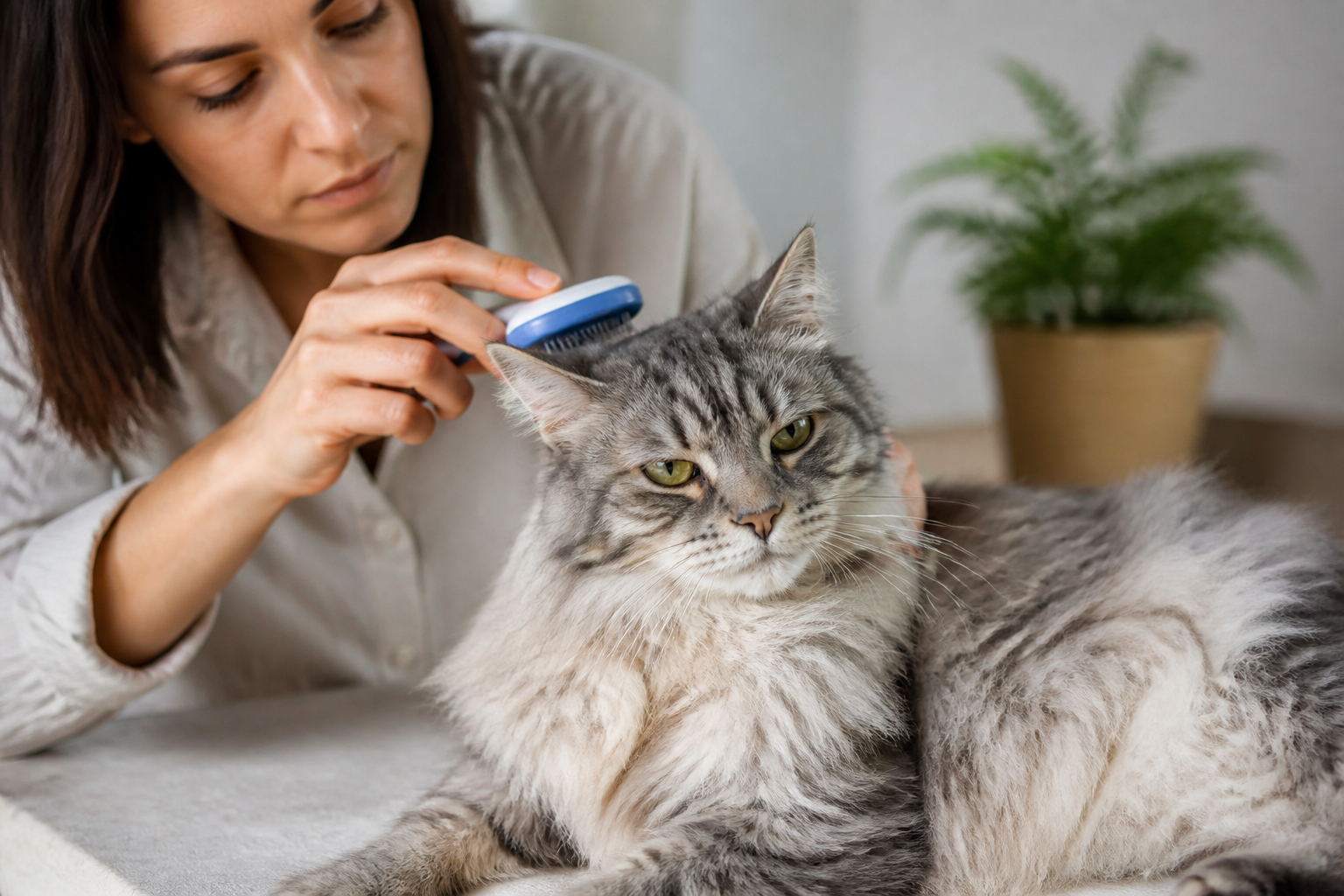
You are petting your cat when you notice small white flakes scattered across their fur. As you look closer, you realize the hair on their lower back or tail seems much thinner than usual. This combination of symptoms can be alarming for any pet owner. At BaxterBoo, we see many customers looking for solutions when their feline friends start looking a bit raggedy. Dandruff and hair loss often happen at the same time because the same underlying issues that dry out the skin also weaken the hair follicles. This article covers the primary causes of these symptoms, from simple dietary needs to more complex health conditions. Understanding these signs is the first step in helping your cat regain a soft, healthy coat.
Why Dandruff and Hair Loss Often Go Together
A cat's skin is their largest organ. It acts as a protective barrier against the outside world. When the skin is healthy, it produce just the right amount of oils to keep the fur shiny and the skin supple. Dandruff occurs when the sebaceous glands in the skin overproduce oil. This excess oil irritates the skin and causes dead cells to clump together into visible white flakes.
Hair loss, or alopecia, often follows closely behind. If the skin is irritated or itchy, your cat will likely groom themselves excessively or scratch at the dry patches. This mechanical action pulls out the hair. Additionally, if the skin is not receiving the right nutrients or is battling an infection, the hair follicles may not have the strength to hold onto the fur.
Quick Answer: Cat dandruff and hair loss are usually caused by a mix of environmental factors, nutritional gaps, or parasites. Common culprits include low humidity, lack of Omega-3 fatty acids, and external pests like fleas or mites.
Cat Skin & Coat Care
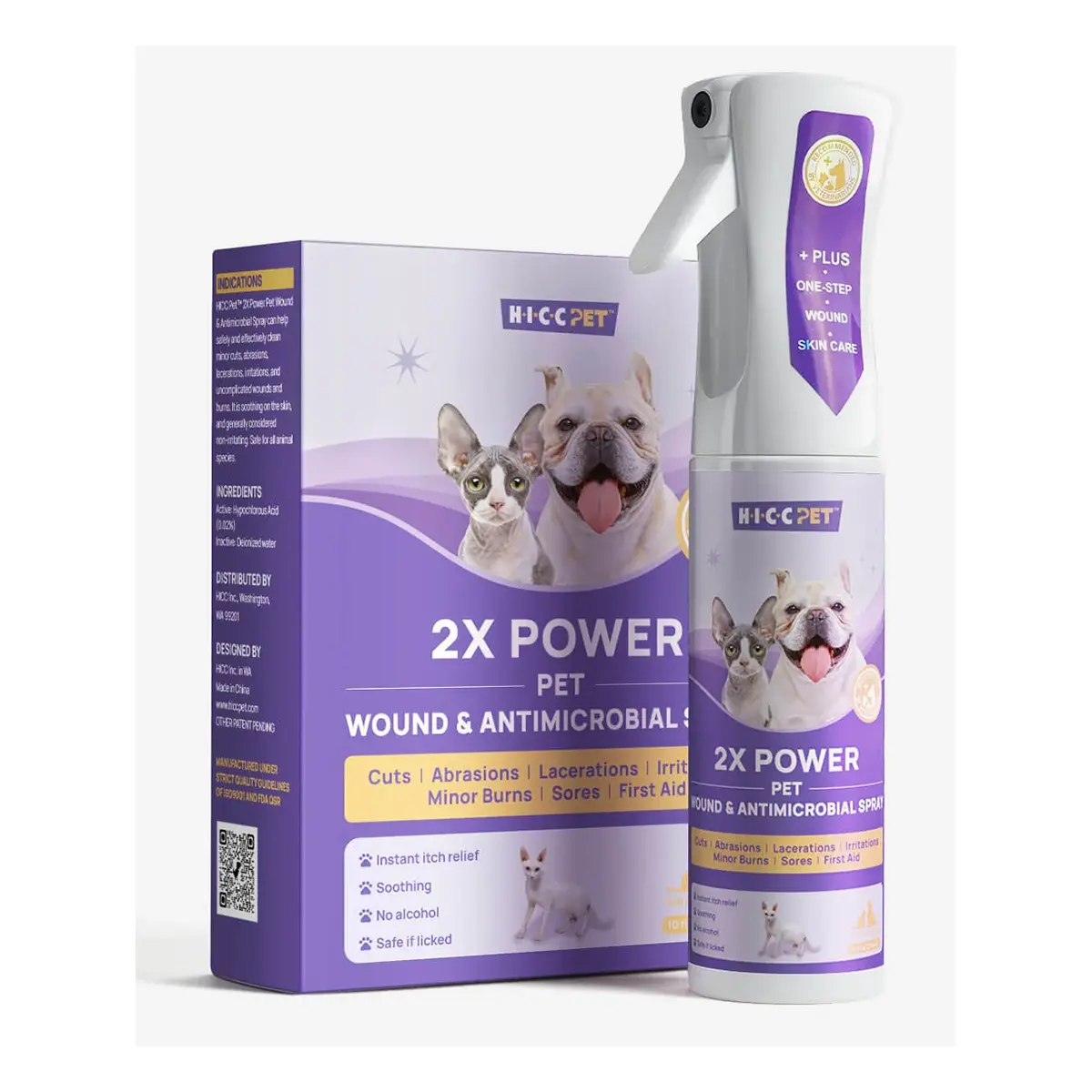


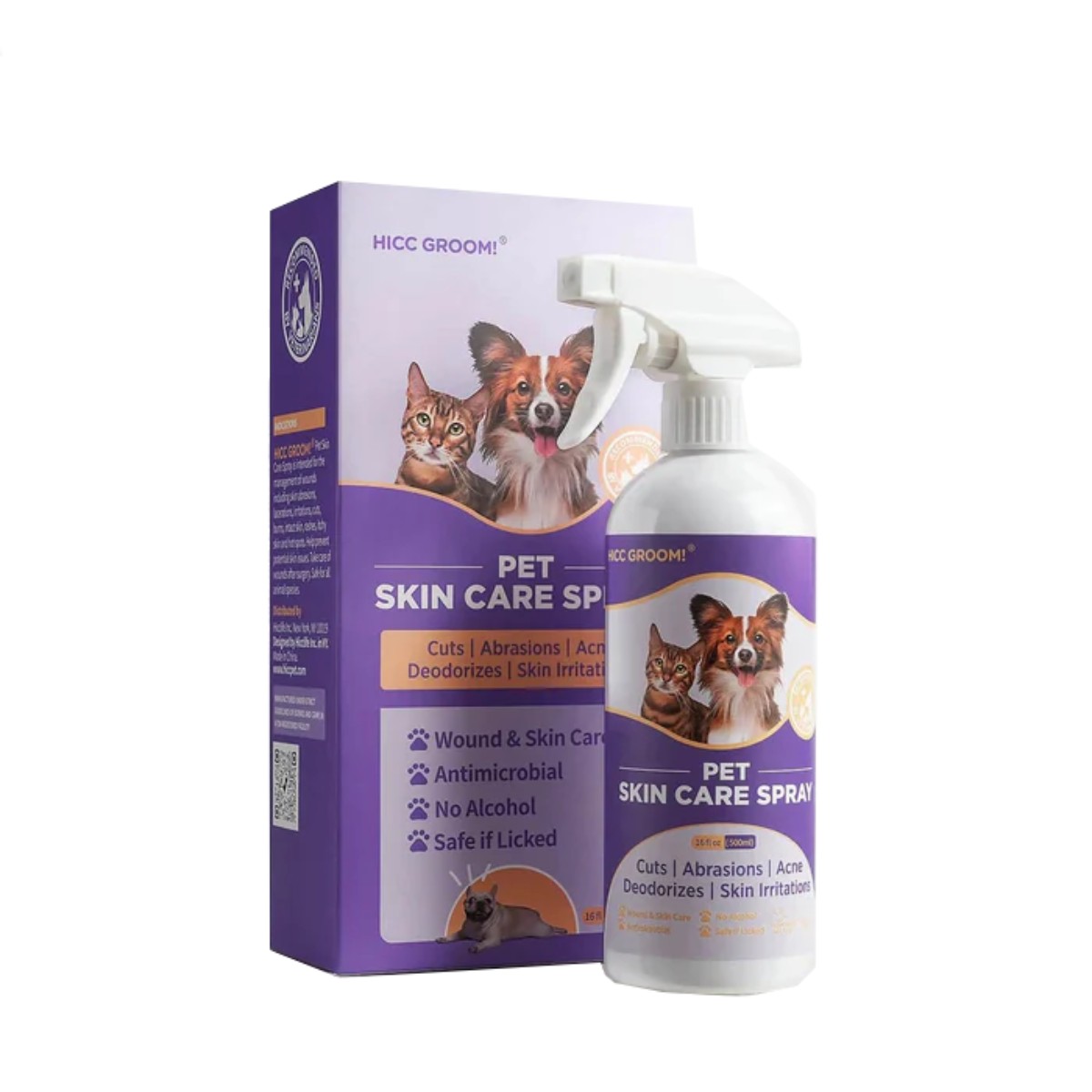


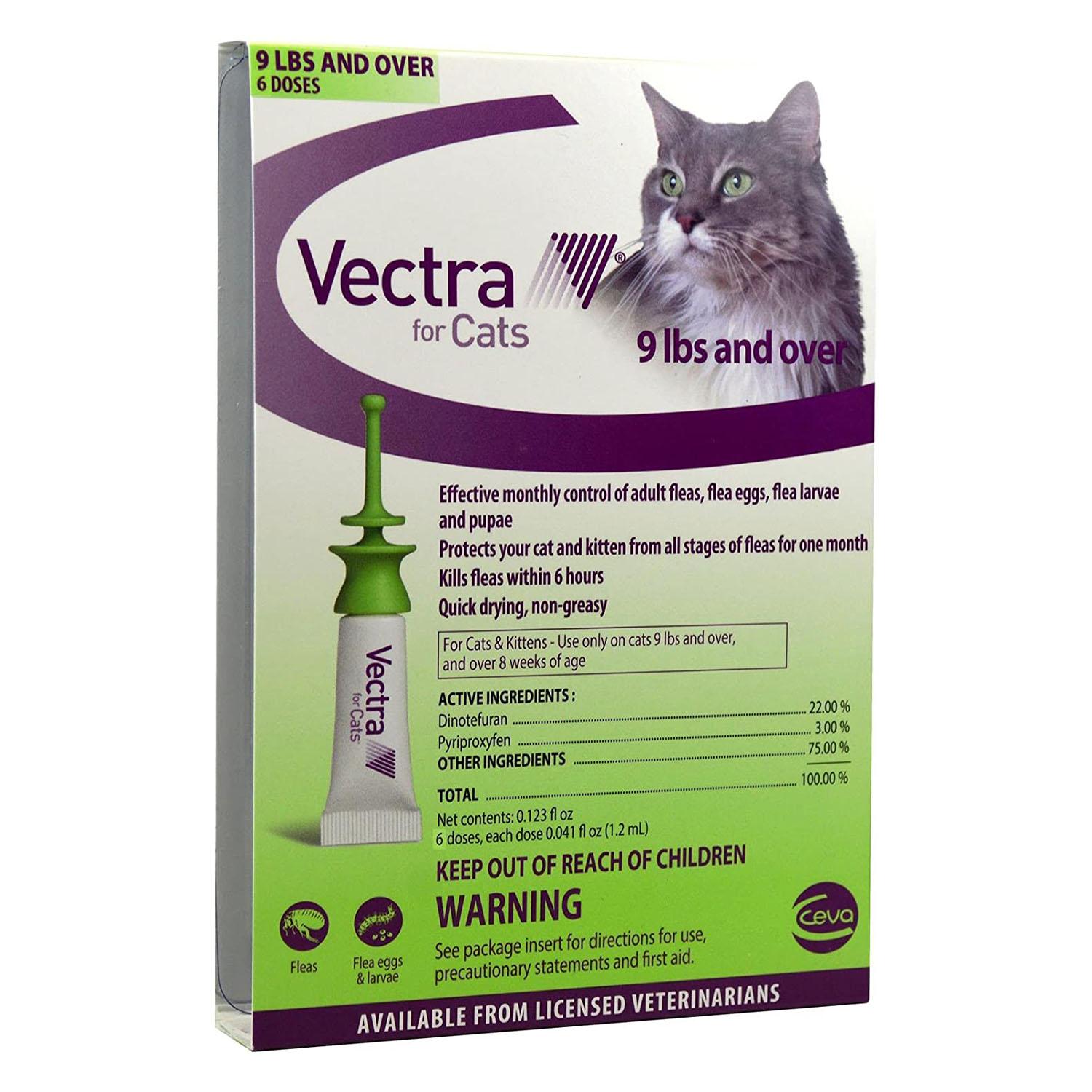





Common Culprits Behind Flaky Skin and Thinning Fur
Identifying the cause of skin issues requires looking at your cat’s environment and daily habits. Not every case of dandruff is the same. Some are caused by external invaders, while others come from within.
Parasites and Fungal Infections
External parasites are a leading cause of skin distress. Fleas are the most common trigger. Even if you do not see a flea, a single bite can cause an allergic reaction known as flea allergy dermatitis. This leads to intense itching, red skin, and patches of missing hair.
Another specific condition is called walking dandruff. This is caused by the Cheyletiella mite. These mites are large enough to be seen with the naked eye and look like moving flakes of skin. If you see "dandruff" that appears to be crawling, your cat likely has a mite infestation.
Ringworm is another serious concern. Despite the name, it is a fungal infection, not a worm. It typically causes circular patches of hair loss with red, crusty edges. Ringworm is highly contagious to other pets and humans.
For prevention options, explore our cat flea and tick collection.
Nutritional Deficiencies
The quality of what your cat eats shows up directly in their coat. A cat’s body uses a significant portion of its daily protein intake just to maintain skin and hair health. If their food lacks high quality proteins or essential fatty acids, the skin becomes the first area to suffer.
Omega-3 and Omega-6 fatty acids are crucial. These nutrients help maintain the moisture barrier of the skin. Without them, the skin dries out and flakes. We carry many premium brands like Farmina and Open Farm that prioritize these essential fats to support skin health from the inside out.
Browse our cat food selection when reviewing your cat’s daily diet.
Environmental Factors
The air inside your home can also play a role. During winter months, heating systems strip moisture from the air. This low humidity dries out a cat's skin just as it does for humans. If your cat spends a lot of time near heat vents, you might notice more dandruff in those specific areas.
The Role of Grooming and Mobility
Cats are famous for their grooming habits. They spend a large portion of their day cleaning themselves. This process naturally removes dead skin cells and loose fur. When a cat stops grooming or cannot reach certain spots, dandruff builds up.
For brushes, wipes, and bathing products, visit our cat grooming supplies.
Obesity and Accessibility
If a cat is overweight, they may lose the flexibility needed to reach their lower back and the base of their tail. This is why dandruff is often most visible in these areas. The skin cells accumulate because the cat cannot lick them away.
For more guidance, read our article about helping an indoor cat lose weight.
Arthritis and Pain
Senior cats often suffer from arthritis. The stiffness and pain associated with joint issues make the twisting motions of grooming very uncomfortable. If you notice your older cat has a greasy coat or heavy dandruff on their back, it might be a sign that they are in pain.
Vet Tip: If your cat is grooming less or shows signs of stiffness, consult your veterinarian to check for arthritis or mobility issues. They may recommend joint supplements or pain management to help your cat feel comfortable enough to groom again.
Learn more about changes in grooming and mobility in this guide to arthritis medicine for cats.
Steps to Improve Your Cat’s Skin Health
Once you have ruled out serious medical conditions with your vet, you can take practical steps at home to improve your cat's coat. A multi-pronged approach usually works best.
Step 1: Improve the Diet. / Look for foods rich in biotin, zinc, and fatty acids. Brands like Stella & Chewy's or Royal Canin offer formulas specifically designed for skin and coat support.
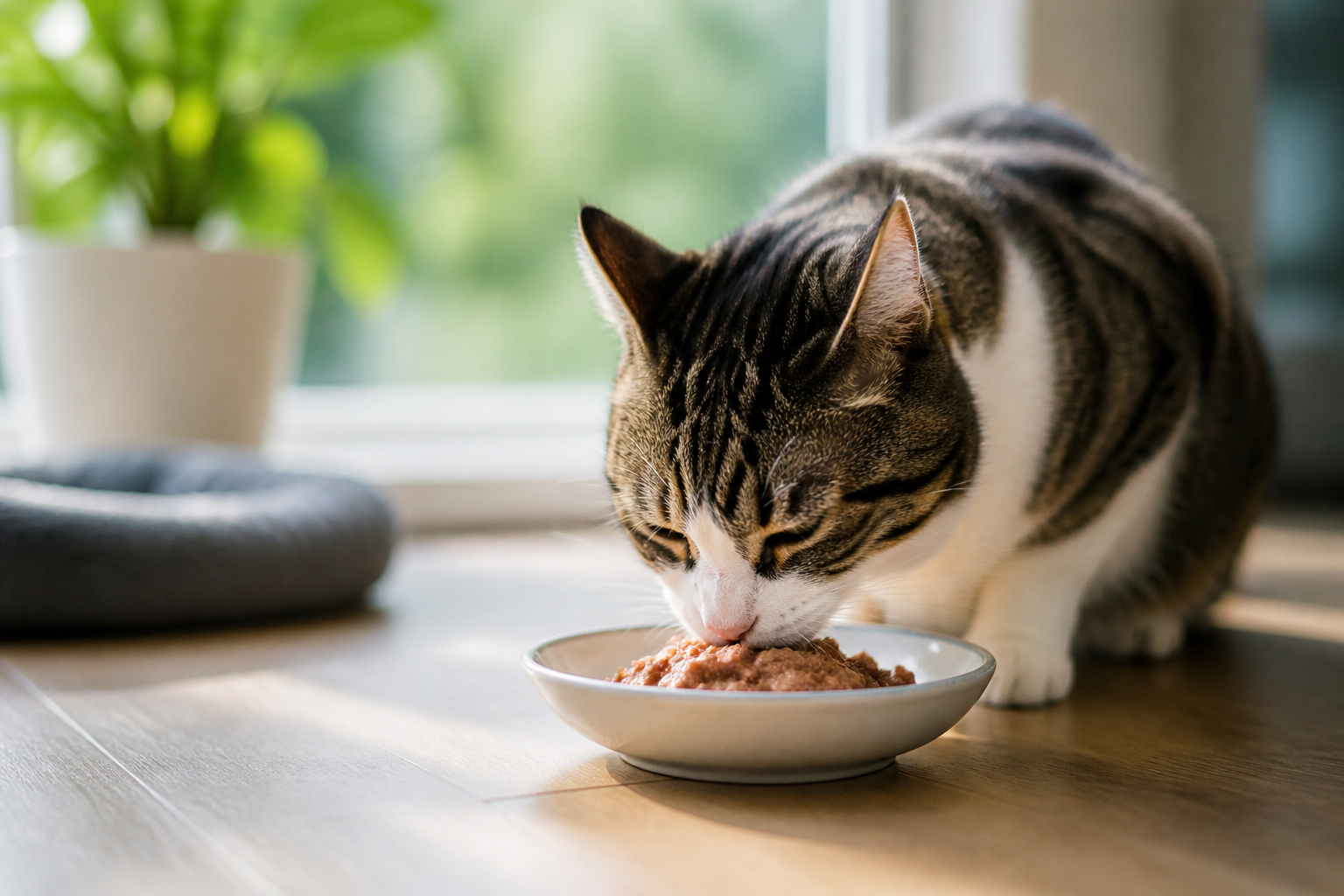
Step 2: Increase Hydration. / Cats are notorious for not drinking enough water. Switch to wet food or use a pet fountain to encourage drinking. Dehydration leads to dry, inelastic skin.
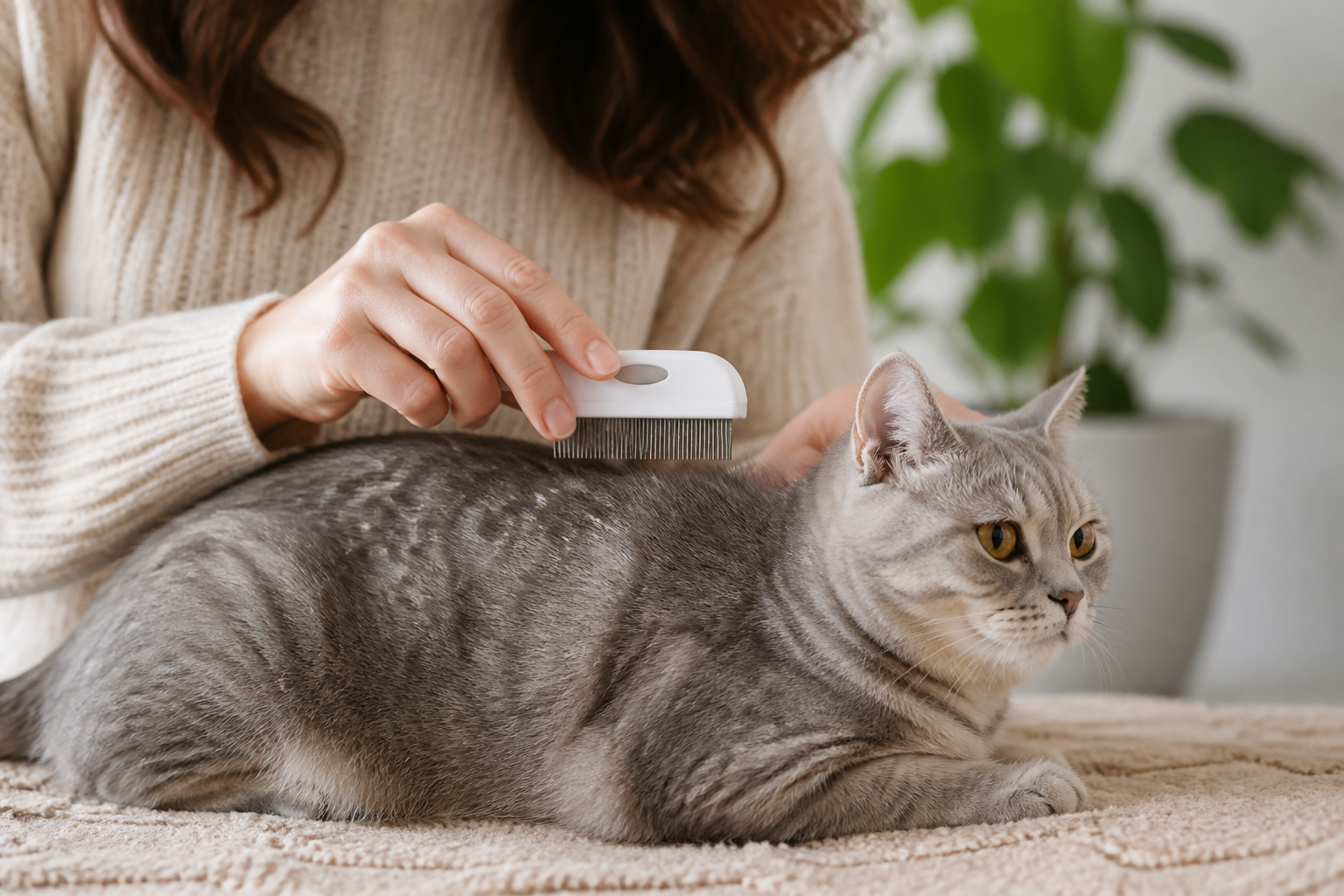
Step 3: Regular Brushing. / Use a soft slicker brush or a grooming glove to help remove dead hair and flakes. This distributes natural oils across the skin and stimulates blood flow to the follicles.
Step 4: Manage the Environment. / Use a humidifier in the rooms where your cat spends the most time. This adds moisture back into the air and prevents the skin from cracking.
Recommended Grooming Supplies
- Soft Bristle Brushes: Best for short-haired cats to distribute oils.
- Slicker Brushes: Useful for long-haired cats to remove trapped dander in the undercoat.
- Grooming Wipes: Can help remove surface flakes without the stress of a full bath.
- Waterless Shampoo: A great alternative for cats who hate water but need a deep clean.
You can compare grooming tools and cleansing products in our cat grooming category.
When to Contact Your Veterinarian
While many cases of dandruff are manageable, hair loss often signals a need for professional help. You should schedule a vet visit if you notice any of the following symptoms:
- Open sores or crusty lesions on the skin.
- Intense, non-stop scratching or biting at the fur.
- Red, inflamed skin that feels hot to the touch.
- Symmetrical hair loss on both sides of the body.
- A foul odor coming from the skin or ears.
Your veterinarian can perform skin scrapings or blood tests to look for underlying hormonal issues like hyperthyroidism or diabetes. Both of these conditions can change the texture of a cat's fur and lead to thinning patches.
For additional care products and supplements, browse our cat healthcare collection.
Key Takeaway: Dandruff is often a symptom of a larger issue rather than a standalone problem. Focus on treating the skin and the hair loss will typically resolve as the skin heals.
Using the BaxterBoo Pharmacy for Skin Health
For cats dealing with persistent skin infections or parasites, simple over the counter fixes might not be enough. Our pharmacy offers a wide range of FDA-approved medications through our partnership with Pet's Choice. This includes prescription flea and tick preventives that are often more effective than standard store options.
If your vet determines that your cat has a fungal infection like ringworm or a bacterial skin infection, you can have the prescription filled through us. We also carry prescription-strength shampoos and topical treatments. Having access to a real pharmacy means you can get the exact medication your vet recommends delivered right to your door. Our pharmacy team ensures that every prescription is handled with care so your cat gets the relief they need.
Explore our cat pharmacy for prescription products selected for feline care.
Long-Term Maintenance and Prevention
Preventing the return of dandruff and hair loss requires consistency. Once the coat has regrown, maintain a schedule that supports skin health year round.
Monthly Preventives
Do not wait until you see a flea to use a preventive. Consistent monthly application is the best way to prevent flea allergy dermatitis. This keeps the skin calm and prevents the cycle of itching and hair loss from starting.
For more information about prevention options, read our guide to flea and tick prevention products.
Supplements
Consider adding a daily skin and coat supplement to your cat's routine. Products containing wild Alaskan salmon oil are highly palatable and provide a concentrated dose of Omega fatty acids. We see many owners find success with supplements like Zesty Paws or Honest Paws to maintain a glossy finish on the fur.
You can find supplements and related products in our cat health category.
Weight Management
Keeping your cat at a healthy weight ensures they can reach every part of their body for grooming. If your cat is currently struggling with their weight, talk to your vet about a weight management plan. This might include a prescription diet available through our pharmacy partnership or simply increasing play time with interactive toys.
For additional mobility information, see our guide to feline joint health and arthritis care.
Bottom line: A combination of high quality nutrition, regular grooming, and consistent parasite prevention is the best defense against feline skin issues.
Conclusion
Seeing your cat deal with dandruff and hair loss is stressful, but most cases are treatable with the right care. Start by looking at their diet and environment, then move on to checking for parasites or mobility issues. We are here to help you through every stage of your pet’s life. Whether you need to stock up on premium food, find the perfect grooming brush, or fill a prescription through the BaxterBoo pharmacy, we have the tools you need.
- Switch to a high protein, Omega-rich diet.
- Maintain monthly flea and tick prevention.
- Brush your cat at least twice a week.
- Monitor for changes in grooming habits as your cat ages.
Our Autoship program is a great way to ensure you never run out of the skin supplements or specialized foods your cat depends on. You can save on your first order and earn MVP Rewards points on every purchase to use toward future grooming supplies or treats.
Learn about the MVP Rewards programme to see how ongoing purchases can fit into your pet care routine.
FAQ
Can I use human dandruff shampoo on my cat?
No, you should never use human dandruff shampoos on your cat. These products contain chemicals and pH levels that are far too harsh for feline skin and can cause severe irritation or even toxicity if the cat licks their fur. Always use a shampoo specifically formulated for cats or follow your veterinarian’s recommendation for a medicated wash.
Is cat dandruff contagious to humans?
Regular dandruff caused by dry skin or poor diet is not contagious. However, if the dandruff is caused by ringworm or Cheyletiella mites, those can be passed to humans. If you notice skin lesions on yourself or other family members while your cat is experiencing hair loss, it is vital to see a doctor and have your cat checked by a vet.
How long does it take for a cat's hair to grow back?
Hair regrowth is a slow process and depends on the underlying cause being fully resolved. Generally, you can expect to see fine new growth within two to four weeks after the skin has healed. It often takes two to three months for a patch of missing fur to completely fill back in and match the surrounding coat.
Why does my cat only have dandruff on their lower back?
The lower back and base of the tail are the most common spots for dandruff because they are the hardest for a cat to reach. If a cat is overweight, has arthritis, or is simply getting older, they may stop grooming these specific areas. This allows dead skin cells and oils to build up into visible flakes that you see while petting them.




- Site & Contents BaxterBoo.com. BaxterBoo is located in the United States.
- Privacy & Security
- Terms of Use
- Accessibility Statement
