Save 15% on your 1st Autoship learn more

 Email us
 Live Chat
 FAQs
FAQs





Introduction
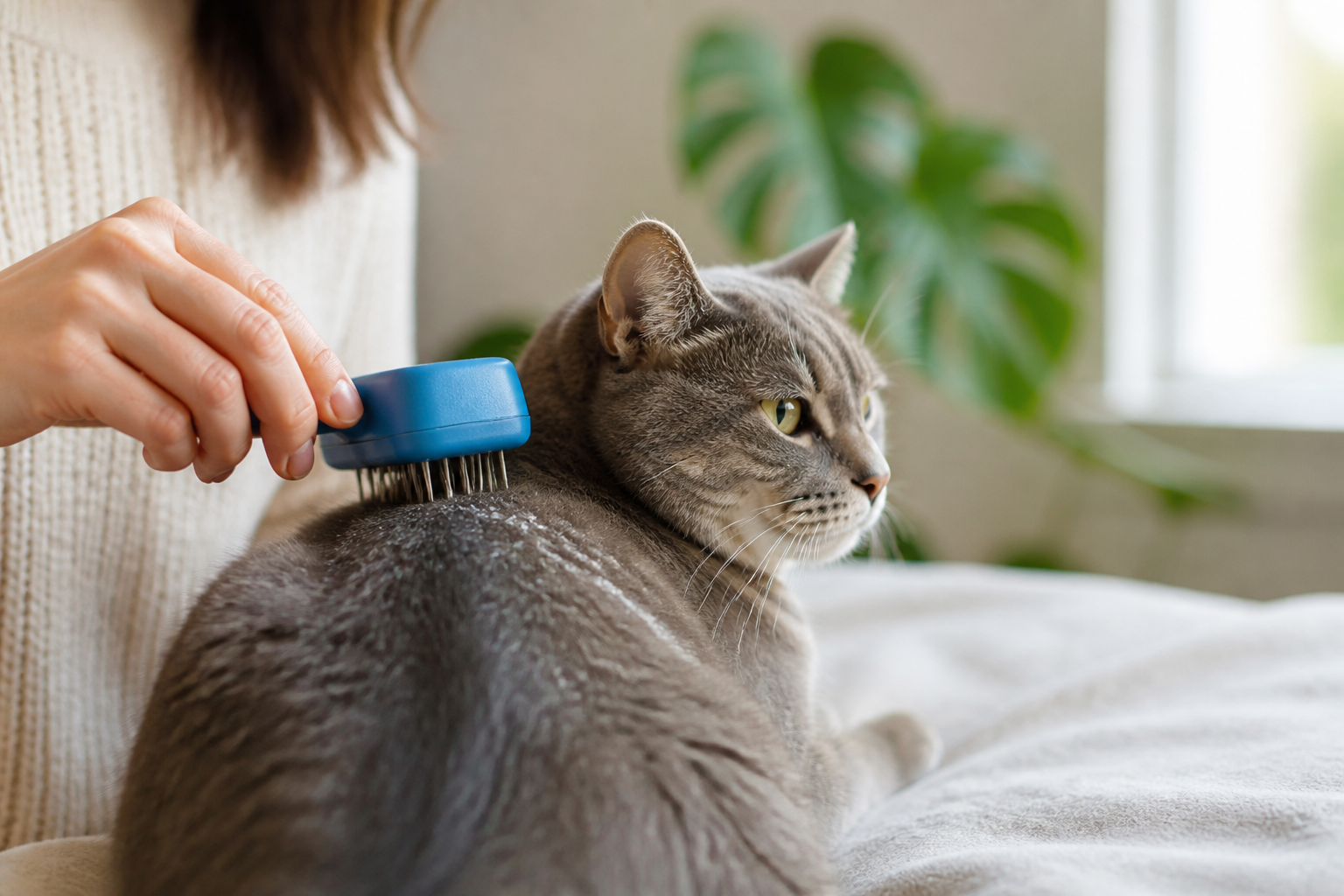
You are sitting on the couch and stroking your cat when you notice small white specks along their spine. These flakes look like tiny bits of paper or grains of salt scattered through the fur. If you find yourself thinking my cat has dandruff on his back and wondering why, you are not alone. While some shedding of skin is normal, visible flakes often mean your cat needs a little extra help. At BaxterBoo, we see this often with cats of all ages and coat types. This post covers the most common reasons for flaky skin and how you can help your cat feel comfortable again. We will look at grooming habits, nutrition, and when it is time to call the vet.
Quick Answer: Cat dandruff is a buildup of dead skin cells that have not been groomed away. It is often caused by a lack of humidity, poor nutrition, or physical issues like obesity and arthritis that prevent your cat from reaching their back.
Understanding Feline Dandruff
It is helpful to know exactly what those white flakes are before you try to treat them. All cats shed skin cells. This is a natural part of how their bodies renew their largest organ. Usually, a cat grooms these cells away before you ever see them. When the flakes become visible, it means the balance of skin health has shifted.
Dandruff vs. Dander
People often use these words as if they mean the same thing. They are actually quite different. Dander consists of microscopic skin cells that every healthy cat produces. You cannot see dander with the naked eye. It is the material that often triggers allergies in humans.
Dandruff refers to the larger, visible flakes that stay trapped in the fur. While dander is a sign of a normal body process, dandruff is usually a sign that something is slightly off. It might be a simple environmental fix or a signal of a health change.
Identifying Flea Dirt
Before assuming it is just dry skin, look closely at the color of the specks. If the flakes are white or light gray, it is likely dandruff. If you see tiny black or dark brown specks that look like pepper, that is flea dirt. Flea dirt is actually flea waste. You can test this by placing the dark specks on a wet white paper towel. If they turn red, your cat has fleas and needs immediate treatment.
Key Takeaway: White flakes are usually dandruff, while black specks are a sign of fleas. Distinguishing between the two is the first step in helping your cat.
Why the Back is a Target for Dandruff
Many owners notice that dandruff appears specifically on the lower back or near the base of the tail. This is rarely a coincidence. The back is one of the hardest places for a cat to reach. If a cat is not feeling their best or has physical limitations, the back is the first place where grooming stops.
Obesity and Grooming
If a cat carries too much weight, they lose their natural flexibility. They simply cannot twist around far enough to clean the fur along their spine. When the tongue cannot reach those areas, dead skin cells and loose hair build up. This creates a cycle where the skin becomes itchy and the coat looks dull.
Arthritis and Senior Cats
Older cats often develop stiff joints. Even if they are at a healthy weight, the act of bending to groom their back can be painful. You might notice your senior cat spends less time cleaning themselves than they used to. This lack of grooming leads to visible flakes. It is a common sign that a senior cat may need a more accessible grooming routine or joint support. For more information about mobility-related grooming changes, read this guide to arthritis medicine for cats.
Environmental and Seasonal Causes
The air inside your home plays a large role in your cat's skin health. Just like humans get dry skin in the winter, cats react to the climate around them.
Low Humidity
During the winter, home heating systems strip moisture from the air. This dry air pulls moisture away from your cat's skin. The skin then becomes brittle and flakes off more easily. This is why many owners see an increase in dandruff during the colder months.
Dehydration
Cats are notorious for having a low thirst drive. If a cat is slightly dehydrated, their skin is often the first place to show it. Water is essential for maintaining a strong skin barrier. Without enough hydration, the skin loses elasticity and begins to scale.
Vet Tip: If your cat has dandruff, try adding a humidifier to the room where they sleep. You should also encourage more water intake by using a cat fountain or adding wet food to their diet.
Nutrition and the Skin Barrier
The quality of your cat's food directly impacts the quality of their coat. Skin requires specific nutrients to stay supple and healthy. If those nutrients are missing, the skin barrier weakens. Explore our cat food collection for dry, wet, and veterinary diet options.
The Role of Omega Fatty Acids
Omega-3 and Omega-6 fatty acids are essential for feline skin health. These healthy fats help the skin retain moisture and reduce inflammation. Many standard kibbles may not have high enough levels of these fats for every cat. Adding a supplement can often clear up mild dandruff within a few weeks.
We carry brands like Zesty Paws and Honest Paws that offer targeted skin support. These supplements are easy to mix into food and provide the building blocks for a shiny coat.
High-Quality Proteins
A cat’s fur is made mostly of protein. If their diet is low in high-quality animal protein, the body will prioritize internal organs over the coat. This can lead to a coat that feels coarse or looks dusty with dandruff. Brands like Farmina, Orijen, and Acana focus on biologically appropriate protein levels to support overall wellness.
Bottom line: A balanced diet rich in Omega fatty acids and animal protein is the foundation of flake-free skin.
Health Conditions Linked to Dandruff
Sometimes dandruff is more than just a grooming issue. It can be a secondary symptom of an internal health problem. If you see a sudden increase in flakes along with other changes, a vet visit is necessary. You can browse our cat healthcare supplies for grooming, supplement, and wellness products.
Parasites and Infections
Certain mites cause a condition known as walking dandruff. These mites are large enough to be seen moving under the fur. They cause intense itching and heavy scaling. Fungal infections like ringworm can also cause circular patches of dry, flaky skin and hair loss.
Endocrine Disorders
Conditions like hyperthyroidism and diabetes are common in middle-aged and senior cats. These diseases affect the body's metabolism and hydration levels. One of the first visible signs is often a greasy or very dry coat with significant dandruff.
BaxterBoo Pharmacy and Prescription Care
If your veterinarian diagnoses a specific medical condition, they may prescribe a medicated shampoo or a prescription diet. Our pet pharmacy carries prescription medications and veterinary diets for cats and dogs through our pharmacy service. This includes diets from brands like Farmina Vet Life and Royal Canin that are formulated for specific health needs. Having a reliable source for these items makes it easier to manage chronic conditions that affect skin health.
Step-by-Step Guide to Reducing Dandruff
If your vet has ruled out serious medical issues, you can take several steps at home to clear up the flakes. Consistency is key when it comes to skin health.
Step 1: Increase grooming frequency.
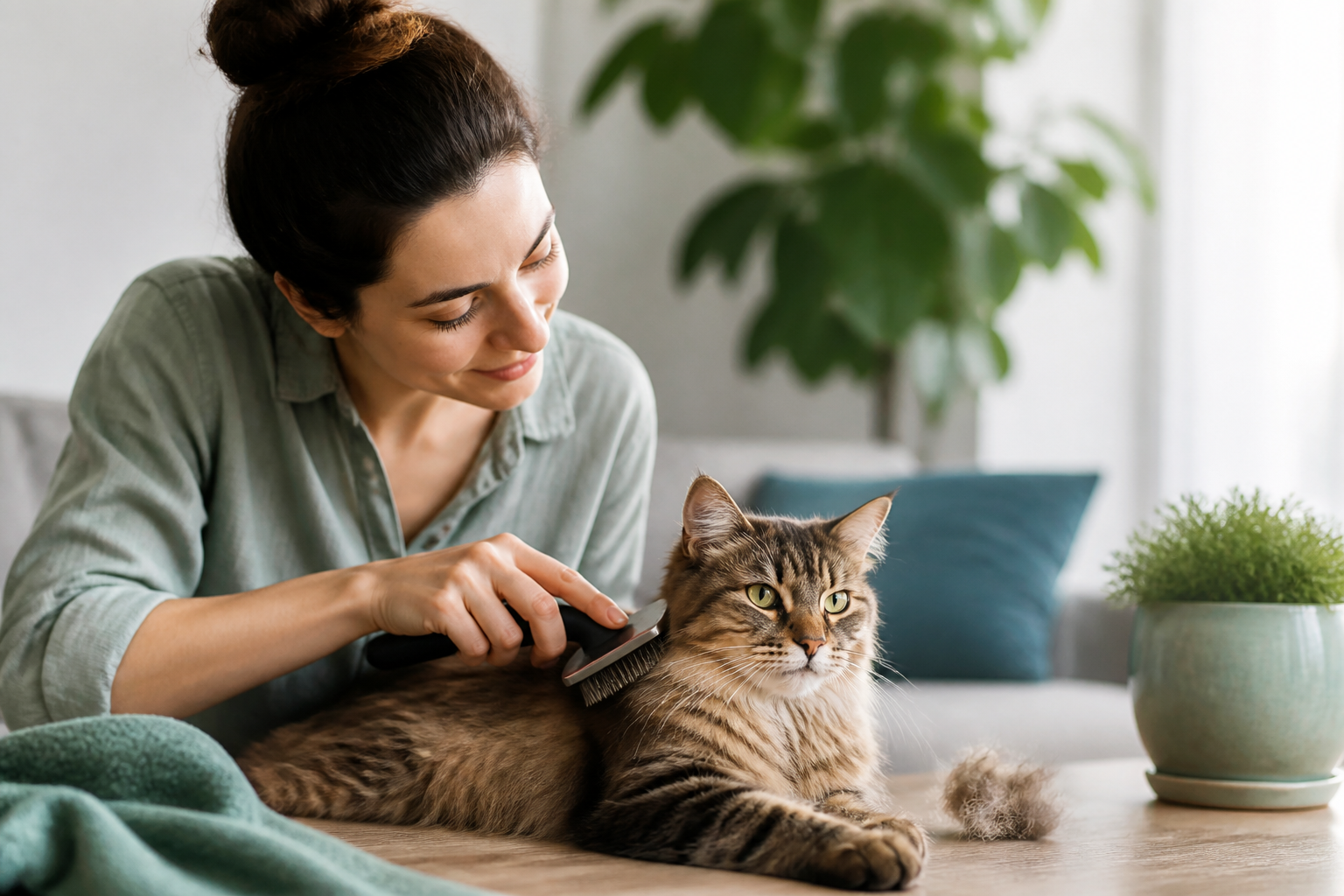
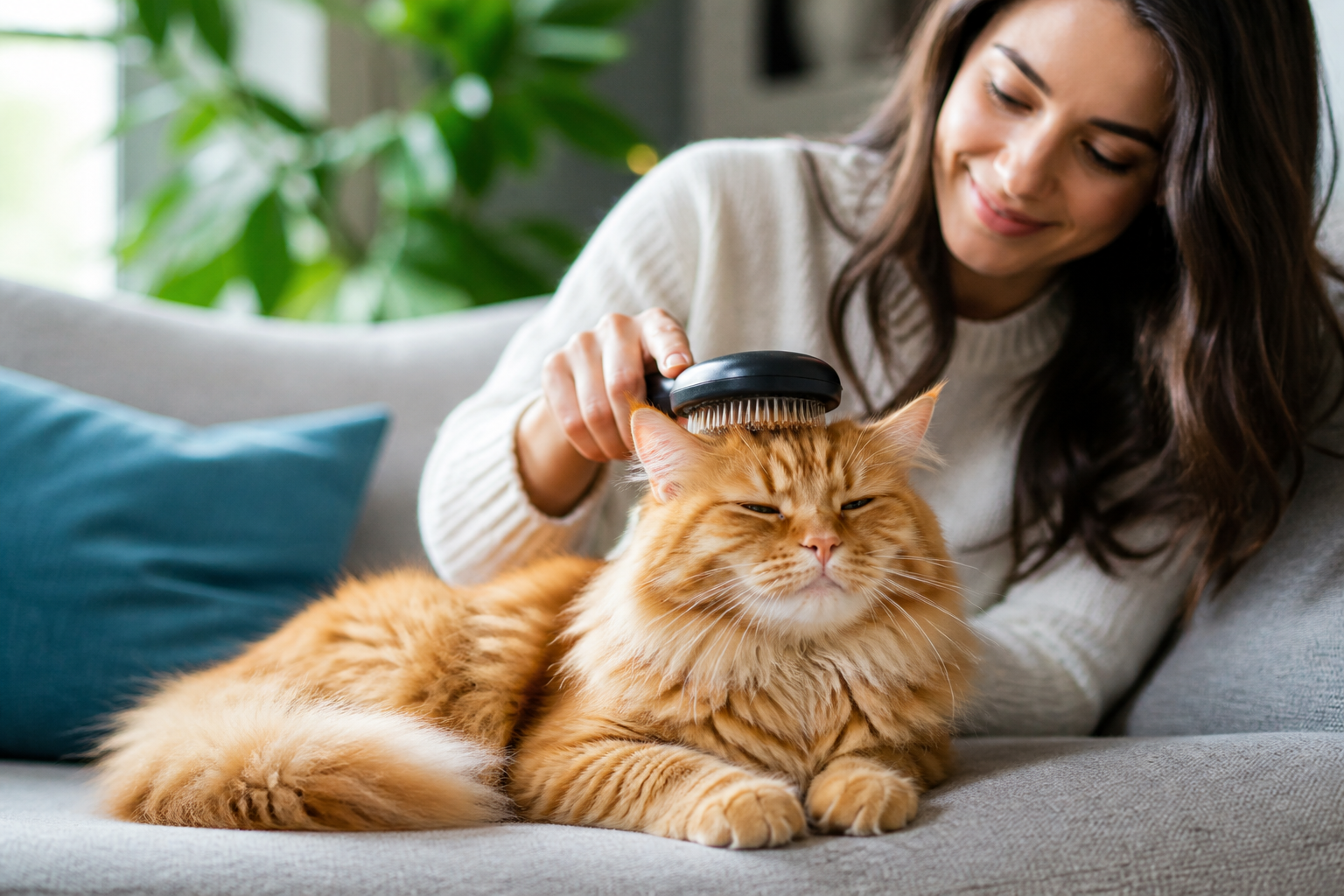
Brush your cat daily with a soft-bristled brush or a rubber grooming tool. This helps distribute natural skin oils across the coat.
Step 2: Add moisture to the diet.
Incorporate wet food into their daily meals. You can also add a small amount of warm water to their kibble to boost hydration.
Step 3: Introduce a skin supplement.
Talk to your vet about adding a fish oil or Omega supplement. These help nourish the skin from the inside out.
Step 4: Improve the environment.
Use a humidifier in the home. This prevents the air from pulling moisture out of your cat's skin during dry seasons.
Step 5: Monitor weight and mobility.
Keep your cat at a healthy weight so they can reach their back. If they have arthritis, discuss pain management options with your vet. For additional ideas, explore this guide to joint health and mobility.
Bathing a Cat with Dandruff
Most cats do not need regular baths. In fact, bathing a cat too often can strip away natural oils and make dandruff worse. However, if your cat's skin is very greasy or if they have a fungal infection, a medicated bath might be necessary.
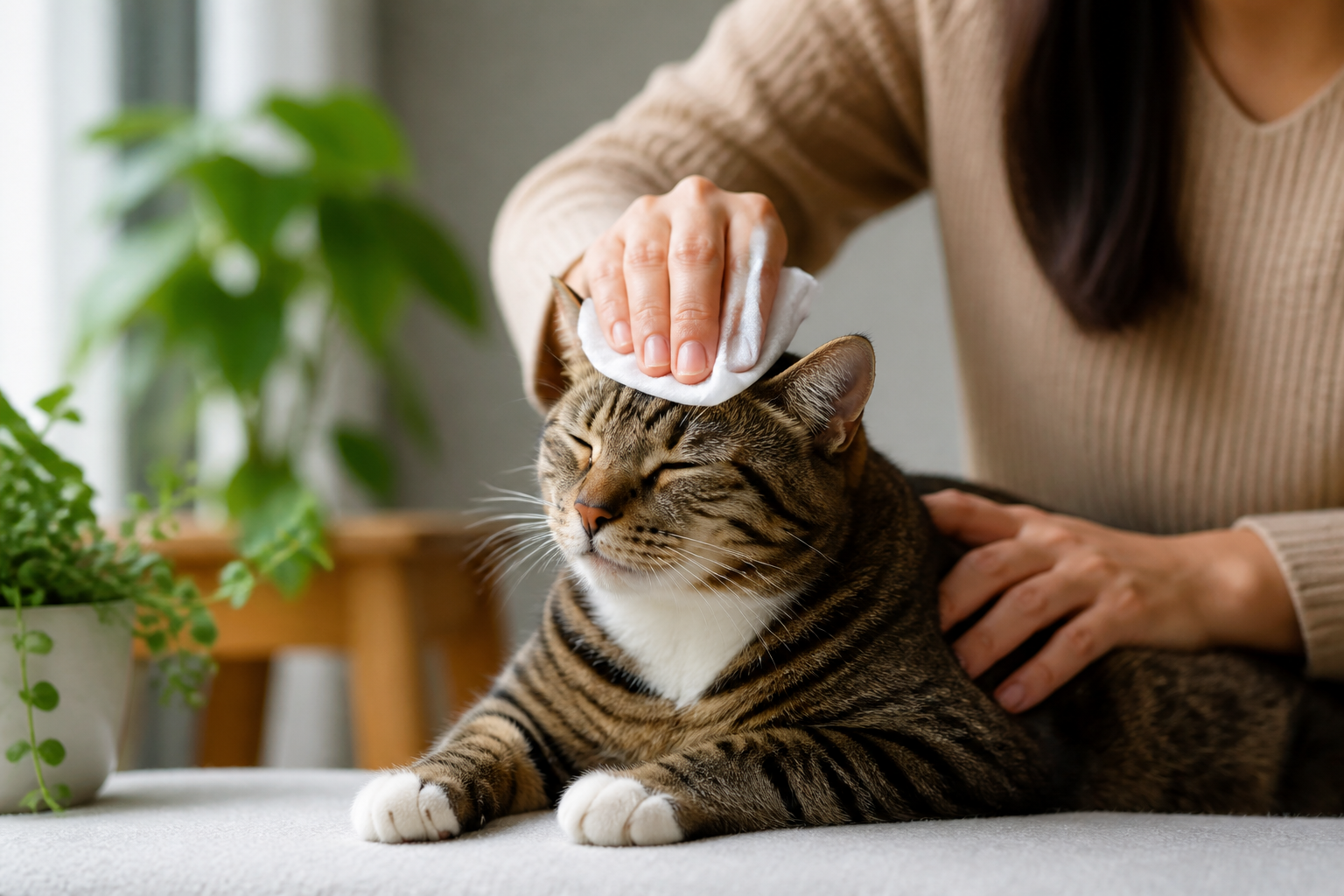
Always use a shampoo specifically formulated for cats. Human shampoos have a different pH balance and can be very irritating to feline skin. Look for ingredients like oatmeal or aloe vera to soothe the skin. If your cat finds water stressful, consider using grooming wipes or a waterless foam shampoo. These can remove flakes without the trauma of a full bath.
Key Takeaway: Only bathe your cat if it is medically necessary or if they are unable to clean themselves. Use gentle, cat-specific products to avoid further irritation.
When to See Your Veterinarian
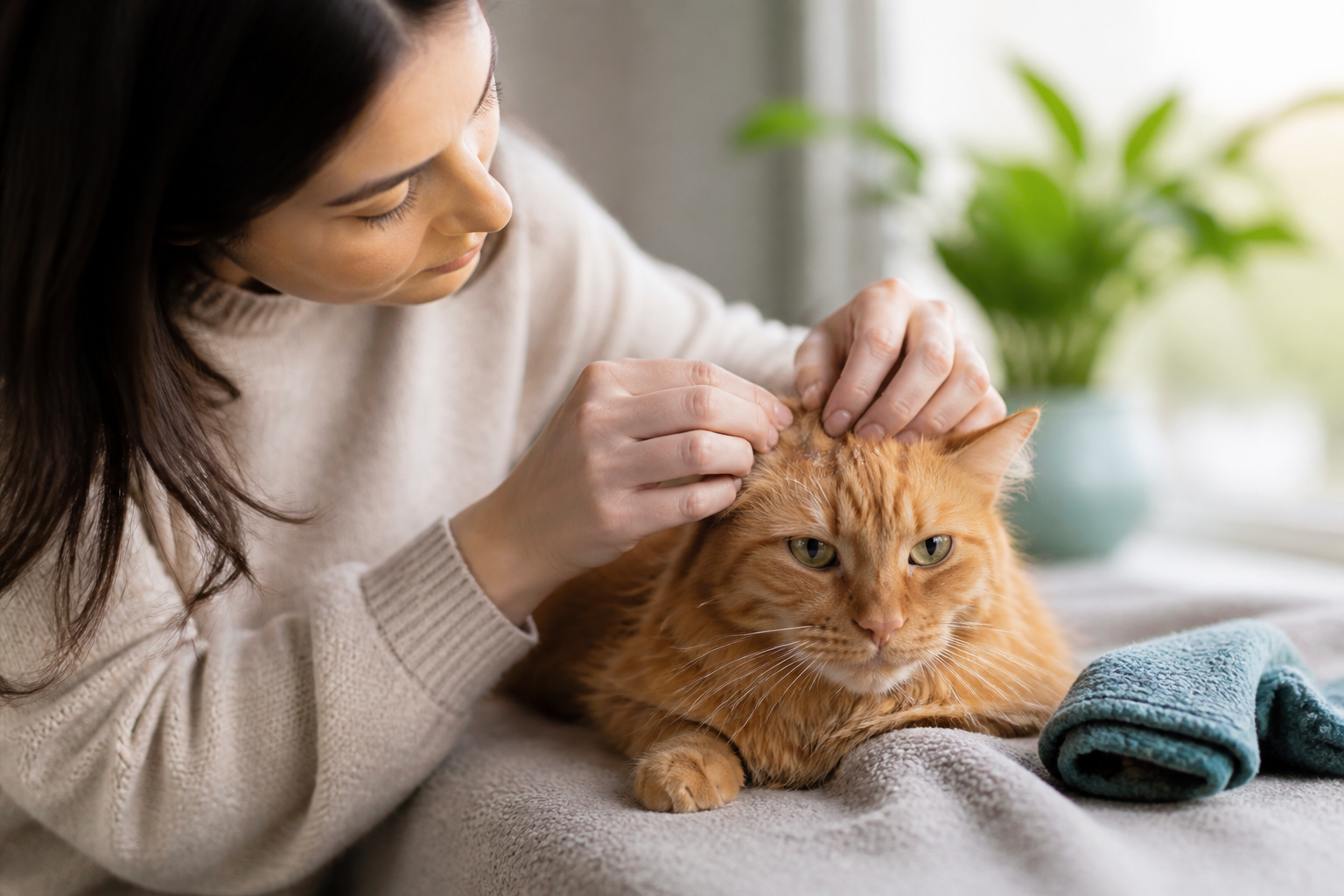
While a few flakes are usually not an emergency, dandruff can sometimes signal discomfort. You should know the "red flag" symptoms that require professional advice. A veterinarian can perform skin scrapings or blood tests to find the root cause.
Schedule a visit if you notice:
- Red, raw, or inflamed skin under the flakes.
- Patches of hair loss or thinning fur.
- Excessive scratching, biting, or licking at the skin.
- A sudden change in appetite or thirst.
- The flakes are accompanied by a bad odor.
If your cat needs ongoing medication or a special diet for skin health, our pharmacy team is here to help. Our partnership with Pet's Choice ensures you get the right products delivered to your door.
Conclusion
Seeing dandruff on your cat's back is a helpful signal from their body. It tells you that they might be struggling to groom, need better nutrition, or are reacting to dry air. By increasing grooming and focusing on a high-quality diet, you can usually clear up mild flaking. At BaxterBoo, we are committed to providing the tools you need for every stage of your cat's life. Whether it is a new brush or a specialized supplement, we want to help your cat feel their best.
To help your cat's skin stay healthy:
- Brush daily to distribute natural oils.
- Add Omega-3 supplements to their food.
- Maintain a healthy weight to ensure they can groom.
- Consult your vet for any persistent skin irritation.
Consider signing up for our Autoship programme for your cat's favorite food and supplements. This ensures you never run out and helps you save on every order.
FAQ
Is it normal for my cat to have a little dandruff?
A small amount of dandruff can be normal, especially during seasonal changes or as a cat ages. However, a large amount of visible flakes usually indicates a lack of grooming, dry air, or a nutritional deficiency. If the flakes are accompanied by itching or redness, it is best to consult a veterinarian.
Can I use human dandruff shampoo on my cat?
No, you should never use human dandruff shampoo on a cat. These products contain chemicals and scents that can be toxic or highly irritating to feline skin. Human skin and cat skin have different pH levels. Always use a shampoo specifically designed for cats, or consult your vet for a medicated recommendation.
Why does my senior cat have so much dandruff on his back?
Senior cats often develop dandruff because they lose the flexibility needed to groom their lower back. This is frequently due to arthritis or general joint stiffness. When they stop grooming those hard-to-reach spots, dead skin cells and loose hair build up and become visible as flakes.
Will changing my cat's food help with dandruff?
Yes, nutrition plays a major role in skin health. Foods high in Omega-3 and Omega-6 fatty acids help maintain the skin's moisture barrier. If your cat’s current diet is low in these essential fats, switching to a premium food or adding a fish oil supplement can significantly improve their coat quality.