Save 15% on your 1st Autoship learn more

 Email us
 Live Chat
 FAQs
FAQs





Introduction
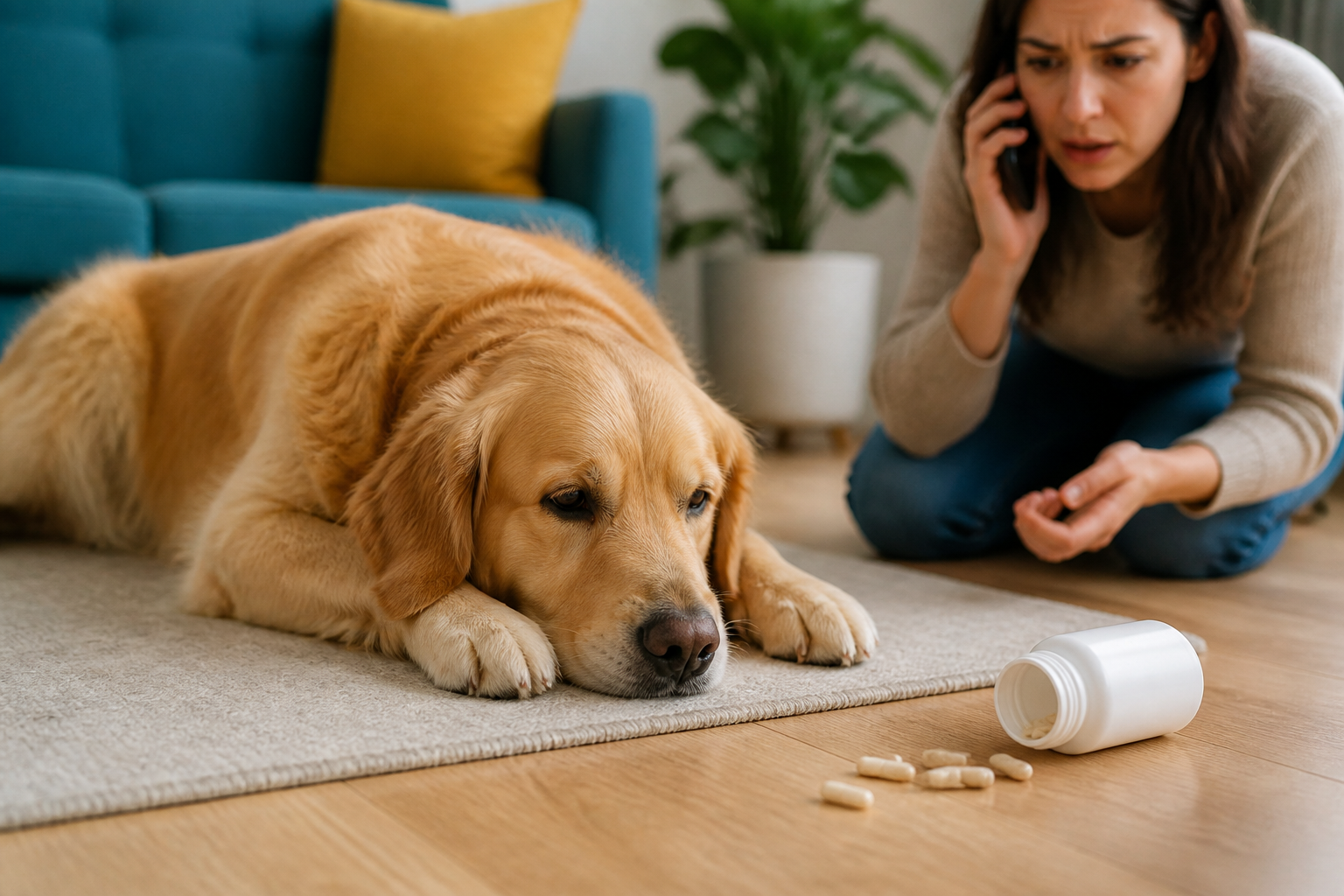
You walk into the living room and find a trail of white powder and a plastic lid with deep tooth marks. Your dog ate a whole bottle of probiotics while you were in the other room. At BaxterBoo, we know that pit-in-your-stomach feeling when a curious pup turns a supplement into a snack. This post covers the immediate steps you need to take and what symptoms to watch for in the coming hours. We will help you understand when a phone call to the vet is necessary and how to manage the inevitable tummy troubles. Most importantly, we want to help you determine if those probiotics contained ingredients more dangerous than the bacteria itself. Understanding the difference between a minor stomach ache and a medical emergency is the first step toward getting your dog back to their happy, wagging self.
Quick Answer: Most probiotic overdoses result in temporary digestive upset like diarrhea or gas rather than long-term toxicity. The primary danger usually comes from inactive ingredients like xylitol or excessive vitamins if the product was a multi-supplement.
Immediate Steps to Take
The moment you realize your dog has consumed a large volume of supplements, your priority is information gathering. Do not wait for symptoms to appear before you start looking at the packaging. Dogs are remarkably resilient, but the sheer volume of a full bottle can overwhelm even a large dog's digestive system.
Secure the Evidence
Pick up any remaining pieces of the bottle or the label. You need to know exactly how many chewables or capsules were in the bottle and how many are left. If the bottle is entirely empty, assume your dog ate the maximum amount. Take note of the brand name and the specific formulation. A "daily gut health" chew is different from a "maximum strength" clinical probiotic.
Check the Ingredient List
This is the most critical step for your dog's safety. While the probiotic bacteria itself is rarely toxic, the stuff that makes the pill taste good can be. Look specifically for:
- Xylitol (often listed as birch sugar or wood sugar)
- Vitamin D3 (Cholecalciferol)
- Iron
- Caffeine (if it was a human-grade energy-support probiotic)
Call for Professional Advice
If you see xylitol on the label, stop reading and call an emergency veterinarian or a pet poison control hotline immediately. Even a small amount of this sweetener can cause a life-threatening drop in blood sugar or liver failure. If the ingredients seem safe, a quick call to your regular vet is still a good idea. They can give you specific advice based on your dog's weight, age, and health history.
Key Takeaway: The "active" probiotics are rarely the problem. It is the "inactive" sweeteners and flavorings that usually cause the most danger.
Common Symptoms of Probiotic Over-Ingestion
If your dog ate a whole bottle of probiotics, their body is dealing with a massive influx of bacteria. Even though these are "good" bacteria, having too many at once disrupts the delicate balance of the gut. You will likely see symptoms within two to six hours of ingestion.
The most common reaction is gastrointestinal distress. Your dog's stomach might produce loud gurgling noises, a condition known as borborygmus. This is often followed by excessive gas. While uncomfortable and smelly, gas is a sign that the bacteria are active and moving through the system.
Loose stools or liquid diarrhea are very common. The gut tries to flush out the excess material as quickly as possible. Some dogs may also experience mild vomiting once or twice. As long as the vomiting is not persistent or accompanied by extreme lethargy, it is usually just the body’s way of clearing the stomach.
- Abdominal bloating or hardness
- Excessive flatulence
- Loss of appetite
- Mild restlessness or pacing
- Increased thirst
Vet Tip: If your dog experiences persistent vomiting or diarrhea that lasts more than 24 hours, contact your veterinarian to prevent dehydration. Small dogs and puppies are especially prone to becoming dehydrated quickly.
The Hidden Dangers: Inactive Ingredients
When a dog eats one or two chewable probiotics, the secondary ingredients are harmless. When they eat sixty to ninety chews, those tiny amounts add up to a dangerous dose. This is why human probiotics can be more dangerous than those formulated specifically for pets.
Xylitol and Sweeteners
Many human-grade "gummy" probiotics or sugar-free capsules use xylitol. In dogs, xylitol causes a rapid release of insulin. This leads to hypoglycemia, which can cause seizures or collapse within thirty minutes. If the bottle your dog ate was a human supplement, double-check for any artificial sweeteners.
Vitamin and Mineral Toxicity
Some probiotic supplements are marketed as "all-in-one" treats. These may contain significant amounts of Vitamin D, Vitamin A, or Iron. While these are necessary in small doses, a whole bottle can cause toxicity. High levels of Vitamin D can lead to kidney failure, while too much iron can damage the digestive lining and the liver.
Plastic and Packaging
If your dog chewed the bottle itself, there is a risk of a gastrointestinal blockage. Plastic shards can be sharp or get stuck in the narrow passages of the intestines. Watch for signs of straining to go to the bathroom or a total loss of appetite. These could indicate that the bottle, not just the pills, is the problem.
How the Body Processes Excess Probiotics
Probiotics are living microorganisms. When your dog takes a normal dose, these bacteria colonize the gut and help break down food. When a dog eats a whole bottle, the sheer volume of bacteria creates a state of temporary dysbiosis.
The body recognizes the excess and works to eliminate it. Because probiotics do not "build up" in the bloodstream like a chemical drug, they do not usually cause organ failure or systemic poisoning. The bacteria stay within the digestive tract. The primary mechanism of "overdose" is simply an extreme case of an upset stomach.
The excess bacteria may also compete for nutrients in the gut for a short time. This is why your dog might seem a little flat or tired the next day. Their body is spending a lot of energy managing the bacterial colony and the resulting inflammation in the intestinal lining.
Bottom line: Most "overdoses" of dog-specific probiotics result in a few days of messy cleanup rather than a medical crisis.
Managing Digestive Upset at Home
If your vet has confirmed that the ingredients are safe and your dog is just dealing with a standard upset tummy, you can manage their recovery at home. The goal is to soothe the digestive tract and prevent dehydration. For additional guidance on sensitive stomachs, read our article about the best dog food for sensitive stomachs.
The 12-Hour Fast
Consider skipping your dog's next meal to give the digestive system a break. This allows the inflammation in the gut to settle down. Always ensure they have access to fresh, clean water during this time. Do not withhold water unless specifically instructed by a vet.
Introduce a Bland Diet
Once the fasting period is over, do not go straight back to heavy kibble. Instead, offer small portions of boiled chicken breast and plain white rice. The ratio should be roughly one part meat to two parts rice. This is easy to digest and helps firm up the stool.
Monitor Hydration
Check your dog’s gums. They should be pink and slippery. If they feel tacky or dry, your dog might be getting dehydrated from diarrhea. You can offer plain Pedialyte or low-sodium chicken broth mixed with water to encourage them to drink more.
- Boiled chicken (no skin, no bones, no seasoning)
- Boiled white rice or plain canned pumpkin (not pie filling)
- Frequent, short potty breaks to accommodate loose stools
- A quiet place for the dog to rest
For dogs who need a specialized digestive option, explore our dog digestive health category.
When an Overdose Becomes a Veterinary Emergency
While we often think of probiotics as harmless, there are specific situations where you must seek immediate medical help. A dog's size plays a huge role here. A Great Dane eating a bottle of thirty pills is much less concerning than a five-pound Yorkie doing the same.
If your dog becomes extremely lethargic or "out of it," this is a red flag. It could indicate a blood sugar drop from xylitol or a severe electrolyte imbalance from dehydration. Similarly, if you notice blood in the stool or vomit, the digestive lining may be significantly irritated.
For dogs with underlying health issues, a probiotic overdose is more serious. Dogs with compromised immune systems, such as those undergoing chemotherapy, should be seen by a vet immediately. In these cases, the "good" bacteria can sometimes cross into the bloodstream, leading to a dangerous condition called sepsis.
Our pharmacy carries a variety of prescription diets and medications that can help during a recovery period. Through our partnership with Pet's Choice, we offer FDA-approved prescription foods from brands like Farmina Vet Life and Royal Canin. These diets are specifically formulated to support the gut during acute gastrointestinal episodes. If your vet recommends a prescription-strength recovery plan, we can help fulfill that order efficiently. Visit our pet pharmacy if your veterinarian prescribes a recovery diet or medication.
Vet Tip: Never induce vomiting at home unless a veterinarian specifically tells you to do so. In some cases, bringing the material back up can cause more harm to the esophagus or lead to aspiration pneumonia.
Supporting Long-Term Gut Health
Once the initial crisis has passed, you might be hesitant to give your dog probiotics again. However, these supplements are incredibly beneficial when used correctly. The key to gut health is consistency, not quantity.
A daily routine helps maintain the microbiome without overwhelming it. Most pet parents find that probiotics help with chronic gas, seasonal allergies, and consistent stool quality. To prevent another "whole bottle" incident, treat supplements like any other medication. Store them in a high cabinet or a locked drawer. Many pet probiotics are flavored with liver or cheese, making them smell like high-value treats to a dog.
We carry over 500 trusted brands including Zesty Paws, Honest Paws, and Stella and Chewy's. These brands offer clear dosing instructions that help you stay on track. You can browse our dog probiotic and digestive health supplements when you are ready to choose a pet-formulated option.
If you find yourself constantly running out or forgetting to reorder, our Autoship programme is a great solution. It ensures you always have the right amount on hand, and it even includes a free MVP Gold membership for extra savings.
Step 1: Wait until your dog has had normal stools for at least 48 hours.
Step 2: Start back with half of the recommended daily dose.
Step 3: Monitor for any returning gas or loose stools.
Step 4: Transition back to the full daily dose after three to five days.
Key Takeaway: Proper storage is the best way to prevent a supplement overdose. Treat your dog's probiotics with the same caution as your own medications.
Safety First for Curious Dogs
It is easy to feel guilty when your dog gets into something they shouldn't. Remember that dogs explore the world with their mouths, and supplement manufacturers make these products taste great on purpose. As long as you have checked for dangerous additives and monitored your dog’s symptoms, the most likely outcome is a few days of extra walks and a bland diet.
At BaxterBoo, we have been helping pet owners since 2006 with everything from basic gear to complex health needs. Our goal is to provide the products and knowledge you need to keep your pets safe. Whether you are restocking your supplies through our Frequent Buyer Program or looking for advice on senior dog mobility, we are here to support you.
If your dog's stomach issues continue after the probiotics have cleared their system, it might be time to look at their overall diet. We offer a wide range of premium foods like Open Farm, Acana, and Orijen that prioritize gut health through high-quality ingredients. For now, focus on hydration and rest. Your pup will be back to their mischievous self in no time.
For more information about how probiotics fit into a broader supplement routine, read our pet supplement guide.
Bottom line: A probiotic overdose is usually a digestive inconvenience rather than a life-threatening event, provided there are no toxic sweeteners involved.
FAQ
Will my dog be okay after eating a whole bottle of probiotics?
In the vast majority of cases, yes. Most dogs will only experience temporary digestive upset like diarrhea, gas, and a gurgling stomach. The main concern is whether the pills contained other ingredients like xylitol or high levels of certain vitamins, which can be toxic.
Should I take my dog to the vet immediately?
You should call your vet or poison control right away to check the ingredients on the label. If the supplement contains xylitol or if your dog is very small, a vet visit is necessary. If the ingredients are safe, your vet may suggest monitoring them at home for digestive changes.
Can I give my dog human probiotics?
While some human probiotic strains are safe, human supplements often contain higher doses or sweeteners like xylitol that are toxic to dogs. It is always safer to use products specifically formulated for pets, like those we carry from Zesty Paws or NutriSource, to ensure the dosage and ingredients are dog-safe.
How do I stop the diarrhea after my dog ate too many probiotics?
A 12-hour fast followed by a bland diet of boiled chicken and white rice is the most effective way to settle their stomach. Ensure they have plenty of water to stay hydrated. If the diarrhea is severe or lasts more than 24 hours, contact your vet to discuss a prescription recovery diet or medication.