Save 15% on your 1st Autoship learn more

 Email us
 Live Chat
 FAQs
FAQs





Introduction
You are petting your cat and notice a dusting of white flakes along their lower back. On a dark-coated cat, these specks stand out clearly. You might wonder if you should reach for a bottle of shampoo or if there is a more holistic approach to take. At BaxterBoo, we know that cat skin health is a window into their overall well-being. This guide covers how to identify the causes of those flakes and provides practical, natural steps to restore your cat's glossy coat. We will look at dietary changes, grooming techniques, and environmental adjustments that help manage dry skin. Understanding these options helps you decide when a home remedy is enough and when a veterinary visit is necessary.
Understanding Feline Dandruff
Dandruff is not a disease itself. It is a symptom of skin cells shedding faster than the body can manage them. While every cat sheds microscopic skin cells called dander, dandruff consists of larger flakes you can see with the naked eye. These flakes often appear when the skin barrier is compromised. When the skin loses its ability to hold moisture, it becomes dry, itchy, and prone to flaking.
You might notice these flakes most often near the base of the tail or along the spine. This is because these areas are often the hardest for a cat to reach during their daily grooming routine. If a cat stops grooming effectively, these skin cells build up quickly.
Quick Answer: Natural remedies for cat dandruff include adding Omega-3 fatty acids to the diet, increasing hydration, and using a humidifier. Regular brushing also helps by distributing natural skin oils across the coat.
Dandruff vs. Flea Dirt
Before starting a natural treatment, you must be sure you are dealing with dandruff. Some owners mistake flea dirt for dandruff. Flea dirt looks like small specks of black pepper. If you place those black specks on a wet paper towel and they turn red, you are dealing with flea waste, not dry skin. True dandruff will always be white or clear and will not change color when wet.
The Role of Omega-3 Fatty Acids
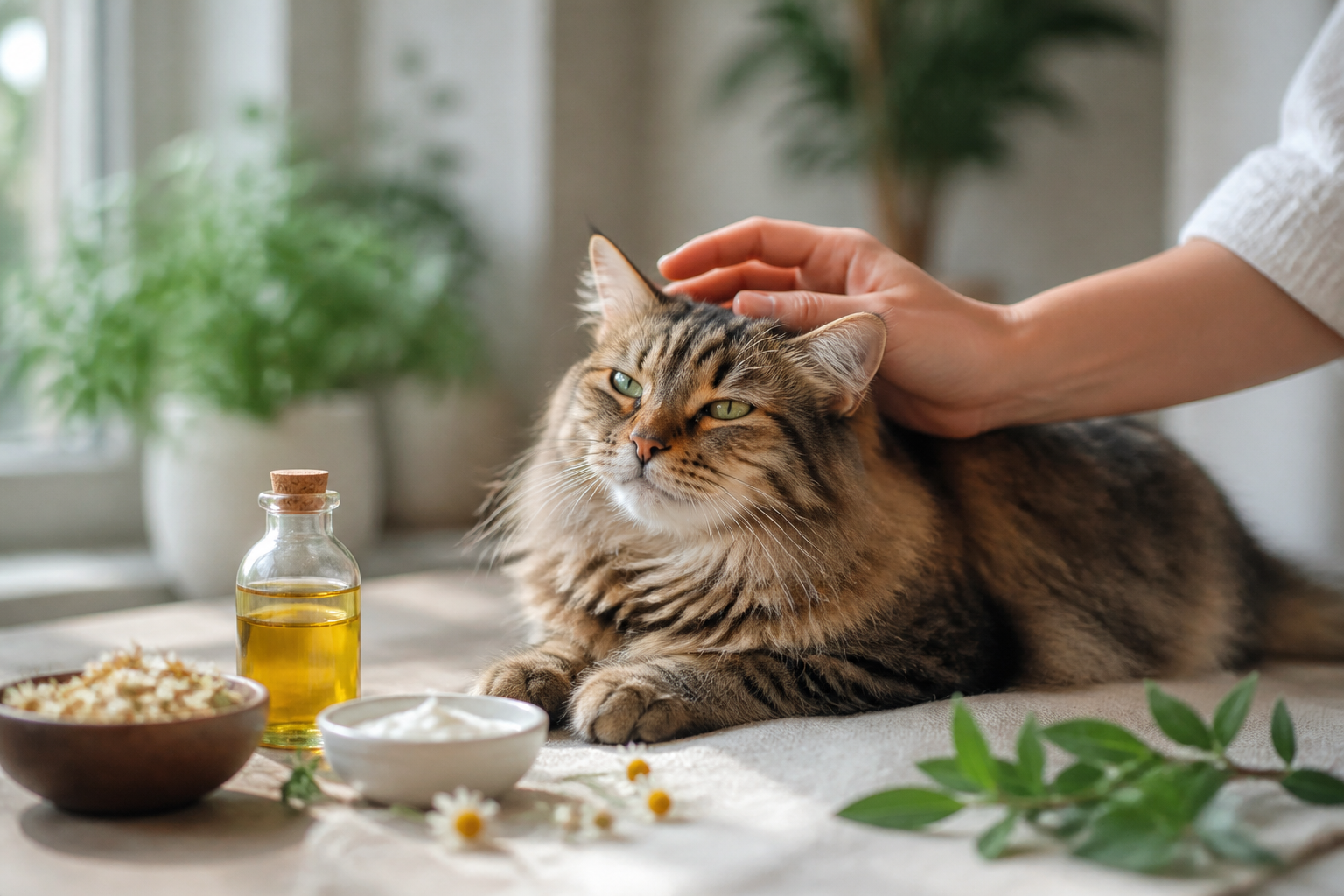
One of the most effective natural ways to combat dry skin is from the inside out. Essential fatty acids, specifically Omega-3s found in fish oil, act as a natural anti-inflammatory for the skin. They help strengthen the skin barrier and improve the quality of the sebum, which is the natural oil cats produce to keep their fur soft.
Many commercial cat foods are processed at high heat. This heat can destroy the fragile fatty acids that cats need for skin health. Adding a high-quality supplement can bridge this gap. We carry several brands like Zesty Paws and Honest Paws that offer salmon oil or green-lipped mussel oil designed specifically for feline biology.
Selecting the Right Supplement
When looking for a supplement, look for purity and sustainability. Wild-caught fish oils often have fewer contaminants than farm-raised options. You can easily pump these oils directly onto your cat's wet or dry food. Most cats enjoy the taste, making it one of the easiest remedies to implement.
Key Takeaway: Omega-3 supplements support the skin's moisture barrier and reduce inflammation from the inside out. This makes the skin less reactive to environmental triggers like dry air.
Hydration as a Skin Remedy
Cats have a low thirst drive. In the wild, they get most of their moisture from their prey. If a cat eats only dry kibble, they may live in a state of mild, chronic dehydration. This lack of internal moisture quickly shows up as dry, flaky skin.
Moving Toward Wet Food
Increasing moisture intake is a powerful natural remedy. You can do this by incorporating more wet cat food into their diet. Brands like Tiki Cat, Fussie Cat, and Weruva offer high-moisture recipes that mimic a cat's natural diet. The extra water helps keep skin cells plump and healthy.
Fresh Water Solutions
Some cats are picky about their water source. They may prefer running water over a still bowl. Using a pet fountain can encourage more frequent drinking. Keeping water bowls away from the litter box and using ceramic or stainless steel instead of plastic can also make water more appealing. Plastic can harbor bacteria and odors that turn cats away from their water.
Environmental Adjustments for Skin Health
The air inside your home significantly impacts your cat's skin. During the winter, heating systems strip moisture from the air. This dry environment pulls moisture out of your cat's skin and coat.
Using a Humidifier
Adding a humidifier to the rooms where your cat spends the most time is a simple, non-invasive remedy. Aim for a humidity level between 40% and 50%. This helps prevent the skin from drying out and can even reduce the amount of static electricity in their fur.
Sun Exposure and Temperature
While cats love a good sunbeam, excessive heat can dry out the skin. Ensure your cat has access to cool, shaded areas. If your cat is a hairless breed or has very thin white fur, be mindful of sunburn, which can cause peeling and flaking that looks like dandruff but is actually damaged tissue.
Natural Grooming Practices
Brushing is more than just a way to bond with your pet. It is a functional treatment for dandruff. When you brush your cat, you are manually removing dead skin cells before they can clump together into visible flakes. You are also stimulating blood flow to the skin surface.
Distributing Natural Oils
Cats produce natural oils in their skin. When a cat is sedentary or older, these oils can sit at the base of the hair follicle. Brushing helps pull these oils down the entire length of the hair shaft. This provides a natural protective coating for the fur and moisturizes the skin underneath.
Choosing the Right Tools
Avoid harsh metal scrapers that might irritate sensitive skin. A rubber grooming tool like the Kong ZoomGroom is excellent for cats with dandruff. The soft rubber fingers massage the skin and grab loose hair without scratching. For long-haired cats, a soft slicker brush can help prevent mats, which often trap dandruff against the skin. Our cat grooming supplies include brushes, combs, and other coat-care tools.
Step 1: Choose a quiet time. / Pick a moment when your cat is relaxed and purring. Step 2: Start gently. / Begin at the head and move toward the tail using long, slow strokes. Step 3: Focus on the lower back. / Spend extra time on the base of the tail where dandruff often accumulates. Step 4: Wipe down. / Use a damp, soft cloth after brushing to pick up any loose flakes you unearthed.
For additional grooming guidance, read how to care for a cat’s whiskers during grooming.
Managing Weight for Skin Health
It may seem strange to link weight to dandruff, but obesity is a leading cause of flaky skin in cats. If a cat is overweight, they physically cannot reach their middle and lower back to groom. This leads to a buildup of oils and dead skin cells.
Diet and Activity
Helping your cat reach a healthy weight allows them to resume their natural grooming habits. We recommend looking into high-protein, low-carb foods from brands like Farmina or Open Farm to support a lean body condition. Combining a better diet with interactive play using toys from Jackson Galaxy can help your cat shed the extra pounds.
Vet Tip: If your cat has stopped grooming and has excessive dandruff, it could be due to arthritis or dental pain rather than just weight. Consult your veterinarian to rule out pain as the underlying cause for lack of self-care.
When to Consider the BaxterBoo Pharmacy
Sometimes natural remedies like oil supplements and brushing are not enough. If your cat's dandruff is accompanied by red sores, hair loss, or intense itching, there may be an underlying medical issue like a fungal infection or mites. These conditions require professional intervention.
Our cat healthcare collection offers products for a wide range of feline health needs. If your vet determines that your cat needs a prescription skin support diet or a medical-grade flea and tick preventive, you can easily manage those needs through us. Many prescription diets, such as Farmina Vet Life, are formulated specifically to manage the skin barrier for cats with chronic issues.
Walking Dandruff: A Specific Concern
There is a specific parasite called the Cheyletiella mite. Because these large white mites move around under the scales of the skin, the condition is often called walking dandruff. If you look closely at your cat's flakes and they appear to be moving, this is not a dry skin issue. It is a highly contagious parasitic infestation.
In this case, natural oils will not help. You will need a veterinarian to prescribe an appropriate anti-parasitic treatment. Our pharmacy carries many of the most trusted flea and tick preventives that also target mites. Getting a proper diagnosis ensures you are not treating a parasite with a moisturizer, which would only delay healing.
For broader parasite-prevention guidance, see this guide to flea and tick prevention.
Stress and Skin Reactivity
Cats are sensitive to changes in their environment. A new pet, a move, or even a change in your work schedule can cause stress. Stress triggers a release of cortisol, which can affect the skin's health and lead to sudden "flare-ups" of dandruff.
Creating a Calm Environment
Natural stress relief can improve skin health. Using pheromone diffusers or providing more vertical space for your cat can lower their anxiety levels. When a cat feels safe, their immune system functions better, and their skin is less likely to become reactive and flaky.
Learn more about reducing stress and supporting feline immune health.
Nutrition Checklist for Healthy Skin
When reviewing your cat's food, check for these specific components that support skin health:
- High-quality animal protein as the first ingredient
- Specific sources of Omega-3 and Omega-6 fatty acids
- Vitamin E and Vitamin A for skin cell regeneration
- Biotin to support coat strength
- No artificial dyes or fillers that might trigger sensitivities
Bottom line: Healthy skin starts with a balanced diet and high moisture intake to keep the skin cells hydrated.
Summary of Natural Approaches
Addressing cat dandruff naturally involves looking at the cat as a whole. You cannot simply fix the flakes without addressing the environment, the diet, and the cat's physical ability to groom.
- Increase humidity in your home to at least 40% during winter months.
- Add a fish oil supplement to daily meals to support the skin barrier.
- Switch to or add wet food to ensure proper internal hydration.
- Brush your cat daily to distribute oils and remove dead cells.
- Monitor your cat's weight to ensure they can groom themselves effectively.
Conclusion
Managing cat dandruff is a journey of small, consistent changes. By focusing on hydration, high-quality nutrition, and regular grooming, you can often clear up mild flaking within a few weeks. Remember that the skin takes time to heal and regenerate, so patience is key. If you find that home remedies are not providing the relief your cat needs, don't hesitate to involve your veterinarian. We are here to support you with everything from grooming tools and premium foods to prescription medications through our pharmacy. Our goal is to help your cat feel comfortable in their own skin again.
Bottom line: Consistent grooming and Omega-3 supplementation are the most effective natural ways to eliminate common cat dandruff.
FAQ
Can I use coconut oil on my cat's dandruff?
You can apply a very small amount of organic coconut oil topically to dry patches, but it is often better to add it to their food in tiny amounts. Cats will naturally lick off anything you put on their fur, so ensure any oil used is food-grade. Using too much topically can lead to greasy fur and may cause your cat to over-groom the area.
How long does it take for natural remedies to work?
Skin cells take about three weeks to turn over in a cat. You should expect to see a noticeable improvement in your cat's coat within 21 to 30 days of starting a new supplement or dietary change. If you see no improvement after a month, the cause might be an underlying health issue that needs a vet's attention.
Should I give my cat a bath to get rid of dandruff?
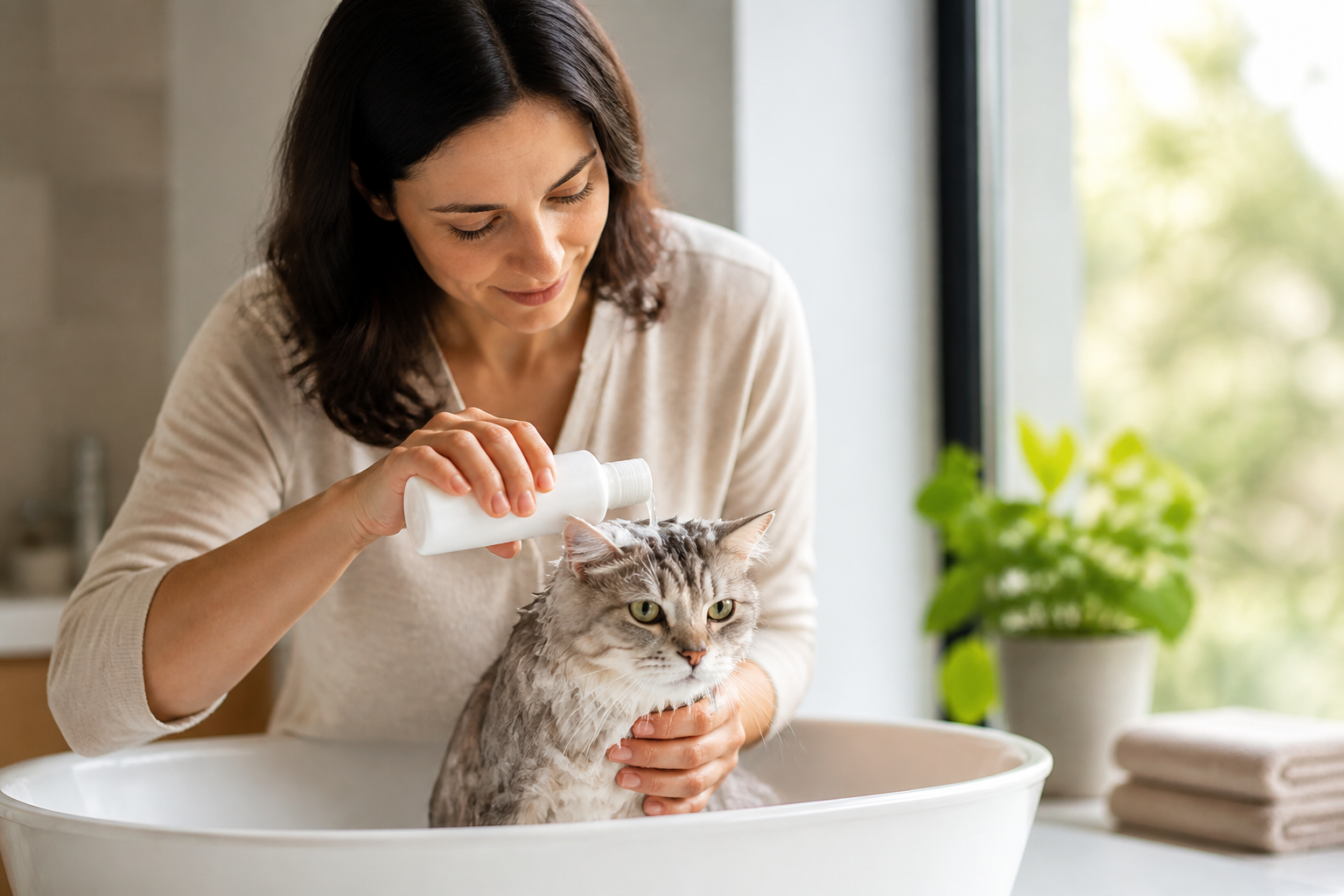
Bathing is usually not recommended for cat dandruff unless specifically suggested by a vet for a skin infection. Most cats find baths highly stressful, and stress can actually make skin conditions worse. Frequent bathing also strips away the natural oils that the skin needs to stay hydrated, potentially increasing the flaking.
Is dandruff in cats a sign of an allergy?
Yes, dandruff can be a sign of both food and environmental allergies. If the flaking is accompanied by red skin, constant licking, or ear infections, your cat might be reacting to an ingredient in their food or something in the air. A limited-ingredient diet from our selection of cat food can often help identify and resolve these sensitivities.