Save 15% on your 1st Autoship learn more

 Email us
 Live Chat
 FAQs
FAQs





Introduction
You might notice white flakes on your cat's favorite sleeping spot or see them peppered across their fur during a petting session. While a few flakes are common as cats age, a sudden increase in senior cat dandruff usually signals a change in their health or daily routine. At BaxterBoo, we know that older cats have unique needs when it comes to their skin and coat. This guide covers why these flakes appear and how you can help your feline friend feel comfortable again. We will look at grooming habits, nutritional needs, and environmental factors that affect aging skin. Understanding these causes helps you determine when a simple brushing routine is enough and when a vet visit is necessary for your cat's well-being.
Quick Answer: Senior cat dandruff is often caused by reduced grooming due to arthritis or obesity. It can also stem from nutritional gaps, low humidity, or underlying medical conditions like kidney disease. Regular brushing and high-quality fatty acid supplements often help manage the flakes.
Understanding Why Senior Cats Develop Dandruff
Dandruff is a collection of dead skin cells that have clumped together. In younger cats, regular grooming usually removes these cells before you ever see them. As cats enter their senior years, their ability to maintain their coat often declines. This is not usually a sign of laziness. Instead, it is often a physical limitation that makes reaching certain spots difficult or painful.
The most common reason for flakes on an older cat's lower back is limited mobility. If a cat has arthritis, bending and twisting to reach the base of the tail becomes a chore. You might notice that the dandruff is concentrated in areas where they can no longer reach with their tongue. Obesity also plays a major role. If a cat carries extra weight, they simply cannot reach every part of their body to groom effectively. For additional guidance, read about finding the best arthritis medicine for your cat.
Vet Tip: If you notice that your cat has stopped grooming specific areas, schedule a checkup to screen for osteoarthritis. Managing joint pain can often restore their ability to care for their own coat. Our pharmacy offers FDA-approved medications through our partnership with Pet's Choice that can help manage chronic pain under your vet's guidance.
The Role of Nutrition in Skin Health
What goes into your cat's body shows up on their skin. Senior cats sometimes have a harder time absorbing nutrients or may need higher levels of specific fats to maintain skin elasticity. A diet low in essential fatty acids often leads to a dull, brittle coat and flaky skin.
We carry several premium brands like Farmina, Stella and Chewy's, and The Honest Kitchen that focus on high-quality proteins and healthy fats. Omega-3 and Omega-6 fatty acids are particularly important. These nutrients help maintain the skin's natural moisture barrier. If your cat is on a prescription diet for a condition like kidney disease or hyperthyroidism, these illnesses can also impact skin health.
Key Nutrients for Senior Coats
- Omega-3 Fatty Acids: These help reduce inflammation in the skin and support joint health.
- Biotin and Zinc: These minerals support the production of keratin, the primary protein in fur.
- Vitamin E: This acts as an antioxidant to protect skin cells from damage.
Key Takeaway: A balanced diet is the first line of defense against dry skin. Transitioning to a senior-specific formula or adding a high-quality fish oil supplement can make a visible difference in coat quality within a few weeks.
Environmental Factors and Household Habits
The air inside your home changes with the seasons. During winter months, heating systems strip moisture from the air. This dry environment affects your cat just as much as it affects you. If your cat spends most of their time near a heat vent, their skin may dry out faster than usual.
Using a humidifier in the rooms where your cat sleeps can help. You should also look at their hydration levels. While dehydration itself is not the only cause of dandruff, it certainly does not help. Ensure your cat has access to fresh water at all times. Some senior cats prefer a water fountain, as the moving water encourages them to drink more.
Bottom line: Low humidity and poor hydration can turn a minor skin issue into a persistent dandruff problem for older felines.
Parasites and "Walking Dandruff"
Not all white flakes are simple dry skin. A specific mite called Cheyletiella can cause a condition known as walking dandruff. If you look closely at the flakes and notice they seem to move, your cat likely has a parasite infection. This condition is very itchy and can spread to other pets in the home.
Standard fleas can also cause skin irritation that leads to flaking. Even if your cat stays indoors, fleas can find their way inside. At BaxterBoo, we recommend keeping your senior cat on year-round flea and tick prevention. Explore our cat flea and tick collection for options suited to feline households. Because senior cats may have sensitivities, always consult your vet before starting a new parasite preventive.
Vet Tip: If you see redness, scabs, or your cat is scratching excessively, do not wait. Parasite infections and fungal issues like ringworm require specific medical treatments that over the counter shampoos cannot fix.
Improving Your Senior Grooming Routine
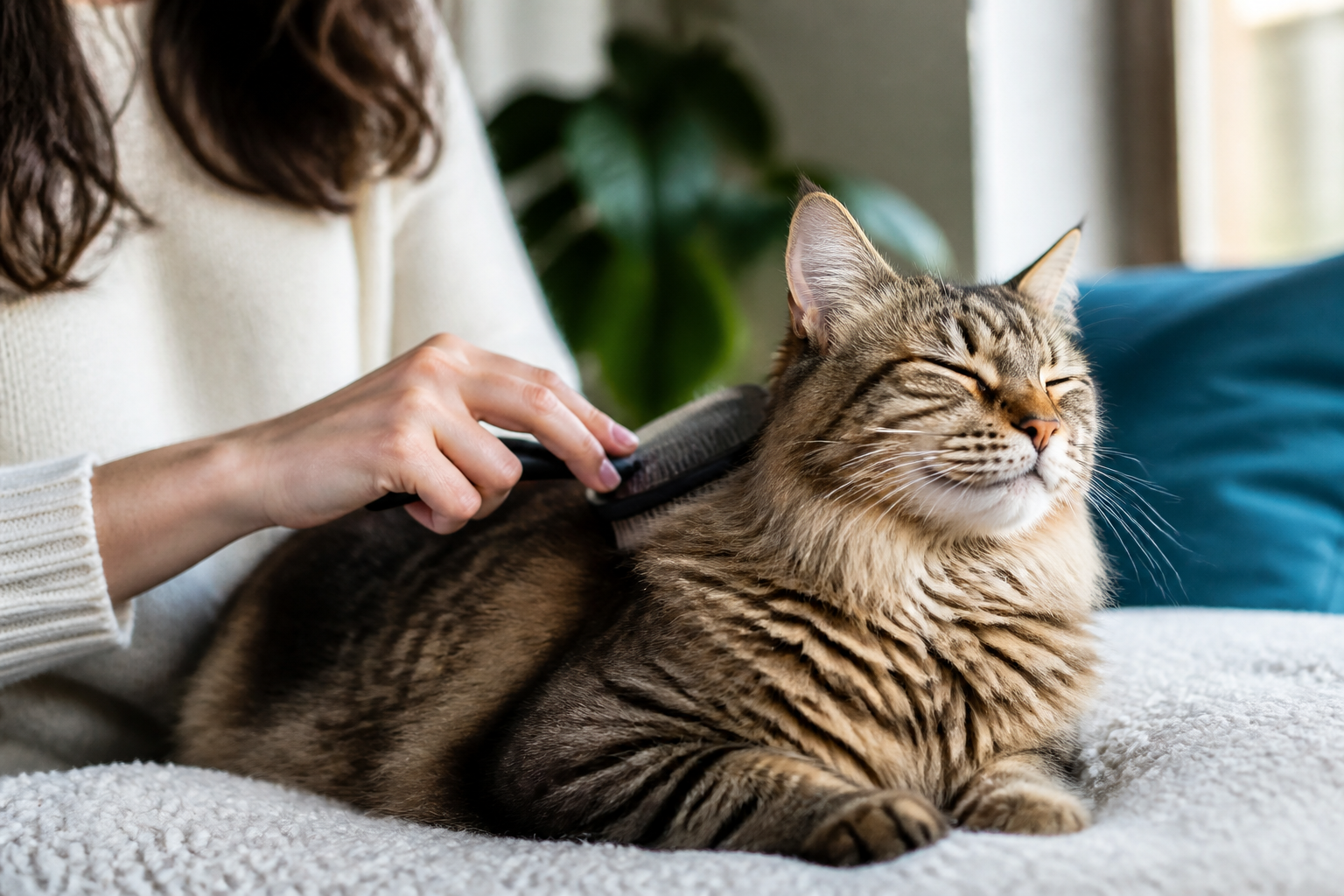
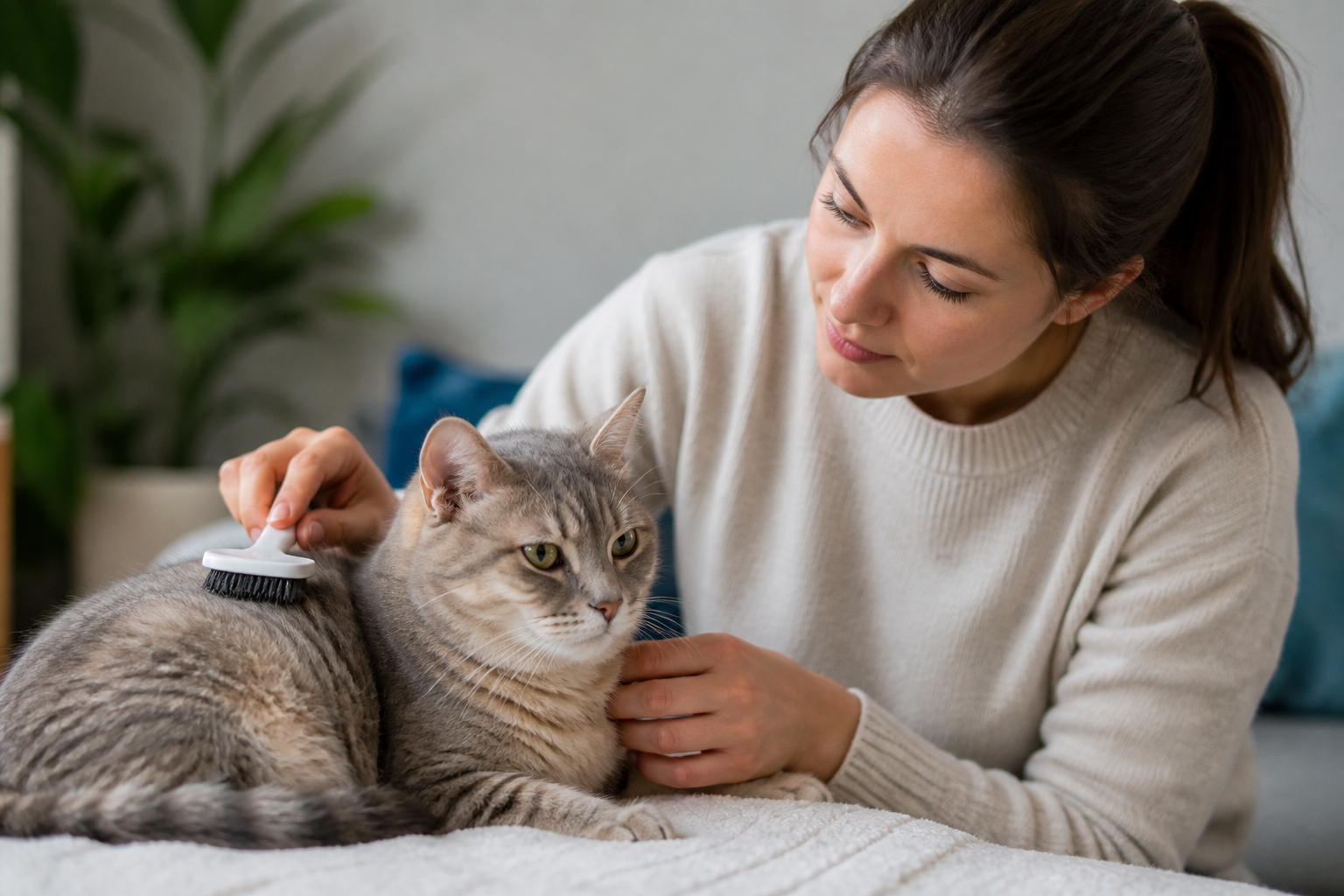
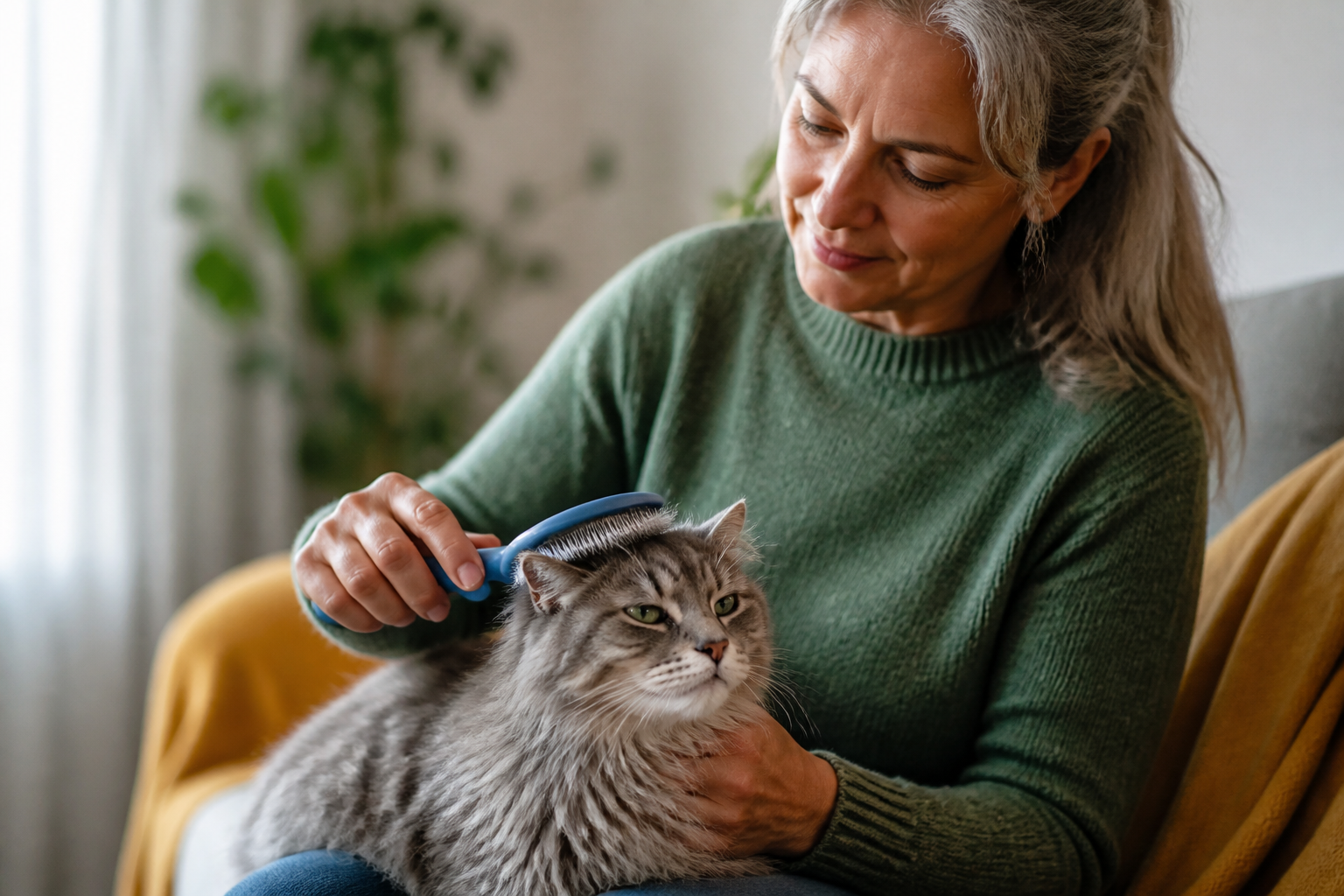
Since many older cats cannot groom themselves effectively, they rely on you to pick up the slack. Regular brushing is the most effective way to manage dandruff. It removes dead hair and skin while distributing natural oils across the coat. Assisted grooming can also be helpful for cats with mobility challenges.
Step 1: Choose a soft brush. / Senior cats have thinner skin and may have bony prominences from weight loss or muscle wasting. Use a soft slicker brush or a rubber grooming mitt to avoid causing discomfort.
Step 2: Focus on hard to reach areas. / Spend extra time on the lower back and the base of the tail. These are the spots where senior cat dandruff usually accumulates.
Step 3: Keep sessions short. / Older cats may have stiff joints and find it hard to stand or stay in one position for long. Aim for five minutes of gentle brushing once or twice a day.
Step 4: Use waterless shampoo if needed. / Most cats hate baths, and the stress of a full bath can be hard on a senior. A damp cloth or a cat-specific waterless shampoo can remove excess flakes without the trauma of a tub.
Key Takeaway: Gentle, daily grooming prevents dead skin buildup and provides a great opportunity to check your cat for new lumps, bumps, or sore spots.
When to See the Veterinarian
While most dandruff is a minor issue, it can sometimes be a symptom of a systemic problem. Senior cats are prone to conditions like diabetes, kidney disease, and hyperthyroidism. These diseases change how the body processes nutrients and manages hydration, which often results in a poor coat.
You should make an appointment with your vet if you notice:
- Patches of hair loss or thinning fur.
- Red, inflamed, or greasy skin.
- A foul odor coming from the skin or coat.
- Changes in thirst, appetite, or litter box habits.
- Lethargy or a sudden lack of interest in social interaction.
Your vet may perform a skin scraping to look for mites or order blood work to check organ function. If your cat requires a prescription diet or medication for an underlying condition, our pharmacy partnership with Pet's Choice makes it easy to get those items delivered right to your door. You can also explore our cat healthcare selection when discussing supportive care with your veterinarian.
Conclusion
Managing senior cat dandruff is mostly about providing a little extra support for your aging companion. By focusing on high-quality nutrition, regular gentle grooming, and a humid environment, you can keep their skin healthy and their coat shiny. We are here to help you through every stage of your pet's life with the products and expertise they deserve. Whether you need a new grooming tool or a specialized supplement, we have you covered.
- Check for mobility issues that hinder grooming.
- Enhance their diet with Omega fatty acids.
- Maintain a consistent brushing routine.
- Use flea and tick preventives year-round.
Bottom line: Consistent care and a watchful eye on your cat's mobility will help your senior cat stay flake-free and comfortable in their golden years. Our Autoship program is a great way to ensure you never run out of the supplements or grooming supplies your cat needs to stay healthy.
FAQ
Is it normal for an older cat to suddenly have a lot of dandruff?
It is common for senior cats to develop more dandruff, but a sudden increase is usually a sign that something has changed. It often indicates that the cat can no longer groom themselves properly due to pain or that an underlying health issue is affecting their skin. You should monitor their behavior and consult a vet if the flaking is accompanied by other symptoms.
Can I use my own dandruff shampoo on my senior cat?
No, you should never use human dandruff shampoos on cats. These products contain chemicals and medications that are formulated for human skin pH and can be toxic if your cat licks their fur. Always use products specifically designed for felines or consult your vet for a medicated shampoo recommendation.
Does dehydration cause dandruff in older cats?
Dehydration can lead to dry, less elastic skin, which may flake more easily. While it is rarely the sole cause of dandruff, it makes existing skin issues worse. Since many senior cats struggle with hydration due to kidney issues, providing multiple water sources or wet food can help support their skin health.
How often should I brush my senior cat to help with flakes?
For a senior cat with dandruff, a daily brushing session of five to ten minutes is ideal. This frequency helps keep dead skin and loose hair from building up without overtaxing their joints. Use a soft brush to ensure the experience is pleasant and does not irritate their sensitive skin.