
 Save 15% on your 1st Autoship learn more

 Email us
 Live Chat
 FAQs






Introduction
You are finally settling down for a quiet evening when a delivery truck rumbles down the street. Suddenly, your living room erupts in a chorus of frantic barks that could wake the entire neighborhood. You try to yell for silence over the noise, but it feels like you are just joining in on the shouting match. We understand how stressful this cycle is for both you and your dog. At BaxterBoo, we hear from pet owners every day who are looking for ways to manage vocal pets without losing their patience. This article covers why dogs bark and how to identify specific triggers. We will also walk through the exact training steps needed to restore peace in your home. The goal is not to have a silent dog, but to have a dog that knows when to stop.
Quick Answer: Effective dog barking training involves identifying the specific trigger, managing the environment to prevent the behavior from being practiced, and rewarding the dog for calm choices. Teaching a "Quiet" cue and redirecting your dog to a specific spot are the most reliable ways to reduce excessive noise over time.
Identifying Why Your Dog Barks
Before you can start any training program, you must understand the motivation behind the noise. Dogs do not bark just to be annoying. Barking is a primary form of communication. If you can figure out what your dog is trying to say, you can address the underlying need.
Territorial and Alarm Barking
This is the most common type of barking pet owners face. Your dog sees someone approaching the house and feels the need to alert the "pack" to a potential intruder. The stimulus can be the mail carrier, a squirrel, or even a neighbor walking their own dog. These barks are usually sharp, loud, and repetitive. Your dog often looks stiff and alert. For more context on what a bark may communicate, read our article about interpreting dog noises.
Attention-Seeking Barking
Some dogs learn very quickly that making noise gets a reaction. If you look at, talk to, or even scold your dog when they bark at you, they may view that as a reward. They might want a treat, a walk, or just a bit of playtime. This barking is often directed right at you and may be accompanied by a wagging tail or a toy in the mouth.
Boredom and Loneliness
Dogs are social animals that need mental and physical engagement. If a dog is left alone in a yard or a room for too long, they may bark simply because they have nothing else to do. This type of barking is often repetitive and can go on for hours. It sounds like a "broken record" and is frequently seen in dogs that lack adequate exercise or puzzle toys.
Frustration Barking
This happens when your dog wants something they cannot reach. It might be a ball stuck under the couch or a dog on the other side of a fence. The barking is a way to vent the built-up energy and annoyance of being restricted.
Key Takeaway: You cannot fix a barking problem until you know the "why" behind the "woof." Observe your dog's body language and the environment to narrow down the trigger.
Dog Behavioral Training




Management First: Stop the Rehearsal
Training takes time, but management can start today. Every time your dog barks at a trigger, they are practicing a habit. The more they practice, the stronger that habit becomes. Management is about changing the environment so your dog does not feel the need to bark in the first place.
Blocking the View
If your dog barks at people through the living room window, block the view. You can use removable window film that lets light in but obscures the shapes outside. Moving the couch away from the window can also prevent your dog from using it as a lookout post. Closing the curtains during high-traffic times of day is a simple and effective step.
Sound Management
Some dogs are sensitive to noises in the hallway or on the street. A white noise machine or a fan can help drown out these triggers. You can also play soft music or keep the television on at a low volume. This is especially helpful for dogs that bark at every little sound when they are home alone.
Increasing Fulfillment
A tired dog is usually a quieter dog. Make sure your dog is getting enough physical exercise through walks and fetch. Mental exercise is just as important. Use food puzzles or KONG toys to keep their brain busy. If their mind is focused on getting a treat out of a toy, they are less likely to worry about the neighbors.
Vet Tip: If your dog's barking starts suddenly or is accompanied by pacing and destruction, consult your veterinarian. Sudden vocalization can sometimes be a sign of pain or an underlying medical issue that needs professional diagnosis.
Teaching the "Quiet" Command
The "Quiet" command is a staple of dog barking training. The mistake most owners make is yelling the word while the dog is still barking. To your dog, it just sounds like you are barking along with them. You need to teach them that the word "Quiet" means silence results in a reward.
Step 1: Wait for a pause.
When your dog starts barking at a trigger, wait for a brief moment of silence. This might only be a second when they stop to take a breath.
Step 2: Use the cue.
The moment they are silent, say "Quiet" in a calm, firm voice. Do not shout.
Step 3: Reward immediately.
Immediately give them a high-value treat. Use something they love, like small bits of chicken or specialized training treats.
Step 4: Repeat and extend.
Continue this process every time they bark. Gradually wait for longer periods of silence before giving the treat. You want them to learn that staying quiet for ten seconds is more rewarding than barking for ten seconds.
Bottom line: Consistency is the only way the "Quiet" cue works; everyone in the household must use the same word and the same timing for rewards.
Using the "Go to Your Spot" Method
Teaching an incompatible behavior is often more effective than just asking a dog to stop barking. A dog cannot bark at the front door and lie on their bed in the kitchen at the same time. This is called "differential reinforcement."
Selecting the Spot
Choose a bed or a mat that is at least several feet away from the front door. This should be a place where your dog feels comfortable and safe. We carry a wide variety of durable dog beds in our warehouse that are perfect for this type of training.
Training the Association
Start by tossing a treat onto the bed and saying "Go to your spot." When your dog goes there, praise them and give them another treat. Practice this when there are no distractions. You want them to love going to their spot because it always means good things happen.
Adding the Trigger
Once your dog knows the command, have a friend knock on the door or ring the bell. Immediately give the "Go to Your Spot" command. If your dog goes to the bed instead of rushing the door, give them a jackpot of treats. This teaches them that the doorbell is a signal to go to their bed and wait for a snack.
- Practice "Go to Your Spot" 5 to 10 times a day without distractions.
- Keep a jar of high-value treats near the front door for easy access.
- Reward your dog for staying on the spot until you give a release word like "Okay."
When Barking Signals Anxiety
Not all barking can be solved with basic obedience. If your dog barks incessantly when you leave the house, they may be suffering from separation anxiety. This is a complex condition that requires a different approach. You might notice other signs like drooling, destructive chewing, or trying to escape. Our article on why dogs whimper at night also discusses anxiety and the importance of considering what else may be behind a vocal behavior.
In these cases, we strongly recommend talking to your veterinarian about a comprehensive plan. Our pharmacy offers FDA-approved medications through our partnership with Pet's Choice. These medications can help lower your dog's anxiety levels so that behavioral training can actually take root. A dog in a state of panic cannot learn new commands.
We also carry a range of calming aids in our dog anxiety and calming category. Products like pheromone diffusers or calming chews from Zesty Paws can support a more relaxed environment. However, if the barking is severe, a prescription from your vet is often the most compassionate and effective next step.
Key Takeaway: Anxiety-based barking is a medical concern. Combining professional veterinary advice with consistent training and the right calming tools offers the best chance for a quiet home.
Desensitization and Counter-Conditioning
If your dog barks at specific sights, like other dogs on walks, you need to change their emotional response to those sights. This is called counter-conditioning. You are teaching them that the thing they "hate" is actually a signal for something they love.
Finding the Threshold
The threshold is the distance at which your dog notices the trigger but does not yet bark. If your dog barks at other dogs from ten feet away, their threshold might be twenty feet. You must start training at a distance where they can still focus on you.
Changing the Association
When your dog sees the trigger from a distance, start feeding them high-value treats continuously. As soon as the trigger is out of sight, the treats stop. You want your dog to think, "I love seeing that other dog because it makes treats fall from the sky!"
Closing the Gap
Over several weeks, you can slowly move closer to the trigger. If your dog starts barking, you have moved too fast. Back up and increase the distance again. This process requires a lot of patience, but it solves the root of the problem rather than just masking the noise.
Bottom line: Counter-conditioning turns a "scary" or "exciting" trigger into a neutral or positive cue for a reward.
Essential Tools for Barking Training
Having the right gear makes the training process much smoother. You do not need expensive electronic gadgets to see results. Simple, high-quality tools are often the best choice for positive reinforcement training.
| Tool | Purpose | Why it Works |
|---|---|---|
| High-Value Treats | Reinforcement | Motivates the dog to choose silence over barking. |
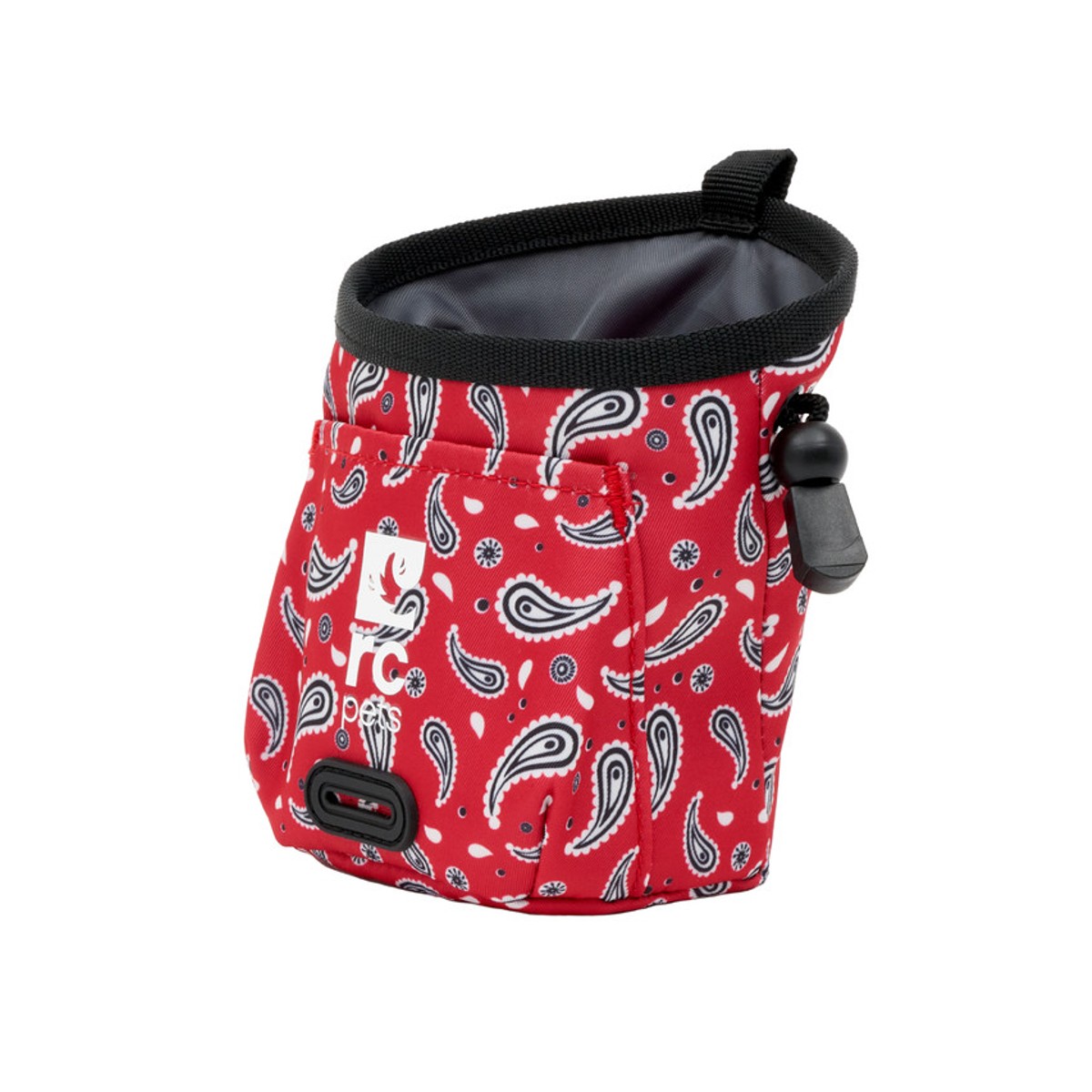
| Training Pouch | Convenience | Keeps rewards within reach so your timing is perfect. |
| Puzzle Toys | Boredom Relief | Keeps the dog occupied so they don't bark from lack of stimulation. |
| Head Halter | Control | Allows you to gently redirect your dog's head away from a trigger. |
| Long Lead | Safety | Useful for practicing "Quiet" or "Come" in the yard or park. |
For practical ideas on selecting rewards for training sessions, see our guide to dog training treats.
Common Mistakes to Avoid
Many well-meaning owners accidentally make barking problems worse. Awareness of these common pitfalls will help you stay on the right track.
Yelling at Your Dog
As mentioned earlier, yelling "Shut up" or "Be quiet" sounds like barking to your dog. It increases the energy and excitement in the room. Even if it works for a second, it is usually because the dog is startled, not because they have learned a new skill.
Inconsistency
If you let your dog bark at the mail carrier on Monday but scold them for it on Tuesday, they will be confused. Everyone in the family needs to follow the same rules. If the rule is "no barking at the window," it must be enforced every single time.
Using Punishment
Harsh corrections or shock collars can lead to increased anxiety and fear. A dog that is afraid may stop barking, but they might start biting instead. Positive reinforcement builds a bond of trust and creates lasting behavior changes without negative side effects.
Ignoring the Root Cause
If your dog is barking because they are hungry or need a bathroom break, no amount of "Quiet" training will help. Always ensure your dog's basic needs are met before assuming the barking is a behavioral problem.
Managing Your Own Expectations
It is important to remember that you live with a dog, not a robot. A few alert barks when someone knocks on the door is perfectly normal and even helpful. You should not aim for 100% silence. Instead, aim for a dog that barks a couple of times and then stops when you ask.
Be patient with the process. If your dog has been barking at the doorbell for five years, they will not stop in five days. Celebrate small wins. If your dog barks for one minute instead of five, that is progress. Keep your training sessions short, positive, and upbeat.
We have been helping pet owners since 2006, and we know that every dog learns at their own pace. Using quality rewards and staying consistent is the secret to success. If you are ever feeling overwhelmed, do not hesitate to reach out to a professional trainer who uses positive reinforcement methods. You can explore our dog training and behavior supplies for tools to support practice at home.
Key Takeaway: Success in dog barking training is measured by better communication and quicker recovery from triggers, not just silence.
Conclusion
Training a dog to bark less is one of the most rewarding challenges you can take on. By identifying triggers, managing the environment, and using consistent cues like "Quiet," you can significantly reduce the noise level in your home. Remember to prioritize your dog's mental and physical health, as a fulfilled dog is much less likely to vocalize out of frustration or boredom. For those managing deeper issues like separation anxiety, our pharmacy and Pet's Choice partnership provide essential support to make training possible.
- Identify the root cause of the barking before starting training.
- Use visual and sound barriers to manage triggers immediately.
- Reward silence and calm behavior with high-value treats.
- Consult a veterinarian for barking related to anxiety or pain.
Bottom line: A peaceful home starts with understanding your dog's needs and providing them with the right tools and training to succeed.
If you are ready to start your training journey, visit our dog training and behavior category to find the treats, toys, and gear mentioned in this article. You can also earn rewards on every purchase through our MVP Rewards program to help save on the supplies your dog needs.
FAQ
How long does it take to train a dog to stop barking?
The timeline depends on how long the behavior has been happening and how consistent you are with training. Many owners see a noticeable improvement within two to four weeks of daily, consistent practice. However, deeply ingrained habits or anxiety-based barking may take several months of steady work to resolve.
Should I ignore my dog when they bark for attention?
Yes, ignoring attention-seeking barking is often the most effective way to stop it. You must withhold all forms of attention, including eye contact and speaking to the dog, until they are quiet. Once they are silent for a few seconds, you can then give them the attention or reward they were looking for.
Can old dogs learn to bark less?
Absolutely, dogs of any age can learn new behaviors through positive reinforcement. While an older dog may have a longer history of barking, they are often very focused during training sessions. The key is to find what motivates them and to be patient as they unlearn their old habits.
Is it okay to let my dog bark once or twice at the door?
Many owners prefer a "three-bark rule" where the dog is allowed to alert the family to a visitor but must stop once acknowledged. This allows the dog to perform its natural watchdog role while still giving the owner control over the situation. You can teach this by using the "Quiet" command after the first few barks occur.





- Site & Contents BaxterBoo.com. BaxterBoo is located in the United States.
- Privacy & Security
- Terms of Use
- Accessibility Statement
