Save 15% on your 1st Autoship learn more

 Email us
 Live Chat
 FAQs
FAQs






Introduction
You lean in for a morning cuddle or a friendly greeting, only to be met with a cloud of "dog breath" that makes you pull away. While we often joke about "puppy breath" or "stinky kisses," chronic bad breath is usually a sign that something is out of balance. Most owners reach for a toothbrush or a peppermint treat, but the root cause of the odor often starts deeper than the surface of the teeth. At BaxterBoo, we believe that understanding the tiny world of bacteria inside your dog is the key to lasting freshness. This post covers how probiotics can shift the balance of your dog's oral microbiome to stop smells at the source. Using targeted supplements can improve digestion and oral health simultaneously.
Why Does Dog Breath Get So Smelly?
Bad breath, known medically as halitosis, is rarely just about what your dog ate for breakfast. It is usually the result of volatile sulfur compounds produced by specific types of bacteria. In a healthy mouth, there is a balance of beneficial and harmful bacteria. When the harmful strains take over, they begin to break down proteins and produce those familiar, unpleasant odors.
Plaque starts forming on a dog's teeth within twenty minutes of eating. If it is not removed through brushing or chewing, it hardens into tartar or calculus. This hard substance provides a perfect, porous home for odor-causing bacteria to thrive. This cycle does more than just cause a smell. It leads to inflammation of the gums, known as gingivitis, and eventually full-blown periodontal disease.
However, the mouth is only one part of the equation. Your dog's entire gastrointestinal tract is a connected system. If their gut is struggling with slow digestion, gas, or an overgrowth of "bad" bacteria, those smells can travel upward. This is why a simple minty treat often fails to solve the problem for more than a few minutes.
How Probiotics Change the Equation
Probiotics are living, beneficial bacteria that provide health benefits when consumed in the right amounts. While we usually think of them for human yogurt or digestive supplements, they are becoming a standard tool for canine dental care. They work by a process called competitive inhibition. Essentially, you are flooding the environment with "good guys" so the "bad guys" have no room to grow.
When you introduce specific strains of probiotics for dog breath, they begin to colonize the mouth and the gut. They change the local acidity, making the environment less hospitable for the bacteria that cause plaque and odors. Some strains even produce substances that directly inhibit the growth of harmful pathogens.
Quick Answer: Probiotics for dog breath work by introducing beneficial bacteria that crowd out the harmful, odor-producing strains in the mouth and gut. They help balance the oral microbiome and support healthy digestion to stop smells at the source.
The Difference Between Oral and Digestive Probiotics
It is important to distinguish between probiotics meant for the stomach and those designed specifically for the mouth. Many traditional probiotic chews focus on the lower digestive tract. These are excellent for pets with soft stools or gas, which can indirectly help with breath. Explore our dog digestive health products for supplements and other supportive options.
Oral probiotics are often delivered in a powder or a dissolvable form. The goal is for the bacteria to make physical contact with the teeth and gums. These strains, such as certain types of Streptococcus, are naturally found in a healthy canine mouth. By applying them as a food topper or a rinse, you help restore the oral flora directly.
A multi-pronged approach is often best. Using a product that supports both systems ensures you are tackling the problem from the top down and the bottom up. We carry several brands, like our selection of Zesty Paws products and Wellnergy Pets, that offer formulations designed to bridge this gap.
Key Probiotic Strains to Look For
Not all bacteria are created equal. If you are looking at a label, certain names should stand out. Understanding these can help you choose a supplement that actually delivers results.
Bacillus Coagulans
This is a particularly hardy strain. It is unique because it can survive the harsh, acidic environment of the dog's stomach to reach the intestines. It is often used in soft chews because it remains stable during the manufacturing process. It supports overall immune health and helps reduce the gas that can contribute to bad breath.
Weissella Cibaria
This is a star performer in the world of canine oral health. Research has shown that this strain can help inhibit the formation of biofilms, which are the precursors to plaque. By preventing bacteria from sticking to the teeth, it naturally reduces the buildup that leads to tartar and odor.
Streptococcus Oralis and Uberis
These are "good" bacteria that naturally live in a healthy mouth. When these populations are high, they leave very little room for the bacteria that cause gum disease. Products like ProBiora for Pets use these specific strains to maintain a healthy equilibrium in the oral cavity.
Key Takeaway: For the best results, look for supplements that contain a variety of strains like Bacillus coagulans for gut health and Weissella cibaria for oral biofilm control.
Choosing the Right Format for Your Dog
We see a lot of variety in how these supplements are delivered. The best choice depends on your dog's personality and your daily routine.
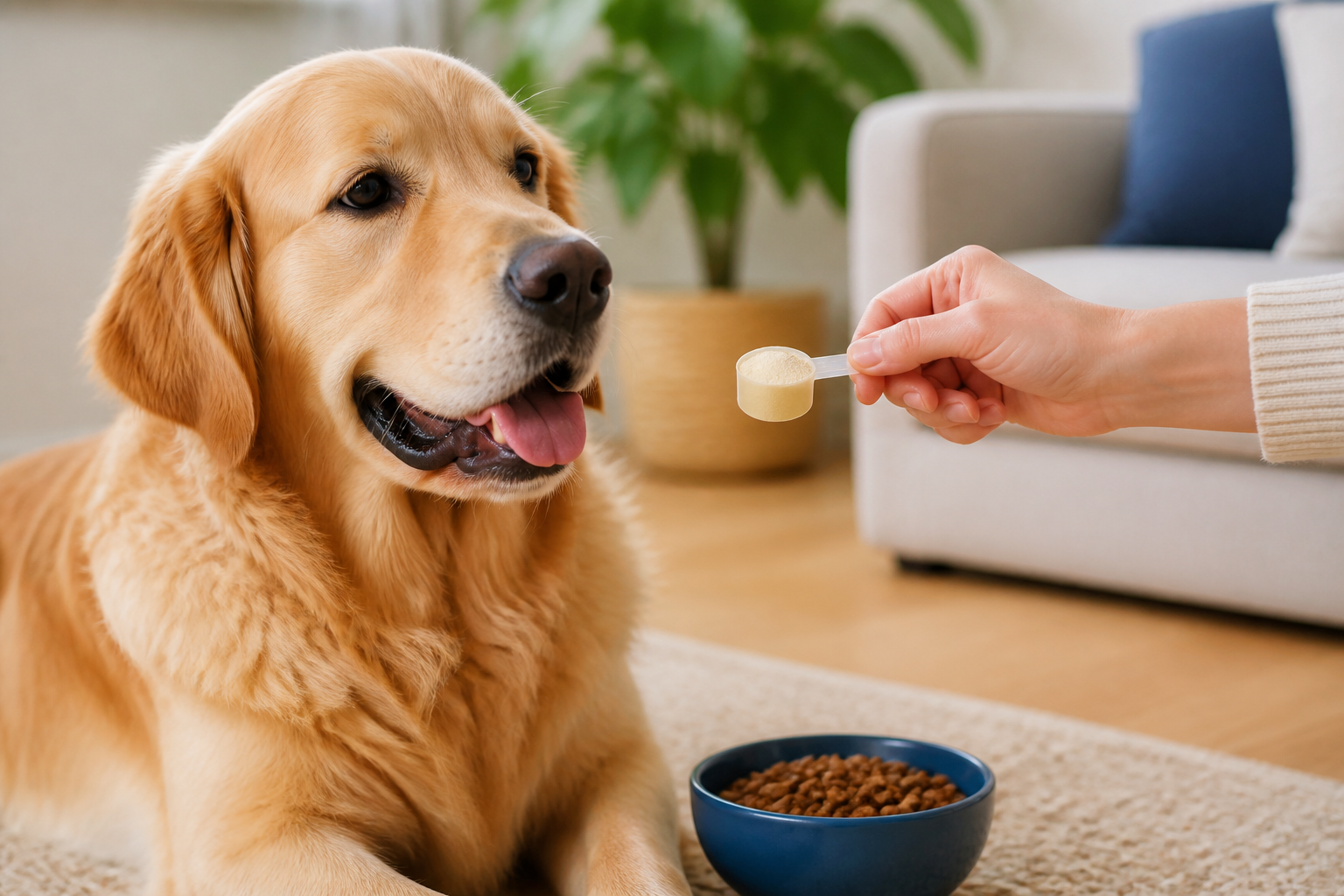
- Powder Toppers: These are highly effective for oral health because the powder coats the mouth as the dog eats. Brands like Zesty Paws offer bacon-flavored powders that most dogs find delicious.
- Soft Chews: These are the most convenient option. They are treated like a reward and are perfect for dogs who are picky about powders on their kibble. They usually focus more on the digestive side of breath issues.
- Prescription Diets: For dogs with significant health concerns, a specialized diet might be necessary. Some veterinary-exclusive foods, like Hill's Prescription Diet Gastrointestinal Biome, use proprietary fiber blends to "feed" the good bacteria already in your dog's system.
The Role of the BaxterBoo Pharmacy
Sometimes, bad breath is a symptom of a deeper medical issue that a standard supplement cannot fix on its own. If your dog has advanced periodontal disease, they may need professional cleaning or even prescription-strength treatments. Through our partnership with Pet's Choice, the BaxterBoo pharmacy offers a range of FDA-approved medications and prescription diets.
If your veterinarian recommends a specific medicated oral rinse or a prescription-only probiotic like Purina Pro Plan Fortiflora, we can help fulfill those needs. Having access to a full pharmacy means you can manage your dog's chronic health conditions and their daily wellness in one place.
Vet Tip: If your dog’s breath suddenly changes or is accompanied by bleeding gums, loose teeth, or a refusal to eat, skip the supplements and head to the vet. These are signs of pain and infection that require professional medical intervention.
Step-by-Step: Introducing Probiotics to Your Dog
Introducing a new supplement should be done carefully to avoid any minor digestive upset. While probiotics are generally very safe, a sudden influx of new bacteria can sometimes cause temporary gas.
- Step 1: Start with a half dose. / Give your dog half of the recommended daily amount for the first three to five days.
- Step 2: Monitor their stool. / Watch for any changes in consistency. A little softening is normal, but it should resolve quickly.
- Step 3: Move to the full dose. / Once your dog is comfortable, transition to the full amount listed on the packaging.
- Step 4: Maintain consistency. / Probiotics work best when they are given every single day. It takes time for the "good" bacteria to build stable colonies.
Expected Timeline for Fresher Breath
Do not expect a miracle overnight. Unlike a breath mint, probiotics are a biological solution that requires time to work. Most owners start to notice a difference in the "quality" of the odor within two weeks. For significant changes in plaque and tartar, you should look for results at the thirty-day mark.
During this time, the bacteria are actively competing for space. You might notice that your dog's teeth look slightly cleaner or that their gums appear less red. Consistency is the most important factor here. If you stop the supplement, the "bad" bacteria can quickly regain their foothold.
Beyond Supplements: A Total Oral Care Routine
While probiotics for dog breath are a powerful tool, they work best as part of a larger strategy. Think of them as the support system for your mechanical cleaning efforts.
The Gold Standard: Brushing
Nothing replaces the physical action of brushing. Using a pet-safe enzymatic toothpaste once a day is the most effective way to remove plaque before it turns into tartar. The enzymes in the toothpaste help break down food particles, while the bristles of the brush scrub the tooth surface. For additional guidance, read these pet dental care tips.
Dental Chews and Toys
Dogs have a natural urge to chew, and we can use that to our advantage. Look for products with the VOHC (Veterinary Oral Health Council) seal of approval. These items have been tested to prove they actually reduce plaque or tartar. Rubber toys with nubs or ridges can also help massage the gums and scrape away debris. You can browse our dog dental and breath care collection for additional options.
Water Additives
For dogs that absolutely will not tolerate brushing, a water additive can be a helpful backup. These are flavorless liquids you add to their bowl. They often contain ingredients that break down the biofilm in the mouth, making it harder for bacteria to stick.
Bottom line: Probiotics are most effective when paired with daily tooth brushing and VOHC-approved dental chews to provide both biological and mechanical cleaning.
When Bad Breath Signals a Bigger Problem
It is vital to recognize when "stinky breath" is actually a medical emergency. While probiotics support health, they do not cure disease. If your dog's breath smells specifically like urine, it could point to kidney issues. A sweet or fruity smell can be a sign of diabetes. A very foul, musty smell might indicate liver problems.
If you notice these specific scents, or if your dog is lethargic and losing weight, a vet visit is mandatory. Our pharmacy can provide the medications needed for these conditions, but only after a professional diagnosis. We always recommend regular checkups to ensure that bad breath isn't the tip of a much larger iceberg.
Managing the Cost of Long-Term Care
Supporting your dog's health for their entire life can be a financial commitment. Because probiotics and dental care are ongoing needs, we suggest looking into ways to save without sacrificing quality. Our Autoship programme is a great way to ensure you never run out of your favorite supplements while saving on every order.
Additionally, signing up for the MVP Rewards programme allows you to earn points on every purchase, including probiotic powders and dental treats. These points can be used for future discounts, making it easier to keep up with the daily routine your dog deserves.
Conclusion
Probiotics for dog breath offer a smart, science-backed way to handle one of the most common complaints of pet ownership. By focusing on the microbiome of the mouth and the health of the gut, you are addressing the cause of the odor rather than just masking it. Whether you choose a bacon-flavored powder or a daily soft chew, consistency is the key to success. Remember that these supplements are a partner to regular brushing and veterinary checkups. If your dog needs specific prescription support, our pharmacy is here to help through our partnership with Pet's Choice. To get started, browse our dental health products and probiotics today.
Key Takeaway: Effective breath control requires balancing the bacteria in both the mouth and the digestive tract through high-quality probiotic supplements and regular dental hygiene.
FAQ
Can I give my dog human probiotics for their breath?
While some strains are the same, human probiotics are formulated for human digestive systems and may contain ingredients like xylitol that are toxic to dogs. It is always better to use a species-specific product designed for a dog's unique internal pH and bacterial needs.
How long does it take for probiotics to fix bad breath?
You will typically see an improvement in breath odor within two to four weeks of daily use. For visible changes in oral health, such as reduced plaque or healthier-looking gums, it usually takes at least thirty days of consistent supplementation.
Are there any side effects to giving my dog probiotics?
Most dogs handle probiotics very well, but some may experience mild gas or slightly softer stools during the first few days. Starting with a smaller dose and gradually increasing it to the full amount can help prevent these minor digestive adjustments.
Do probiotics replace the need for professional dental cleanings?
No, probiotics are a preventative tool and a way to maintain oral health, but they cannot remove hardened tartar or treat deep gum infections. Professional cleanings by a veterinarian are still necessary to address calculus that has already formed and to check for underlying issues under the gumline.