
 Save 15% on your 1st Autoship learn more

 Email us
 Live Chat
 FAQs





Introduction
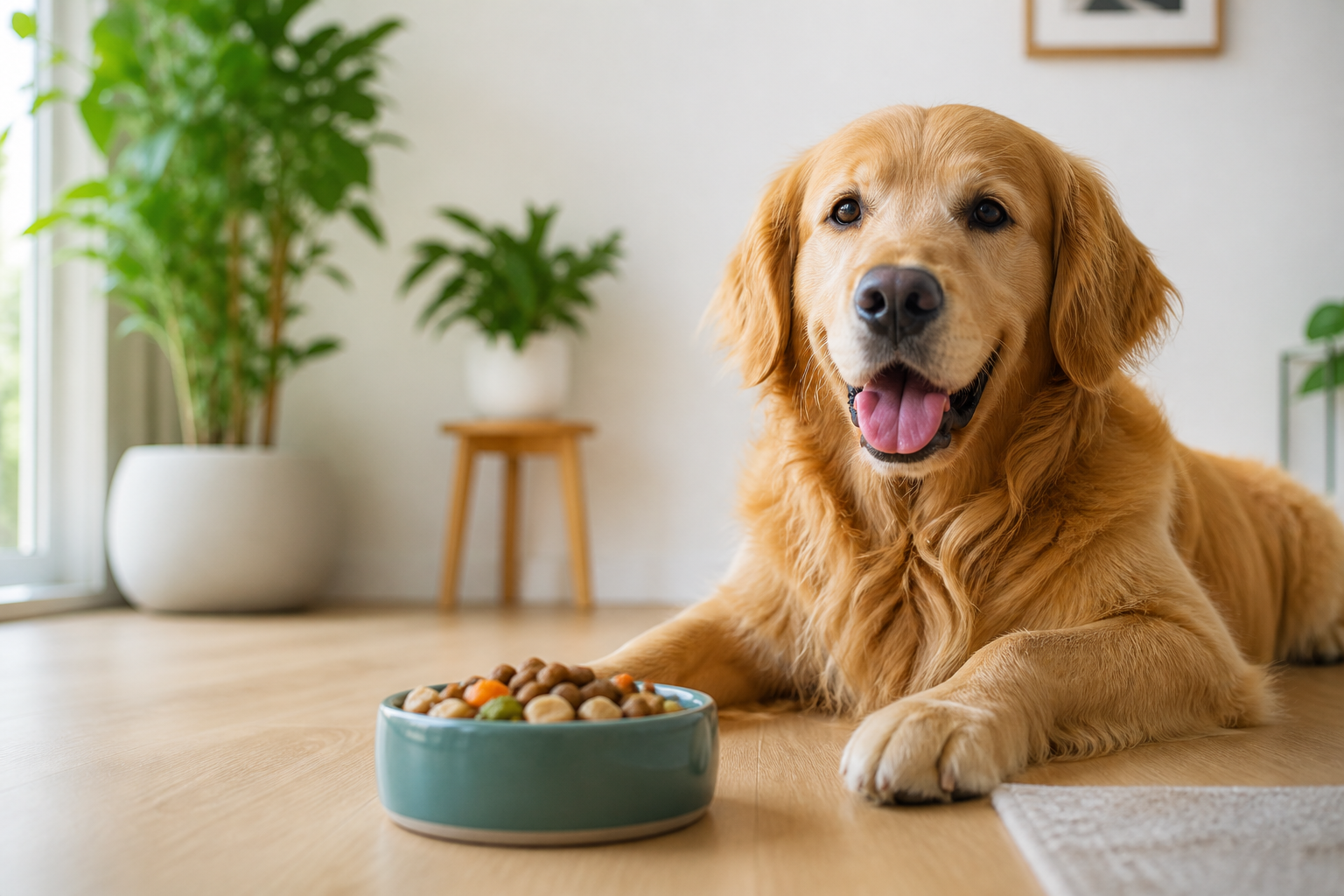
You might notice your dog seems a bit off after a meal. Maybe there is a sudden increase in gas. Perhaps their stool is softer than usual. These small signs often point to a digestive system that is out of balance. Many pet owners are now looking at probiotics in dog food as a way to support their pet from the inside out. At BaxterBoo, we understand that a healthy gut is the foundation for a happy, active life. This post covers what probiotics are, how they function in commercial dog food, and how to choose the best options for your dog. Understanding the role of these beneficial bacteria can help you manage everything from occasional tummy troubles to long term immune health.
What Are Probiotics for Dogs?
Probiotics are living microorganisms that provide health benefits when consumed in the right amounts. People often call them "good" or "beneficial" bacteria. These tiny workers live in your dog's gastrointestinal tract. This internal ecosystem is known as the microbiome. A healthy microbiome helps your dog break down food, absorb nutrients, and fight off harmful pathogens.
When the balance of bacteria shifts, it can lead to various health issues. This imbalance is often caused by stress, illness, or a sudden change in diet. Antibiotics can also kill off good bacteria while fighting an infection. Adding probiotics to your dog's diet helps restore that balance. It ensures the beneficial microbes outnumber the harmful ones.
Quick Answer: Probiotics are "good" bacteria that help balance your dog's digestive system. They are often added to dog food or given as supplements to improve digestion, boost the immune system, and reduce issues like gas or diarrhea.
Dog Digestive Health








Common Probiotic Strains in Dog Food
Not all bacteria are the same. Different strains of probiotics perform different tasks within the gut. When you look at a bag of dog food, you might see long, scientific names in the ingredient list. Here are some of the most common and effective strains for dogs:
- Lactobacillus acidophilus: This is one of the most well known strains. It helps maintain the natural balance of bacteria in the digestive tract. It is also useful for supporting the immune system.
- Enterococcus faecium: This strain is particularly good at surviving the journey through the stomach. It helps maintain a healthy balance of bacteria in the intestines and can aid in firming up loose stools.
- Bifidobacterium animalis: This is often used to help reduce the time it takes for a dog to recover from diarrhea. It is excellent for general digestive support.
- Bifidobacterium longum: Some studies suggest this strain can have a calming effect on dogs. It is often linked to the gut-brain axis, which influences behavior and stress levels.
- Bacillus coagulans: This is a hardy, spore-forming bacterium. It is very stable, making it a popular choice for inclusion in dry kibble.
Key Takeaway: Look for specific strain names on your dog food label rather than just "added probiotics." Strains like Lactobacillus and Bifidobacterium are widely researched and generally considered safe and effective for dogs.
How Probiotics Get Into Dog Food
There are two main ways manufacturers include probiotics in dog food. The first is by adding them directly to the recipe before cooking. The second is by coating the kibble after the cooking process is complete. This distinction is very important for the effectiveness of the product.
Cooking involves high heat and pressure. Most probiotics are very sensitive to heat. If they are added before the kibble goes into the oven or extruder, many of the bacteria may die. This leaves the food with "dead" cultures that do not provide the same benefits. To solve this, many premium brands wait until the kibble has cooled. They then spray the probiotics onto the outside of the food.
Some brands also use "encapsulated" probiotics. These are tiny microbes wrapped in a protective coating. This coating shields the bacteria from heat during manufacturing. It also helps them survive the acidic environment of your dog's stomach. This ensures they reach the intestines where they can actually do their work.
The Role of Prebiotics
You cannot talk about probiotics without mentioning prebiotics. Think of probiotics as the "seeds" and prebiotics as the "fertilizer." Prebiotics are types of fiber that your dog cannot digest on their own. Instead, these fibers serve as food for the beneficial bacteria already living in the gut.
Common prebiotics found in dog food include:
- Inulin (often from chicory root)
- Fructooligosaccharides (FOS)
- Beet pulp
- Pumpkin
When a dog food contains both prebiotics and probiotics, it is called a synbiotic. This combination is often more effective than giving either one alone. The prebiotics ensure the new bacteria have plenty of fuel to grow and colonize the digestive tract.
Vet Tip: If your dog has a very sensitive stomach, introduce prebiotic-rich foods slowly. While fiber is helpful, a sudden increase can cause temporary gas or bloating as the gut bacteria adjust.
Why Quality and Storage Matter
Probiotics are living things. They are susceptible to light, heat, moisture, and air. If a bag of dog food sits in a hot warehouse for months, the probiotics may not be viable by the time you buy it. This is why buying from a trusted source is vital. At BaxterBoo, we keep our inventory moving and store our products in a climate-controlled warehouse in Vernon Hills. This helps ensure that the supplements and fortified foods you receive are as fresh as possible.
When you bring a bag of probiotic dog food home, keep it in a cool, dry place. Seal the bag tightly after every use. If the food is exposed to moisture, the probiotics might activate too early and die before your dog even eats them. Always check the "Best By" date on the packaging. Probiotics have a limited shelf life. Their potency decreases as the food gets older.
Checking the Label
When evaluating a dog food, look for the following information on the packaging:
- Guaranteed Analysis: This section should list the number of Colony Forming Units (CFUs). This tells you how many live bacteria are in the food.
- Specific Strains: Ensure the label identifies the specific types of bacteria used.
- Live Cultures: Look for a statement guaranteeing that the cultures are live and active through the end of the shelf life.
Bottom line: The effectiveness of probiotics depends entirely on whether the bacteria stay alive until they reach your dog's gut.
When to Consider Probiotic Dog Food
Many healthy dogs can benefit from a daily probiotic in their food. However, there are specific situations where a switch to a fortified diet or the addition of a supplement is particularly helpful.
Managing Digestive Upset
If your dog frequently experiences gas, bloating, or intermittent diarrhea, their gut microbiome might be out of balance. Probiotics can help firm up stools and reduce the production of excess gas. This makes your dog more comfortable and your home a bit fresher. Our digestive health options for dogs offer several formats to consider.
Supporting the Immune System
Approximately 70 percent of a dog's immune system resides in the gut. A healthy population of good bacteria acts as a first line of defense. It helps prevent harmful bacteria and viruses from taking hold. Probiotics can also stimulate the production of natural antibodies.
Skin and Allergy Support
There is a strong link between gut health and skin health. Some dogs with seasonal allergies or chronic itchy skin show improvement when their gut health is prioritized. By reducing inflammation in the digestive tract, probiotics may help lower the overall inflammatory response in the body. For more food-related digestive guidance, read Can Dry Food Cause Diarrhea in Dogs?.
Stressful Events
Stress can wreak havoc on a dog's stomach. Events like moving to a new home, boarding, or traveling can cause "stress diarrhea." Starting a probiotic regimen a few days before a known stressful event can help protect your dog's digestive system.
Natural Sources of Probiotics
While many high-quality kibbles like NutriSource or Open Farm include probiotics, you can also find them in whole food sources. Some owners like to use these as toppers for their dog's regular meals.
- Plain Greek Yogurt: This contains live cultures like Lactobacillus. Ensure it is plain and unsweetened. Never feed yogurt containing Xylitol, as it is toxic to dogs.
- Kefir: This fermented milk drink is often even more potent than yogurt. It contains a wider variety of bacterial strains.
- Goat Milk: Many dogs find goat milk easier to digest than cow milk. Brands like Primal offer raw goat milk that is naturally rich in probiotics.
- Green Tripe: This is the stomach lining of ruminant animals. It is a natural source of digestive enzymes and beneficial bacteria. It is very smelly, but most dogs love it.
Transitioning to a Probiotic Diet
If you decide to switch your dog to a food with added probiotics, do it slowly. A sudden change in diet can cause the very digestive upset you are trying to fix. Follow these steps for a smooth transition:
Step 1: Mix 25 percent of the new probiotic food with 75 percent of the old food. / Do this for two to three days while watching for any changes in stool consistency.
Step 2: Increase the ratio to 50 percent new food and 50 percent old food. / Continue this for another three days.
Step 3: Move to 75 percent new food and 25 percent old food. / Maintain this for three more days.
Step 4: Feed 100 percent of the new probiotic food. / By this point, your dog's gut should be well adjusted to the new ingredients and bacterial strains.
For additional guidance, read How Much Freeze Dried Dog Food to Feed Your Pet.
When to Visit the Veterinarian
Probiotics are a wonderful wellness tool, but they are not a cure-all for serious medical conditions. If your dog has severe symptoms, you should always consult your vet. They can help rule out parasites, infections, or underlying diseases like Inflammatory Bowel Disease (IBD).
Signs that require a vet visit include:
- Blood in the stool
- Vomiting and diarrhea at the same time
- Extreme lethargy or weakness
- A distended, painful abdomen
- Weight loss despite a good appetite
For dogs with chronic conditions or those requiring specialized care, we offer a dedicated pharmacy for dogs. Through our partnership with Pet's Choice, our pharmacy provides FDA-approved medications and prescription diets. This includes brands like Farmina Vet Life and Royal Canin. These diets are often formulated with specific probiotic levels to manage complex health needs.
Vet Tip: Always mention any supplements or probiotic foods your dog is eating during your regular checkups. This helps your vet get a complete picture of your dog's nutritional intake.
Identifying the Best Probiotic Products
The pet food market is full of choices. It can be overwhelming to find the right one. At BaxterBoo, we carry over 500 trusted brands to ensure you have access to quality options. When shopping for probiotics, you have a few different formats to choose from based on your dog's preferences.
Dry Kibble with Probiotics
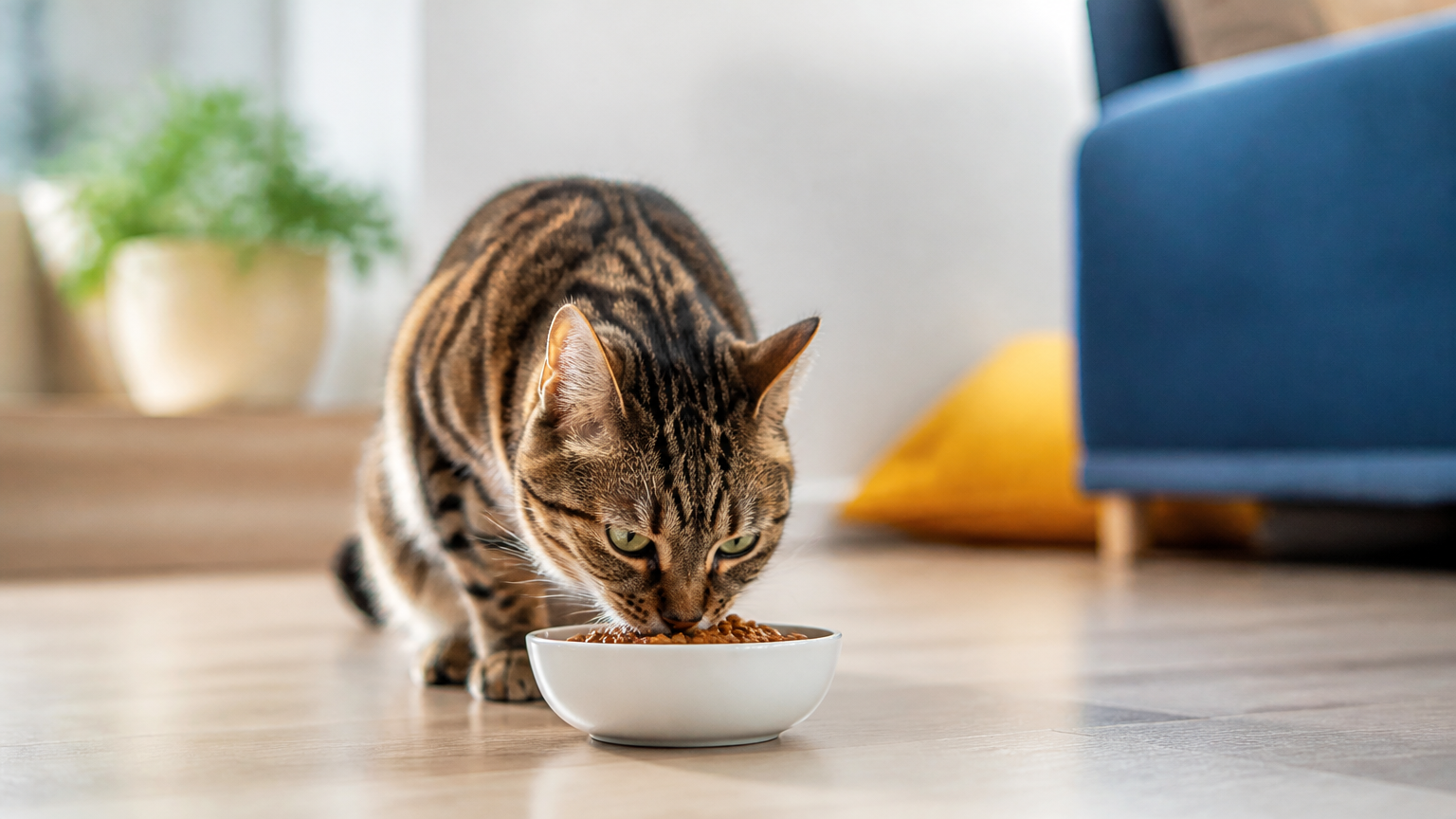
Many premium brands now include probiotics in their standard recipes. This is the most convenient option because the support is built right into the meal. Brands like Stella and Chewy’s or Acana often include these beneficial microbes. Compare formulas in our dog food category.
Probiotic Supplements
If you are happy with your current dog food but want to add gut support, a supplement is the way to go. These come in several forms:
- Powders: These are easy to sprinkle over wet or dry food. They are often flavorless or have a savory taste dogs enjoy.
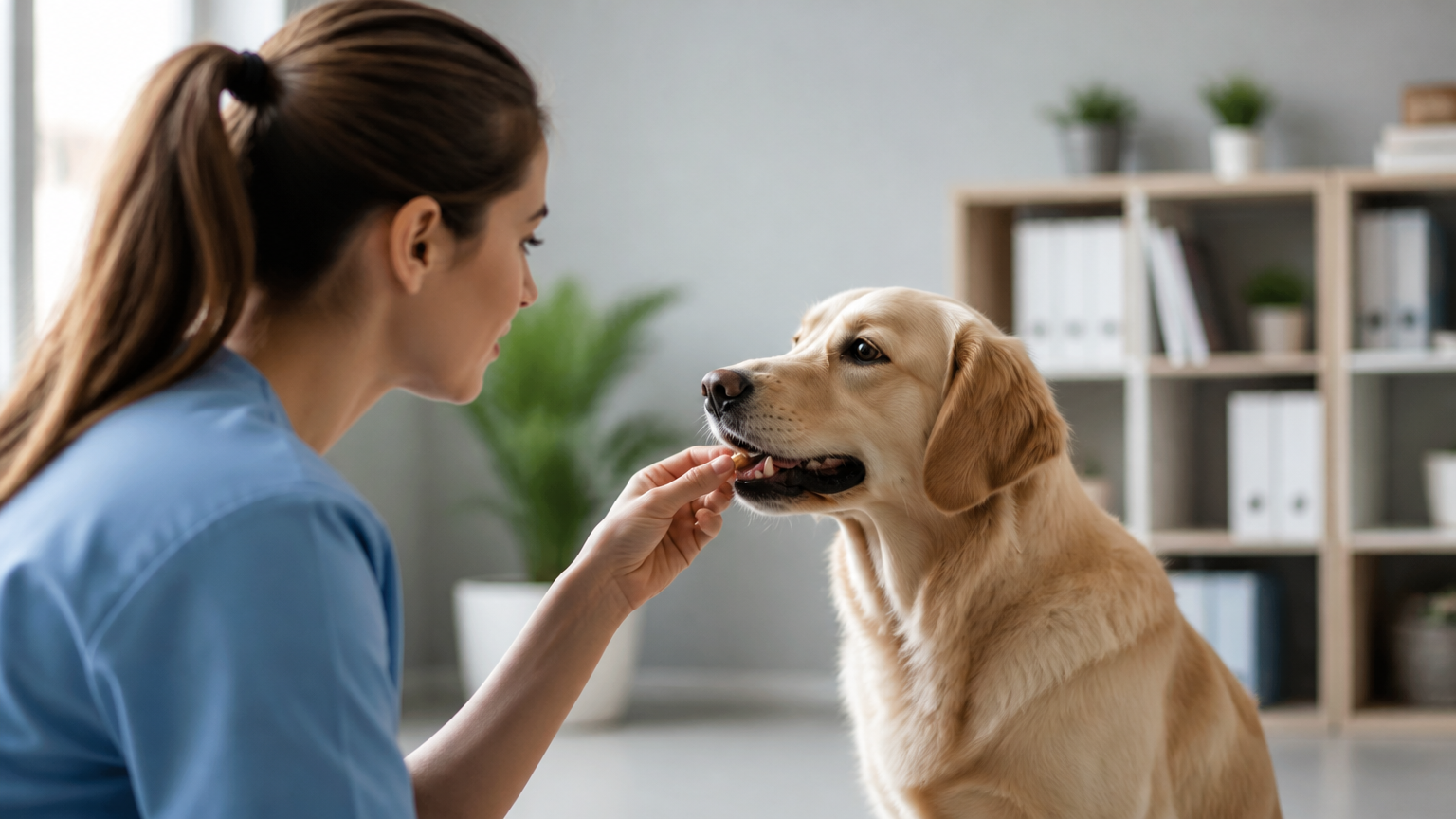
- Chews: These look and taste like treats. They are perfect for dogs who are picky about things being added to their food.
- Capsules: These can be given directly or hidden in a pill pocket.
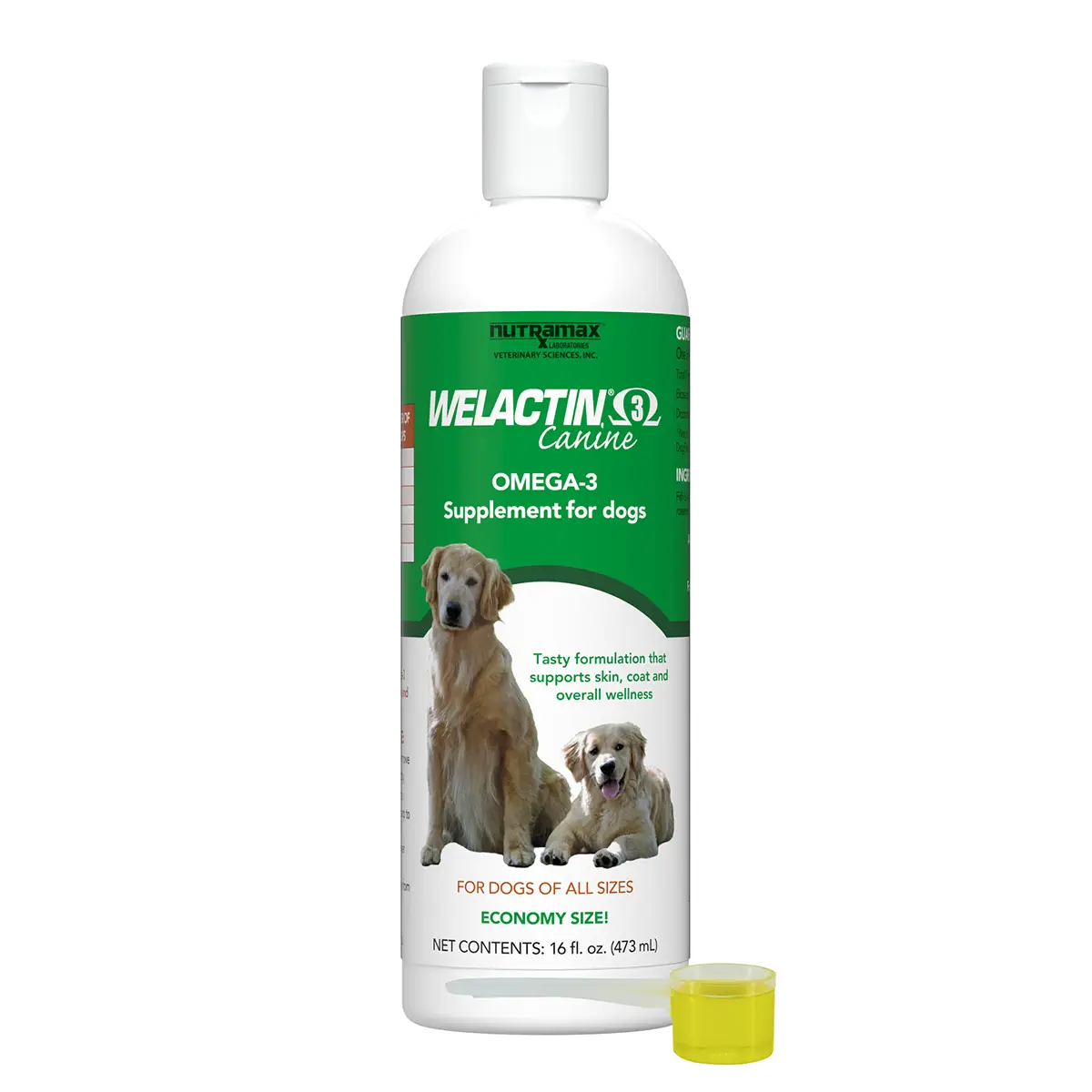
You can also browse our probiotic selection for food toppers, chews, and other options.
Prescription Probiotics
For dogs with severe digestive issues, your vet might recommend a high-potency probiotic. These often have much higher CFU counts than over-the-counter options. Our pharmacy can help fulfill these needs with professional-grade products designed for clinical support.
Common Misconceptions
There are a few myths about probiotics in dog food that are worth clearing up.
One common myth is that all "live" food contains probiotics. This is not true. While raw food often has natural enzymes, it may not have specific probiotic strains unless they are added or occur naturally through fermentation. Another myth is that you can just give your dog a human probiotic pill. While some strains are the same, the concentration and other ingredients in human pills may not be suitable for dogs. Dogs have a different digestive pH than humans, so they benefit most from products designed specifically for their biology.
Finally, some believe that probiotics work instantly. In reality, it can take several days or even weeks for the bacterial population in the gut to shift significantly. Consistency is the key to seeing results.
Summary of Gut Health Benefits
Focusing on the microbiome is about more than just avoiding diarrhea. It is about total body wellness. A dog with a healthy gut often has more energy, a shinier coat, and better breath. They are better equipped to handle the stresses of daily life and aging.
By choosing a food with probiotics or adding a daily supplement, you are investing in your dog's long-term health. Whether you are managing a senior dog's declining digestion or giving a puppy a head start, gut health is a great place to begin.
- Probiotics balance the microbiome by adding "good" bacteria.
- Heat can kill probiotics, so kibble coating is often more effective.
- Prebiotics act as the fuel source for beneficial microbes.
- Consistency and proper storage are essential for live cultures.
- Consult a vet for persistent or severe digestive symptoms.
Conclusion
Supporting your dog's digestive system is one of the most impactful things you can do as a pet owner. Probiotics in dog food offer a practical, daily way to boost immunity and ensure smooth digestion. From choosing the right kibble to adding targeted supplements, there are many ways to tailor this support to your dog's specific needs. At BaxterBoo, we are here to help you navigate these choices with expertly curated products and a pharmacy for those more complex health journeys.
If you are ready to start your dog on a gut health routine, we recommend looking into our Medical & Mobility section or our wide selection of premium dog foods. You can also sign up for our Autoship programme to ensure your dog never misses a day of their probiotic support. This not only saves you time but also grants you an MVP Gold membership for extra savings.
Key Takeaway: A healthy gut supports a healthy dog. Probiotics are a safe and effective way to manage digestion and boost overall immunity when used consistently and stored correctly.
FAQ
Can I give my dog human probiotics? While some bacterial strains are the same, it is best to use products made specifically for dogs. Human supplements may contain dosages or extra ingredients, like certain sweeteners, that are unsafe for pets. Dog-specific probiotics are formulated to survive the unique environment of the canine digestive tract.
How long does it take for probiotics to work? You might see some improvement in gas or stool quality within a few days. However, for chronic issues or immune support, it often takes three to four weeks of consistent use to see the full benefits. The bacteria need time to colonize the gut and create a stable environment.
Will probiotics help with my dog's bad breath? Yes, they can. Bad breath often starts in the gut or the oral microbiome. By balancing the bacteria in the digestive system, probiotics can reduce the gases that contribute to foul-smelling breath. For the best results, combine probiotics with a regular dental care routine.
Are there side effects to giving my dog probiotics? Most dogs tolerate probiotics very well. In some cases, a dog might experience temporary gas or bloating when first starting a supplement. If this happens, try reducing the dose and increasing it slowly over a week. Always consult your veterinarian if you notice any concerning changes in your pet's behavior or health.




- Site & Contents BaxterBoo.com. BaxterBoo is located in the United States.
- Privacy & Security
- Terms of Use
- Accessibility Statement
