
 Save 15% on your 1st Autoship learn more

 Email us
 Live Chat
 FAQs
FAQs





Introduction
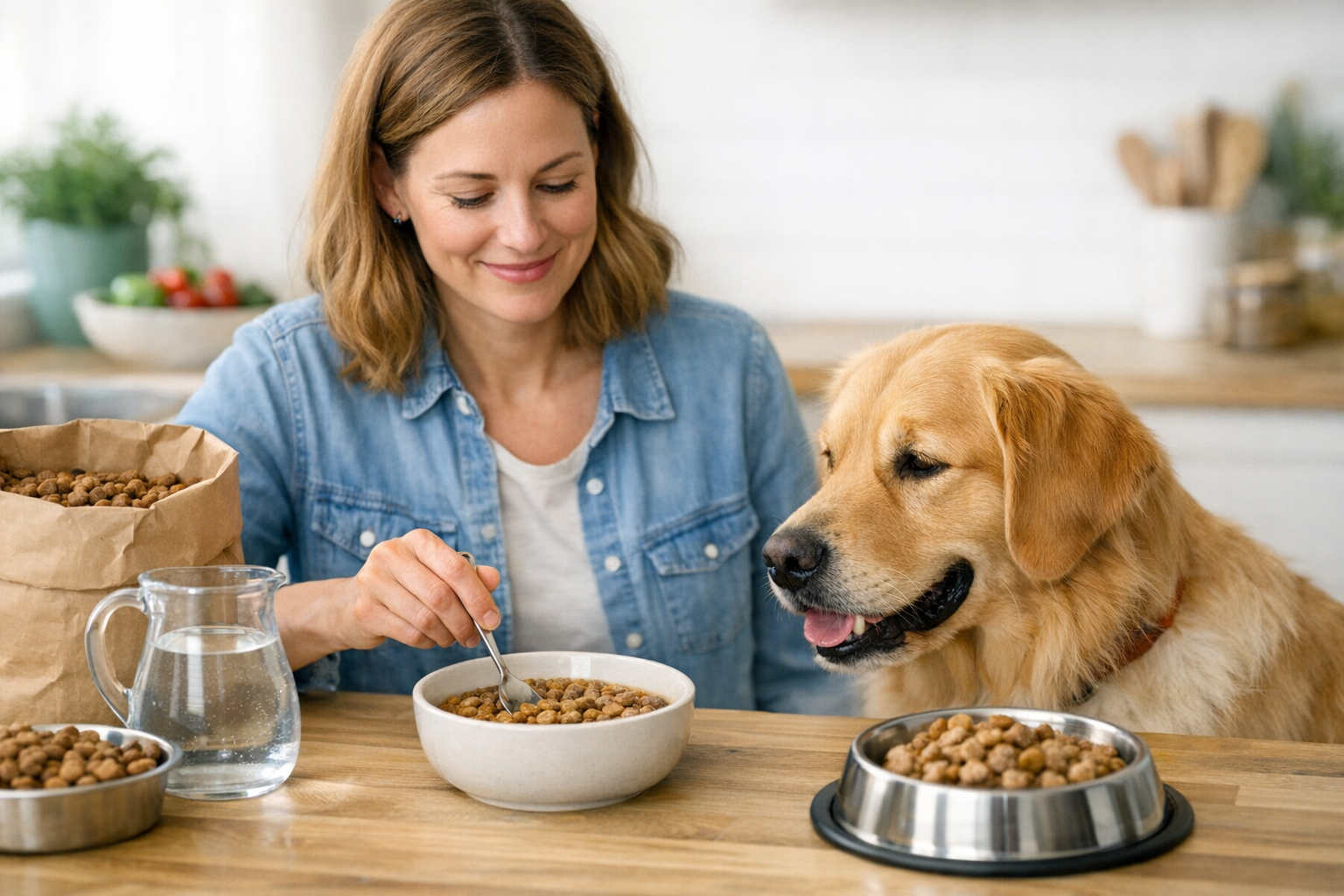
You might find yourself standing in the kitchen, bowl in hand, wondering if that dry kibble would be better with a splash of water. Many pet owners consider this when their dog seems less than enthusiastic about mealtime or when they notice their pup bolting down food without chewing. At BaxterBoo, we hear these questions often from neighbors who want to ensure their dogs are getting the most out of every meal. Whether you are caring for a teething puppy, a senior dog with dental issues, or a healthy adult who just does not drink enough water, soaking kibble can be a helpful tool. This post will look at the benefits of adding moisture to dry food, the safety rules you must follow, and how this simple change can support your dog's overall wellness. Choosing to soak food is often about more than just texture; it is a practical way to manage hydration and digestive comfort.
Why You Might Consider Soaking Your Dog's Kibble
Dry dog food is popular because it is convenient, shelf stable, and nutrient dense. However, the manufacturing process that makes kibble so sturdy also removes almost all moisture. Adding water back into the bowl can change the eating experience entirely.
The most immediate benefit is hydration. Some dogs are simply not big drinkers. They might ignore their water bowl until they are significantly dehydrated, especially during hot Illinois summers or after a long walk. By soaking their food, you ensure they take in a significant amount of liquid twice a day. This is particularly helpful for dogs prone to urinary tract issues or kidney stones.
Another reason owners choose to soak food is for satiety. Dry kibble is very concentrated. A small scoop contains a lot of calories but does not take up much room in the stomach. When you add water, the kibble expands. This extra volume helps a dog feel full without you having to add extra calories to their diet. For a dog on a weight management plan, this can stop the begging and pacing between meals.
Quick Answer: Soaking dry dog food is an excellent way to boost hydration, improve digestion, and make meals more appealing to picky eaters. It is safe and beneficial for most dogs when done with proper hygiene.
Supporting Digestive Health and Bloat Prevention
Digestion starts in the mouth, but many dogs tend to inhale their food rather than chew it. When a dog bolts down dry kibble, those hard pieces hit the stomach and wait for digestive juices to break them down. This can lead to gas and discomfort.
When you soak the food beforehand, you are essentially pre-digesting the texture. The softened kibble is much easier for the stomach to process. This can be a major relief for dogs with sensitive stomachs or those who suffer from occasional acid reflux.
There is also a concern among owners of large breed dogs regarding a life threatening condition called bloat or GDV. While the exact causes of bloat are still studied, some believe that dry kibble expanding rapidly inside the stomach can contribute to the risk. By soaking the food and letting it expand in the bowl first, you remove that internal expansion factor.
Benefits of Pre-Expansion
- Reduces the amount of gas produced during the breakdown of hard kibble.
- Slows down fast eaters because the volume is greater and the texture is different.
- Ensures the food is already at its maximum size before it enters the digestive tract.
- Makes it easier for the body to absorb nutrients that might otherwise pass through too quickly.
Vet Tip: If your dog has a history of bloating or chronic digestive upset, consult your veterinarian. They can help you determine if a specific prescription diet from our pharmacy is necessary to manage these health concerns safely.
Soaking for Different Life Stages
A dog's nutritional and physical needs change as they age. What works for a prime adult dog might not be ideal for a puppy or a senior. Soaking food is a versatile technique that adapts to these changes.
Transitioning Puppies to Solid Food
Puppies usually start the weaning process around three to four weeks of age. Moving directly from mother's milk to hard kibble is a big jump for their tiny teeth and developing digestive systems. We often recommend creating a "gruel" by soaking high quality puppy kibble in warm water or a puppy milk replacer.
As the puppy grows, you can gradually reduce the amount of water. By eight to twelve weeks, most puppies can handle dry food, but many owners continue to add a bit of moisture during the teething phase. Teething can make a puppy's gums very sore, and the crunch of dry kibble might be painful enough to make them stop eating.
Caring for Senior Dogs
As dogs reach their golden years, dental health often becomes a priority. Even with regular brushing, senior dogs may experience tooth loss, gum sensitivity, or reduced jaw strength. Soaking their favorite NutriSource products makes it possible for them to keep enjoying the food they love without the struggle of chewing hard pellets.
Furthermore, older dogs often have a diminished sense of smell and taste. Warm water releases the fats and aromas in the kibble, making the meal smell much more appetizing. This can encourage a senior dog with a fading appetite to finish their bowl and maintain a healthy weight.
How to Safely Soak Dry Food
While the process is simple, you must be careful about food safety. Adding water to dry food creates an environment where bacteria can grow if the bowl is left out too long. We recommend following a specific routine to keep your dog's meals fresh and safe.
Step 1: Measure your dog's normal portion of dry kibble into a clean bowl. Step 2: Add warm water. Avoid boiling water as it can destroy some of the sensitive vitamins and minerals in the food. Step 3: Let the bowl sit for 10 to 15 minutes. You will see the kibble double in size and become soft to the touch. Step 4: Serve the meal immediately once it reaches a safe temperature. Step 5: Pick up the bowl and wash it with soap and water after 30 minutes.
The 30 Minute Rule
Never leave soaked kibble sitting at room temperature for more than half an hour. Once the food is moist, it becomes a breeding ground for bacteria and mold. If your dog is a "grazer" who likes to take a few bites and come back later, soaking might not be the right choice for them. Only soak what you know they will eat in one sitting.
Key Takeaway: Proper hygiene is vital when soaking food. Always use a clean bowl, serve the food warm rather than hot, and discard any leftovers within 30 minutes to prevent bacterial growth.
Using Broths and Mix-ins for Extra Nutrition
If you want to take your dog's meal to the next level, you can use more than just plain water. Many owners use bone broth or goat milk to add flavor and nutrients. This is an excellent way to support joint health or provide an extra protein boost.
However, you must be extremely careful with store bought broths made for humans. Many of these contain onions, garlic, or excessive salt, all of which are dangerous for dogs. Always choose a broth specifically formulated for pets. At BaxterBoo, we carry several bone broth toppers and goat milk powders that are perfect for this purpose.
What to Look for in a Soaking Liquid
- Low sodium or no added salt.
- Zero onions, garlic, or leeks in the ingredient list.
- Natural sources of collagen or glucosamine for joint support.
- Probiotics, which can often be found in specially formulated pet milks.
Using a flavored liquid is a great trick for picky eaters. If your dog has recently been ill or is recovering from surgery, a warm, broth-soaked meal can provide the comfort and hydration they need to get back on their feet.
Does Soaking Impact Dental Health?
One of the most common arguments against soaking kibble is the belief that dry food cleans a dog's teeth. While it is true that the mechanical action of crunching can help scrape away some surface plaque, the benefit is often overstated. Most dogs swallow kibble whole or break it into only a couple of pieces. The kibble does not usually reach the gum line where the most dangerous bacteria live.
If you decide to soak your dog's food, you should simply be more diligent about other forms of dental care. Brushing your dog's teeth with pet safe toothpaste is the gold standard for oral hygiene. You can also provide dental chews or toys designed to clean the teeth.
Vet Tip: If you notice your dog has bad breath or is dropping food while eating, they may have an underlying dental issue. Consult your vet for a professional cleaning. Our pharmacy also carries prescription dental diets if your dog needs specialized support for oral health.
Transitioning to a Soaked Food Routine
If you decide to start soaking your dog's food, do not feel like you have to change everything overnight. You can start by adding just a tablespoon or two of water to their meal to see how they react to the change in texture. Some dogs are very sensitive to "mouth feel" and might be confused by the soft texture at first.
If your dog seems hesitant, try using a very small amount of warm broth. The smell alone is usually enough to convince even the most stubborn dog to try a bite. Once they realize the food tastes the same, you can gradually increase the water until the kibble is fully softened.
Signs the Transition is Working
- Your dog finishes their meal more quickly and with more enthusiasm.
- They are drinking less water throughout the day because they are hydrated from their food.
- You notice less gas or bloating after they eat.
- Their energy levels remain stable after meals.
Bottom line: A gradual transition helps your dog adjust to the new texture and prevents any initial hesitation at the bowl.
Common Myths About Soaking Kibble
There is a lot of conflicting information online about whether you should or should not add water to dry food. Let's clear up a few of the most frequent misconceptions we hear at our warehouse and online.
Myth 1: "Soaking food causes it to lose its nutrients." This is not true as long as you are not using boiling water. Warm water simply hydrates the kibble. Since your dog is eating the water along with the food, they are getting all the nutrients that might have dissolved into the liquid.
Myth 2: "It will make my dog's stool soft." For most dogs, soaking food actually helps regulate digestion. While dry food pulls water out of the digestive tract, soaked food provides it. This can lead to more consistent, healthy bowel movements. If you do notice a sudden change in stool, it is usually due to the temperature or the type of broth used, rather than the water itself.
Myth 3: "Every dog should have soaked food." While many dogs benefit from it, it is not a requirement. If you have a healthy adult dog who drinks plenty of water and enjoys their crunchy kibble, there is no urgent need to change. Soaking is a tool to solve specific problems like dehydration, dental pain, or pickiness.
When to Talk to Your Veterinarian
While soaking food is a safe practice for most healthy dogs, there are times when changes in eating habits deserve professional attention. If you are soaking food because your dog has suddenly stopped eating their dry kibble, there could be an underlying medical issue.
Dogs are very good at hiding pain. A sudden refusal to eat hard food often points to a broken tooth, an abscess, or gum disease. Similarly, if your dog is constantly thirsty despite having soaked meals, they could be showing early signs of diabetes or kidney issues.
Our partnership with Pet's Choice through the BaxterBoo pharmacy allows us to offer FDA-approved medications and prescription diets that your vet might recommend for these conditions. Always reach out to your veterinarian before making major dietary changes if your dog has an existing health condition or is on medication.
Choosing the Right Kibble for Soaking
Not all kibbles are created equal when it comes to soaking. Some are very dense and take a long time to soften, while others turn into mush almost instantly. We carry over 500 brands, including favorites like NutriSource, Stella & Chewy's, and Open Farm, many of which are designed with high quality ingredients that hold their nutritional integrity even when moistened.
If you are looking for a kibble that is particularly good for soaking, look for "all life stages" formulas or those with a porous texture. Some brands even offer "gravy" coated kibbles that are specifically designed to be mixed with water to create a savory sauce.
High Quality Brands to Consider
- NutriSource: Known for their gut health support and highly digestible formulas.
- Farmina: Offers excellent prescription and wellness diets that respond well to hydration.
- The Honest Kitchen: While they offer many dehydrated foods, their clusters can also be lightly soaked.
- Stella and Chewy's: Their freeze-dried raw coated kibble releases an incredible aroma when warm water is added.
Conclusion
Soaking your dog's dry food is a simple, cost effective way to improve their quality of life. From helping a senior dog eat without pain to ensuring a picky eater gets the calories they need, the benefits are clear. Just remember to keep things clean, serve it fresh, and discard any leftovers promptly. By paying attention to how your dog responds to their meals, you can make informed choices that support their health for years to come. If you are ready to try this with your pup, check out our selection of premium kibble in our dog food category and dog safe broths at BaxterBoo. Our Autoship programme is a great way to ensure you never run out of your dog's favorite meals while saving on every order.
Key Takeaway: Soaking dry food is a practical solution for hydration, satiety, and dental comfort, provided you maintain strict food safety standards and consult your vet for any underlying health concerns.
FAQ
How long can soaked dog food sit out?
Soaked dog food should not sit out for more than 30 to 60 minutes at room temperature. Because moisture encourages the growth of bacteria and mold, it is much riskier than leaving dry kibble in a bowl. Always discard any uneaten portions quickly and wash the bowl thoroughly after every meal.
Can I soak my dog's food in the fridge overnight?
It is generally not recommended to soak kibble overnight because the food can become overly mushy and lose its appeal. Furthermore, even in the refrigerator, long term soaking can lead to fermentation. For the best results and the most appetizing texture, soak the food in warm water for 15 minutes immediately before serving.
Does soaking kibble help with weight loss?
Yes, soaking kibble can be a helpful tool for weight management. When the food absorbs water, it expands and takes up more space in the dog's stomach, which helps them feel full more quickly. This can reduce begging and help your dog feel satisfied while eating a controlled portion of a high quality or prescription weight loss diet.
Is it better to use warm or cold water to soak kibble?
Warm water is usually better because it softens the kibble much faster than cold water. Additionally, warmth helps release the natural fats and aromas in the food, making it more enticing for the dog. Ensure the water is not boiling, as extreme heat can damage some of the vitamins in the food and potentially burn your dog's mouth.






