
 Save 15% on your 1st Autoship learn more

 Email us
 Live Chat
 FAQs
FAQs





Introduction
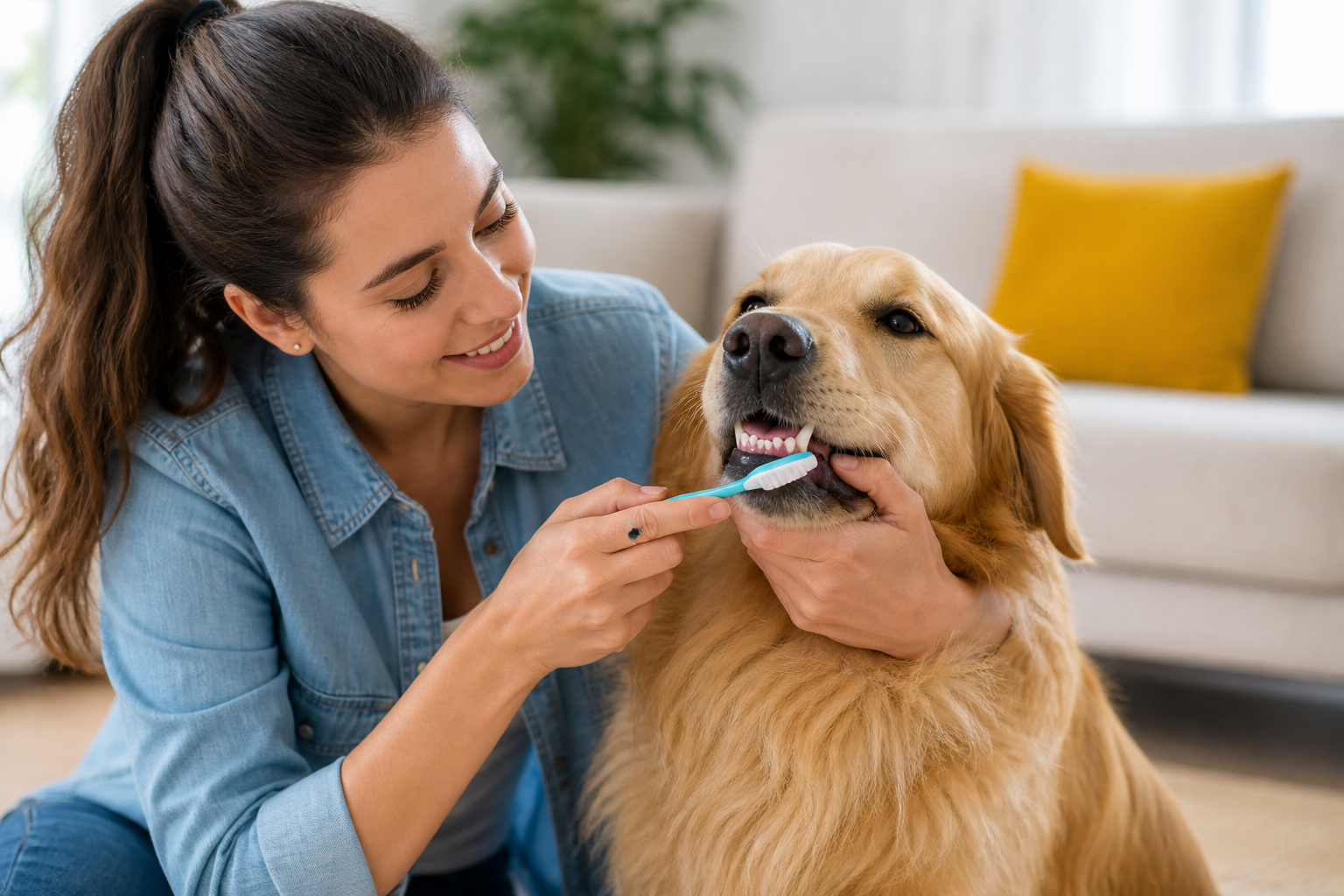
You lean in for a pup kiss and notice a smell that is more than just standard dog breath. You might see a bit of yellow buildup near the gumline or notice your dog is hesitant to chew their favorite hard toy. These are common moments when many pet owners ask: should I clean dogs teeth at home? Maintaining your dog's oral health is a vital part of their overall wellness that goes far beyond fresh breath. At BaxterBoo, we know that starting a dental routine can feel overwhelming, but it is one of the best things you can do for your pet. This post covers why dental hygiene matters, how to brush effectively, and when to seek professional help. Taking small steps now protects your dog's heart, kidneys, and daily comfort.
Quick Answer: Yes, you should clean your dog's teeth regularly to prevent plaque buildup and periodontal disease. Daily brushing combined with professional veterinary cleanings is the gold standard for canine oral health.
Why Dental Care Is Necessary for Dogs
Many people believe that dogs keep their teeth clean naturally by chewing on sticks or hard kibble. While chewing helps slightly, it is not enough to stop the progression of dental disease. Just like humans, dogs develop a sticky film called plaque on their teeth after eating. If this plaque is not brushed away, it mixes with minerals in the saliva and hardens into tartar within 48 to 72 hours.
Tartar is much harder to remove than plaque. It provides a rough surface where even more bacteria can grow. This bacteria eventually works its way under the gumline. This leads to inflammation known as gingivitis. If left untreated, it progresses to periodontal disease. This condition destroys the bone and tissues that hold the teeth in place.
The risks go beyond the mouth. Bacteria from infected gums can enter the bloodstream. From there, it can travel to the heart, liver, and kidneys. This can cause systemic infections and organ damage over time. Keeping the mouth clean is a proactive way to support your dog's entire body.
Vet Tip: If you notice red, swollen gums or bleeding while your dog eats, schedule a veterinary exam. These are signs of active infection or gum disease that require professional diagnosis and treatment.
Recognizing the Signs of Dental Problems
It is helpful to know what a healthy mouth looks like so you can spot changes early. Healthy gums should be a consistent pink color. They should wrap tightly around the base of each tooth. The teeth themselves should be white and smooth without heavy brown or yellow deposits.
Keep an eye out for these common warning signs:
- Persistent bad breath that does not go away after eating.
- Yellow or brown crust near the gumline.
- Reluctance to eat hard food or treats.
- Pawing at the mouth or face.
- Loose or missing teeth.
- Excessive drooling, sometimes with tinges of blood.
- Swelling under the eyes or along the jawline.
Some dogs are very good at hiding pain. They may continue to eat even if they have a fractured tooth or an abscess. Regular inspections at home allow you to catch these issues before they become emergencies. For more guidance, read about warning signs of bad teeth in dogs.
Comparing Home Care and Professional Cleaning
Home care and professional cleanings serve two different purposes. Think of home care as your daily brushing and flossing. Professional cleanings are like your six-month checkup at the dentist. One cannot replace the other.
| Feature | At-Home Brushing | Professional Vet Cleaning |
|---|---|---|
| Frequency | Ideally daily | Usually once per year |
| Anesthesia | Not required | Required for safety and depth |
| Depth | Surface level only | Above and below the gumline |
| Tools | Dog toothbrush and paste | Ultrasonic scalers and polishers |
| X-rays | None | Used to find hidden bone loss |
| Purpose | Prevention of plaque | Removal of tartar and treatment |
At BaxterBoo, we offer many tools to make at-home care easier through our dog dental and breath care selection. However, if your dog already has thick tartar buildup, brushing will not remove it. Tartar is like concrete and requires professional tools to scale away safely.
Key Takeaway: Daily home care slows the accumulation of plaque, while professional cleanings address deep-seated issues and tartar that brushes cannot reach.
How to Clean Your Dogs Teeth at Home
Starting a brushing routine takes patience. Most dogs are not used to having their mouths handled. The goal is to make the experience positive so they do not fight you. Never use human toothpaste. It contains ingredients like xylitol or high levels of fluoride that are toxic to dogs.
Step 1: Get the right supplies. / Buy a toothbrush specifically designed for dogs or a soft finger brush. Use a dog-safe toothpaste in a flavor they like, such as poultry or peanut butter.
Step 2: Introduce the taste. / Let your dog lick a small amount of toothpaste off your finger. Do this for a few days without trying to brush. This builds a positive association with the flavor.
Step 3: Touch the teeth and gums. / Gently lift your dog's lips and rub your finger along their gums. Keep these sessions short and follow up with a high-value reward.
Step 4: Introduce the brush. / Put toothpaste on the brush and let them lick it. Move the brush in a slow, circular motion against the front teeth. Only do a few teeth at first.
Step 5: Reach the back teeth. / Once they are comfortable, work your way toward the back molars. This is where the most tartar usually builds up. You only need to brush the outside surfaces of the teeth.
Step 6: Consistency is key. / Aim for daily brushing. If that is not possible, three times a week is the minimum needed to significantly reduce plaque buildup. You can also review these step-by-step pet dental care tips as you build the routine.
Bottom line: A slow, positive introduction ensures your dog accepts brushing as a normal part of their daily routine.
The Role of Diet and Dental Chews
What your dog eats can impact their oral health. While diet alone is not a substitute for brushing, it can be a helpful tool. Some dry kibbles are specially formulated with a texture that scrubs the teeth as the dog chews. These are often called dental diets.
Dental chews are another popular option. These treats are designed to be abrasive. As your dog chews, the treat scrapes away some of the plaque on the surface of the teeth. Many of these products also contain ingredients that help freshen breath.
We carry a wide selection of dental treats for dogs from trusted brands like Kong and Greenies. These provide mental stimulation while supporting oral hygiene. It is important to choose the right size chew for your dog. A treat that is too small can be a choking hazard. One that is too hard, like real bones or antlers, can cause painful tooth fractures.
Key Takeaway: Dental chews and specialized diets are excellent supplements to brushing but should not be the only method of cleaning.
Why Professional Veterinary Cleanings Require Anesthesia
It is common for pet owners to feel nervous about anesthesia. You might see "anesthesia-free" dental cleanings advertised at grooming salons. However, these are largely cosmetic. A dog will not sit still while a technician scrapes under their gums with sharp metal tools.
Anesthesia is necessary for several reasons:
- Proper Examination: It allows the vet to look at every side of every tooth.
- Subgingival Cleaning: Most dental disease happens under the gumline. This area cannot be cleaned while a dog is awake.
- Pain Control: If a tooth needs to be pulled or an area is inflamed, the dog will not feel pain.
- Safety: It prevents the dog from moving suddenly and getting injured by the equipment.
- Airway Protection: An endotracheal tube prevents the dog from inhaling water or bacteria-laden debris during the cleaning.
Modern anesthesia is very safe. Your veterinarian will likely perform blood work first to ensure your dog is a good candidate. They monitor heart rate, blood pressure, and oxygen levels throughout the entire procedure.
Vet Tip: For pets with chronic health conditions or those requiring prescription dental diets, our pet pharmacy provides access to FDA-approved medications and therapeutic foods through our Pet's Choice partnership. Consult your vet to see if a prescription plan is right for your dog.
Managing Dental Care for Different Life Stages
Puppies should start a dental routine as soon as possible. Even though they will lose their baby teeth, the habit of having their mouth handled is invaluable. It makes future brushing and vet exams much easier. Check their mouth regularly to ensure baby teeth are falling out as adult teeth come in. If a baby tooth stays in place, it can cause crowding and trap more bacteria.
Senior dogs often require more frequent dental attention. As dogs age, their immune systems change, and years of wear and tear can lead to cracked teeth or gum recession. Small breeds are also at a higher risk. Their teeth are often large relative to their small jaws. This crowding creates tiny gaps where food and bacteria get stuck easily.
For older dogs, a dental cleaning can significantly improve their quality of life. Many owners notice their senior dogs have more energy after a cleaning. This is often because a source of chronic pain or low-grade infection has been removed.
Practical Tips for Success
If your dog absolutely refuses a toothbrush, do not give up. There are other ways to help keep their mouth healthy. Water additives can be added to their bowl. These products contain enzymes that help break down plaque and kill bacteria.
Dental wipes are another alternative. You wrap the wipe around your finger and rub it over the teeth. This is often better tolerated by dogs who are frightened by a brush. It is not as effective as a brush at getting into the crevices, but it is much better than doing nothing. Explore our dental and breath care supplies for options such as wipes and water additives.
- Pick a consistent time each day for dental care.
- Keep the sessions short and upbeat.
- Always reward your dog with a treat or extra praise afterward.
- Check your dog's mouth once a week for any new lumps, bumps, or broken teeth.
Maintaining your dog's teeth is a long-term investment. It can prevent the need for expensive extractions and surgeries later in life.
How Our Pharmacy Supports Dental Health
Sometimes, a simple cleaning is not enough. If your dog has a severe oral infection or is recovering from a tooth extraction, they may need medication. This might include antibiotics to fight bacteria or pain relief to help them stay comfortable.
Our pharmacy at BaxterBoo offers a convenient way to get these essential medications. Through our partnership with Pet's Choice, we provide FDA-approved medications that your veterinarian prescribes. We also carry prescription-strength dental diets from brands like Farmina Vet Life and Royal Canin. These diets are specifically engineered to help manage oral health in dogs prone to heavy plaque.
By using our pharmacy for dogs, you can have your dog's maintenance medications and specialized food delivered right to your door. This helps you stay consistent with their treatment plan without extra trips to the clinic.
Bottom line: Integrated care involving home brushing, professional cleanings, and the right medical support from our pharmacy keeps your dog's mouth healthy for years.
Summary of Canine Dental Care
Caring for your dog's teeth is a foundational part of being a pet owner. While it takes a little extra time, the benefits for your dog's comfort and longevity are clear. A combination of daily brushing, high-quality dental chews, and annual veterinary visits is the most effective strategy.
- Start brushing slowly with dog-specific toothpaste.
- Use dental chews and toys to help scrub tooth surfaces.
- Never skip the annual veterinary dental exam.
- Watch for warning signs like bad breath or bleeding gums.
If you are ready to start a dental routine, we have everything you need to get started. From finger brushes to enzymatic toothpastes and durable chew toys, our selection is handpicked for quality. You can even save on these regular essentials by using our Autoship programme. This ensures you never run out of the supplies your dog needs to stay healthy.
Key Takeaway: Consistent dental care prevents pain and systemic illness, making it one of the most important parts of your dog's wellness routine.
FAQ
How often should I clean my dog's teeth?
Ideally, you should brush your dog's teeth every single day. Plaque can harden into tartar in as little as 36 to 48 hours, so consistency is very important. If daily brushing is not possible, aim for at least three times per week to help manage bacterial levels in the mouth.
Can I use human toothpaste on my dog?
No, you should never use human toothpaste for your dog. Many human toothpastes contain xylitol, an artificial sweetener that is extremely toxic to dogs and can cause liver failure. Human toothpaste also contains foaming agents that are not meant to be swallowed, which can cause significant stomach upset for your pet.
Do dental chews actually work for dogs?
Dental chews can be a very effective supplement to brushing. They work by using mechanical abrasion to scrape plaque off the teeth as your dog chews. However, they are not a total replacement for brushing, as they often do not reach the gumline where the most significant dental disease occurs. For more ideas, see these dental chews for dogs.
What should I do if my dog's breath smells really bad?
Persistent bad breath is often the first sign of dental disease or an underlying health issue. You should schedule an appointment with your veterinarian for a full oral examination. They can determine if your dog needs a professional cleaning or if the odor is caused by an infection, a broken tooth, or an internal health problem.






