
 Save 15% on your 1st Autoship learn more

 Email us
 Live Chat
 FAQs
FAQs





Introduction
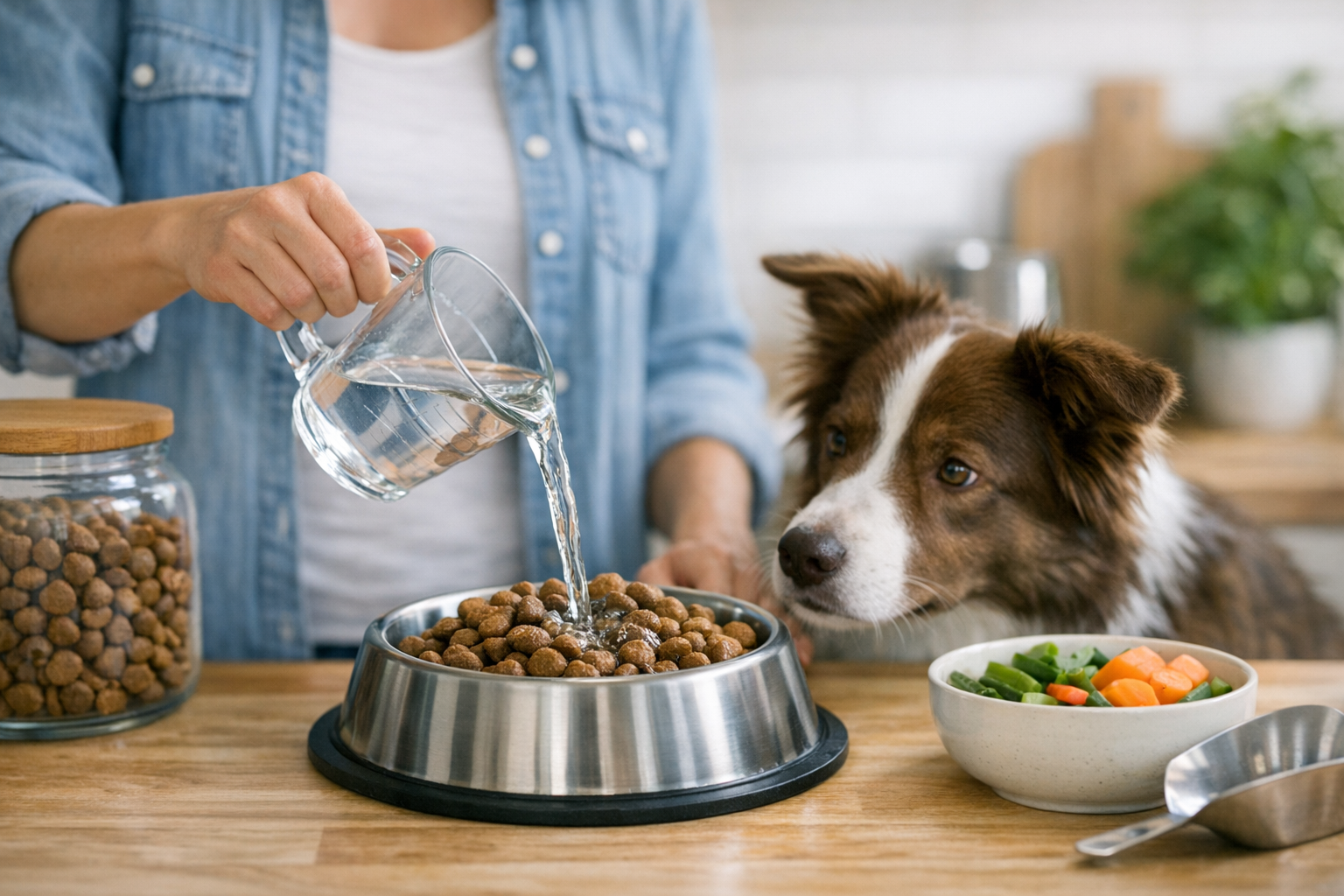
You are standing in the kitchen and holding a scoop of dry kibble. You might wonder if those hard brown pellets are enough for your dog. Your dog might be staring at the bowl with a lack of enthusiasm. Or perhaps you are worried that your pup is not drinking enough from the water dish. At BaxterBoo, we hear these questions often from pet owners who want to optimize their dog’s nutrition. Adding water to dry dog food is a simple step that can change the entire eating experience, and our dog food category makes it easy to compare options. It can improve hydration and make meals more appealing. However, it also comes with specific rules to keep your pet safe from bacteria. This post covers the benefits, the potential risks, and the best way to hydrate your dog's dinner.
Quick Answer: Adding water to dry dog food is generally beneficial for hydration and digestion. It softens the kibble for senior dogs and enhances the aroma for picky eaters. However, you must serve it immediately and discard leftovers to prevent bacterial growth.
The Science of Moisture in Kibble
Most dry dog foods are produced through a process called extrusion. The ingredients are mixed and then cooked at very high temperatures. This heat removes almost all the moisture to make the food shelf-stable. Most kibble contains only 6 percent to 10 percent moisture. In contrast, a dog's natural diet in the wild would consist of much higher water content.
When a dog eats purely dry food, their body has to work harder to process it. They must draw moisture from their own tissues and blood supply to help break down the biscuits in the stomach. This can leave a dog in a state of mild, chronic dehydration if they are not heavy drinkers. Adding water back into the bowl helps bridge this gap. It allows the body to focus on absorbing nutrients rather than struggling to hydrate the food.
Improving Hydration and Kidney Health
Many dogs are "lazy drinkers." They might visit the water bowl a few times a day, but it is rarely enough to meet their full biological needs. This is especially true during hot summer months or for very active dogs. Constant hydration is vital for maintaining healthy kidney function. The kidneys are responsible for filtering toxins out of the blood. Without enough water, these toxins can become concentrated. This increases the risk of kidney stones and urinary tract infections.
Vet Tip: If your dog has a history of urinary crystals or kidney issues, increasing moisture intake is often the first recommendation. Our pet pharmacy offers prescription diets designed for urinary health. Always consult your veterinarian before switching to a therapeutic or prescription diet.
By adding water directly to the food, you ensure your dog gets a significant bolus of hydration at least twice a day. This helps the kidneys flush out waste more effectively. It also keeps the lining of the bladder healthy. For cats and dogs alike, this simple habit can be a powerful tool for long-term wellness.
Digestion and Bloat Prevention
Dry kibble is very dense. When it hits the stomach, it often expands as it absorbs gastric juices. This expansion can sometimes contribute to a heavy, uncomfortable feeling. For some large breeds, eating dry kibble too quickly is a risk factor for Gastric Dilatation-Volvulus, also known as bloat. Bloat is a life-threatening condition where the stomach fills with gas and twists.
Adding water to the bowl can help in two ways. First, it pre-expands the kibble so it does not swell as much inside the dog. Second, the added liquid often slows down "scarfers." If your dog tends to inhale their food without chewing, the water makes it harder to gulp the pieces down in one go.
Key Takeaway: Hydrating kibble makes it more digestible and can slow down fast eaters. This reduces the strain on the digestive system and may help prevent serious issues like bloat.
Enticing the Picky Eater
Dogs navigate the world through their noses. Dry kibble straight out of the bag does not have a very strong scent. When you add warm water to the bowl, it triggers the release of fat molecules and aromas. The food suddenly smells much more like a "real" meal. This is often enough to convince a picky eater to dive in.
This technique is also helpful for dogs recovering from an illness. When a dog feels unwell, their sense of smell might be diminished. A warm, smelly bowl of hydrated kibble is much more enticing than a pile of dry rocks. It can also be a helpful way to transition a dog to a new brand of food. We carry over 500 brands, including premium options like Open Farm products and Stella & Chewy's products. Even the best food sometimes needs a little "gravy" to get a stubborn dog started.
Support for Senior Dogs and Puppies
As dogs age, their dental health often declines. Missing teeth, receding gums, or sensitive mouth tissue can make crunching hard kibble painful. Many senior dogs start eating less simply because it hurts to chew. Softening the food with water removes this barrier. It allows them to get the nutrition they need without the physical discomfort.
Puppies also benefit from softened food. When they are transitioning from milk to solids, their small teeth are not always ready for hard biscuits. Soaking the food makes the transition easier on their digestive systems and their mouths. It also helps ensure they stay hydrated during a period of rapid growth, and our puppy shop is a helpful place to start when shopping for young dogs.
The Risks of Adding Water to Dog Food
While the benefits are many, adding water is not without risks. The most significant concern is bacterial growth. Dry kibble is processed to be shelf-stable. Once you add moisture, you create the perfect environment for mold and bacteria to thrive. This includes pathogens like Salmonella or E. coli.
If you add water, you cannot leave the bowl sitting out for hours. In a warm house, bacteria can reach dangerous levels in a very short amount of time. You must be diligent about cleaning the bowl after every meal. A slimy film, often called biofilm, can develop quickly in a wet food bowl. This film protects bacteria and can make your dog sick over time.
The Cortisol and Stress Study
A recent study involving Beagle puppies looked at the effects of water-softened dry food. Interestingly, the study found that the dogs eating softened food had higher levels of serum cortisol. Cortisol is often referred to as the stress hormone. The researchers also noted changes in the intestinal microbiome. While the softened food increased microbial diversity, it also saw an increase in some potentially pathogenic bacteria.
This suggests that while moisture is good, the way we provide it matters. If the food is allowed to sit or if the water quality is poor, it may cause more harm than good. It highlights the importance of serving the food fresh and using filtered water.
The Dental Health Debate
One common argument against adding water is that dry food cleans a dog's teeth. The idea is that the abrasive texture of the kibble scrapes away plaque. However, many veterinary dental experts disagree. Most kibble is starchy. When a dog bites a piece of kibble, it usually shatters. The starchy remains can actually stick to the teeth and turn into sugar. This feeds the bacteria that cause dental decay.
Think of it like a human eating a cracker. The cracker does not clean your teeth; it gets stuck in them. While some specific dental diets are engineered to be abrasive, standard kibble provides very little cleaning benefit. Therefore, you should not avoid adding water just to save your dog’s teeth. Regular brushing and professional cleanings are the only reliable ways to manage oral health, and our Top 10 Pet Dental Care Tips is a useful follow-up.
Best Practices for Hydrating Kibble
If you decide to add water to your dog’s meals, follow these steps to ensure it is done safely. Consistency and cleanliness are the most important factors.
Step 1: Use filtered water. / Use the same water you would drink yourself. This prevents introducing excess chlorine or contaminants into the meal.
Step 2: Choose the right temperature. / Use warm water rather than hot or cold. Warm water releases the most aroma. Hot water can destroy sensitive vitamins and potentially burn your dog's mouth.
Step 3: Measure the ratio. / A good starting point is one part water to four parts kibble. For example, add a quarter cup of water to one cup of food. You can adjust this based on your dog’s preference.
Step 4: Let it soak. / Allow the bowl to sit for two to five minutes. This gives the kibble enough time to soften without turning it into a complete mush.
Step 5: Serve and monitor. / Offer the food immediately. Watch your dog to see if they enjoy the new texture.
Step 6: Clean up promptly. / Pick up the bowl as soon as your dog finishes. If they do not finish within 30 minutes, discard the leftovers. Never leave wet kibble out for "grazing."
Bottom line: Preparation and timing are everything when adding water to kibble to prevent spoilage and ensure the best experience for your dog.
Beyond Water: Healthy Add-Ons
Water is the most cost-effective way to hydrate food, but it is not the only option. Many pet owners use other liquids to provide extra nutrients.
- Bone Broth: This is a favorite for many owners. It provides collagen and amino acids that support joint health. We carry brands like Brutus Broth that offer pet-safe versions.
- Goat Milk: Often called "universal milk," it is easy to digest and packed with probiotics. It is great for dogs with sensitive stomachs.
- Wet Food Toppers: Mixing a few spoonfuls of canned food can provide the same moisture benefits while adding more protein and variety.
If you use these mixers, remember that they add calories. You may need to reduce the amount of dry kibble to keep your dog at a healthy weight.
Managing Health Conditions with Moisture
For dogs with specific health needs, moisture is more than just a preference. It is a medical necessity. Dogs with a history of bladder stones or crystals need a high volume of urine to keep the bladder flushed. This prevents minerals from clumping together.
If your veterinarian has prescribed a specific diet, always ask before adding anything to it. Some therapeutic diets are very precisely balanced. Adding too much water or other mixers can dilute the specific minerals intended to help the condition. Our pharmacy for dogs can help manage chronic conditions with the right food and medicine delivered to your door.
Key Takeaway: For dogs with urinary or kidney issues, moisture is a critical part of their treatment plan. Always work with your vet when modifying a therapeutic diet.
Making the Decision for Your Dog
Should you add water to your dog's food? For most dogs, the answer is a qualified yes. If your dog enjoys the texture and you can commit to a strict cleaning routine, the benefits to their hydration and digestion are worth the extra effort. It is an easy way to show a little extra care during their favorite time of day.
If your dog prefers the crunch and drinks plenty of water from their bowl, there is no need to force the change. Every dog is an individual. Pay attention to their coat quality, their energy levels, and their bathroom habits. These are the best indicators of whether their current diet is working.
We have been helping pet owners since 2006, and we know that small changes can make a big difference. Whether you choose to add water, bone broth, or stick to dry kibble, the quality of the base food is what matters most.
- Start with a high-quality kibble from a brand you trust.
- Monitor your dog for any digestive changes when you start adding water.
- Keep the food bowl scrubbed clean after every single meal.
- Use our Autoship programme to ensure you never run out of your dog’s favorite food or their necessary supplements.
Bottom line: Adding water is a great wellness tool as long as you maintain strict hygiene to avoid bacterial growth.
FAQ
Does adding water to dry dog food cause bloat?
Adding water actually helps prevent bloat for many dogs. It stops the kibble from expanding rapidly inside the stomach and slows down dogs that eat too quickly. However, you should avoid vigorous exercise immediately after a wet meal, just as you would with a dry one.
How long can I leave wet kibble in the bowl?
You should never leave wet kibble out for more than 30 to 40 minutes. Because the moisture allows bacteria to grow quickly, it can become unsafe for your dog to eat. If your dog is a "grazer" who likes to snack throughout the day, it is better to stick with dry food.
Can I use hot water to soften my dog's food?
It is best to use warm water rather than boiling or very hot water. Extremely hot water can destroy some of the heat-sensitive vitamins and probiotics added to the kibble. Warm water is safer, as it releases the smell of the food without the risk of burning your dog's mouth.
Does soaking kibble help with my dog's dental health?
Soaking kibble does not directly improve dental health, but the idea that dry kibble cleans teeth is largely a myth. Most kibble is too starchy to provide any real abrasive cleaning. To truly keep your dog's teeth clean, you should use dental chews, water additives, or regular brushing.
Summary
Adding water to dry dog food is an excellent way to boost your pet's daily hydration. It supports kidney health, aids in digestion, and makes meals more exciting for picky eaters. Senior dogs with dental pain often find softened food much easier to manage. However, you must be careful about hygiene. Wet food spoils quickly and can harbor dangerous bacteria if left out.
Always use filtered, warm water and clean the bowl thoroughly after every meal. If your dog has specific health concerns like urinary crystals or kidney disease, check with your vet about using a prescription diet. Our MVP Rewards programme and pet pharmacy can help support those needs more affordably and reliably.
Bottom line: Hydrating your dog's kibble is a simple, effective way to support their overall health and happiness.
If you are looking for the best ways to enhance your dog's meals, check out our selection of The Honest Kitchen products and our dog treats category. For dogs with specific health needs, visit our pet pharmacy to explore our range of prescription diets and supplements.






