
 Save 15% on your 1st Autoship learn more

 Email us
 Live Chat
 FAQs
FAQs





Introduction
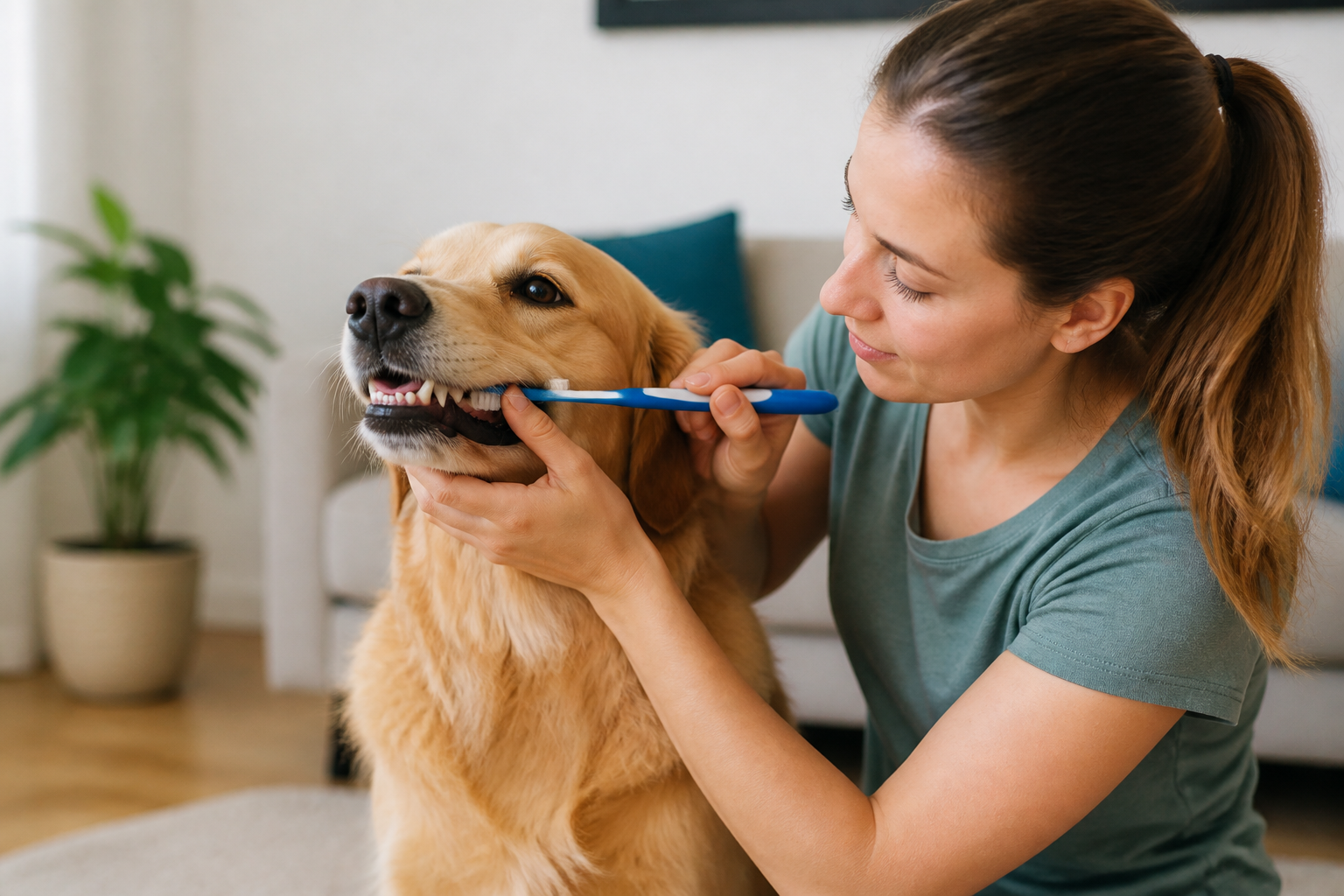
You lean in for a happy morning nuzzle only to be met with a cloud of breath that smells like old gym socks and swamp water. It is a common moment for many owners. We often joke about "dog breath" as a simple fact of life. However, that lingering odor is usually the first sign that something is wrong in your dog's mouth. At BaxterBoo, we have spent years helping pet owners find the right tools to keep their furry friends healthy from head to tail. This guide covers the essential reasons why dental hygiene is not optional for dogs. We will explain how to start a brushing routine, what tools you need, and when it is time to call in the professionals. Understanding the "why" and "how" of dental care can add years of comfort to your dog's life.
Quick Answer: Yes, you should clean your dog's teeth through daily brushing and regular professional checkups. Neglecting dental hygiene leads to painful gum disease, tooth loss, and potential damage to internal organs like the heart and kidneys.
The Reality of Canine Dental Disease
Dental disease is the most common health issue seen by veterinarians today. In fact, most dogs show some sign of periodontal disease by the time they reach three years of age. It starts simply enough with plaque. This is a sticky film of bacteria that forms on the teeth within hours of eating. If you do not brush it away, it combines with minerals in the saliva to become tartar. Tartar is the hard, brown substance you see near the gum line. You cannot brush tartar away at home. Once it forms, it requires professional scaling to remove.
The problem is not just about yellow teeth or bad breath. When bacteria sit against the gums, they cause inflammation known as gingivitis. You might notice a thin red line where the tooth meets the gum. If left alone, this progresses to periodontal disease. This stage involves the destruction of the tissues and bone that hold the teeth in place. It is a painful process that can make eating difficult and lead to expensive extractions.
Key Takeaway: Plaque turns into rock-hard tartar in as little as 36 to 48 hours. Consistent daily care is the only way to stop this cycle before it requires surgical intervention.
Why Dental Health Matters Beyond the Mouth
A dog's mouth is the gateway to their entire body. When the gums are inflamed or infected, the blood vessels in the mouth are often compromised. This allows oral bacteria to enter the bloodstream. Once these bacteria are circulating, they can settle in major organs. The heart, liver, and kidneys are especially vulnerable to this bacterial "seeding."
Infections in the heart valves, known as endocarditis, have been linked to poor oral hygiene in dogs. Chronic dental issues also put a constant strain on the immune system. Your dog's body is perpetually fighting a low-level infection in the mouth. This leaves them with less energy to handle other health challenges. For senior dogs or those with existing conditions, keeping the mouth clean is a vital part of overall health management.
Small Breeds and Higher Risks
If you own a small or toy breed, dental care is even more critical. Breeds like Chihuahuas, Pugs, and Yorkies often have crowded mouths. Their teeth are large relative to their small jaws. This crowding creates many nooks and crannies where food and bacteria hide. Small dogs also tend to have less bone mass in their jaws. A small amount of bone loss from dental disease can lead to a broken jaw. We see many owners of small dogs who are surprised by how fast dental issues progress compared to larger breeds.
Signs Your Dog Needs Urgent Dental Attention
Dogs are masters at hiding pain. This is an evolutionary trait from their wild ancestors. Showing weakness could make them a target. Because of this, many dogs will continue to eat even when they have a throbbing toothache or a dental abscess. You cannot rely on a loss of appetite as your only sign that something is wrong. You must be proactive in checking their mouth.
Look for these specific warning signs during your weekly checks:
- Red, swollen, or bleeding gums
- Heavy tartar buildup (yellow or brown crust)
- Excessive drooling or dropping food while eating
- Pawing at the mouth or rubbing the face on the floor
- Lumps or bumps on the gums or under the tongue
- Loose, broken, or missing teeth
- A change in behavior, such as becoming irritable or withdrawing from play
Vet Tip: If you notice blood on your dog's chew toys or in their water bowl, it is time for a veterinary consult. Bleeding gums are a clear sign of active infection that needs professional diagnosis.
Building the Ultimate Dog Dental Toolkit
You cannot use your own supplies to clean your dog's teeth. Human toothpaste often contains fluoride or Xylitol. Xylitol is a sweetener that is highly toxic to dogs. It can cause a rapid drop in blood sugar and liver failure. Even the foaming agents in human paste can cause an upset stomach because dogs cannot spit out the excess.
A proper kit includes several specialized items. First, you need an enzymatic dog toothpaste. These are formulated to work chemically to break down plaque even if you do not get a perfect scrub. They also come in flavors dogs actually enjoy, such as poultry, beef, or peanut butter. A product such as Virbac C.E.T. Enzymatic Pet Toothpaste for Dogs and Cats - Poultry is formulated specifically for pets.
For the brush, you have options. A finger brush is a small rubber cap that fits over your index finger. It gives you great control and is a good starting point for puppies. A long-handled dog toothbrush allows you to reach the back molars without putting your hand too far into the mouth. Some brushes have angled heads to reach both the top and bottom teeth simultaneously. You can find additional brushes and oral-care options in our dog dental care category.
Bottom line: Invest in dog-specific enzymatic toothpaste and a brush that fits your dog's mouth size to ensure safety and effectiveness.
A Step-by-Step Guide to Brushing Success
Most dogs will not let you scrub their teeth for two minutes on the first try. You have to build trust. This process can take a few weeks. If you rush it, your dog might become fearful of the brush. This makes the task much harder for both of you.
Step 1: Get them used to mouth handling. / Start by gently rubbing your finger along your dog's lips and gums. Do this while they are relaxed and reward them with praise or a tiny treat.
Step 2: Introduce the flavor. / Put a small amount of dog toothpaste on your finger and let them lick it off. You want them to view the paste as a treat.
Step 3: The finger rub. / Once they like the taste, use your finger to rub the paste directly onto their teeth and gums. Focus on the outside surfaces where plaque accumulates most.
Step 4: Introduce the brush. / Show them the toothbrush with some paste on it. Let them sniff and lick the bristles. Gently brush just the front teeth in a circular motion.
Step 5: Reach the back. / Gradually move toward the back molars. Lift the lip to see what you are doing. You do not need to brush the inside of the teeth. A dog's tongue usually keeps that area relatively clean.
Step 6: Reward and repeat. / Always end on a positive note. Give them a special reward that they only get after brushing. Aim for once a day, but three times a week is a realistic goal for many busy owners.
For more guidance on building a routine, read these pet dental care tips.
The Role of Dental Chews and Toys
While brushing is the gold standard, it is not the only way to help. Some dogs simply will not tolerate a brush. In these cases, you can use mechanical cleaning through toys and treats. High-quality dental chews are designed to scrape the tooth surface as the dog bites down. Look for products that have the VOHC seal of approval. This indicates they have been tested for their ability to reduce plaque and tartar. Our dog dental chews offer options for adding mechanical cleaning to your dog's routine.
Rubber toys with ridges or nubs can also help. As the dog chews, the rubber massages the gums and helps dislodge food particles. Avoid very hard items like real bones, antlers, or hard plastic toys. These are often harder than the tooth enamel itself. We frequently see dogs with "slab fractures." This is when a piece of the tooth shears off because the dog bit down too hard on a rigid object.
Key Takeaway: Dental chews are a great supplement to brushing but should not be the only form of care. Think of them like chewing sugarless gum for humans. It helps, but it does not replace the toothbrush.
For additional ideas, explore 10 best dental chews for dogs.
Professional Cleanings and the BaxterBoo Pharmacy
Even with the best home care, most dogs will eventually need a professional cleaning. A vet can do things you simply cannot do at home. This includes cleaning under the gum line and taking dental X-rays. X-rays are crucial because 60 percent of dental disease happens below the gum line where you cannot see it.
Professional cleanings are performed under general anesthesia. This allows the vet to scale the teeth safely and conduct a thorough exam without causing stress or pain. Some owners worry about anesthesia, but for a healthy dog, the risks are very low. The risk of untreated infection is often much higher.
For dogs with chronic dental issues, your vet might prescribe specific medications or therapeutic diets. Through our partnership with Pet's Choice, the pet pharmacy offers a range of FDA-approved medications and prescription pet foods. We carry specialized dental diets from brands like Royal Canin and Farmina Vet Life. These foods are often formulated with a specific fiber matrix that scrubs the teeth and minerals that bind calcium in the saliva to prevent tartar.
Vet Tip: Talk to your veterinarian about a professional dental exam at every annual checkup. They can help you determine if your dog needs a deep cleaning or a specialized prescription diet to manage their oral health.
Making Dental Care a Habit
Consistency is the most important part of pet dental care. It is easier to prevent a problem than to fix one. If you start a routine when your dog is a puppy, they will view it as just another part of their day. For older dogs, it is never too late to start. You might just need to go a bit slower. If you are starting with a young dog, this guide to puppy teeth offers another helpful perspective.
Remember that dental care is an investment. A bottle of dog toothpaste and a brush are inexpensive. A full dental surgery with extractions and anesthesia can cost hundreds or even thousands of dollars. By spending two minutes a day on your dog's teeth, you are protecting their heart, their comfort, and your wallet.
At BaxterBoo, we carry a wide variety of dental supplies, from enzymatic pastes to durable chew toys. Our MVP Rewards program also helps you earn points on every dental care purchase. This makes it easier to keep your supplies stocked all year long.
- Check the mouth once a week for redness or tartar.
- Brush at least three times a week using dog-safe paste.
- Provide VOHC-approved dental chews for mechanical cleaning.
- Schedule annual professional exams with your veterinarian.
FAQ
Is it really necessary to brush a dog's teeth if they chew on bones?
Yes, brushing is still necessary because bones can be a double-edged sword. While they offer some mechanical cleaning, they often fail to reach the gum line where bacteria thrive and can cause painful tooth fractures. Many veterinarians actually recommend against hard bones and antlers because they are a leading cause of broken teeth in dogs.
Can I use baking soda to clean my dog's teeth?
It is best to avoid using straight baking soda because it has a high alkaline content that can upset a dog's stomach if swallowed in large amounts. It also lacks the enzymatic action found in specialized dog toothpastes that helps break down plaque chemically. Dog-specific pastes are much safer and come in flavors that make the experience more pleasant for your pet.
How do I know if my dog is in pain from their teeth?
Dogs often show subtle signs of dental pain, such as dropping pieces of kibble, chewing on only one side of their mouth, or becoming suddenly shy about having their head touched. You might also notice they stop playing with their favorite tug toys or seem more lethargic than usual. If you see any of these behavioral changes alongside bad breath, a vet visit is needed.
At what age should I start cleaning my dog's teeth?
You should start getting your dog used to mouth handling as early as eight weeks old. While puppies will lose their baby teeth, starting the routine early helps them accept brushing as a lifelong habit. This prevents the struggle of trying to introduce a toothbrush to an adult dog who is already experiencing mouth sensitivity or fear.






