
 Save 15% on your 1st Autoship learn more

 Email us
 Live Chat
 FAQs
FAQs





Introduction
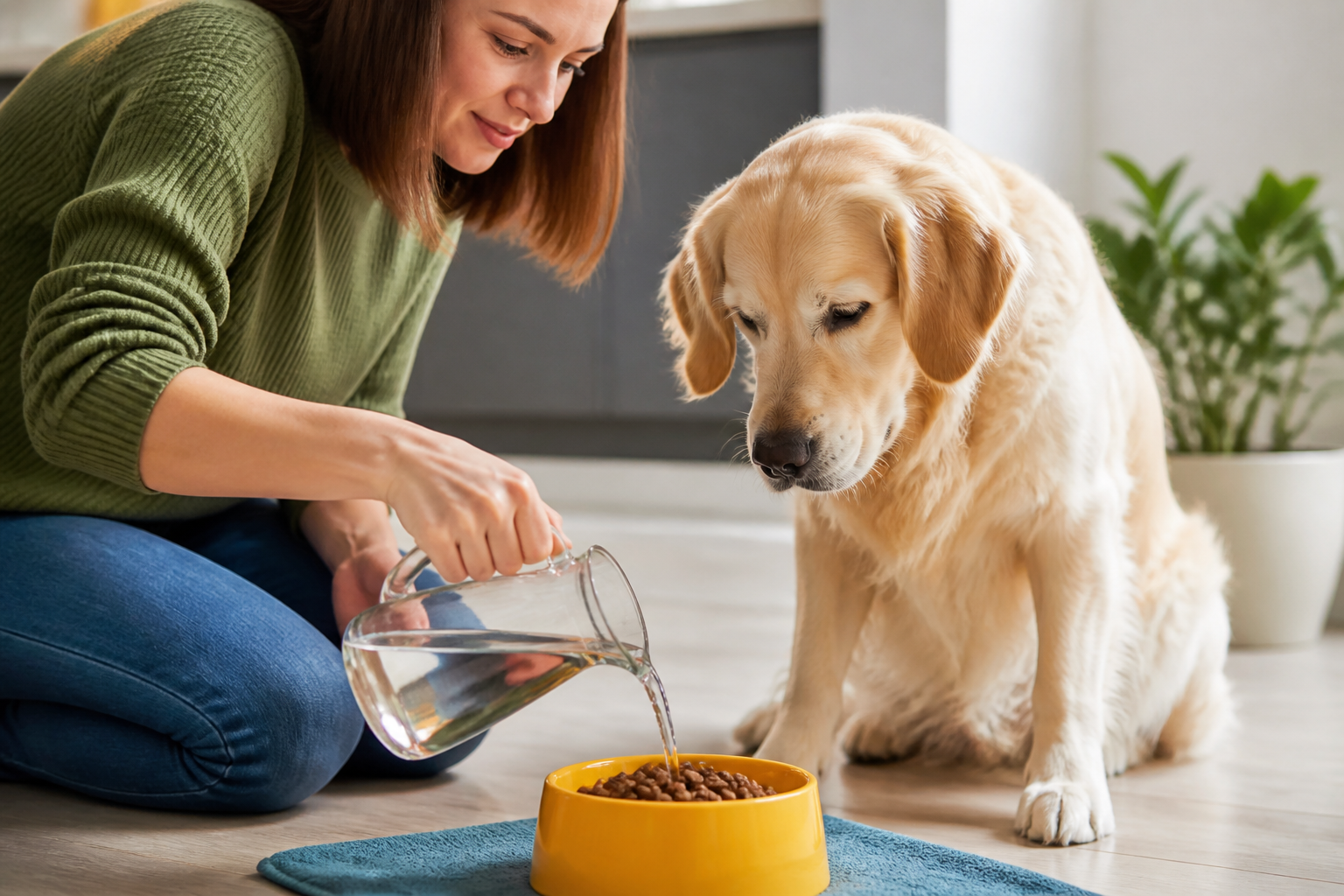
You are standing in the kitchen while your dog watches you scoop dry kibble into a bowl. You might wonder if those crunchy nuggets are too dry or if your pet would enjoy a bit of moisture. At BaxterBoo, we hear this question often from owners who want to improve their dog's mealtime experience. Adding water to dry food is a common practice that can offer several health benefits. It can help with hydration, make food smell better, and assist senior dogs with chewing. However, there are also safety steps you must take to prevent bacteria from growing in the bowl. This article explains when you should wet your dog's dry food and how to do it safely.
The Importance of Hydration in a Dog's Diet
Water is the most important nutrient for your dog. It supports every bodily function, including digestion and temperature regulation. While many dogs drink enough from their water bowls, some are notoriously poor drinkers. Dogs that eat only dry kibble miss out on the moisture found in fresh or canned foods. Dry food typically contains only about 10 percent moisture. Adding a splash of water to the bowl ensures your dog gets extra fluids with every meal.
This is particularly helpful for dogs that have a history of urinary tract issues. Increased water intake helps flush the kidneys and bladder. It can reduce the concentration of minerals that might lead to stones. If your dog spends a lot of time outside in the heat, extra hydration is even more critical. Wetting the food is a proactive way to keep their system running smoothly. Explore our dog food selection when comparing dry and moisture-rich meal options.
Key Takeaway: Adding water to kibble is an easy way to boost daily fluid intake for dogs that do not drink enough from their bowls.
Improving Palatability for Picky Eaters
Some dogs view dry kibble as boring. If your dog hesitates to eat, the lack of aroma might be the reason. Dogs rely heavily on their sense of smell to determine if food is worth eating. Dry kibble is processed at high temperatures, which locks in the fats and scents. Adding warm water to the bowl changes this.
The heat from the water helps release the natural oils and aromas in the food. This creates a savory scent that can entice even the most stubborn eaters. It also creates a light gravy that coats the kibble. This change in texture and smell can make a standard meal feel like a special treat. If your dog is recovering from an illness and has a low appetite, this simple step can encourage them to start eating again.
Benefits for Puppies and Senior Dogs
Life stage plays a huge role in whether you should wet dry food. Puppies often have sensitive gums as their adult teeth come in. Hard kibble can be painful to crunch during this time. Softening the food with warm water makes it much easier for them to swallow. It also helps them transition from milk or wet starters to solid adult food. New puppy owners can also browse our puppy supplies for feeding essentials.
Senior dogs face different challenges. Many older dogs suffer from dental disease, missing teeth, or weakened jaw strength. At BaxterBoo, we find that many senior owners switch to wetting food to keep their pets comfortable. Softened food requires less effort to chew, which ensures the dog continues to get the calories they need. If a senior dog stops eating, it is often due to mouth pain rather than a lack of hunger.
Vet Tip: If your senior dog suddenly stops eating hard kibble, consult your veterinarian to rule out dental pain or underlying health issues. Our pharmacy offers prescription diets through our partnership with Pet's Choice for dogs managing chronic health conditions.
Supporting Digestion and Weight Management
Adding water to dry food can change how the stomach processes the meal. When a dog eats dry kibble, the pieces often swell in the stomach as they absorb natural digestive juices. For some dogs, this can lead to gas or discomfort. Pre-soaking the food allows it to expand before it enters the body. This can make the digestion process feel more comfortable for dogs with sensitive stomachs.
Wetting food can also help with weight management. The added water increases the volume of the meal without adding extra calories. This helps your dog feel full faster. If you are trying to help your dog lose a few pounds, the extra bulk from the water can prevent them from begging for more. It is a simple way to manage satiety while sticking to a strict calorie count.
Signs Your Dog Might Benefit from Wet Kibble
- They often leave dry kibble behind in the bowl.
- They drink very little water throughout the day.
- They seem to struggle with the hardness of the nuggets.
- They are currently losing weight due to a low appetite.
- They experience frequent gas after eating dry food.
Understanding the Risks of Spoilage
While wetting food has many benefits, it comes with a significant responsibility regarding hygiene. Dry kibble is shelf-stable because it lacks moisture. Once you add water, you create a perfect environment for bacteria to grow. Salmonella and Listeria thrive in warm, damp environments. If you leave wet kibble out for too long, it can become a health hazard.
You should never leave moistened kibble at room temperature for more than 30 to 60 minutes. If your dog is a grazer who likes to nibble throughout the day, wetting the food might not be the best choice. Bacteria can multiply quickly, leading to digestive upset or even food poisoning. Always wash the bowl thoroughly with soap and hot water after every meal to remove any leftover residue or biofilm.
The Impact on Dental Health
One of the main arguments for keeping kibble dry is dental health. The hard, crunchy texture of dry food can help scrape some plaque from the surface of the teeth. This is often called the mechanical cleaning effect. When you soak the food, you lose this abrasive quality. The mushy food can actually stick to the teeth and gums more easily.
If you choose to wet your dog's food, you must be more diligent about their oral care. You cannot rely on food alone to keep teeth clean. Regular brushing and the use of dental treats become more important. Our dog healthcare supplies include products that can support a consistent oral-care routine.
Key Takeaway: Softening food removes the natural cleaning action of crunchy kibble, so you must increase manual tooth brushing and dental care.
The Science Behind Feeding Water-Softened Food
Some studies have looked into how softened food affects dogs over time. One study involving beagles suggested that feeding softened food might lead to higher cortisol levels in some cases. This could be due to changes in the gut microbiome or how the body handles the food. The study also noted an increase in certain types of bacteria in the digestive tract.
While this does not mean wetting food is inherently dangerous, it does highlight the need for freshness. The potential for bacterial growth is the primary concern for researchers. As long as you serve the food immediately and keep the bowl clean, most healthy dogs will thrive. Always monitor your dog for changes in stool quality or energy levels when you change their feeding routine.
Step-by-Step Guide to Wetting Your Dog's Food
If you decide to try wetting your dog's kibble, follow these steps to ensure the best results.
Step 1: Measure the portion. / Start with the standard amount of dry food your dog usually eats.
Step 2: Choose your liquid. / Use clean, filtered water or a dog-safe bone broth.
Step 3: Check the temperature. / Use warm water rather than boiling water. Boiling water can destroy some of the vitamins in the food and burn your dog's mouth.
Step 4: Use the right ratio. / Start with a 1:4 ratio of water to kibble. For every cup of food, add about a quarter cup of liquid.
Step 5: Let it soak. / Wait about 5 to 10 minutes for the kibble to absorb the moisture and soften.
Step 6: Serve immediately. / Place the bowl down and allow your dog to eat. Remove any leftovers after 30 minutes.
Bottom line: Controlled soaking with warm water provides the benefits of hydration without the risks of nutrient loss.
Alternatives to Adding Water
If your dog does not like the texture of soggy kibble, there are other ways to add moisture and flavor. You can mix a small amount of canned wet food into the dry pieces. This is often called "topping." It provides a variety of textures and a boost of protein and moisture. Many owners find this to be a more effective way to manage picky eaters. You can also compare our dog treats and toppers for additional mealtime options.
Another option is using a commercial bone broth designed for pets. Brands like Honest Paws or Stella and Chewy’s offer toppers that add nutrition and hydration. These broths often contain collagen and amino acids that support joint health. Avoid using human-grade broths from the grocery store. Those often contain onions, garlic, and high levels of salt, which are toxic to dogs.
When to Consult Your Veterinarian
Changing your dog’s diet should always be done with care. If you are wetting food because your dog has lost weight or seems ill, a vet visit is necessary. They can help determine if there is an underlying issue like kidney disease or dental infection. Your vet can also provide guidance on the correct caloric intake for your pet.
Our pet pharmacy at BaxterBoo provides access to FDA-approved medications and prescription diets through Pet's Choice. If your dog requires a specific medical diet, such as Farmina Vet Life, our team can help you manage those needs. Prescription foods are often formulated for specific conditions like urinary stones or obesity. Your vet can help you decide if wetting these specific diets is appropriate for your dog’s treatment plan.
Tips for Managing the Mess
Wetting food is objectively messier than feeding dry kibble. The softened pieces can stick to your dog's face, especially if they have a long beard or floppy ears. You may notice more splatters on the floor around the feeding station. To keep your home clean, consider using a silicone feeding mat with raised edges. This will catch any drips or dropped pieces.
Clean the mat daily to prevent a buildup of old food. If your dog has a lot of facial hair, keep a damp cloth nearby to wipe their muzzle after they eat. This prevents the wet food from drying in their fur and causing odors or skin irritation. Keeping the environment clean is just as important as keeping the food bowl clean.
Best Practices for Food Safety
- Use a stainless steel or ceramic bowl instead of plastic.
- Discard any moistened food that has sat out for more than an hour.
- Never add more water to "old" wet food to refresh it.
- Wash your hands after handling dry or wet pet food.
- Store your dry kibble in its original bag inside an airtight container.
How Wetting Food Affects Puppies
For new puppy owners, wetting food is almost a requirement during the weaning stage. Puppies transition from their mother's milk to solids around four to six weeks of age. During this time, their digestive systems are still developing. Very hard kibble can be difficult for them to break down.
A "gruel" made of crushed kibble and warm water is a standard starter meal. As the puppy grows, you can gradually decrease the amount of water. By the time they are four or five months old, many puppies can handle fully dry food. However, continuing to add a little moisture can help keep them hydrated during their high-energy growth spurts.
Weighing the Pros and Cons
Deciding whether to wet your dog's food involves balancing convenience and health. For most dogs, the added hydration and flavor are clear wins. It is a low-cost way to improve their daily routine. The main drawback is the extra time required for preparation and cleaning.
If you have a busy schedule and cannot monitor the bowl, sticking to dry food is safer. You can provide hydration through multiple water bowls or a pet fountain instead. If you have the time to supervise mealtimes, wetting the food is an excellent way to support long-term wellness. Every dog is an individual, so observe how your pet reacts to the change. For recurring food orders, consider our Autoship programme for added convenience.
Key Takeaway: The decision to wet dry food should be based on your dog's age, dental health, and your ability to maintain a strict cleaning schedule.
Transitioning Your Dog to Wet Kibble
If your dog has always eaten dry food, do not switch to a full bowl of mush overnight. Start by adding just a tablespoon or two of warm water. Let them get used to the slightly damp texture. Over the course of a week, you can increase the water until you reach the desired consistency.
Pay attention to their digestion during this transition. Some dogs may have softer stools as they adjust to the increased moisture. If you notice any signs of diarrhea or discomfort, slow down the transition. Once your dog is used to the change, you will likely find that they look forward to mealtime even more than before.
Conclusion
Adding water to your dog's dry food is a simple yet effective way to support their health. It provides essential hydration, helps picky eaters enjoy their meals, and makes eating easier for seniors and puppies. While you must be careful about food safety and dental hygiene, the benefits often outweigh the risks. At BaxterBoo, we believe that small changes in feeding can lead to a happier and healthier pet. If you are looking for ways to enhance your dog's nutrition, consider trying a high-quality topper or exploring our freeze-dried pet food selection. For dogs with specific health needs, our pharmacy is always available to help you find the right prescription solutions through our partnership with Pet's Choice.
FAQ
Is it better to put warm or cold water in dog food?
Warm water is generally better because it helps release the aromas and fats in the kibble. This makes the food more appealing to your dog and helps the kibble soften faster. Never use boiling water, as it can cause burns and may damage some of the heat-sensitive vitamins in the food.
Can wetting dry food cause dental problems?
Wetting the food removes the crunchy texture that helps scrape plaque off a dog's teeth. If you switch to wet kibble, you should be more diligent about brushing your dog's teeth. Using dental treats and regular veterinary cleanings can help offset the loss of the kibble's abrasive action.
How long can I leave wet kibble in the bowl?
You should remove any uneaten moistened food after 30 to 60 minutes. Once water is added, the food becomes a breeding ground for bacteria like Salmonella and mold. For the safety of your pet, it is best to treat it like a fresh meal and discard any leftovers quickly.
Does adding water to kibble help with bloat?
The relationship between soaked food and bloat is complex and should be discussed with a vet. Some believe soaking food prevents it from expanding in the stomach, while others worry about how quickly a dog might gulp down soft food. For breeds prone to bloat, using a slow feeder bowl and feeding smaller, more frequent meals is often recommended.






