
 Save 15% on your 1st Autoship learn more

 Email us
 Live Chat
 FAQs
FAQs





Introduction
You approach your dog with a toothbrush and a pea-sized dab of poultry flavored paste. Suddenly, your normally snuggly companion becomes a master of evasion. Some dogs hide under the coffee table while others clamp their jaws shut like a vault. If this scenario sounds familiar, you are not alone. Brushing a dog's teeth is the gold standard for oral health, but for many owners, it is a daily battle that ends in frustration for both parties.
At BaxterBoo, we believe that dental care should not feel like a wrestling match. While nothing replaces the mechanical action of a toothbrush perfectly, there are several effective ways to maintain your dog's oral hygiene through other means. This post covers the most reliable alternatives to brushing, from clinically backed powders to specialized diets. Our goal is to help you build a routine that keeps your dog's breath fresh and their gums healthy without the stress of a toothbrush.
Quick Answer: You can keep a dog's teeth clean without brushing by using VOHC-approved dental powders, water additives, and dental chews. These products use systemic ingredients or mechanical abrasion to reduce plaque and tartar buildup during your dog's normal daily routine.
The Difference Between Plaque and Tartar
Understanding how to clean your dog's mouth starts with knowing what you are fighting. Plaque is a soft, sticky film of bacteria that forms on the teeth within hours of eating. At this stage, it is relatively easy to remove with simple chewing or additives. If plaque stays on the tooth for more than 48 hours, it begins to mineralize.
Once plaque mineralizes, it becomes tartar, also known as calculus. Tartar is a hard, yellowish brown substance that bonds strongly to the enamel. You cannot remove tartar with a chew toy or a water additive. It requires professional scaling by a veterinarian. This is why consistency matters more than the specific method you choose. Your daily goal is to disrupt plaque before it has a chance to turn into rock-hard tartar.
Key Takeaway: Plaque is a soft film that turns into hard tartar in about two days. Daily intervention is necessary to prevent tartar from bonding to the teeth.
Using Dental Powders for Hands-Free Care
Dental powders are perhaps the easiest way to support oral health for dogs who refuse to let you touch their mouths. These products are designed to be sprinkled directly onto your dog's food at mealtime. Many owners prefer this method because it requires zero handling of the dog's jaw or lips.
The most effective powders often contain a specific type of seaweed called Ascophyllum nodosum. This seaweed works systemically. Once your dog ingests it, the compounds are absorbed into the bloodstream and eventually released into the saliva. These compounds help break down the bacterial film that allows plaque to stick to the teeth.
- Look for the VOHC seal on the packaging to ensure the product is clinically tested.
- Most powders are highly palatable and taste like kelp or mild fish.
- It typically takes three to eight weeks of daily use to see a visible difference in breath and plaque levels.
- Powders work 24 hours a day as they are constantly present in the saliva.
We often recommend these for senior dogs who might be too sensitive for traditional brushing. Brands like ProDen PlaqueOff Powder Dog and Cat Teeth Care have spent years researching how these natural ingredients affect oral biofilm. It is a simple addition to a morning bowl of kibble that pays off in long-term health.
The Role of Dental Chews and Treats
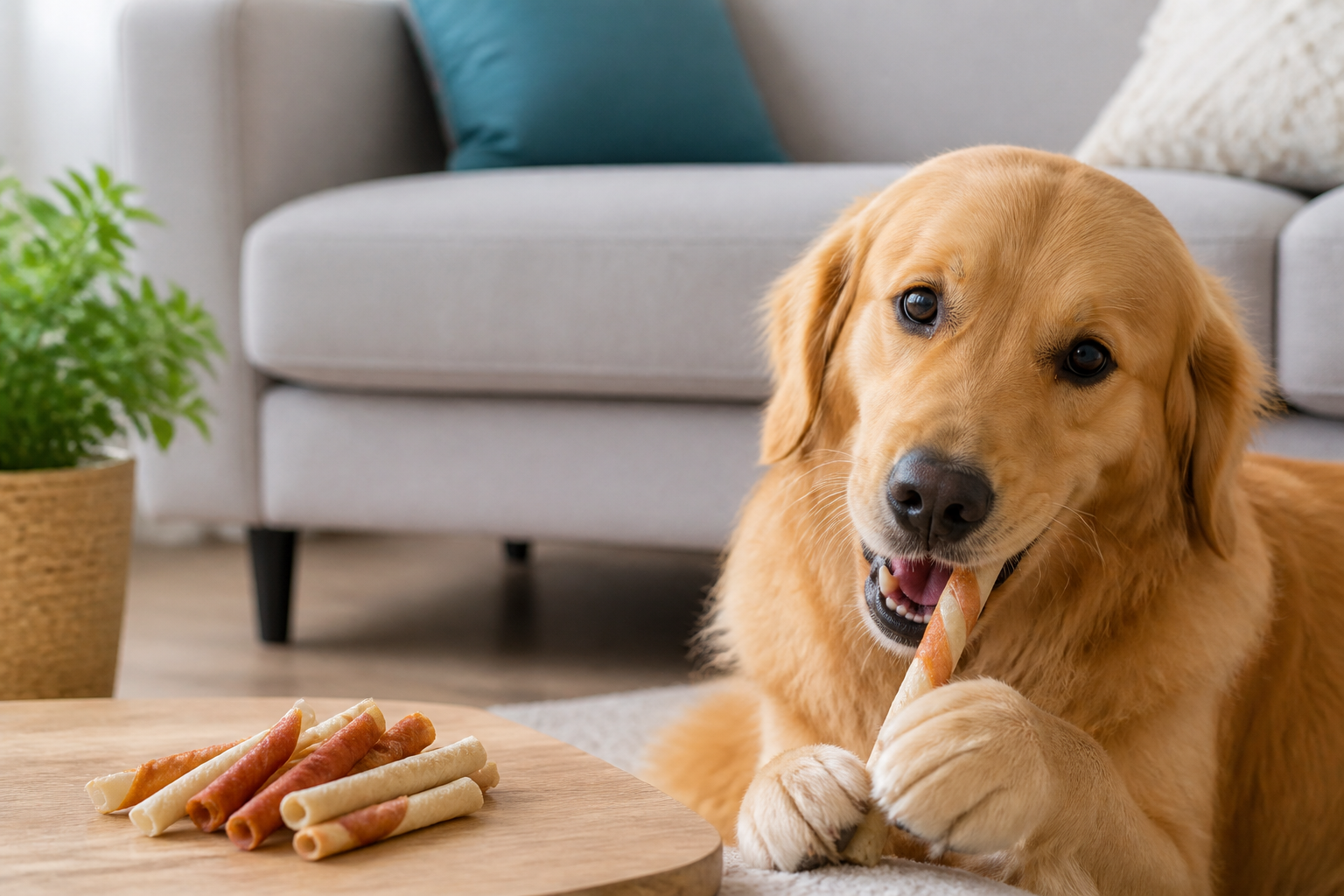
Dental chews are the most popular alternative to brushing because dogs view them as a reward. These treats work through a combination of mechanical scraping and chemical plaque fighters. As your dog chews, the texture of the treat rubs against the surface of the teeth, acting like a very mild scrub brush.
However, not all dental treats are created equal. A treat that your dog swallows in two bites will not do much for their teeth. To be effective, the chew must be durable enough to encourage several minutes of active gnawing. This action is what helps clean the molars and the gumline where most problems start. For more ideas, explore dental chews for dogs.
Choosing the Right Size
Size is the most important factor when selecting a dental chew. If the treat is too small, your dog might gulp it down, creating a choking hazard. If it is too large, they may lose interest or consume too many calories. Most brands offer specific sizes for toy, small, medium, and large breeds.
Look for Active Ingredients
Some chews, like those from OraVet or Greenies, contain ingredients that create a barrier on the teeth. This barrier makes it difficult for new bacteria to attach to the enamel. Other chews use enzymes to help dissolve plaque chemically while the dog chews physically.
Vet Tip: Always supervise your dog while they enjoy a dental chew. If your dog is a "gulper" who tries to swallow large pieces, these treats may pose a digestive risk. Choose a size larger than you think you need to encourage more chewing time.
Water Additives as a Supplemental Tool
Water additives are often described as mouthwash for dogs. You simply add a measured amount of the liquid to your dog's water bowl each time you refill it. Most of these products are odorless and tasteless, so even picky dogs will continue to drink their water without hesitation.
These additives usually contain enzymes or antibacterial agents like zinc gluconate. They work by lowering the bacterial load in the mouth and freshening the breath. While they are very convenient, they should generally be used as a supplement to another method rather than a standalone solution. They do not provide the mechanical scraping needed to remove thick plaque, but they are excellent for maintaining the health of the gums and killing bacteria that cause odor. One example is Synergy Labs Dental Fresh Water Additive Dog Original Formula.
How to Introduce Water Additives
- Start with a half dose in the water bowl to ensure your dog likes the taste.
- Observe your dog to make sure they are still drinking the same amount of water.
- Gradually move up to the full recommended dose over several days.
- Clean the water bowl daily to prevent any film buildup from the additive itself.
Prescription Dental Diets
If your dog is prone to rapid tartar buildup, your veterinarian might suggest a prescription dental diet. These foods are different from standard kibble in two major ways. First, the kibble size is much larger. This forces the dog to crunch and chew rather than swallowing the pieces whole.
Second, the structural matrix of the kibble is designed not to shatter immediately. In regular dog food, the kibble crumbles as soon as a tooth hits it. Dental diets like Royal Canin Dental or Hill's Prescription Diet t/d use a fiber network that allows the tooth to sink into the kibble. This provides a deep cleaning action all the way down to the gumline.
Our pet pharmacy for dogs carries a variety of these FDA-approved prescription pet foods through our partnership with Pet's Choice. Because these diets are formulated for specific health needs, you will need a valid prescription from your vet. This is often a great choice for small breeds like Yorkies or Chihuahuas who have crowded teeth and are at higher risk for gum disease.
Toys That Double as Toothbrushes
Playtime can be a productive part of your dental routine. Certain rubber and nylon toys are designed specifically to massage the gums and scrape the teeth. Look for toys with ridges, nubs, or a "bristle" texture.
As your dog chews on these surfaces, the nubs reach into the crevices between the teeth. Some toys even allow you to smear a little dog-safe enzymatic toothpaste or peanut butter into the grooves. This encourages the dog to chew longer and deeper, providing a more thorough cleaning. You can also read about how dental toys support chewing and oral care.
- Cotton rope toys can act like dental floss as the fibers slide between teeth.
- Natural rubber toys with hollow centers are great for stuffing with healthy treats.
- Avoid toys that are too hard, such as real animal antlers or thick nylon bones.
- If a toy is hard enough to hurt your shin if you hit it, it is hard enough to fracture a dog's tooth.
Key Takeaway: Combine play and health by choosing textured rubber toys that reach the back molars. Avoid extremely hard items that can cause tooth fractures.
Natural Options and Raw Vegetables
Some owners prefer to use whole foods to help keep teeth clean. Raw carrots are a classic example. They are crunchy, low in calories, and most dogs love the flavor. The firm texture of a raw carrot can provide some mild mechanical cleaning as the dog crunches through it.
Slices of apple (without seeds) or stalks of celery can also provide a similar effect. While these are healthy snacks, they do not contain the plaque-fighting enzymes found in professional dental products. Use them as a supplemental treat rather than your primary dental care method.
Identifying Signs of Dental Distress
Even if you are diligent with no-brush cleaning methods, you must stay alert for signs of trouble. Dogs are experts at hiding pain. Often, by the time a dog stops eating, the dental disease is quite advanced. For additional guidance, review these warning signs of dental problems in dogs.
Bad Breath
While "dog breath" is a common phrase, a healthy dog's mouth should not smell foul. If your dog has breath that smells like rotting meat, sweet fruit, or ammonia, it is time for a professional checkup. This is often the first sign of a bacterial infection.
Red or Bleeding Gums
Flip your dog's lip and look at the gumline. The gums should be a healthy pink color. If they are bright red, swollen, or bleed when your dog chews on a toy, they likely have gingivitis. This inflammation can lead to periodontal disease, which destroys the bone supporting the teeth.
Change in Eating Habits
If your dog suddenly starts dropping kibble from their mouth or chewing only on one side, they may have a painful tooth. Some dogs will even shy away when you try to pet their face.
Vet Tip: If you notice heavy tartar buildup or your dog seems painful when eating, please consult your veterinarian. At-home methods are preventative and cannot fix a fractured tooth or an abscess. A professional cleaning under anesthesia is often necessary to reset your dog's oral health.
Why the VOHC Seal Matters
When you shop for dental products at BaxterBoo or your local vet, you will often see a yellow and white seal from the Veterinary Oral Health Council. This is not just a marketing sticker. The VOHC is an independent organization of veterinary dentists.
They only award the seal to products that provide clinical data proving they reduce plaque or tartar by at least 20 percent. Many products on the market claim to "support dental health" but have no scientific proof. Choosing VOHC-approved chews or powders ensures that you are spending your money on something that actually works.
Building a No-Brush Routine
The secret to success is layering different methods. No single alternative is as good as brushing, but three alternatives used together can be very effective.
A Sample Daily Routine
- Morning: Add dental powder to your dog's breakfast.
- Afternoon: Provide one VOHC-approved dental chew after their midday walk.
- Evening: Use a textured rubber toy for 15 minutes of interactive play.
- Ongoing: Maintain a water additive in their primary drinking bowl.
Bottom line: Consistency is more important than the specific tool you use, so pick the methods your dog enjoys most.
Professional Cleaning and Your Vet's Role
Even with the best at-home care, most dogs will eventually need a professional cleaning. Think of it like your own dental visits. You brush and floss daily, but you still go to the dentist twice a year for a deep clean.
During a professional veterinary cleaning, your dog is placed under general anesthesia. This allows the vet to clean the areas you cannot see, specifically the space under the gumline where bacteria do the most damage. They will also take X-rays to check for bone loss or hidden infections.
If you are concerned about the cost or the anesthesia, talk to your vet about your dog's specific risks. Modern anesthesia is very safe, and preventing a massive infection in the jaw is always better than treating one after it happens. For a broader overview, see these pet dental care tips.
Conclusion
Keeping your dog's teeth clean without a toothbrush is entirely possible if you are consistent and use the right tools. By combining high-quality dental powders, VOHC-approved chews, and specialized diets, you can significantly reduce the risk of gum disease and bad breath. Remember to monitor your dog's mouth for redness or odor, and always involve your veterinarian in your pet's oral health plan.
Our pharmacy at BaxterBoo is ready to help with prescription dental diets and professional-grade preventatives through our partnership with Pet's Choice. For everyday maintenance, explore our Greenies Dental Dog Chew - Fresh and water additives. If you stay ahead of the plaque, your dog can enjoy a lifetime of healthy smiles and fresh breath.
- Choose VOHC-approved products for proven results.
- Combine mechanical chewing with systemic powders.
- Monitor for red gums or bad breath regularly.
- Schedule annual vet exams to catch issues early.
Key Takeaway: A daily routine using multiple no-brush methods is the best way to prevent tartar buildup and avoid painful dental procedures later in life.
FAQ
Can dental chews really replace brushing?
While dental chews are not a 100 percent replacement for the mechanical action of brushing, they are a highly effective alternative for dogs that resist the toothbrush. High-quality chews with the VOHC seal are specifically designed to scrape away plaque and contain active ingredients to inhibit tartar. For the best results, use them daily and combine them with a dental powder or water additive.
Why does my dog's breath still smell after using water additives?
Water additives are great at reducing bacteria in the mouth, but they cannot remove existing tartar that has already hardened on the teeth. If your dog's breath remains foul despite daily use, there may be an underlying issue like a decayed tooth or gum disease. It is best to have a veterinarian perform a thorough oral exam to rule out infections that require professional treatment.
Is it safe to give my dog dental chews every day?
Yes, most dental chews are formulated for daily use, but you must account for the extra calories in your dog's daily diet. To prevent weight gain, you may need to slightly reduce the amount of food you put in their bowl. Always choose the correct size for your dog's weight to ensure they can digest the treat properly and get the maximum cleaning benefit.
How do I know if a dental powder is working?
You should notice an improvement in your dog's breath within the first few weeks of consistent use. Over a period of two months, you may see that the plaque on their teeth looks thinner or is easier to scrape away. Keep in mind that powders are preventative, so their main job is to stop new buildup from forming rather than removing old, thick tartar.






