Save 15% on your 1st Autoship learn more

 Email us
 Live Chat
 FAQs
FAQs





Introduction
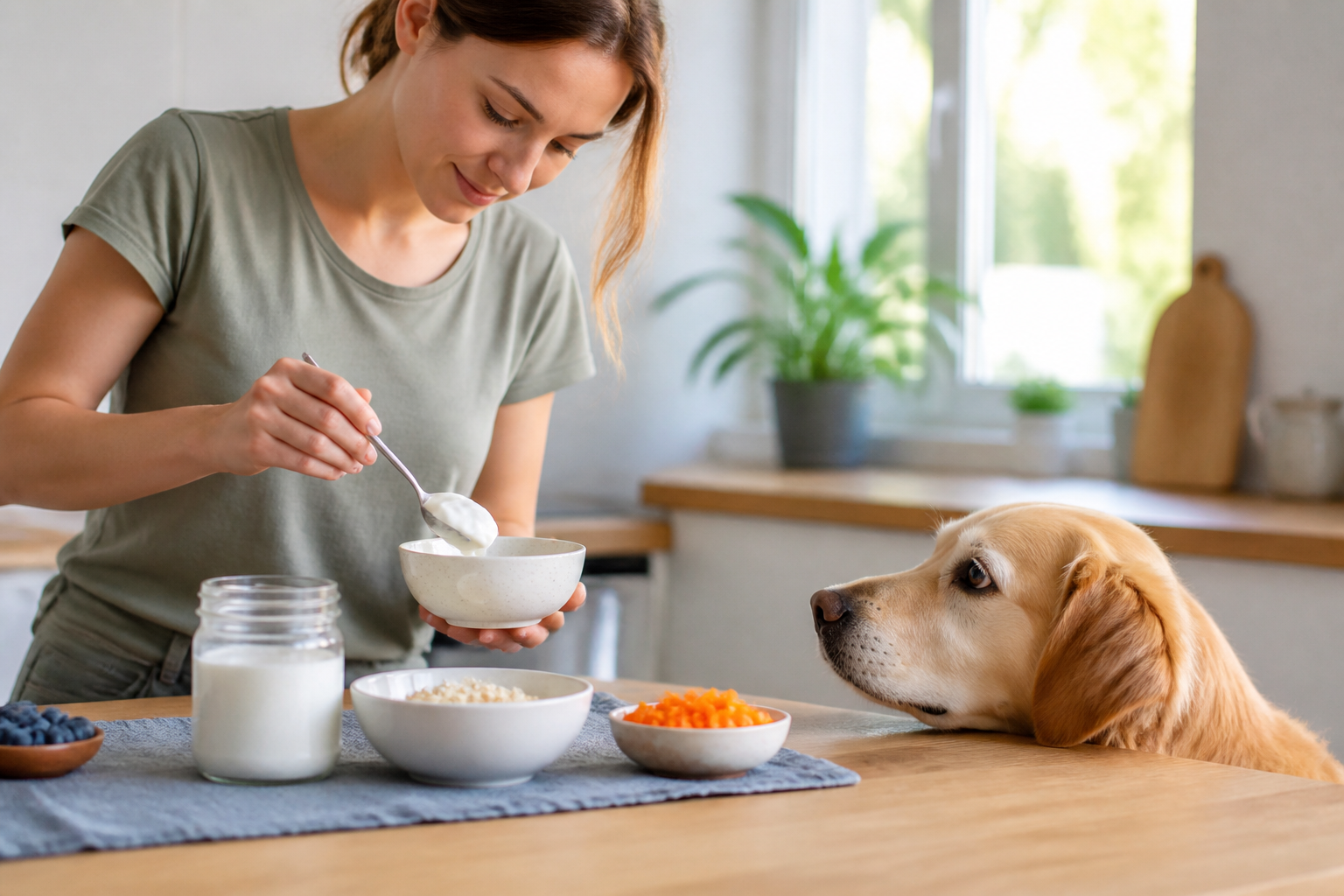
You might notice your dog eating grass more often than usual or perhaps their stools have been inconsistent lately. These are common moments when pet owners start thinking about digestive health. A balanced gut is the foundation of your dogs immune system and overall energy levels. At BaxterBoo, we believe that supporting your dogs microbiome does not always require a trip to the store for a specific pill. Many powerful, natural probiotics are likely already in your kitchen or can be prepared easily at home. This guide will walk you through the safest food sources and simple recipes to help your dogs tummy stay on track. By understanding how to use these natural ingredients, you can provide better care for your companion.
Quick Answer: Homemade probiotics are whole foods like plain Greek yogurt, kefir, or fermented vegetables that contain live, beneficial bacteria. These ingredients help balance your dogs digestive tract, improve nutrient absorption, and support a healthy immune system.
Understanding the Role of Probiotics in Dogs
The canine digestive tract is home to trillions of microorganisms. This community of bacteria and yeast is known as the microbiome. When the balance is correct, your dog feels energetic and has healthy skin and consistent digestion. However, things like stress, a change in diet, or a round of antibiotics can wipe out the good bacteria. This allows harmful bacteria to take over.
Probiotics are the "good guys" that help restore this balance. They work by populating the gut and outcompeting the harmful bacteria for space and resources. This process helps your dog digest their food more efficiently. It also helps them absorb the vitamins and minerals from their meals.
If your dog is dealing with chronic digestive issues, a food change might be necessary. Our dog digestive health category includes supplements and foods intended for dogs with digestive concerns.
Probiotics vs. Prebiotics
It is helpful to understand the difference between these two terms. Probiotics are the live bacteria itself. Prebiotics are the non-digestible fibers that act as food for those bacteria.
- Probiotics: Live cultures found in yogurt, kefir, and supplements.
- Prebiotics: Fiber found in pumpkin, bananas, and chicory root.
Think of probiotics as the new residents moving into the neighborhood and prebiotics as the grocery store that keeps them fed. For the best results, your dog needs both.
Key Takeaway: A healthy gut requires a combination of live beneficial bacteria (probiotics) and the fiber that feeds them (prebiotics) to maintain a balanced microbiome.
Top Natural Sources for Homemade Dog Probiotics
You do not need a laboratory to find high quality probiotics. Several common grocery items are packed with the specific strains of bacteria that benefit dogs. The most common strains include Lactobacillus and Bifidobacterium.
Plain Greek Yogurt
Yogurt is perhaps the most well known source. It contains live cultures that can help soothe an upset stomach. When choosing a yogurt, it must be plain and unsweetened. Never use yogurt that contains xylitol, as this artificial sweetener is toxic to dogs. Also, avoid flavored yogurts which are high in sugar. Sugar can actually feed the bad bacteria you are trying to eliminate.
Kefir
Kefir is a fermented milk drink that often contains more probiotic strains than yogurt. It has a thinner consistency and is usually easier for dogs to digest. Many pet owners find that kefir is more effective for dogs with a higher sensitivity to dairy. You can find kefir made from cows milk, goats milk, or even coconut water.
Raw Goat Milk
Raw goat milk is often called a universal milk because it is so easy for different species to digest. It is loaded with enzymes and probiotics. Because it has not been pasteurized, the beneficial bacteria remain intact. This is a great topper for kibble or freeze dried raw food.
Green Tripe
Green tripe is the untreated stomach lining of a ruminant animal like a cow. It is naturally rich in probiotics and digestive enzymes. While it has a very strong smell that humans might find unpleasant, dogs absolutely love it. It is one of the most complete natural supplements you can provide.
Fermented Vegetables
Sauerkraut or fermented carrots can be excellent for dogs. The fermentation process creates a high concentration of Lactobacillus. If you use store bought sauerkraut, ensure it is the refrigerated kind with live cultures. It should only contain cabbage, water, and perhaps a small amount of salt. Avoid any products with added vinegar, onions, or garlic.
Vet Tip: If your dog is currently taking antibiotics, wait a few hours after the medication dose before giving them probiotics. Antibiotics can kill the beneficial bacteria in the probiotic if they are given at the exact same time.
Benefits of DIY Probiotic Treats
Making your own treats gives you full control over what goes into your dogs body. Many commercial treats contain fillers, artificial colors, and preservatives that can irritate a sensitive stomach. When you prepare a homemade probiotic snack, you know exactly what your pet is eating.
- Cost Savings: Buying plain yogurt or kefir in bulk is often cheaper than buying individual supplement canisters.
- Freshness: Live cultures are most effective when they are fresh.
- Customization: You can adjust the ingredients based on your dogs specific preferences and allergies.
- Hydration: Many homemade probiotic recipes are frozen or liquid based, which adds extra moisture to your dogs diet.
We carry 500 plus trusted brands at BaxterBoo, and many of our high quality foods like The Honest Kitchen or Stella & Chewy's pair perfectly with these homemade additions. Adding a scoop of probiotic rich yogurt to a premium kibble can make a significant difference in your dogs daily comfort.
Step By Step Homemade Probiotic Recipes
These recipes are simple and require very little prep time. Most use items you likely already have in your pantry.
The Pumpkin Yogurt Freeze
This recipe combines a powerful probiotic with a soothing prebiotic. It is perfect for hot days or as a reward after a walk.
- Step 1: Prep your base. In a medium bowl, mix 2 cups of plain Greek yogurt with 1/2 cup of pure pumpkin puree. Ensure the pumpkin is not pumpkin pie filling, which contains spices and sugar.
- Step 2: Add a boost. Stir in a tablespoon of local honey or a pinch of turmeric for anti inflammatory benefits.
- Step 3: Portion it out. Spoon the mixture into silicone molds or a standard ice cube tray.
- Step 4: Freeze. Place the tray in the freezer for at least 4 hours.
- Step 5: Serve. Give your dog one cube per day as a healthy snack.
Goat Milk Berry Topper
This is a liquid topper that can be drizzled over your dogs regular meals.
- Step 1: Blend the fruit. Place 1/2 cup of fresh blueberries in a blender. Blueberries are a great prebiotic.
- Step 2: Add the milk. Pour in 1 cup of raw goat milk or plain kefir.
- Step 3: Mix. Pulse the blender until the mixture is a smooth, purple liquid.
- Step 4: Store. Pour the mixture into a glass jar and keep it in the refrigerator.
- Step 5: Usage. Add 2 to 3 tablespoons to your dogs dinner every night.
Homemade Fermented Carrots
If you want to try fermenting at home, carrots are a great place to start. They are sweet and crunchy, making them a favorite for many dogs.
- Step 1: Slice the carrots. Cut 3 large carrots into thin rounds or sticks.
- Step 2: Prepare the brine. Mix 1 cup of filtered water with 1/2 teaspoon of sea salt. Do not use iodized table salt.
- Step 3: Submerge. Place the carrots in a clean glass jar and pour the brine over them. The carrots must be completely covered by the liquid.
- Step 4: Ferment. Close the jar loosely and let it sit on your counter for 3 to 5 days. You may see small bubbles, which is a sign of healthy fermentation.
- Step 5: Chill. Once the carrots have a slightly tangy smell, move them to the refrigerator. Feed one or two slices as a treat.
Bottom line: Simple recipes using yogurt, pumpkin, and goat milk provide an easy and affordable way to boost your dogs gut health at home.
Comparison of Common Probiotic Foods
Not all probiotic foods provide the same benefits. Some are better for specific issues than others.
| Food Source | Primary Benefit | Best For |
|---|---|---|
| Plain Yogurt | High calcium and protein | General daily maintenance |
| Kefir | Wide variety of bacteria strains | Dogs recovering from antibiotics |
| Green Tripe | Rich in digestive enzymes | Picky eaters and senior dogs |
| Pumpkin | High soluble fiber | Dogs with loose stools or constipation |
| Raw Goat Milk | Extremely easy to digest | Puppies and dogs with dairy sensitivity |
Safety and Precautions
While homemade probiotics are generally safe, there are a few things to keep in mind. Every dog is an individual. What works for one might not work for another.
Dairy Sensitivity
Some dogs lack the enzyme lactase, which is needed to digest the lactose in dairy. If your dog gets gas or diarrhea after eating yogurt, they may have a dairy sensitivity. In these cases, stick to non dairy options like fermented vegetables or coconut water kefir.
Weight Management
Treats should never make up more than 10 percent of your dogs daily calories. Yogurt and kefir have calories that add up. If you are adding a significant amount of probiotics to their bowl, you may need to slightly reduce their portion of kibble. If your dog is struggling with obesity, consult your vet about weight management strategies.
Quality of Ingredients
Always use organic and non GMO ingredients when possible. This reduces the amount of pesticides and chemicals your dog ingests. Also, ensure all your jars and spoons are very clean when fermenting. You want to grow good bacteria, not mold or harmful pathogens.
Consult Your Veterinarian
Before making major changes to your dogs diet, it is always a good idea to talk to your vet. This is especially important if your dog has a chronic condition like kidney disease or diabetes. Some fermented foods can be high in sodium, which might not be suitable for all pets.
If your dog needs more than just a food boost, our pet pharmacy for dogs provides access to prescription medications for a variety of conditions. Sometimes a clinical probiotic or a prescription diet is necessary to get a severe gut issue under control.
Identifying if Probiotics are Working
It can take a few weeks to see the full benefits of a probiotic regimen. Watch for these positive signs:
- Better Stool Quality: Stools should be firm and easy to pick up.
- Less Gas: A balanced gut typically produces less flatulence.
- Healthy Skin and Coat: A significant portion of the immune system is in the gut, so gut health often shows in the skin.
- Improved Breath: Bad breath can sometimes originate from an imbalance of bacteria in the stomach.
- Steady Energy: When a dog digests food better, they have more consistent energy throughout the day.
If you find that your dogs symptoms are worsening or if they seem lethargic, stop the new food and contact your veterinarian immediately.
Key Takeaway: Consistency is key when using probiotics. Give the new routine at least two to four weeks before deciding if it is making a difference for your dog.
How to Introduce Probiotics Safely
Introducing any new food too quickly can cause a "healing crisis" where the gut reacts to the sudden change. This usually results in temporary diarrhea or gas. To avoid this, follow a slow transition plan.
- Day 1 to 3: Start with just a teaspoon of the probiotic mixed into their food.
- Day 4 to 7: If their stools remain firm, increase to two teaspoons.
- Week 2: Gradually move up to the full recommended amount based on their size.
For small dogs under 20 pounds, one tablespoon per day is usually plenty. Large dogs over 50 pounds can typically handle up to three or four tablespoons. Always monitor your dog during the first week of any new addition.
For additional guidance on dietary transitions, read easy and affordable diets for dogs with sensitive stomachs.
Why Gut Health Matters for Immunity
A large part of a dogs immune system resides in the gut. The intestinal wall acts as a barrier, preventing harmful pathogens from entering the bloodstream. When the gut is healthy, this barrier is strong. When the gut is imbalanced, it can lead to "leaky gut," where toxins and undigested food particles leak into the body, causing inflammation.
By providing homemade probiotics, you are strengthening this barrier. This helps your dog fight off seasonal allergies, skin infections, and even common colds. It is one of the best things you can do for their long term wellness.
We have seen many pet owners find success by combining these DIY methods with the MVP Rewards programme. You can earn points on your favorite premium foods and supplements while using these kitchen staples to enhance your pets health. It is a great way to provide high quality care without overstretching your budget.
Summary of Best Practices
Supporting your dogs digestion does not have to be complicated. By focusing on whole, fermented foods, you can provide a powerful health boost right from your refrigerator.
- Use plain, unsweetened yogurt or kefir as a base.
- Include prebiotics like pumpkin and banana to feed the good bacteria.
- Start with small amounts to avoid stomach upset.
- Maintain cleanliness during any DIY fermentation process.
- Monitor your dogs stool and energy levels for signs of improvement.
BaxterBoo has been operating since 2006, and we have helped thousands of pet owners navigate the world of pet nutrition. Whether you are shopping for a new puppy or a senior dog, we are here to provide the expertise you need.
Bottom line: Homemade dog probiotics are a practical and effective way to support your dogs immune and digestive health using simple, natural ingredients.
FAQ
Can I give my dog human probiotic capsules?
While some human probiotics are safe, it is better to use those formulated for dogs or whole food sources. Dogs have different gut flora than humans, and some human supplements contain fillers or concentrations that might not be ideal for a canine digestive system. Stick to dog specific products or natural foods like plain yogurt and kefir.
How long do homemade probiotic treats last in the freezer?
Frozen probiotic treats like yogurt and pumpkin bites usually stay fresh for about two to three months in an airtight container. If you are making liquid toppers like goat milk blends, these should be used within five to seven days when kept in the refrigerator. Always check for any changes in smell or color before feeding.
Is it possible to give my dog too many probiotics?
Yes, overdoing it can lead to digestive upset, including bloating, gas, and diarrhea. This is why it is essential to start with very small amounts and gradually increase the dosage. If you notice your dog becoming unusually gassy or having soft stools, reduce the amount of probiotics you are providing.
What is the best prebiotic to mix with homemade probiotics?
Pure pumpkin puree is widely considered one of the best prebiotics for dogs because it is high in soluble fiber and very gentle on the stomach. Other great options include mashed bananas, steamed carrots, or a small amount of cooked sweet potato. These fibers provide the perfect fuel for the beneficial bacteria to thrive in your dogs gut.