
 Save 15% on your 1st Autoship learn more

 Email us
 Live Chat
 FAQs
FAQs





Introduction
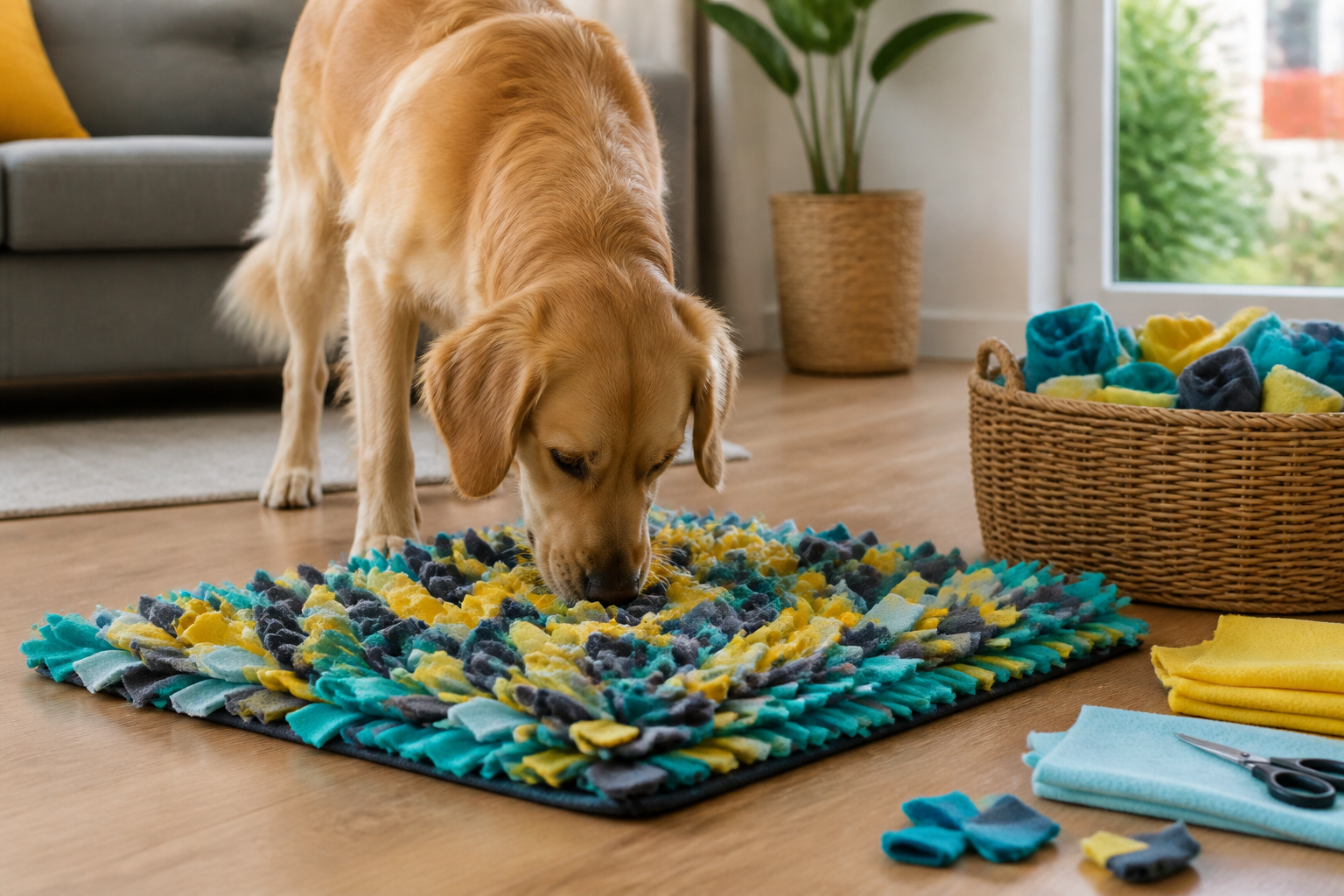
You are watching your dog finish their dinner in three seconds flat. Before you can even put the scoop away, the bowl is empty and your dog is looking for more. Maybe you have a high energy pup who remains restless even after a long walk around the neighborhood. These are the moments when a snuffle mat becomes an essential tool in your pet care kit. At BaxterBoo, we know that mental stimulation is just as important as physical exercise for a happy dog. This article provides clear snuffle mat for dogs instructions to help you build and use this enrichment toy at home. We will cover the materials you need, the step-by-step assembly process, and how to introduce the mat to your dog safely. A snuffle mat turns a standard meal into a rewarding foraging game that taps into your dog's natural instincts.
Why Your Dog Needs a Snuffle Mat
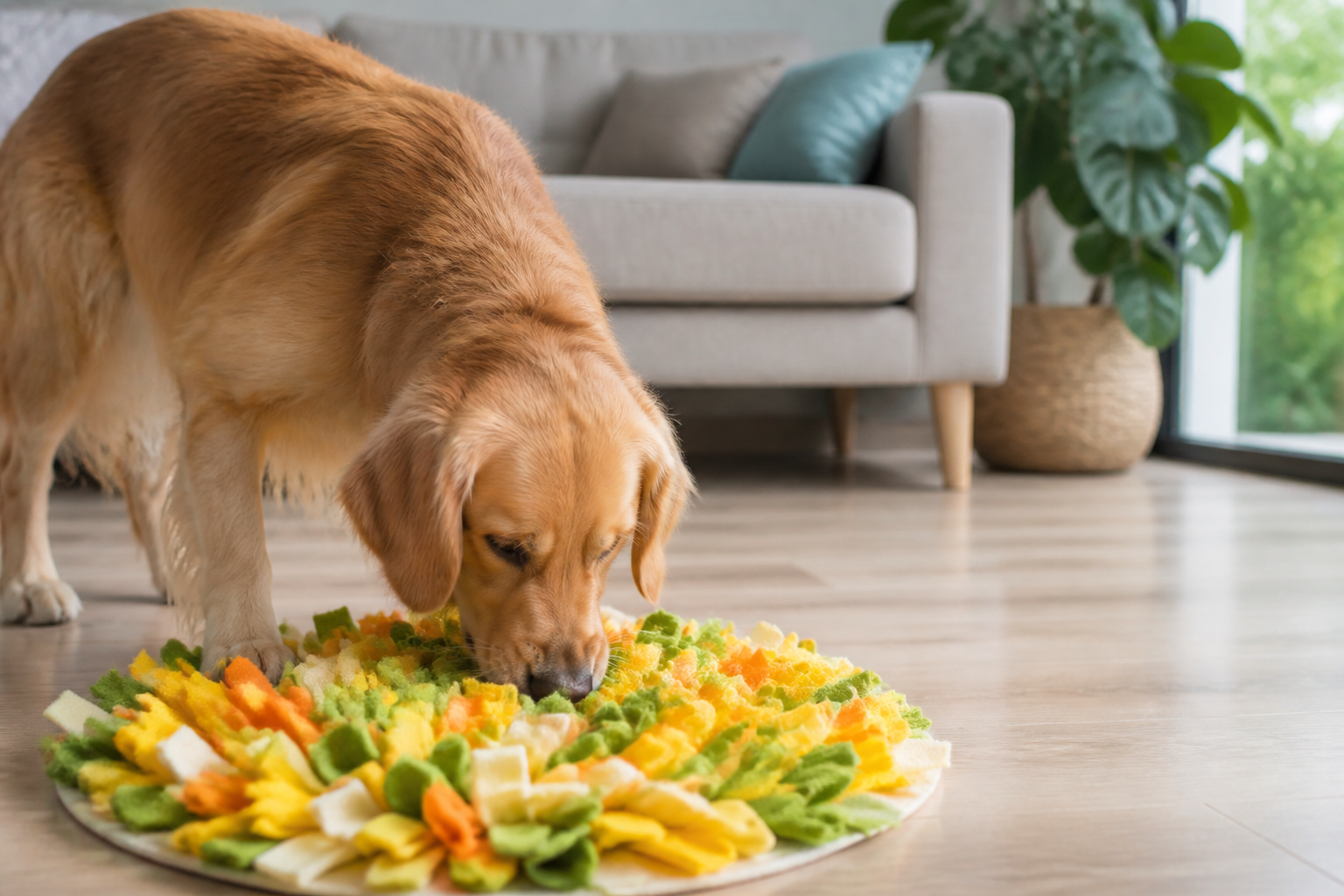
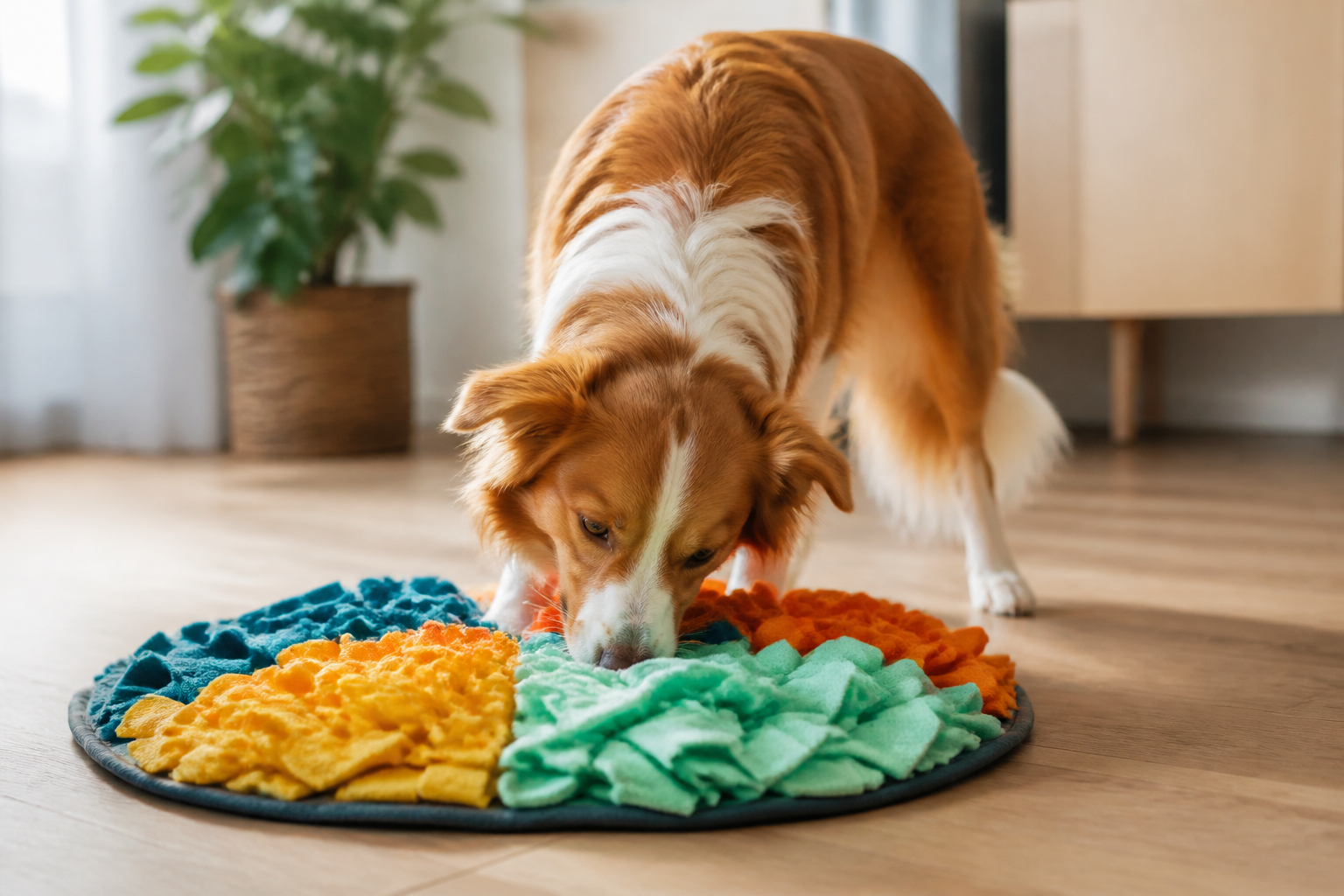
A snuffle mat is a simple enrichment toy made of fabric strips tied to a sturdy base. The design mimics long grass or thick brush. When you hide dry food or treats inside the fabric folds, your dog must use their nose to find every piece. This activity is often called nose work. It is more than just a fun game. It provides a deep level of mental engagement that a standard bowl cannot offer.
Dogs perceive the world primarily through scent. Their olfactory system is incredibly complex. Devoting time to sniffing actually lowers a dog’s heart rate and helps them feel more relaxed. For dogs with high anxiety or those recovering from surgery, a snuffle mat provides a low impact way to burn off mental energy. It is also a fantastic tool for senior dogs who might not be able to go on long hikes anymore but still have sharp, active minds. For more ideas, explore brain games that engage your dog's mind.
Quick Answer: A snuffle mat is an enrichment toy made of fleece strips tied to a plastic base. It encourages dogs to use their sense of smell to forage for hidden treats or kibble.
Slowing Down Fast Eaters
Many dogs struggle with eating too quickly. This behavior can lead to indigestion, gagging, or more serious issues like bloat. A snuffle mat acts as a natural slow feeder. Because the kibble is hidden deep within the fabric, your dog has to find and extract each piece individually. This turns a thirty second meal into a ten or fifteen minute activity. This slower pace gives their brain time to register that their stomach is full.
Building Confidence Through Foraging
Foraging is a natural canine behavior. In the wild, dogs would spend a large portion of their day searching for food. Modern life often removes this challenge. When you provide a snuffle mat, you give your dog a "job" to do. Successfully finding a hidden treat provides a small hit of dopamine. This builds confidence in shy or fearful dogs. They learn that using their nose and interacting with their environment leads to positive rewards.
Key Takeaway: Using a snuffle mat provides mental enrichment, slows down fast eaters, and satisfies a dog's instinctual urge to forage for food.
Interactive and Treat Dog Toys







Required Materials for Your DIY Snuffle Mat
You do not need expensive tools or advanced sewing skills to create this toy. Most of the supplies are likely available at a local craft store or even in your own linen closet.
- A Rubber or Plastic Sink Mat: This serves as the base. Look for a mat with holes that are large enough to thread fabric through but small enough to keep the mat sturdy. A standard kitchen sink mat usually measures about 12 by 15 inches.
- Fleece Fabric: Fleece is the best material because it does not fray when cut. It is also soft on a dog’s nose. You will need about 1.5 to 2 yards of fabric. You can use old fleece blankets or purchase remnants from a fabric store.
- Fabric Scissors or a Rotary Cutter: You need something sharp to cut through multiple layers of fleece.
- A Ruler or Measuring Tape: This helps you keep your strips consistent, though precision is not strictly required.
When selecting your base, avoid thin foam mats. These can be easily torn and swallowed. A heavy duty rubber mat stays in place better on hardwood or tile floors. If you have a very large dog, you can even zip tie two sink mats together to create a jumbo sized foraging area.
Step-by-Step Snuffle Mat for Dogs Instructions
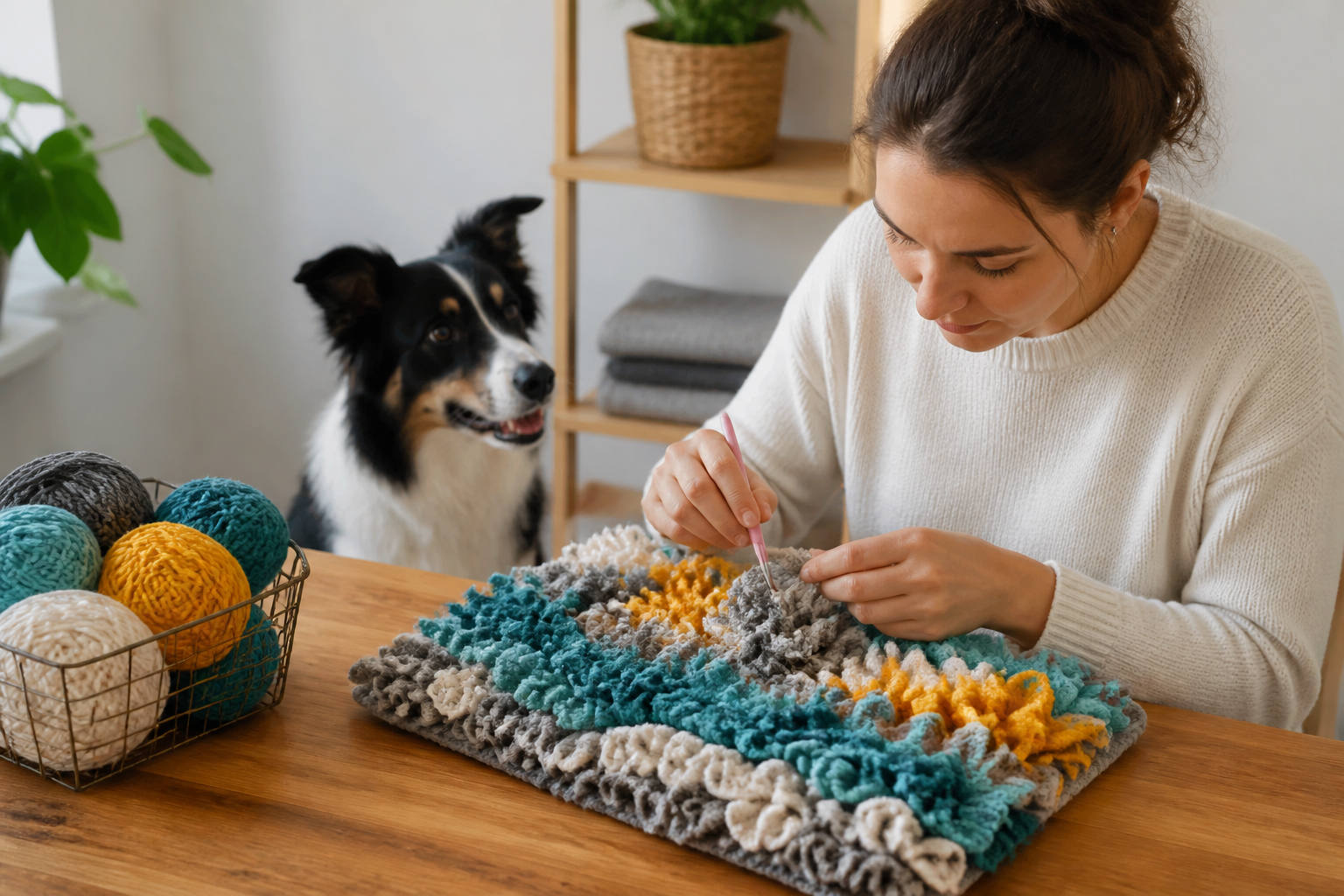
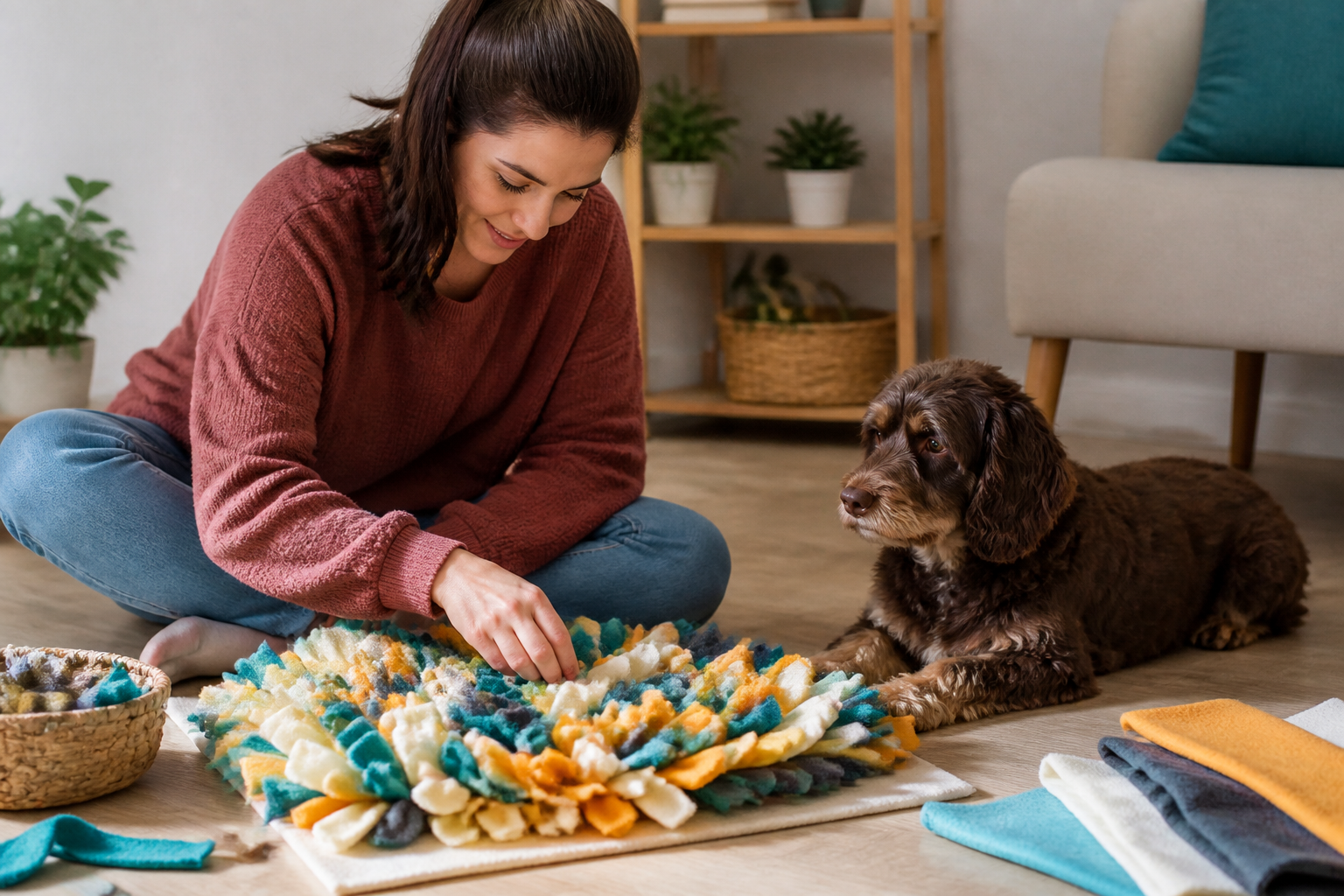
Building the mat is a repetitive process that is perfect to do while watching a movie. It takes about one to two hours depending on the size of the mat and how dense you want the "grass" to be.
Step 1: Prepare the fleece strips
Lay your fleece out on a flat surface. Cut the fabric into strips that are approximately 1 inch wide and 7 to 8 inches long. You will need a lot of them. A standard 12 by 15 inch mat usually requires between 200 and 300 strips to look full. Do not worry about making every strip perfect. Variation in length actually adds more "hiding spots" for the food.
Step 2: Begin threading the first row
Take one fleece strip and push one end through a hole in the corner of the mat. Take the other end of the strip and push it through the hole immediately next to it. Both ends of the strip should now be on the same side of the mat.
Step 3: Tie the knot
Tie the two ends of the strip together into a single overhand knot. Pull it tight. There is no need to double knot the fleece. The friction of the fabric against itself and the rubber mat will keep it secure.
Step 4: Complete the horizontal rows
Continue this process across the entire first row. Use one strip for every two holes. Once the first row is done, move to the second row and repeat. Work your way down the entire mat until every horizontal pair of holes has a fleece strip tied through it.
Step 5: Fill in the vertical gaps
To make the mat truly dense, you need to tie strips vertically as well. Take a strip and thread it through the first hole of row one and the first hole of row two. Tie the knot. Continue this across the mat between every row. This creates a cross-hatch pattern that hides the rubber base completely.
Step 6: Fluff and inspect
Once you have finished tying all the strips, turn the mat over. Check the bottom for any empty holes. If you see a gap, add a strip. Flip it back over and run your hands through the fleece to fluff it up. The strips should stand up like thick blades of grass.
Bottom line: A dense mat with strips tied both horizontally and vertically provides the best hiding spots and the most durable construction.
How to Introduce the Snuffle Mat to Your Dog
If your dog has never used a puzzle toy, they might be confused at first. Some dogs might try to pick up the mat and shake it to get the food out. Others might try to chew on the fleece. It is important to guide them through the first few sessions. You can find more inspiration in this guide to dog boredom busters and enrichment.
Start by making the game very easy. Sprinkle a few high value treats right on top of the fleece. Do not hide them. Let your dog see you put the treats down. Use a cue like "Find it" or "Search." When they eat the treats, praise them calmly.
During the next session, tuck the treats slightly under the top layer of fleece. As your dog gets better at using their nose, you can push the kibble deeper into the folds. Eventually, you can hide the food at the very bottom of the mat near the rubber base. This requires more effort and focus from your dog.
Vet Tip: Always supervise your dog when using a snuffle mat, especially if they are known "shredders." If your dog starts to chew or pull on the fleece strips rather than sniffing, calmly take the mat away and try again later.
Best Treats and Food for Snuffle Mats
The best food for a snuffle mat is dry and small. Wet food or sticky treats will make a mess and can lead to bacteria growth in the fabric.
- Dry Kibble: This is the easiest option for mealtime.
- Freeze-Dried Treats: These often have a very strong scent, which makes them great for beginners.
- Small Training Treats: Look for treats that are "crunchy" or "semi-moist" but not greasy.
- Dehydrated Veggies: Small pieces of dried carrot or green beans can be a low calorie option.
If you are using the mat for weight management, remember to deduct the amount of food placed in the mat from your dog's daily calorie count. For dogs on a prescription diet, you can use their specific kibble to ensure they stay on their nutritional plan. Our pharmacy at BaxterBoo offers a variety of prescription pet foods through our partnership with Pet's Choice. If your veterinarian has prescribed a specific diet for weight loss or digestive health, feeding it through a snuffle mat can make the diet more satisfying for your dog.
Cleaning and Maintenance
Because your dog will be drooling on the mat and food particles will inevitably be left behind, regular cleaning is necessary. Most DIY mats are machine washable.
Shake the mat out vigorously outdoors before washing to remove any loose crumbs. Place the mat inside a pillowcase or a mesh laundry bag to prevent the strips from getting tangled in the washing machine's agitator. Use a pet-safe, unscented detergent. Wash on a cold, gentle cycle.
Always air dry the mat. The high heat of a dryer can melt the rubber base or damage the fleece fibers. Depending on the density of the mat, it may take 24 hours to dry completely. We recommend having two mats on hand so you can rotate them while one is being cleaned.
Safety and Supervision
While snuffle mats are generally safe, they are not indestructible. They are meant for sniffing, not chewing. If your dog is an aggressive chewer, they may try to rip the fleece strips off and swallow them. This can lead to intestinal blockages, which are serious medical emergencies.
If you notice your dog getting frustrated and trying to dig or bite the mat, go back a step. Make the treats easier to find. The goal is to keep the "reward rate" high enough that they stay engaged with the sniffing task. Once your dog has finished finding all the food, pick the mat up and store it out of reach. This keeps the toy special and prevents it from becoming a chew toy.
For dogs with severe anxiety or behavioral issues, enrichment is a key part of a management plan. However, toys are not a substitute for professional care. If you are managing a chronic health condition or high levels of stress, always consult your veterinarian. They may suggest a combination of enrichment, training, and medications. Our pharmacy carries many FDA-approved options for anxiety and other health concerns that can be used alongside your enrichment routine.
Choosing Between DIY and Store-Bought
While our snuffle mat for dogs instructions make it easy to build your own, some pet parents prefer the convenience of a ready-made option. Store-bought mats often come with additional features:
- Non-slip Backing: Some professional mats have a silicone grip on the bottom.
- Varied Textures: Some mats include "pockets," "cups," or "balls" attached to the base for different difficulty levels.
- Portability: Many commercial mats can be folded or cinched into a bag for travel.
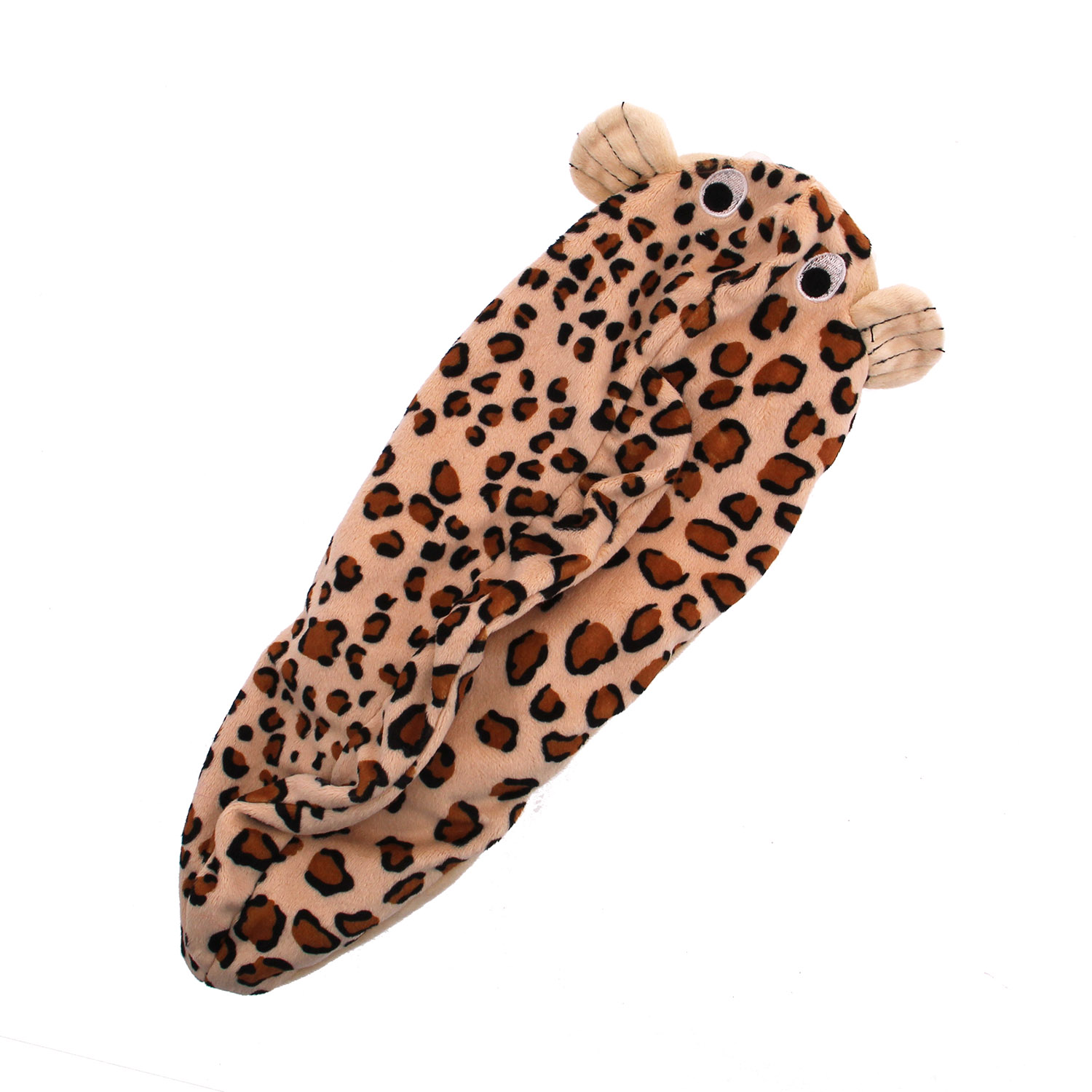
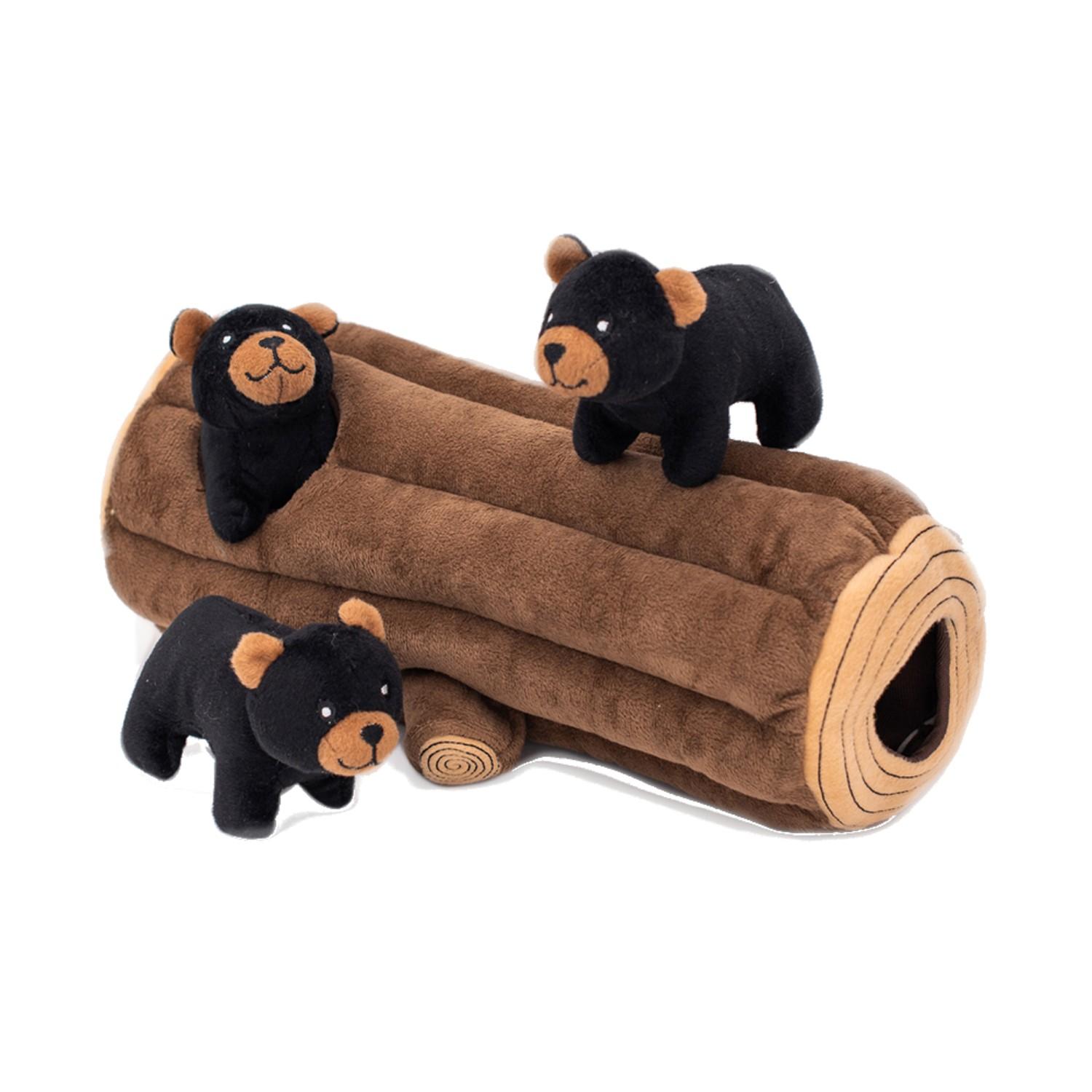
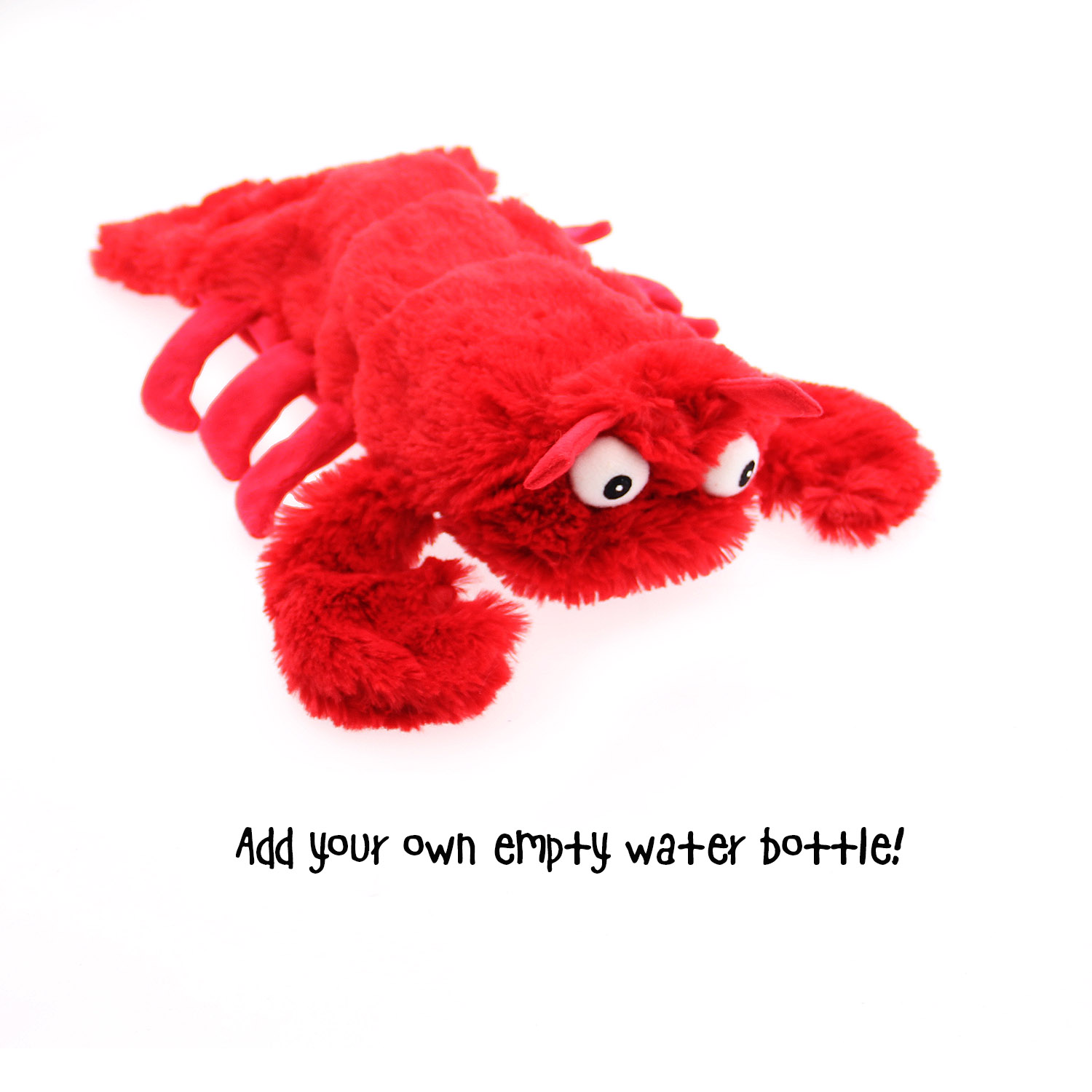
At BaxterBoo, we curate a selection of interactive and puzzle dog toys for dogs of all sizes. Whether you build one yourself or choose a professionally designed mat, the goal remains the same: giving your dog a healthy, natural outlet for their energy. Since we started in 2006, we have seen how these simple tools can transform a bored dog into a settled, happy companion.
Advanced Snuffle Mat Games
Once your dog is a pro at the basic mat, you can increase the challenge. This keeps the activity fresh and prevents them from getting bored with the same routine.
- The Shell Game: Use three small snuffle mats (or cut one large one into three pieces). Only hide treats in one of them. Your dog must sniff out which mat contains the reward.
- The Hidden Mat: Hide the loaded snuffle mat somewhere in a room. Have your dog use their nose to find the mat first, then find the treats inside.
- The Multi-Level Hide: Hide some treats at the very top and some deep inside. This encourages the dog to keep working even after they find the "easy" pieces.
Key Takeaway: Increasing the difficulty of nose work games helps maintain long-term engagement and provides a higher level of mental exhaustion for active dogs.
Summary of Snuffle Mat Benefits
A snuffle mat is one of the most versatile tools a dog owner can have. It addresses several common behavioral and physical needs with one simple design. From the 4.9-star reviews on Google to the recommendations from our expert team in Vernon Hills, the feedback on enrichment toys is consistently positive.
- Reduces Stress: The act of sniffing is naturally calming.
- Improves Digestion: Slows down dogs who "inhale" their food.
- Mental Workout: Taps into the 300 million olfactory receptors in a dog's nose.
- Versatile: Works for puppies, adults, and seniors.
If you are looking for more ways to reward your dog, consider our MVP Rewards program. You can earn points on every purchase of treats or fleece gear to keep your enrichment sessions exciting. We also offer Autoship for your favorite kibble, ensuring you never run out of "ammunition" for your snuffle mat games.
FAQ
How long should a dog use a snuffle mat?
A typical session lasts between 10 and 20 minutes. This depends on how much food you hide and how experienced your dog is. Once the dog has found all the treats and starts to lose interest or begins chewing the fabric, the session should end.
Can I use a snuffle mat for a puppy?
Yes, snuffle mats are excellent for puppies. They provide a safe way to burn off "puppy energy" without putting stress on their developing joints. It also helps with early crate training by giving them a rewarding activity to do while they settle in their crate. For more low-impact play ideas, see this guide to engaging dog brain games.
Is it okay to leave my dog alone with a snuffle mat?
We do not recommend leaving a dog unsupervised with a snuffle mat. Because the mat is made of fabric and is associated with food, some dogs may try to eat the fleece once the treats are gone. Always supervise the activity and put the mat away when the session is finished.
What if my dog just flips the mat over?
If your dog flips the mat to get the food, they are being a smart problem solver! However, it defeats the purpose of the sniffing game. Try using a heavier rubber base or placing the mat on a non-slip surface. You can also hold the edges of the mat for the first few sessions to encourage them to use their nose instead of their paws.


- Site & Contents BaxterBoo.com. BaxterBoo is located in the United States.
- Privacy & Security
- Terms of Use
- Accessibility Statement
