
 Save 15% on your 1st Autoship learn more

 Email us
 Live Chat
 FAQs
FAQs





Introduction
You fill the food bowl and set it down. Before you can even stand back up, your dog has inhaled the entire meal. This frantic pace often leads to hiccups, gagging, or a dog who still acts restless because their brain did not get the message that they just ate. At BaxterBoo, we see this often with high-energy breeds and "scarfers" who treat every meal like a race. Snuffle mat training is one of the most effective ways to slow down mealtime and provide vital mental enrichment. This guide covers how to introduce a mat, what treats work best, and how to keep the activity safe. By the end of this article, you will know how to turn a standard feeding into a rewarding brain game.
Quick Answer: Snuffle mat training involves teaching your dog to use their sense of smell to find hidden treats or kibble within fabric strips. It mimics natural foraging behaviors, which slows down fast eaters and provides mental stimulation that can tire out a dog more effectively than a walk alone.
What Exactly Is a Snuffle Mat?
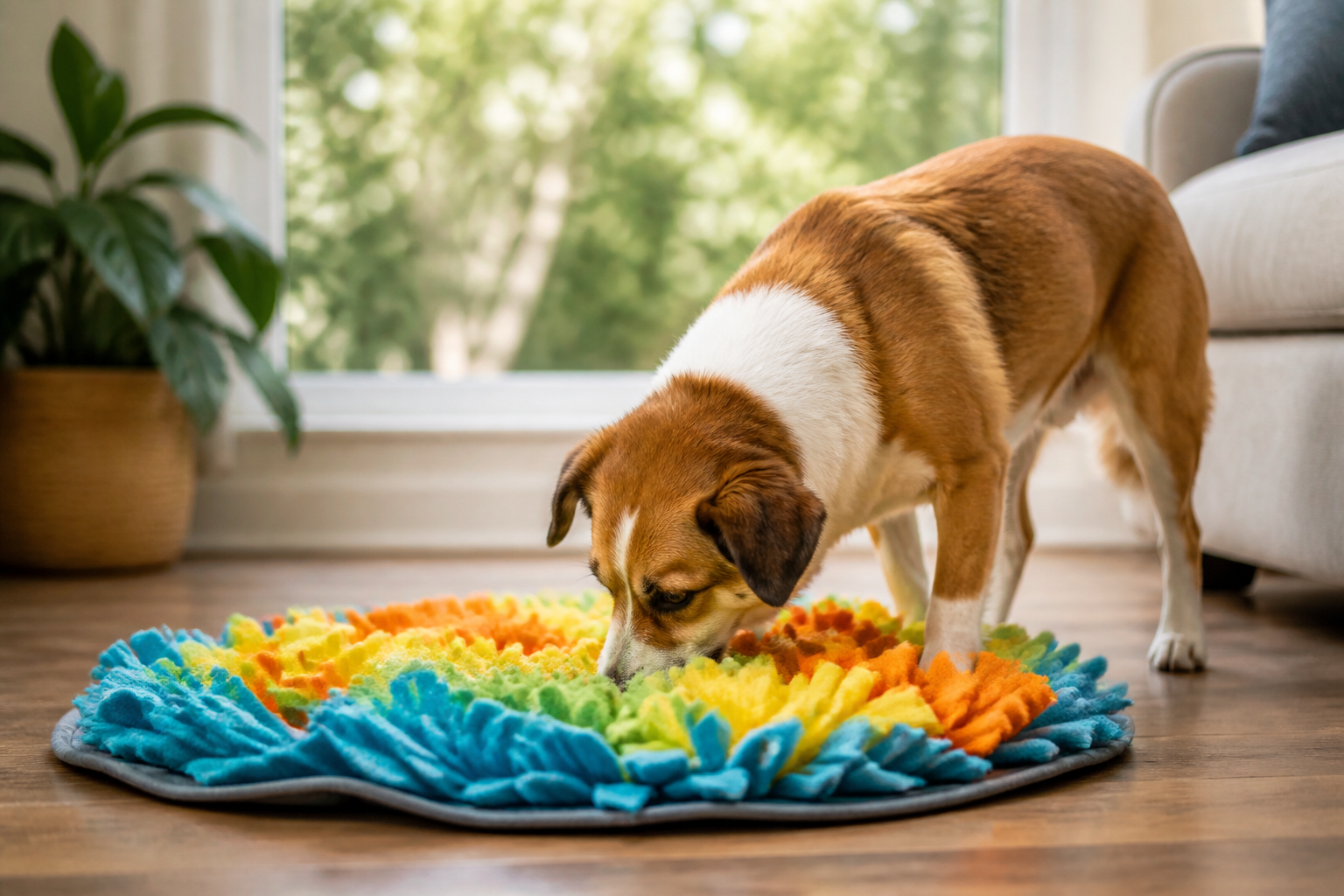
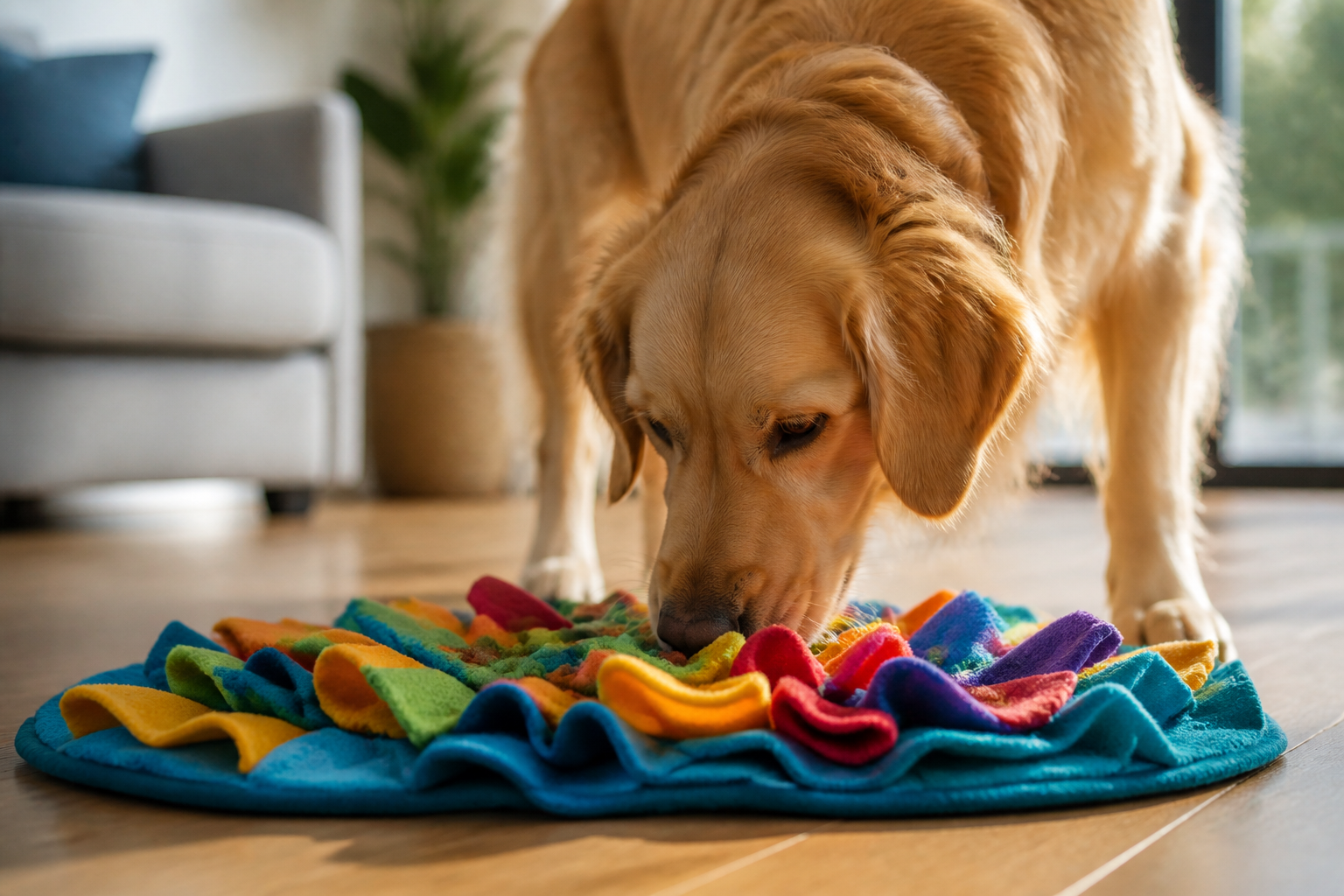
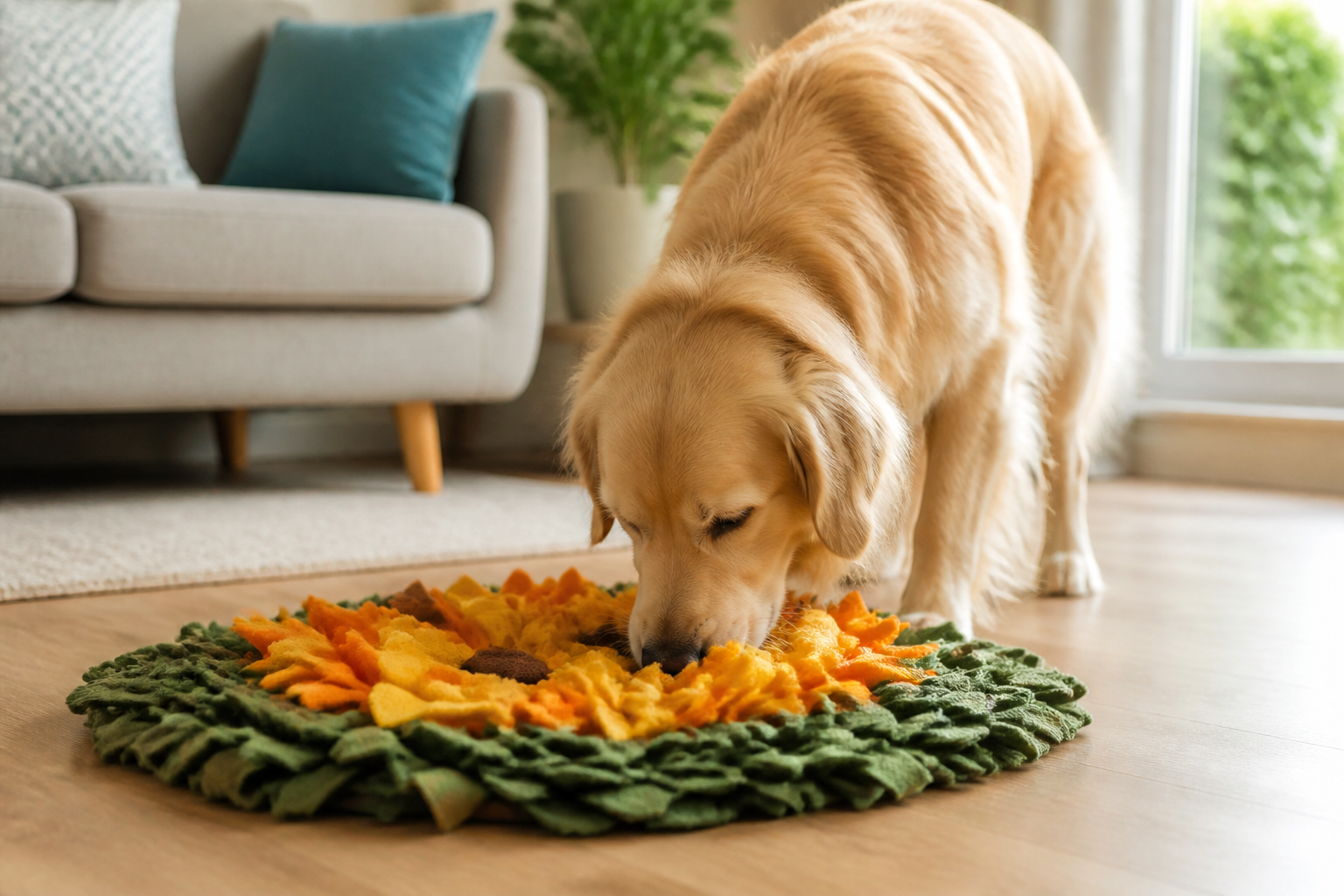
A snuffle mat is a simple but brilliant enrichment tool. It usually consists of a sturdy rubber or fabric base with dozens of soft fleece strips woven through it. These strips create a thick, shag-like surface with many layers and pockets. Your dog cannot see the food hidden deep inside, so they must use their nose to track down every piece.
This activity is known as "nose work." While humans rely mostly on sight, dogs experience the world through scent. Using their nose in this way is a high-level cognitive task for them. It requires focus and problem-solving. This is why ten minutes of snuffle mat training can sometimes be more exhausting for a dog than a long game of fetch.
Interactive and Treat Dog Toys







The Benefits of Snuffle Mat Training
Many owners start using these mats because their dog eats too fast. Traditional bowls allow a dog to gulp down large amounts of air along with their kibble. This can lead to digestive discomfort or more serious conditions. A snuffle mat forces them to find one or two pieces at a time. This naturally paces their intake and gives their stomach time to process the food.
The benefits go beyond digestion. Foraging is a natural instinct for canines. In the wild, they would spend hours searching for their next meal. Modern life often removes this challenge, which can lead to boredom and destructive chewing. For more ideas to keep your dog engaged, explore dog boredom-busting puzzles and play activities.
Mental Enrichment and Anxiety Relief
Snuffle mat training is also a fantastic tool for anxiety. The act of sniffing is inherently calming for dogs. It lowers their heart rate and focuses their mind on a specific, achievable goal. If your dog gets nervous during thunderstorms or when guests arrive, a snuffle mat can provide a productive distraction.
Key Takeaway: Snuffle mats serve as both a slow feeder and a mental workout, helping to reduce boredom and anxiety by tapping into a dog's natural foraging instincts.
Choosing the Right Treats and Food
Most owners use dry kibble for daily snuffle mat training. This is the cleanest option and makes it easy to track your dog's daily calorie intake. However, if you are using the mat for a special training session, you might want something more enticing.
Small, dry treats with a strong scent are ideal. Avoid anything greasy, wet, or crumbly. These can get stuck in the fabric fibers and become difficult to clean. If your dog is on a special diet, our dog pharmacy offers a variety of prescription pet foods through our partnership with Pet's Choice. You can easily use their prescription kibble in the mat so they stay on their veterinarian-recommended plan while still enjoying the game.
Treat Selection Tips
- Use treats no larger than a pea.
- Choose high-value, smelly treats for the first few sessions.
- Ensure treats are dry to keep the mat clean.
- Subtract the treats from your dog's total daily calorie count to prevent weight gain.
How to Start Snuffle Mat Training
Introducing a new toy can be overwhelming for some dogs. If you simply hide food deep in the mat and walk away, your dog might get frustrated. They might try to pick up the mat and shake it or even start chewing on the fleece. A gradual introduction is the best path to success.
Step 1: The Surface Level
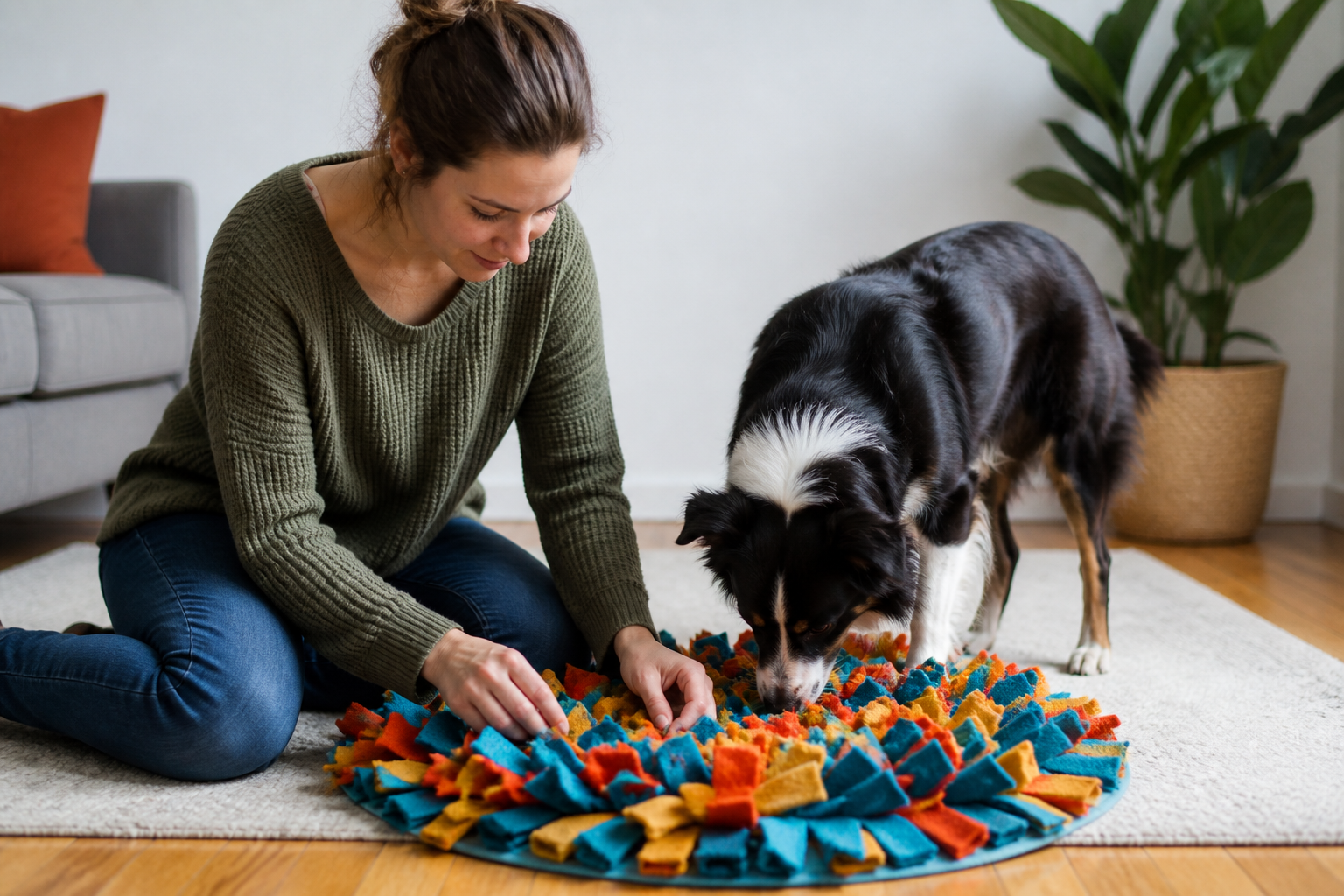
Start by placing the mat on the floor without any food hidden inside. Let your dog sniff the fabric and get used to its presence. Once they are calm, sprinkle a few treats directly on top of the fleece strips. Do not hide them yet. This teaches the dog that the mat is a source of good things.
Step 2: Shallow Hiding
Once your dog is comfortable eating from the surface, begin to tuck the treats slightly under the top layer of fleece. Use a "find it" command to encourage them. Stay close and watch their progress. If they look at you for help, point to a treat they missed.
Step 3: Deep Foraging
As your dog becomes a pro at finding the shallow treats, start hiding them deeper. Tuck the kibble into the folds of the fabric and under the layers. You want them to have to push the fleece aside with their nose to reach the prize.
Vet Tip: Always monitor your dog during snuffle mat sessions, especially if they have a history of eating non-food items. If your dog begins to chew or tear the fabric strips, remove the mat immediately to prevent accidental ingestion of the fleece.
Troubleshooting Common Training Issues
Not every dog understands the snuffle mat right away. Some dogs are "flippers." Instead of using their nose, they will try to flip the entire mat over to make the treats fall out. If this happens, you may need to hold the edges of the mat down during the session. Once they realize that sniffing is the only way to get the treats you are pointing at, they will usually stop flipping.
Other dogs might get frustrated and walk away. This usually means the challenge is too hard. Go back to Step 1 and make it easier. You want your dog to feel successful. Short, five-minute sessions are better than long, frustrating ones. You can also explore brain games that encourage dogs to sniff and solve problems.
Cleaning and Maintenance
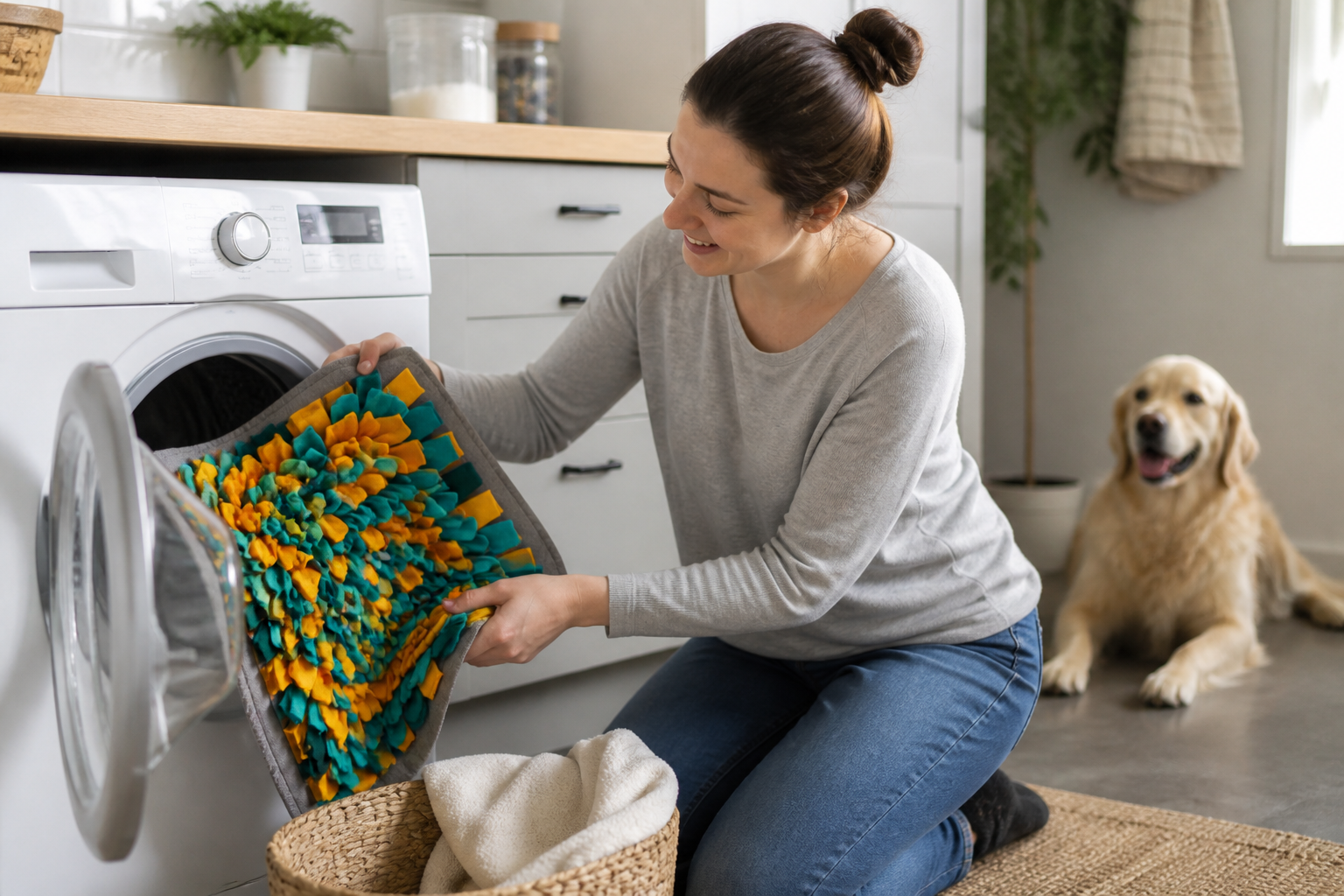
Because your dog will be drooling on the fabric, regular cleaning is a must. Most snuffle mats are machine washable. Use a gentle cycle with a pet-safe, unscented detergent. Avoid fabric softeners, as the strong scent can be overwhelming for a dog’s sensitive nose.
Air drying is usually better than using a dryer, as high heat can damage the rubber backing or shrink the fleece. Once the mat is dry, fluff the strips with your hands to make sure they are ready for the next round of hiding.
Care Checklist
- Shake the mat out over a trash can after every use to remove crumbs.
- Wash the mat at least once a week if used daily.
- Inspect the strips regularly for any loose pieces that could become a choking hazard.
- Store the mat in a cupboard when not in use to keep it "special."
Snuffle Mats for Senior Dogs and Puppies
Snuffle mat training is an excellent "low-impact" activity. For senior dogs with arthritis or mobility issues, it provides a way to stay active without putting stress on their joints. It keeps their minds sharp as they age, which is vital for preventing cognitive decline.
For puppies, it is a great way to burn off energy when you are stuck indoors. Puppies are naturally curious and love to explore with their mouths. The mat gives them a safe place to direct that energy. It also helps them learn focus and patience from a young age.
Bottom line: A snuffle mat is a versatile tool that supports physical health through slow eating and mental health through species-appropriate enrichment.
Why Quality Materials Matter
We have seen many DIY versions of snuffle mats, but safety should always come first. When you choose a professionally made mat, the fleece is typically heavy-duty and the backing is non-slip. Cheap materials can tear easily, and a dog that swallows a piece of fleece may require a trip to the vet.
If your dog manages to ingest any part of a toy or shows signs of digestive distress like vomiting or lethargy, contact your veterinarian immediately. For ongoing health needs or digestive support, our pharmacy provides easy access to medications and therapeutic diets. We want to ensure your pet stays healthy while they enjoy their new favorite activity.
Beyond the Mat: Expanding Enrichment
Once your dog has mastered the snuffle mat, you can look into other types of enrichment. Lick mats are great for wet food or peanut butter. Puzzle feeders require dogs to move sliders or spin wheels to find treats. Rotating these toys keeps the challenge fresh and prevents your dog from getting bored with the same routine.
At BaxterBoo, we believe that a happy dog is one that gets to use its natural talents every day. Snuffle mat training is one of the easiest and most rewarding ways to make that happen. It requires very little setup but offers a huge payoff in your dog's behavior and well-being.
Summary of Training Success
Training your dog to use a snuffle mat is a journey of discovery for both of you. You will get to watch their amazing sense of smell in action, and they will get a rewarding job to do. Remember to keep the initial sessions easy and always supervise the play.
- Start with treats on the surface to build confidence.
- Slowly increase the depth of the hidden kibble.
- Use the mat to slow down fast eaters during mealtime.
- Clean the mat regularly to keep it fresh and safe.
- Monitor your dog to ensure they do not chew the fabric.
By incorporating this simple tool into your daily routine, you can help your dog feel more satisfied and relaxed. Whether you are managing a high-energy puppy or a senior dog who needs a bit of mental stimulation, the snuffle mat is a perfect choice. Explore our dog toys and our selection of dog treats to find the perfect match for your pet's personality.
FAQ
Can I use a snuffle mat for a cat?
Yes, many cats enjoy foraging for dry treats or kibble in a snuffle mat. It is especially helpful for indoor cats who need extra mental stimulation to prevent boredom. Just ensure the treats you use are small enough to fall into the fabric folds but large enough for your cat to find.
What should I do if my dog tries to chew the mat?
If your dog starts chewing the fabric, say "no" or use a redirection sound and remove the mat immediately. Wait a few minutes and try again, but make the treats very easy to find so they focus on the food instead of the fabric. Always supervise the session and put the mat away as soon as the food is gone.
How many treats should I put in the mat?
If you are using the mat for mealtime, you can put their entire portion of dry kibble inside. For a training or enrichment session, 10 to 15 small treats are usually plenty. Always remember to adjust your dog's main meals if you are giving them extra treats during the day to avoid overfeeding.
Can I use wet food in a snuffle mat?
It is not recommended to use wet or raw food in a fabric snuffle mat. The moisture will soak into the fleece and backing, making it very difficult to clean and potentially leading to bacteria growth or mold. For wet food enrichment, a silicone lick mat or a hard plastic puzzle feeder is a much better and more hygienic option.


- Site & Contents BaxterBoo.com. BaxterBoo is located in the United States.
- Privacy & Security
- Terms of Use
- Accessibility Statement
