
 Save 15% on your 1st Autoship learn more

 Email us
 Live Chat
 FAQs
FAQs





Introduction
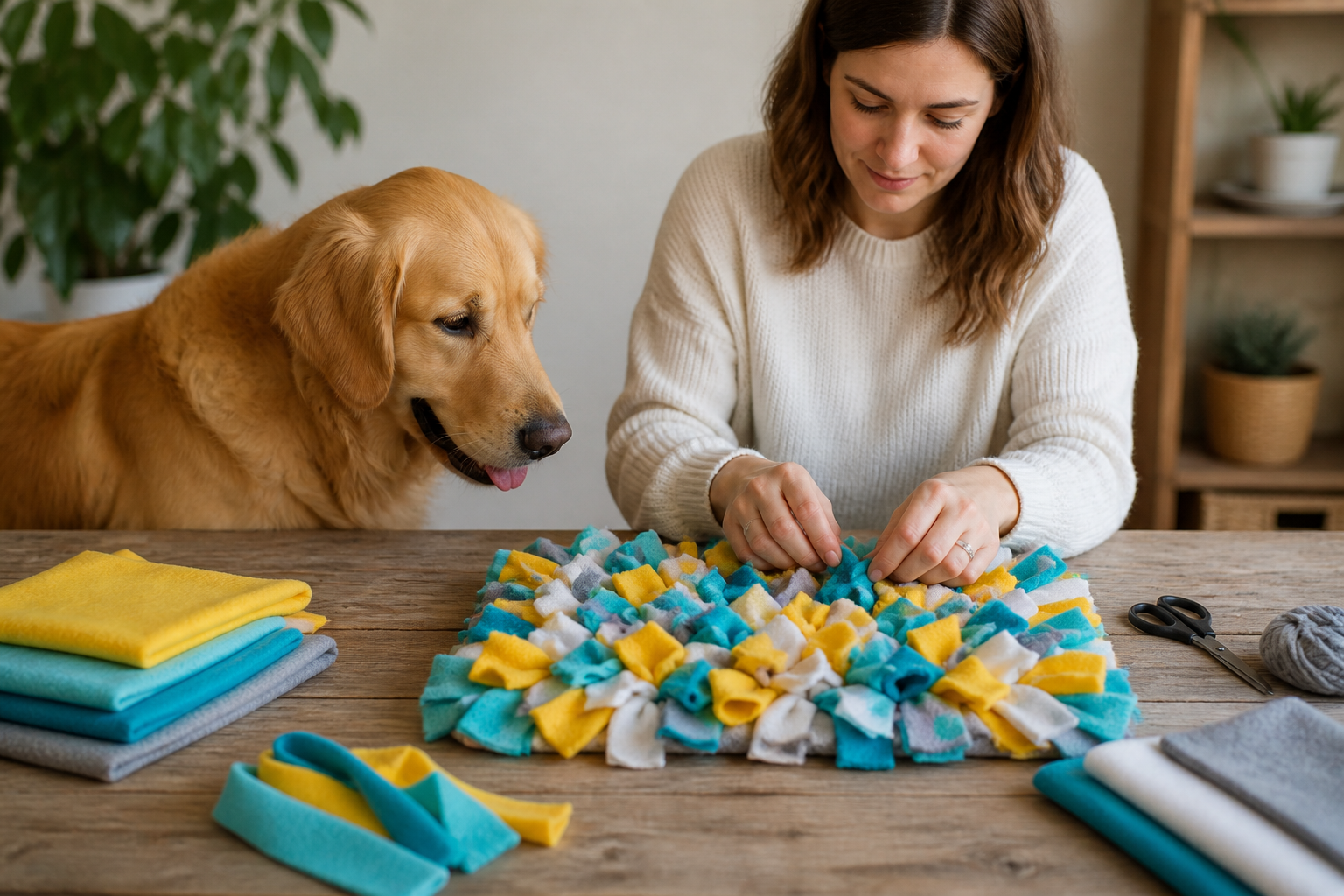
Your dog just finished their dinner in forty-five seconds flat. Now they are staring at you with boundless energy, and it is pouring rain outside. You need a way to tire them out that does not involve a mud-splattered walk or another round of fetch in the hallway. This is where a snuffle mat comes in. At BaxterBoo, we know that mental exercise is just as important as physical activity for a healthy pup. This guide covers everything you need for making a snuffle mat for dogs, from choosing the right fleece to the best way to hide those high-value treats. You will learn how to turn a few simple supplies into a powerful tool for slowing down mealtime and reducing boredom.
The Purpose of a Snuffle Mat
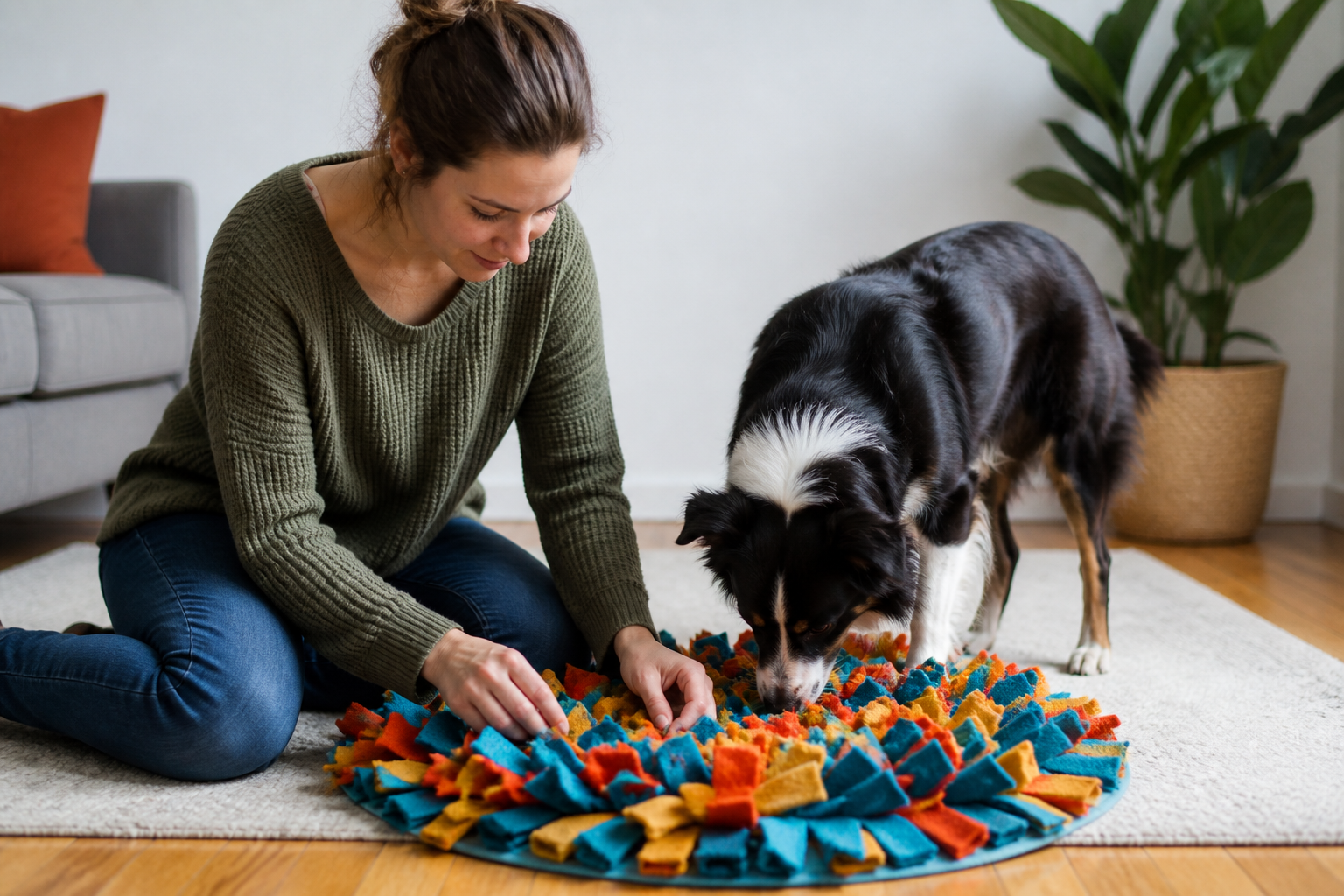
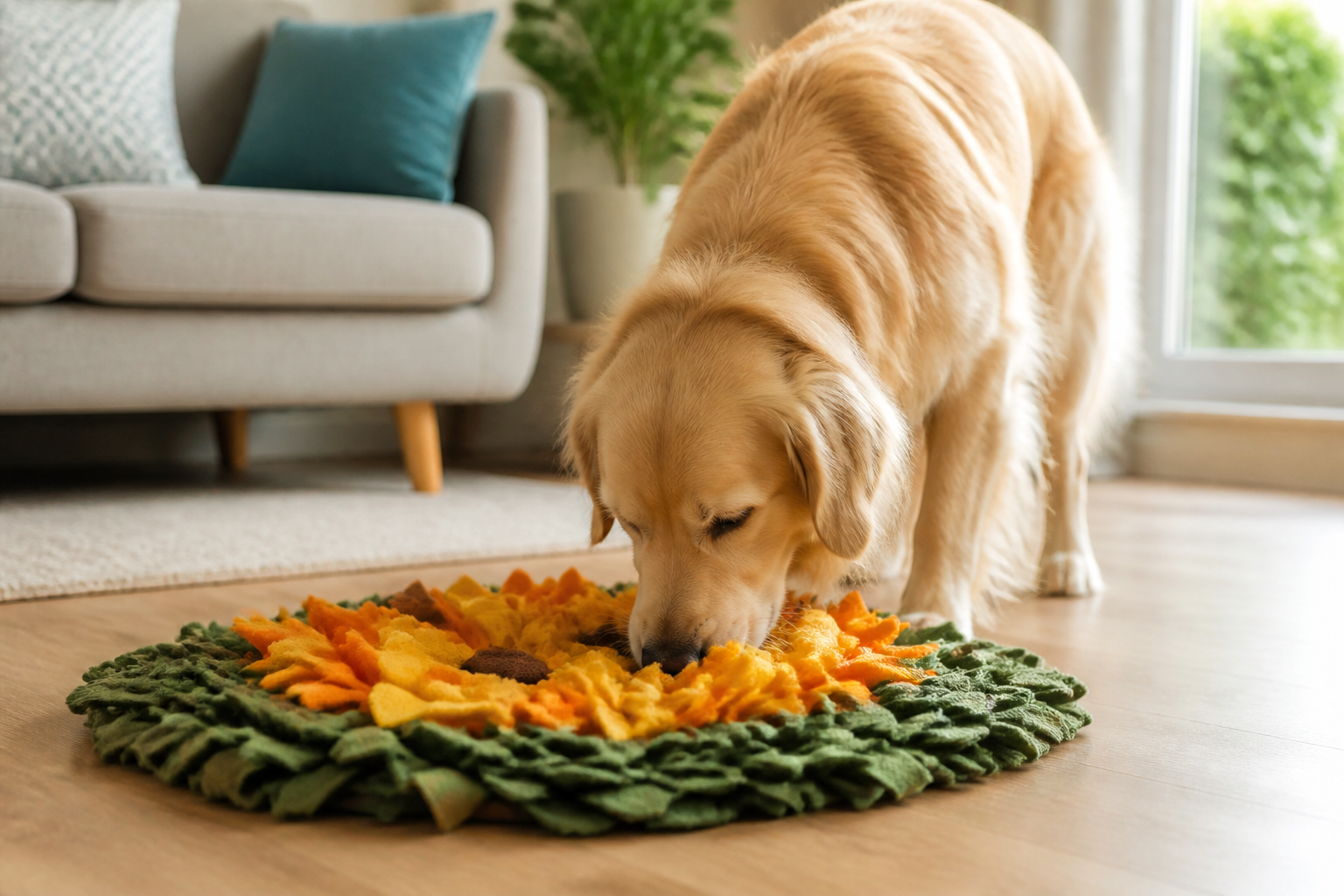
A snuffle mat is a simple enrichment toy made of fabric strips tied to a sturdy base. It mimics the grass or brush where a wild canine would forage for food. For our domesticated friends, it provides a healthy outlet for their natural scavenging instincts. This is not just about fun. It is about fulfilling a biological need.
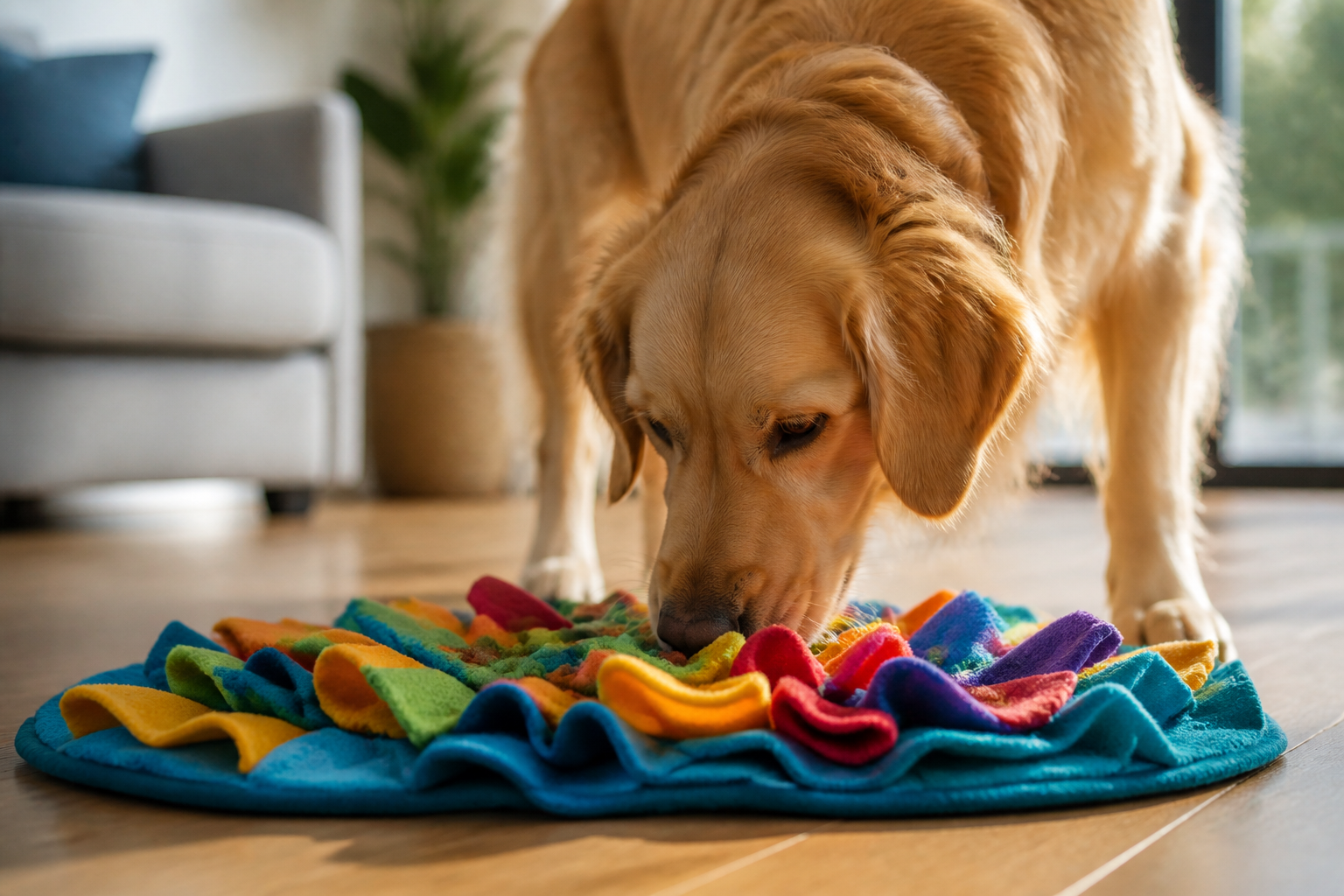
Dogs perceive the world primarily through their noses. When a dog spends ten minutes sniffing out kibble from between fleece strips, they are using a significant amount of brainpower. Many experts suggest that fifteen minutes of intense sniffing can be as tiring as a long walk. This makes a snuffle mat an excellent tool for senior dogs with limited mobility, puppies who need to settle down, or any dog recovering from surgery. For more scent-based activities, explore brain games that engage dogs’ natural instincts.
Quick Answer: A snuffle mat is an enrichment tool that uses fabric strips to hide food, forcing a dog to use their nose to find it. It slows down fast eaters and provides mental stimulation that can help reduce anxiety and boredom.
Interactive & Treat Dog Toys







Why Slowing Down Matters
If your dog inhales their food, they are at a higher risk for digestive upset or a dangerous condition called bloat. When a dog eats too quickly, they swallow air along with their kibble. This can lead to discomfort or more serious gastric issues. Using a snuffle mat for daily meals forces them to take one or two pieces at a time.
This slower pace allows the stomach to signal the brain when it is full. This is especially helpful for dogs on a weight management plan. If your veterinarian has recommended a specific diet for weight loss, such as those from Farmina Vet Life, using a snuffle mat can make a smaller portion feel more satisfying.
Essential Supplies for Your Project
Making a snuffle mat for dogs does not require a large investment. You likely have some of these items at home, or you can find them easily at a local hardware or craft store.
The Base Mat
The most common base is a rubber or plastic sink mat. These are usually found in the kitchen section of a store. They have pre-drilled holes that make it easy to thread fabric through. Look for one that is sturdy enough to stay flat on the floor but flexible enough that it won't crack. A heavy-duty rubber doormat with holes also works well for larger, more enthusiastic dogs.
Fleece Fabric
Fleece is the gold standard for snuffle mats for a few reasons. It does not fray when you cut it, so you do not have to worry about sewing edges. It is also soft on a dog’s nose and mouth. Most importantly, it is durable and machine washable. You will need about one and a half to two yards of fleece. You can use scraps from old blankets or buy new fleece in fun patterns.
Tools
You only need a few basic tools to get started:
- A pair of sharp fabric scissors or a rotary cutter.
- A ruler or measuring tape.
- A steady surface to work on.
Key Takeaway: Using fleece is essential because it is durable, soft on the nose, and does not fray into dangerous threads that a dog might ingest.
Preparing Your Fleece Strips
The first step in making a snuffle mat for dogs is cutting your fabric into manageable pieces. Consistency in size helps create an even surface, which makes hiding the treats more effective.
Step 1: Cut the fabric into long strips. / Aim for strips that are about one inch wide and six to eight inches long.
Step 2: Check the length. / If the strips are too short, they will be difficult to tie. If they are too long, the mat will be floppy, and the kibble will just fall to the bottom without being hidden.
Step 3: Organize your colors. / If you are using multiple colors, separate them into piles. This allows you to create a pattern or a random rainbow look as you work.
Note: You will need a lot of strips. A standard sink mat can require between 200 and 300 individual strips to be sufficiently dense.
How to Assemble the Mat
Once your strips are ready, it is time to start tying. This is a great activity to do while listening to a podcast or watching a movie. It is repetitive but rewarding.
The Tying Process
Start at one corner of your mat. Take a strip of fleece and thread one end through a hole. Bring it back up through the adjacent hole. Tie the two ends together in a single overhand knot. There is no need for a double knot, as the friction of the fleece will keep it secure.
Continue this process across the first row. Once the first row is done, move to the second. You want to tie a strip through every possible hole combination. This includes tying strips horizontally and vertically across the grid. This multi-directional approach is what creates the "shag" look and provides plenty of hiding spots.
Increasing Density
If your mat looks a bit thin, go back and add more strips. You can tie strips diagonally across the intersections of the holes. A dense mat is a better mat. If the strips are too sparse, the dog will see the food immediately, and the challenge will be gone. You want your dog to have to push the fabric aside and really work their muzzle into the mat.
Introducing the Snuffle Mat to Your Dog
Not every dog understands what to do with a snuffle mat right away. Some might try to pick it up and shake it to get the food out. Others might try to chew the fleece.
The Beginner Phase
The first time you use the mat, make it very easy. Sprinkle a few treats right on top of the fleece. Do not hide them. Let your dog see you put them there. This helps them associate the mat with a reward. Once they have cleared the top layer, you can start tucking pieces just slightly under the first layer of fabric.
The Intermediate Phase
As your dog becomes more confident, start hiding the treats deeper. Give the mat a little shake after you have hidden the food. This moves the pieces around and ensures they are buried at different depths.
Vet Tip: Always supervise your dog when they use a snuffle mat. While fleece is soft, it is still a foreign object. If your dog is a heavy chewer, they might try to eat the fabric or the rubber base, which could lead to a digestive blockage.
Maintenance and Cleaning
Because a snuffle mat holds food, it will eventually get dirty. Saliva and small crumbs can lead to bacteria growth or odors.
Washing Instructions
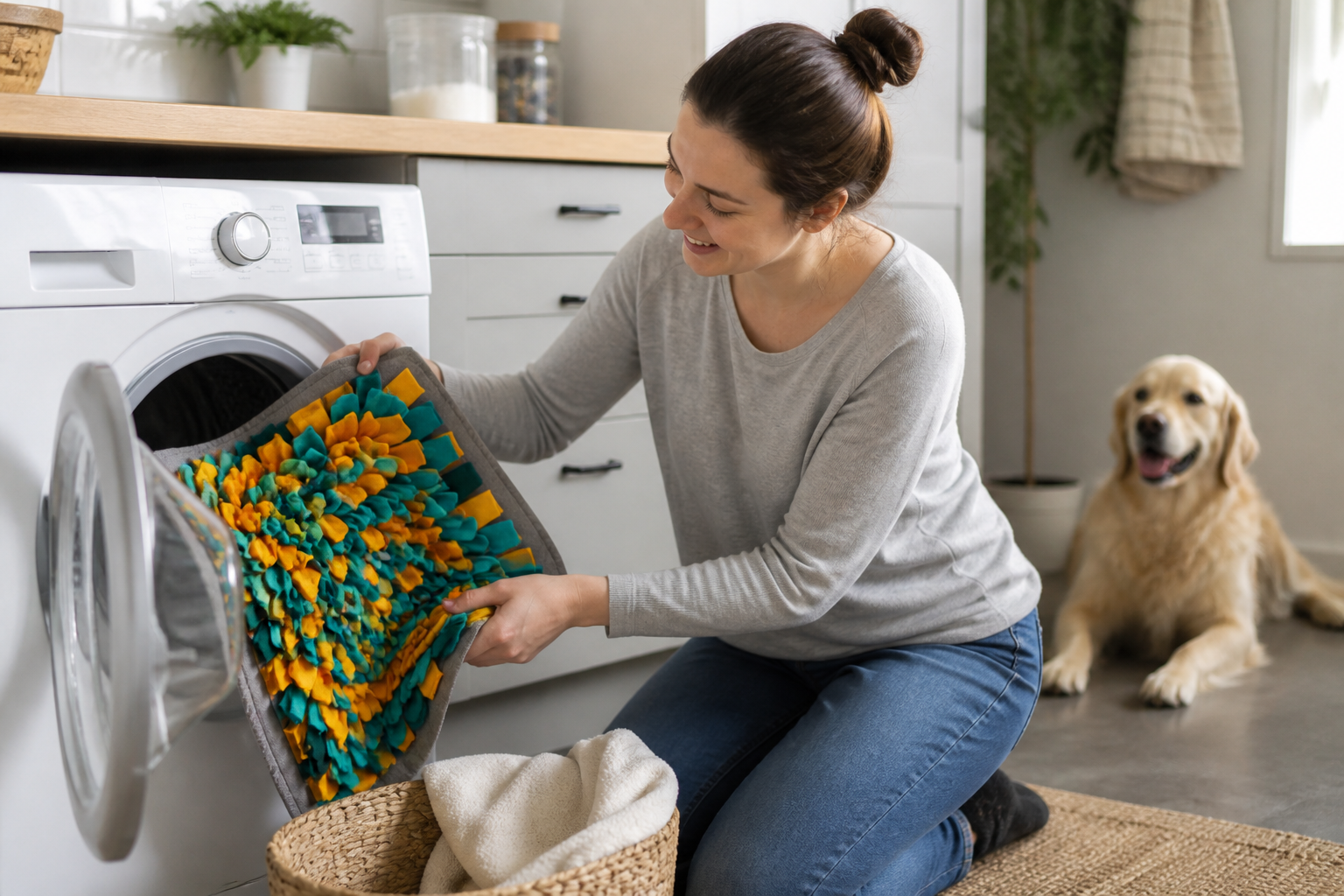
Most DIY snuffle mats are machine washable. It is best to place the mat inside a pillowcase or a mesh laundry bag before putting it in the wash. This prevents the fleece strips from getting tangled in the machine’s agitator. Use a mild, pet-safe detergent and a cold water cycle.
Drying
Do not put the mat in the dryer. The high heat can melt the rubber or plastic base or cause the fleece to lose its texture. Instead, squeeze out the excess water and lay it flat to air dry. Placing it near a fan or a sunny window can speed up the process.
When Enrichment Becomes Therapy
For many dogs, sniffing is a calming activity. It lowers their heart rate and helps them focus. This makes snuffle mats a great tool for dogs with anxiety or those who struggle with transitions.
If your dog is dealing with significant stress, enrichment is just one piece of the puzzle. We offer a variety of calming aids in our shop, and through our partnership with Pet's Choice, our pharmacy can help with FDA-approved medications for anxiety when prescribed by your veterinarian. Combining behavioral enrichment like a snuffle mat with professional medical guidance is often the most effective way to help a nervous pet. You can also find more ideas in our guide to indoor enrichment activities for pets.
Bottom line: A snuffle mat is more than a toy; it is a therapeutic tool that supports emotional regulation through the power of scent.
Choosing the Best Treats for Snuffling
The type of food you put in the mat matters. You want something that is dry and does not crumble too easily.
- Dry Kibble: This is the easiest option for mealtime. It fits perfectly between the strips and does not leave a messy residue.
- Freeze-Dried Treats: Brands like Stella and Chewy’s or Vital Essentials make small, flavorful morsels that are highly aromatic. The strong scent makes the game even more exciting.
- Crunchy Biscuits: Small pieces of broken-up biscuits can add variety.
- Dehydrated Meats: Real Meat Co or Ziwi Peak offer jerky-style treats that can be torn into small bits for hiding.
Avoid using wet food, peanut butter, or greasy treats in the mat. These will create a mess that is difficult to clean and may cause the fleece to mold.
Advanced Snuffling Techniques
Once your dog is a pro, you can increase the difficulty. Try these variations to keep them challenged:
- Layered Scents: Hide a few very high-value treats at the very bottom and standard kibble on top. This encourages them to keep searching even after they find the easy pieces.
- The Roll-Up: Once the food is hidden, roll the mat up like a burrito. Your dog will have to unroll it before they can even start snuffling.
- Hide and Seek: Hide the loaded snuffle mat somewhere in the house. Your dog first has to find the mat using their nose, then find the treats inside it.
Beyond the DIY Project
While making a snuffle mat for dogs is a fun weekend project, sometimes you need something more durable or a different type of challenge. We carry a wide selection of dog toys and interactive play options from trusted brands like Kong and Jackson Galaxy. These can be used alongside your DIY mat to provide a variety of mental challenges. For more ideas, see our guide to dog boredom busters.
If you find that your dog is constantly needing new puzzles, our Autoship program is a great way to keep treats and food arriving on a schedule. This also grants you a free MVP Gold membership, helping you save on the supplies that keep your pet happy. Learn about the MVP Rewards program and its membership benefits.
Using a snuffle mat is a simple, cost-effective way to improve your dog's quality of life. Whether you are looking to slow down a fast eater or just give your senior pup something to do on a Tuesday afternoon, this project is well worth the effort. It builds the bond between you and your dog and turns a boring meal into the highlight of their day.
FAQ
How often should I let my dog use a snuffle mat?
Most dogs can use a snuffle mat for every meal if they enjoy it. It is a healthy way to provide daily mental stimulation and slow down their eating pace. However, make sure to monitor the mat for wear and tear to ensure they aren't chewing on the fabric.
What is the best fabric for a snuffle mat?
Fleece is widely considered the best material because it is soft on a dog's nose and does not fray into loose strings. It also holds up well in the wash and provides enough structure to hide treats effectively. You should avoid fabrics like cotton or wool that can unravel easily.
Can I use a snuffle mat for a dog with no teeth?
Yes, snuffle mats are excellent for senior dogs or those with dental issues. Since the fabric is soft, it will not hurt their gums. Just ensure you are using soft treats or small, manageable pieces of food that they can easily consume once they find them.
What should I do if my dog tries to chew or rip the mat?
If your dog starts chewing the mat, gently take it away and redirect them to a proper chew toy. You can reintroduce the mat later when they are in a calmer state. Always supervise use to prevent them from ingesting any of the fleece or the rubber base.


- Site & Contents BaxterBoo.com. BaxterBoo is located in the United States.
- Privacy & Security
- Terms of Use
- Accessibility Statement
