Save 15% on your 1st Autoship learn more

 Email us
 Live Chat
 FAQs
FAQs





Introduction
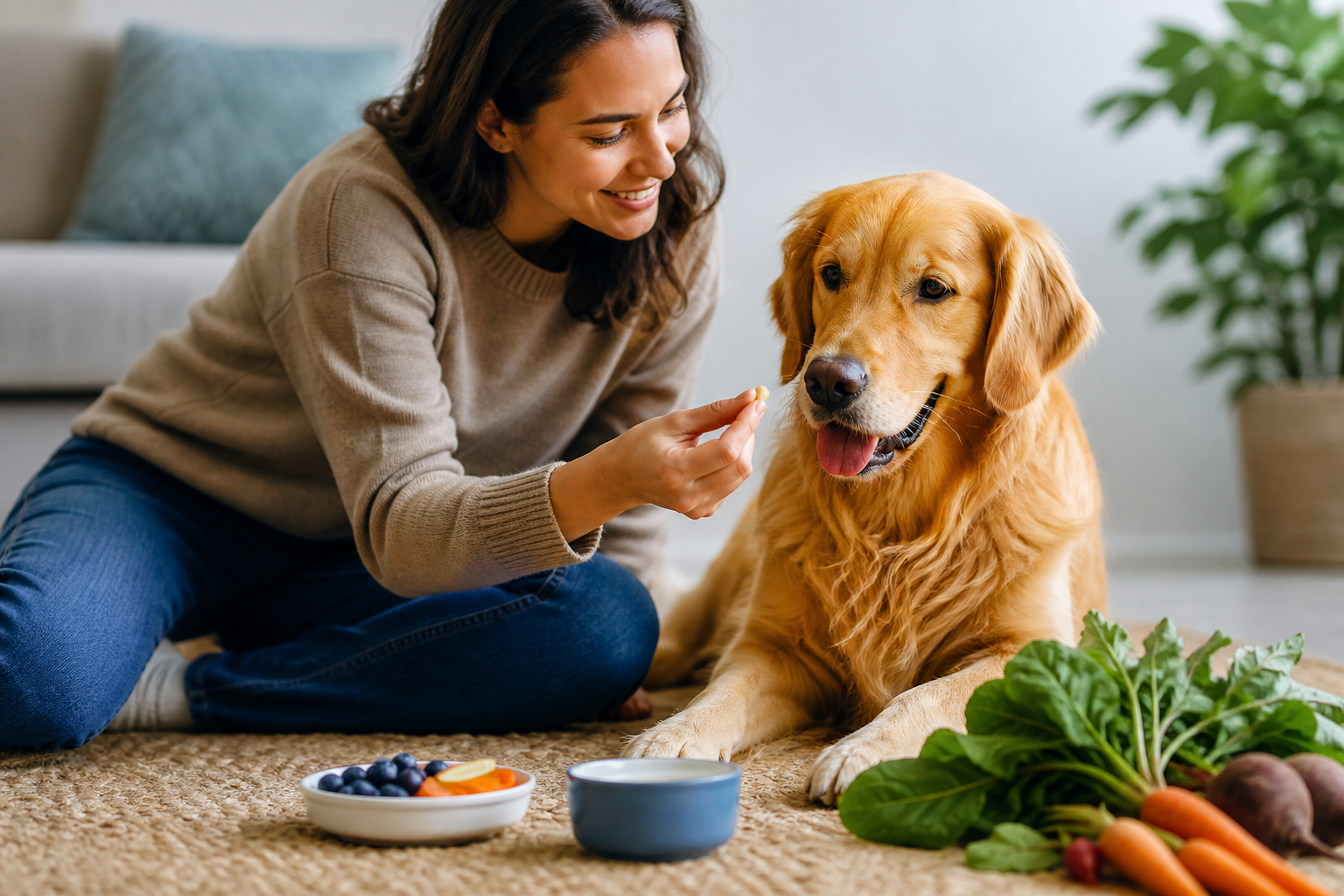
You may have heard your dog's stomach gurgling from across the room after a meal. Perhaps you have dealt with the sudden, messy reality of loose stools after a weekend of boarding. These moments are more than just minor inconveniences. They are signs that your dog’s internal ecosystem is out of balance. At BaxterBoo, we know that a healthy dog starts with a healthy gut. We have spent years helping pet owners navigate the complex world of canine nutrition and wellness. This article will explain how beneficial bacteria support your dog's digestion, immune system, and even their mood. We will cover the specific strains to look for and how to integrate these supplements into a daily routine. Understanding the role of the microbiome is the first step toward long term health for your furry friend.
Quick Answer: Dog probiotics are beneficial live bacteria and yeasts that support digestive health and immune function. They help manage diarrhea, reduce gas, alleviate skin allergies, and can even lower anxiety levels through the gut brain axis.
The Science of the Canine Microbiome
Every dog carries a vast community of microorganisms in their digestive tract. This community includes bacteria, fungi, and viruses. We call this the microbiome. When the microbiome is balanced, your dog feels their best. These microorganisms break down food that the body cannot process on its own. They also manufacture essential vitamins like B12 and K.
The balance of the gut is delicate. Bad bacteria are always present in small amounts. Problems arise when the bad bacteria begin to outnumber the good ones. This is called dysbiosis. It can happen because of a sudden diet change, a round of antibiotics, or even environmental stress. Probiotics are the tool we use to tip the scales back in favor of the good bacteria.
Key Takeaway: A balanced microbiome is essential for nutrient absorption and acts as a primary defense against pathogens.
Major Dog Probiotics Benefits for Digestion
The most common reason pet owners seek out probiotics is for digestive support. If your dog suffers from frequent gas or inconsistent stools, their gut flora may be struggling. Our dog digestive health collection offers supplements designed for digestive support. Probiotics help normalize the environment in the intestines by changing the local acidity. This makes it harder for harmful bacteria like Salmonella to thrive.
Managing Diarrhea and Loose Stools
Diarrhea is often a sign of a bacterial imbalance. This can occur after a dog eats something they should not have. It also frequently happens during stressful events like moving to a new home. Probiotics like Enterococcus faecium have been shown to shorten the duration of diarrhea episodes. By flooding the system with good bacteria, you help the gut recover its natural rhythm faster.
Reducing Gas and Bloating
Excessive gas is usually the result of poor fermentation in the gut. When food sits in the digestive tract without being broken down efficiently, it produces gas. Regular probiotic use helps the body process protein and fiber more effectively. This results in less bloating and a much more comfortable environment for everyone in the house.
Recovering from Antibiotics
Antibiotics are life saving medications. However, they are not selective. They kill off the bad bacteria causing an infection, but they also wipe out the beneficial bacteria in the gut. This often leads to antibiotic associated diarrhea. We recommend starting a probiotic during or immediately after a course of antibiotics to help rebuild the gut population.
Vet Tip: If your dog has persistent diarrhea, blood in their stool, or seems lethargic, consult your veterinarian immediately. They may need to diagnose an underlying condition before starting supplements.
The Gut and the Immune System
Many people are surprised to learn that roughly 70 to 80 percent of a dog’s immune system resides in the gut. The intestinal lining acts as a physical barrier. It prevents harmful substances from entering the bloodstream. Probiotics strengthen this barrier by supporting the production of short chain fatty acids.
These fatty acids provide energy to the cells lining the colon. When these cells are healthy, the barrier is strong. This prevents a condition often called leaky gut, where toxins can slip through the intestinal wall. A strong gut barrier means the immune system does not have to work as hard to fight off daily environmental challenges.
Fighting Pathogens
Probiotics compete with bad bacteria for food and space. When the gut is crowded with healthy Bifidobacterium and Lactobacillus, there is no room for pathogens to take hold. This proactive approach helps your dog stay resilient against minor bugs they might pick up at the dog park or daycare.
Modulating the Immune Response
In some cases, the immune system overreacts. This leads to chronic inflammation. Probiotics help regulate the immune response. They tell the body when to fight and when to stay calm. This balance is critical for long term wellness and longevity.
Skin Health and Allergy Management
Itchy skin and dull coats are often outward signs of an internal problem. If your dog is constantly scratching or licking their paws, their gut might be to blame. There is a strong connection between the gut and the skin, often referred to as the gut skin axis.
Reducing Allergic Reactions
Allergies are an immune system overreaction to a perceived threat. This could be a specific protein in food or pollen in the air. Probiotics help manage the inflammatory molecules involved in these reactions. Research suggests that dogs with diverse gut bacteria are less likely to suffer from severe atopic dermatitis.
Improving Coat Quality
When a dog can absorb nutrients better, their coat reflects it. Probiotics assist in the digestion of fats and proteins that are essential for shiny fur and healthy skin. If you notice your dog has dandruff or a brittle coat, a gut supplement might be the missing piece of the puzzle.
The Gut Brain Connection and Anxiety
One of the most exciting areas of pet health research is the gut brain axis. The brain and the gastrointestinal tract are in constant communication via the vagus nerve. This means that the health of the gut can directly influence a dog's mood and behavior.
Support for Anxious Dogs
Certain probiotic strains, specifically Bifidobacterium longum (BL999), have shown a significant impact on anxiety. Dogs taking this strain are often less likely to bark, jump, or pace in stressful situations. They may show more confidence when exploring new environments.
Behavioral Stabilization
If your dog suffers from separation anxiety or fear of loud noises, a daily probiotic may help. While it is not a replacement for training, it provides a biological foundation for a calmer temperament. A settled stomach often leads to a settled mind.
Key Takeaway: Probiotics can be a valuable part of a behavioral management plan for dogs dealing with environmental stress or general nervousness.
Choosing the Right Probiotic Supplement
Not all probiotics are created equal. When you are walking the aisles of a store or browsing our dog probiotic selection, you need to know what to look for on the label.
Understanding CFUs
CFU stands for Colony Forming Units. This tells you how many live, active bacteria are in each serving. For most dogs, a daily dose of 1 billion to 10 billion CFUs is a standard recommendation. However, the variety of strains is often more important than the raw number.
Essential Strains for Dogs
Look for a supplement that contains several different strains. Common beneficial strains include:
- Lactobacillus acidophilus: Helps with stool quality and frequency.
- Enterococcus faecium: Excellent for acute diarrhea management.
- Bifidobacterium animalis: Supports overall digestive regularity.
- Bacillus coagulans: A hardy strain that survives the acidic environment of the stomach.
Prebiotics: The Secret Ingredient
Prebiotics are non-digestible fibers that act as food for probiotics. Think of probiotics as the seeds and prebiotics as the fertilizer. Common prebiotics include chicory root, inulin, and fructooligosaccharides (FOS). A supplement that includes both is called a synbiotic. Using a synbiotic ensures the good bacteria have the fuel they need to thrive once they reach the gut.
When to Seek Professional Pharmacy Support
While many probiotics are available over the counter, some conditions require a more specialized approach. If your dog is managing a chronic condition like Inflammatory Bowel Disease (IBD) or severe malabsorption, your vet may prescribe a medical grade probiotic or a specific prescription diet.
Our pharmacy carries a variety of FDA approved medications and prescription pet foods through our partnership with Pet's Choice. This includes brands like Farmina Vet Life, which offers targeted nutrition for dogs with specific health needs. If your veterinarian provides a prescription for high potency probiotics or therapeutic diets, we can help fulfill those needs through our pharmacy services. This ensures your dog receives the exact formulation required for their condition.
Vet Tip: Never substitute a supplement for a veterinary visit if your dog is showing signs of severe pain, rapid weight loss, or persistent vomiting. A professional diagnosis is essential for long term health management.
Practical Tips for Giving Probiotics
Introducing a new supplement should be done carefully. Most dogs tolerate probiotics very well, but a sudden change can occasionally cause temporary gas or soft stools as the microbiome adjusts.
Step-by-Step Introduction
Step 1: Choose the right format. / Decide if your dog prefers a tasty chew, a powder to mix into kibble, or a capsule hidden in a treat.
Step 2: Start with a half dose. / Give your dog a smaller amount for the first three to five days to let their system adapt.
Step 3: Monitor their bathroom habits. / Watch for improvements in stool consistency or any signs of minor digestive upset.
Step 4: Transition to a full dose. / Once your dog is comfortable, move to the daily amount recommended on the packaging or by your vet.
Consistency is Key
Probiotics are not a one time fix. To maintain the benefits, they generally need to be given every day. Most owners see significant improvements in digestion within a few weeks. Changes in skin health or anxiety levels may take up to six weeks of consistent use.
Storage and Safety
Check the label to see if your probiotic requires refrigeration. Some live cultures are sensitive to heat and light. If the bacteria die in the bottle, they will not provide the intended benefits to your dog. Also, never give your dog a probiotic intended for humans without checking the ingredients. Human products often contain xylitol, an artificial sweetener that is extremely toxic to dogs.
Benefits for Different Life Stages
Every dog can benefit from gut support, but the focus changes as they grow.
Puppies
Puppies have developing immune systems. They are also prone to "garbage gut" because they tend to explore the world with their mouths. Probiotics can help puppies build a strong immune foundation and manage the digestive upsets that come with transitioning to adult food.
Adult Dogs
For active adults, probiotics support energy levels and nutrient absorption. This is especially important for working dogs or those who participate in sports like agility. Efficient digestion means more energy for play and faster recovery after exercise.
Senior Dogs
As dogs age, their digestive efficiency naturally declines. They may struggle to absorb the same level of nutrients from their food as they once did. Probiotics help senior dogs maintain a healthy weight and support their aging immune systems. This can lead to a higher quality of life in their golden years.
Bottom line: Probiotics are a versatile wellness tool that supports a dog's health from puppyhood through their senior years.
Conclusion
The benefits of dog probiotics extend far beyond simple digestion. By supporting the microbiome, you are investing in your dog’s immune system, skin health, and mental well being. Whether you are managing a specific issue like diarrhea or looking for a proactive way to maintain health, these beneficial bacteria are a powerful addition to your dog's daily routine.
We invite you to explore our selection of dog health supplements and grooming supplies at BaxterBoo. For those looking for consistent support, our Autoship programme offers a convenient way to ensure you never run out of your dog’s essential wellness products. Remember to earn points on every purchase with the MVP Rewards programme to get the best value for your pet care needs.
Summary of Benefits
- Faster recovery from diarrhea and digestive upset.
- Reduced gas, bloating, and bad breath.
- Stronger immune system and barrier function.
- Lower anxiety and stress through the gut brain axis.
- Healthier skin and a shinier coat.
FAQ
Can I give my dog human probiotics?
While some human probiotics are technically safe, we do not recommend them. Many contain human specific strains that may not thrive in a dog's gut. More importantly, human supplements often contain xylitol, which is life threatening for dogs. It is always safer to use a product specifically formulated for canine biology.
How long does it take for probiotics to work?
You might see improvements in digestive issues like diarrhea within one to three days. For more chronic issues like skin allergies or anxiety, it usually takes four to six weeks of consistent daily use. Consistency is the most important factor in seeing long term results.
Are there any side effects to dog probiotics?
Side effects are rare and usually mild. Some dogs may experience temporary gas, bloating, or soft stools during the first few days of use. This is often just a sign that the gut flora is shifting. If these symptoms persist or seem to cause pain, stop the supplement and consult your veterinarian.
Can my dog take probiotics every day?
Yes, most veterinarians recommend daily use for the best results. A daily dose helps maintain a stable population of beneficial bacteria. This is especially useful for dogs with sensitive stomachs or those who live in high stress environments like multi pet households.
FAQ
Can puppies safely take probiotics?
Yes, puppies can benefit from probiotics as they build their immune systems and transition to solid foods. Many puppy specific supplements are designed to support growth and reduce the frequency of "puppy diarrhea." Always follow the weight based dosing instructions on the package and consult your vet during your puppy's wellness exams.
Does my dog need a prescription for probiotics?
Most probiotics are available over the counter as supplements. However, for serious health conditions like chronic enteropathy, a veterinarian may prescribe medical grade options or therapeutic diets. Our pharmacy at BaxterBoo can help you fulfill these prescriptions through our partnership with Pet's Choice.
Can probiotics help with my dog's bad breath?
Bad breath often starts in the gut or the mouth. If your dog's breath smells because of poor digestion or gas, probiotics can help by balancing the bacteria in the GI tract. While they are not a replacement for regular dental cleanings, they can be a helpful part of a total hygiene routine.
Should I give probiotics during a course of antibiotics?
Yes, but timing is important. Antibiotics can kill the probiotics if they are given at the exact same time. Most experts suggest giving the probiotic a few hours before or after the antibiotic dose. Continuing the probiotic for several weeks after the medication ends helps restore the gut's natural balance.