
 Save 15% on your 1st Autoship learn more

 Email us
 Live Chat
 FAQs





Introduction
You are relaxing on the sofa when your cat jumps up for a pet. As you run your hand down their back, you notice a dusting of white flakes against their dark fur. It looks like a miniature snowstorm settled on their coat. This is a common sight for many cat owners, yet it often brings a wave of concern. Is it just dry skin, or is it something more serious? While those flakes can be unsightly, the right grooming routine can make a significant difference.
At BaxterBoo, we have spent years helping pet parents find the exact tools they need to keep their companions comfortable and healthy. This post covers the specific types of brushes that help manage feline flakes, the best techniques for sensitive skin, and how nutrition plays a role in coat health. Choosing the right brush is the first step in turning a flaky coat into a sleek, healthy one.
Quick Answer: The best brush for cat dandruff is a rubber curry brush or a soft bristle brush. These tools gently exfoliate the skin and distribute natural oils without causing irritation to the sensitive skin underneath.
Understanding Feline Dandruff
Before you pick up a brush, it is helpful to understand what those flakes actually are. In the veterinary world, dandruff is known as seborrhea. It happens when the skin's sebaceous glands produce too much or too little oil. This leads to a buildup of skin cells that eventually flake off. In cats, this can manifest as dry, white flakes or greasy, yellowish scales.
Dandruff is often a secondary symptom rather than a primary condition. It might be caused by low humidity in your home, especially during the cold Illinois winters. It can also be a sign that your cat is struggling to groom themselves properly. Senior cats with arthritis often have dandruff on their lower back because they can no longer reach that area comfortably.
Vet Tip: If your cat has sudden, severe dandruff accompanied by itching, redness, or hair loss, please consult your veterinarian. These can be signs of parasites, fungal infections, or underlying health issues that require a professional diagnosis and potentially prescription treatment.
Cat Brushes & Combs








Why Brushing Is Essential for Flaky Skin
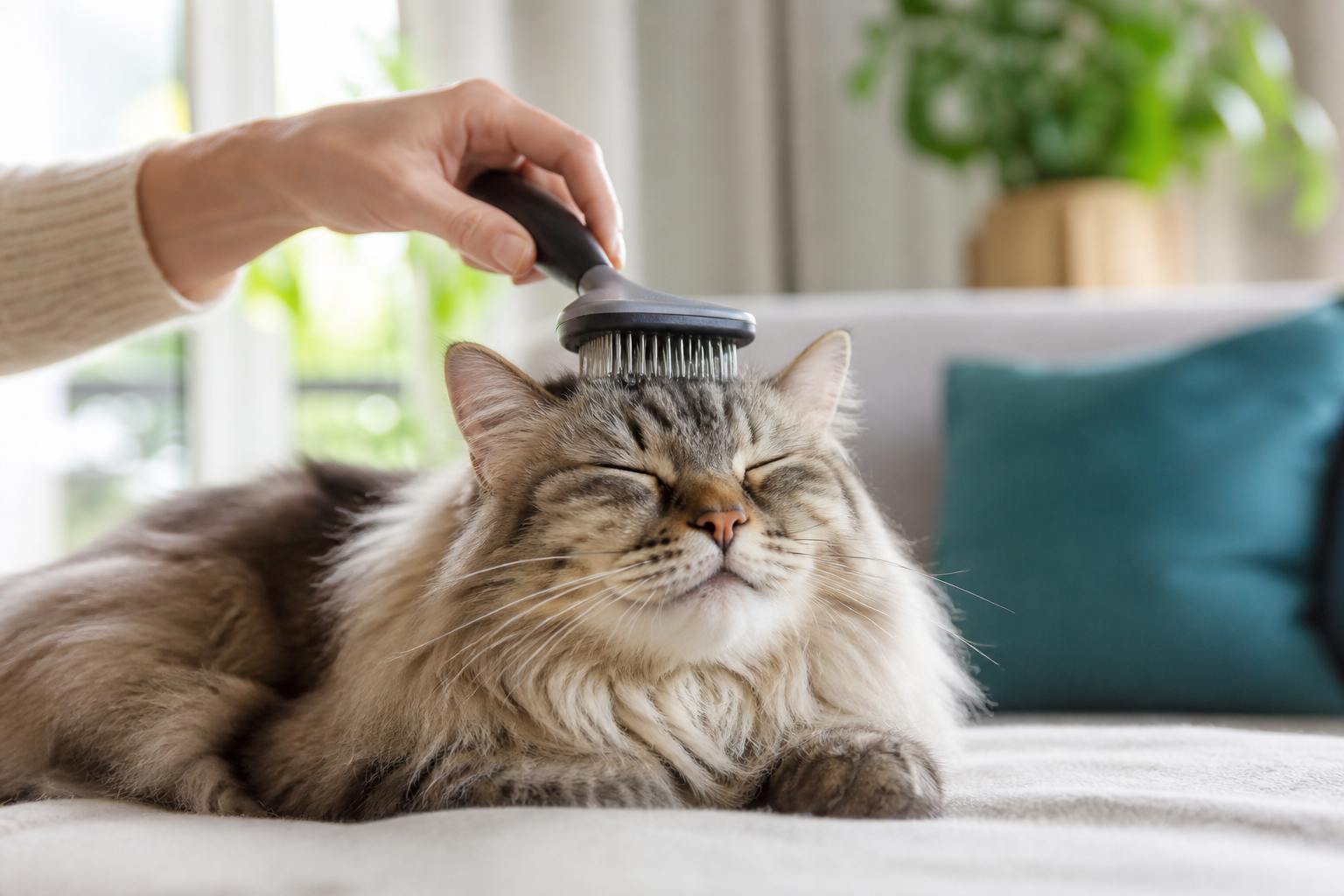
Brushing does much more than just move hair around. For a cat with dandruff, a regular grooming session acts as a multi-purpose therapy. First, it physically removes the dead skin cells that have already detached. If these flakes stay trapped in the fur, they can cause matting and further irritation.
Second, the act of brushing stimulates the skin. This movement encourages blood flow to the surface, which supports healthy skin cell turnover. Most importantly, brushing helps move natural oils. Cats produce sebum, a natural oil that keeps the skin supple and the coat shiny. When a cat has dandruff, these oils are often stuck at the base of the hair. Brushing pulls those oils down the hair shaft, providing a natural moisture barrier.
The Best Types of Brushes for Cat Dandruff
Not all brushes are created equal when it comes to sensitive, flaky skin. Some tools are too abrasive and can actually make the problem worse by scratching the skin. Here are the most effective options for managing dandruff.
Rubber Curry Brushes
Rubber brushes, such as the Kong ZoomGroom, are often the top choice for cats with dandruff. The soft rubber "fingers" are gentle on the skin but highly effective at grabbing loose hair and skin flakes.
These brushes work by massaging the skin as you move them in a circular motion. This massage action is particularly good for cats who are normally wary of grooming. Because the tips are blunt and flexible, there is no risk of scratching or piercing the skin. We have found that even the most sensitive cats usually enjoy the sensation of a rubber curry brush.
Soft Bristle Brushes
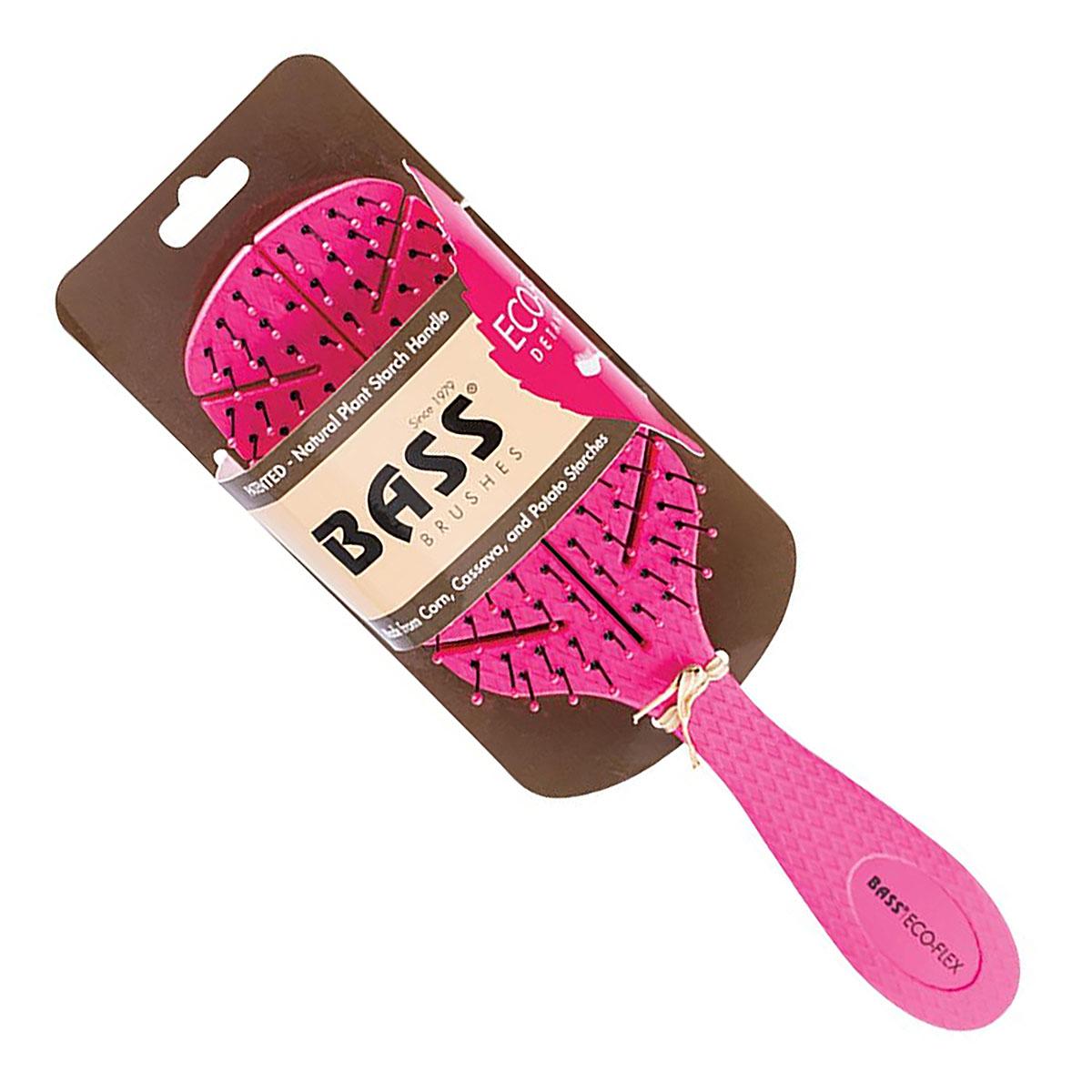
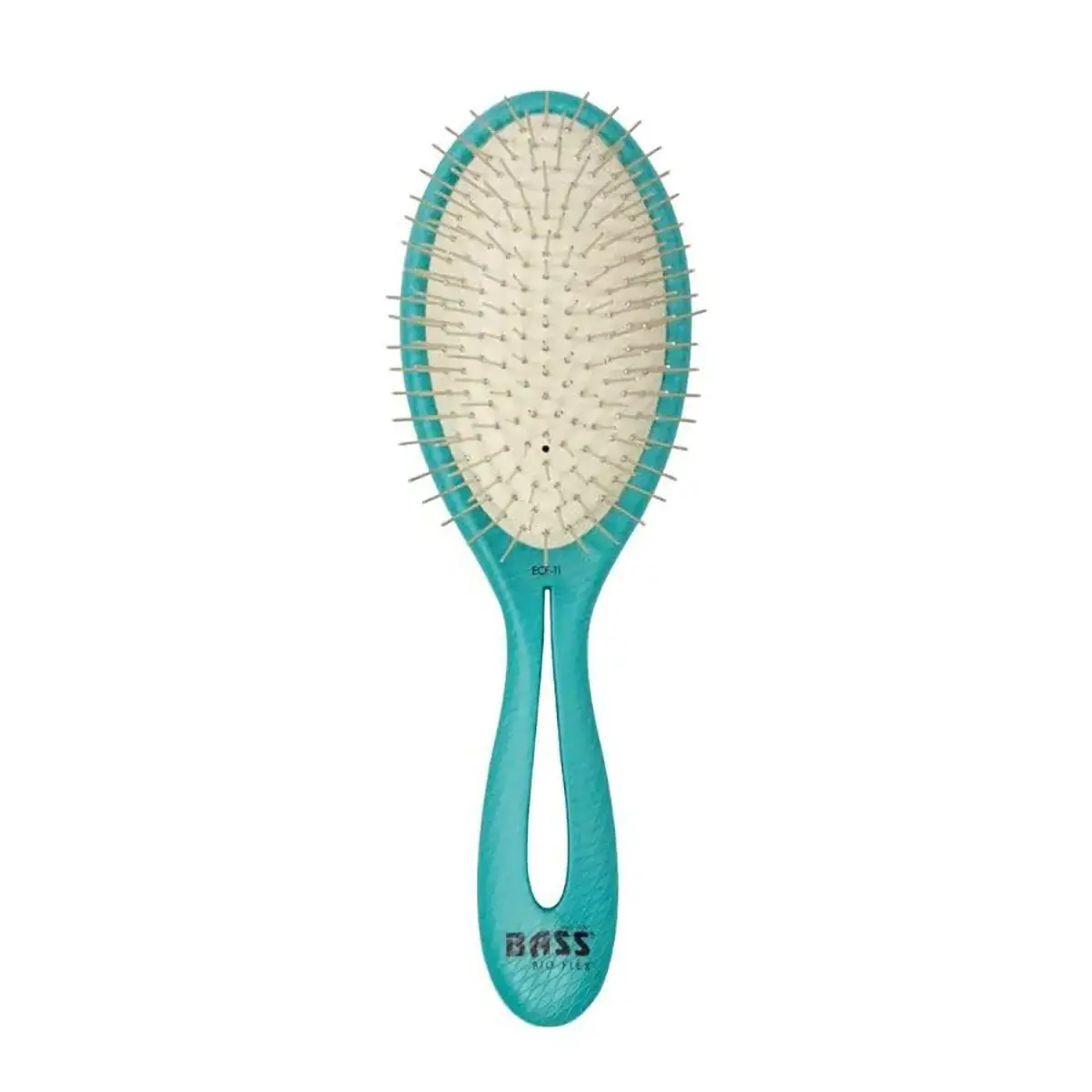
A natural or synthetic bristle brush is another excellent tool for your grooming kit. These brushes feature densely packed, soft bristles that are perfect for finishing a grooming session. They do not reach deep into the undercoat, but they are unmatched at distributing oils.
After you have used a deeper tool to lift the flakes, the bristle brush smooths everything down. It acts like a polisher for the coat. For cats with very thin fur or highly sensitive skin, a soft bristle brush might be the only tool they can tolerate. Explore our cat brushes and combs to find a grooming tool suited to your cat.
Fine-Tooth Combs and Flea Combs
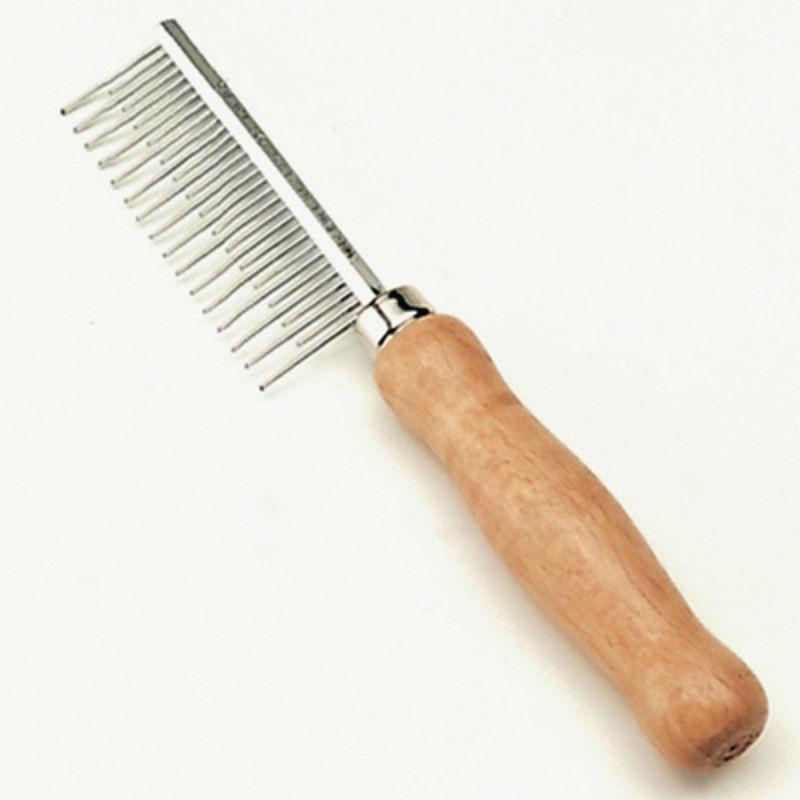
While you might usually use a flea comb to look for pests, it is also a fantastic tool for targeted dandruff removal. The teeth are set very close together. This allows the comb to catch even the smallest flakes of skin that a larger brush might miss.
Use a fine-tooth comb gently. It is best for localized areas where dandruff is heavy, such as the base of the tail. Because the teeth are usually metal, you must be careful not to press too hard against the skin.
Grooming Gloves
If your cat views a traditional brush as an enemy, a grooming glove is a smart alternative. These are worn like a mitten and have silicone or rubber nubs on the palm. Since you are essentially just petting your cat, it lowers their stress levels. This is a great way to handle daily maintenance for dandruff without making it a battle.
| Brush Type | Primary Benefit | Best For | Skin Impact |
|---|---|---|---|
| Rubber Curry | Massages and exfoliates | All hair lengths | Very Gentle |
| Soft Bristle | Distributes natural oils | Short hair / Finishing | Gentle |
| Fine-Tooth Comb | Lifts stubborn flakes | Heavy dandruff areas | Moderate (use care) |
| Grooming Glove | Stress-free maintenance | Skittish or nervous cats | Very Gentle |
Brushing Techniques for Maximum Relief
How you brush is just as important as what you use. When dealing with dandruff, the goal is to be effective without being aggressive.
Step 1: Start with a gentle massage. / Use a rubber curry brush in small, circular motions across the shoulders and back. This loosens the dead skin cells and brings them to the surface.
Step 2: Brush with the grain. / Once the flakes are loosened, switch to long, sweeping strokes in the direction of hair growth. This moves the debris away from the skin.
Step 3: Focus on the trouble spots. / Spend extra time on the lower back and the base of the tail. These are the most common areas for dandruff buildup because they are harder for the cat to reach.
Step 4: Use a finishing tool. / Finish with a soft bristle brush to lay the fur flat and spread those healthy oils you just stimulated.
Step 5: Clean your tools. / Dandruff flakes and oils can build up on your brushes. Wash them regularly with mild soap and water to ensure you aren't just redepositing old debris back onto your cat.
Key Takeaway: Regular, gentle grooming sessions of 5 to 10 minutes are much more effective for dandruff than one long, aggressive session once a month.
Environmental Factors and Hydration
While the right brush helps manage the symptoms, the environment often dictates the health of the skin. During the winter, indoor heating strips the air of moisture. This causes the skin to dry out and flake. We often suggest that pet owners use a humidifier in the rooms where their cat spends the most time.
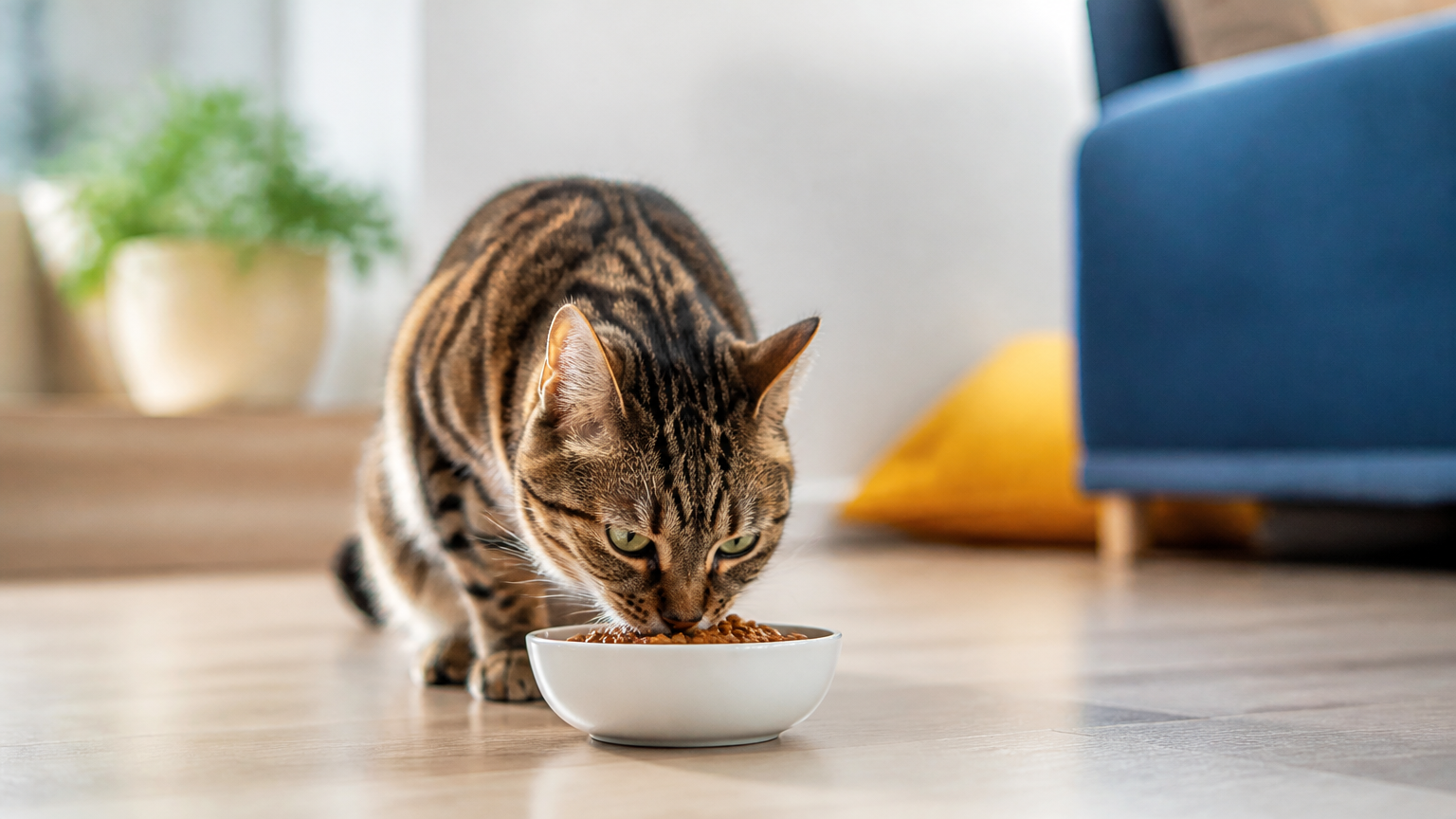
Hydration is also a major factor. Cats are notorious for having a low thirst drive. If they are slightly dehydrated, their skin is the first place it shows. You can help by adding wet food to their diet or using a pet water fountain. Brands like Tiki Cat offer high-moisture foods and broths that can significantly improve skin hydration from the inside out. Browse our cat food selection for wet food and other meal options.
For additional ideas about moisture-rich meals, read our guide to sensitive-stomach cat food choices.
Bottom line: A healthy coat starts with hydrated skin, so ensure your cat has multiple ways to stay hydrated throughout the day.
Nutrition and Supplements for Skin Health
What your cat eats directly impacts the quality of their coat. If the skin is consistently dry and flaky, they might be missing essential fatty acids. Omega-3 and Omega-6 fatty acids are vital for maintaining the skin's moisture barrier.
We carry several supplements that support skin and coat health. Brands like Zesty Paws and Honest Paws offer oils and chews formulated specifically to reduce flakiness. These supplements help "water" the skin from the inside, making your brushing routine more effective. You can also explore our cat skin and coat health selection for products suited to this part of your cat’s routine.
In some cases, a cat might need a more specialized diet. If the dandruff is caused by a food sensitivity, a limited ingredient diet from brands like The Honest Kitchen or Carna4 might help. For more severe cases, your vet might recommend a prescription skin support diet.
The Role of the BaxterBoo Pharmacy
Sometimes, over the counter solutions like brushes and standard supplements are not enough. If your cat’s dandruff is caused by an underlying medical condition, such as a fungal infection or a severe allergic reaction, they may require medicated shampoos or oral medications.
Through our partnership with Pet's Choice, the BaxterBoo pharmacy offers a wide range of FDA-approved medications and prescription pet foods. This includes specialized diets like Farmina Vet Life, which is formulated to manage specific health conditions including skin sensitivities. Having access to a real pharmacy means you can get your cat's prescription needs delivered right to your door alongside their favorite toys and treats. Visit our cat pharmacy to explore available healthcare categories.
Vet Tip: Never use human dandruff shampoos on your cat. A cat's skin pH is very different from a human's, and these products can be toxic or cause severe chemical burns. Always use products specifically formulated for felines.
When to See the Vet
It is important to know when dandruff is a simple grooming issue and when it is a medical one. If you have improved your grooming routine and added supplements but see no change after three or four weeks, a vet visit is necessary.
Watch for these red flags:
- Red, inflamed, or bleeding skin
- Patches of hair loss
- A foul odor coming from the skin or ears
- Constant scratching or biting at the skin
- Large, greasy scales rather than small white flakes
Your veterinarian can perform a skin scraping to check for mites or a fungal culture to rule out ringworm. They can also run blood tests to ensure the skin issues aren't being caused by a systemic problem like hyperthyroidism or diabetes.
Making Grooming a Positive Experience
Many cats are hesitant about being brushed. If your cat has had a bad experience with a brush that pulled their hair or scratched their skin, they might hide as soon as they see the grooming kit. To turn this around, start slow.
Let your cat sniff the brush before you use it. You can even leave the brush near their favorite sleeping spot so it becomes a familiar object. Use treats to create a positive association. Give them a high-value treat from a brand like Vital Essentials or Stella and Chewy's after every few strokes.
If your cat becomes overstimulated, stop immediately. Signs of overstimulation include a twitching tail, ears pinned back, or skin rippling. By respecting their boundaries, you build the trust necessary for a long-term grooming routine.
Key Takeaway: Patience is the most important tool in your grooming kit. A few minutes of stress-free brushing is better than a forced session that ends in a scratch.
Building a Routine with Autoship
Consistency is the secret to managing cat dandruff. If you miss a week of brushing or run out of your cat's skin-support supplements, the flakes will likely return. To make things easier, we offer our Autoship programme.
This program allows you to schedule regular deliveries of food, treats, and supplements so you never run out. Plus, our Autoship customers receive a free MVP Gold membership, which provides extra savings and rewards. It is a simple way to ensure your cat always has the supplies they need for a healthy, flake-free life.
Conclusion
Managing cat dandruff is a journey that involves the right tools, consistent effort, and a watchful eye on your pet's overall health. While those white flakes can be frustrating, most cases can be managed at home with the right approach.
- Choose a gentle tool like a rubber curry brush or a soft bristle brush.
- Brush frequently but gently to distribute natural oils.
- Support skin health with hydration and fatty acid supplements.
- Consult a veterinarian if you notice signs of irritation or infection.
Our team at BaxterBoo is here to support you every step of the way. From our cat grooming supplies to the specialized medications available through our pharmacy partnership with Pet's Choice, we are dedicated to your pet's well-being.
Bottom line: The best brush for cat dandruff is the one your cat enjoys, used consistently as part of a holistic approach to skin health.
FAQ
Can I use a human hairbrush on my cat's dandruff?
It is not recommended to use human brushes because our bristles are often too stiff and the tips can be sharp for a cat's thin skin. Cat-specific brushes are designed with the correct tension and tip shape to exfoliate without causing micro-scratches. Using a dedicated pet tool ensures you are helping the dandruff issue rather than adding to the irritation.
How often should I brush my cat to get rid of dandruff?
For a cat with active dandruff, daily brushing for five to ten minutes is ideal. This frequency ensures that dead skin cells are removed before they can clump together and that natural oils are constantly being moved through the coat. Once the dandruff is under control, you can usually transition to brushing two or three times a week for maintenance.
Why does my cat only have dandruff at the base of their tail?
The base of the tail and the lower back are the hardest areas for a cat to reach during self-grooming. If a cat is overweight or has joint stiffness from aging, they may stop grooming these areas entirely, leading to a buildup of skin cells and oils. Targeted brushing in these spots is essential to help your cat maintain the areas they can no longer reach.
Will bathing my cat help with their dandruff?
Bathing can actually be counterproductive if done too often, as it can strip the skin of the very oils it needs to stay healthy. Unless your veterinarian has prescribed a specific medicated shampoo for a skin condition, it is usually better to rely on regular brushing and nutritional support. If you do must bathe your cat, always use a soap-free, moisturizing shampoo formulated specifically for felines.





- Site & Contents BaxterBoo.com. BaxterBoo is located in the United States.
- Privacy & Security
- Terms of Use
- Accessibility Statement
