
 Save 15% on your 1st Autoship learn more

 Email us
 Live Chat
 FAQs





Introduction
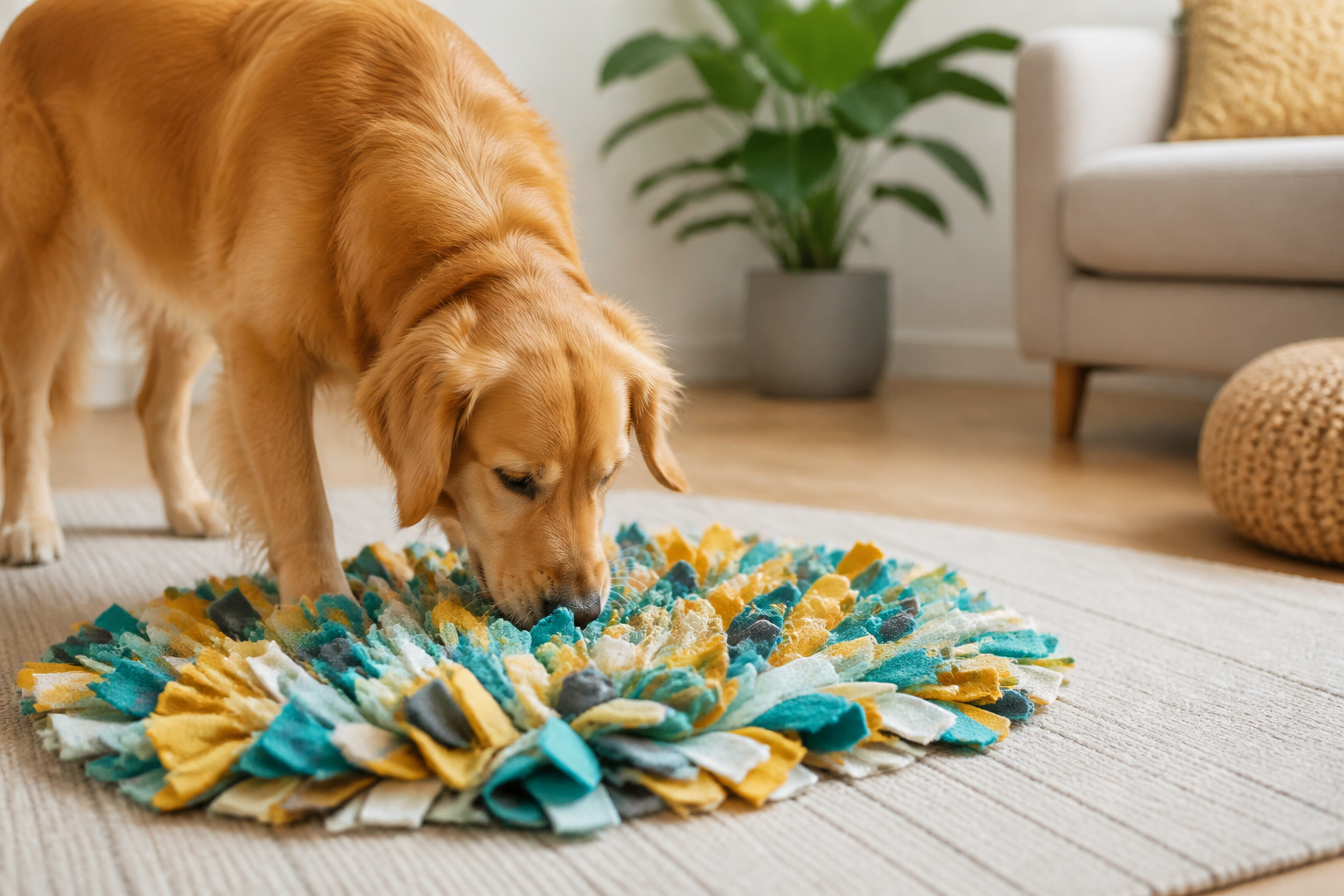
Your dog finishes their dinner before you can even set the bowl down. Or perhaps your pup is staring at you with that restless energy that a long walk did not quite solve. These are the moments when a snuffle mat becomes a lifesaver for pet parents. This simple enrichment tool taps into a dog's natural instinct to forage and sniff, turning mealtime into a mental workout. At BaxterBoo, we know that the right materials make all the difference in whether a toy lasts a week or a year. This article will cover the best snuffle mat fabric options, safety considerations for different materials, and how to choose a base that stays put. You will learn how to select fabrics that are durable, washable, and safe for your pet's nose.
Why the Right Fabric Matters
Choosing the correct snuffle mat fabric is not just about aesthetics. It is about safety and sensory experience. A dog’s nose is incredibly sensitive. The texture of the fabric against their snout should be soft enough to prevent irritation but rugged enough to withstand enthusiastic rooting. If a fabric is too thin, it will not hide the kibble effectively. If it is too flimsy, it may tear, leading to potential ingestion hazards.
Durability is the next major factor. Dogs use their paws and teeth to move the fabric strips aside. You need a material that does not fray or unravel when cut into strips. Frayed edges create long threads that can wrap around a dog's tongue or become a choking hazard. Selecting a non-fraying material also ensures that the mat remains dense and effective over many uses.
Finally, consider the washability. Snuffle mats hold food, saliva, and dust. The fabric must be able to withstand frequent cleaning without losing its shape or becoming "crunchy." A high-quality fabric will maintain its loft, which is essential for keeping the treats hidden deep within the layers.
Key Takeaway: The ideal snuffle mat fabric must be non-fraying, soft on the nose, and durable enough to handle machine washing and enthusiastic foraging.
Interactive & Treat Dog Toys








Fleece: The Gold Standard for Snuffle Mats
Fleece is the most popular choice for snuffle mats for several practical reasons. It is a synthetic knit fabric that does not fray when you cut it. This means you can slice it into hundreds of strips without needing to hem a single edge. It also has a natural "loft" or thickness that creates deep hiding spots for dry food and treats.
Anti-Pill Fleece
Anti-pill fleece is often considered the premium choice. It is treated to prevent the surface from forming those small, annoying balls of fuzz known as pills. This fabric is generally denser and heavier than other varieties. Because it stays smooth, it is easier to shake out crumbs and debris between deep cleanings.
Blizzard Fleece
Blizzard fleece is a common, budget-friendly alternative. It is slightly more prone to pilling over time, but it is very thick and sturdy. For a snuffle mat, the slight pilling usually does not affect the functionality. It provides excellent "hideability" for small kibble bits.
Polar Fleece
Polar fleece is lightweight and very soft. While it works well for smaller dogs or cats, it may be too thin for large, powerful breeds. If you use polar fleece, you might need to tie more strips per hole to achieve the same density as anti-pill or blizzard fleece.
Quick Answer: Fleece is the best fabric for snuffle mats because it does not fray when cut and provides a soft, thick texture for hiding treats. Anti-pill fleece is the most durable and highest quality option.
Alternative Fabric Options
While fleece is the leader, other fabrics can work depending on your goals and your pet's chewing habits. We often see pet owners get creative with upcycling materials they already have at home.
Cotton Interlock or T-Shirt Knits
Old 100 percent cotton t-shirts can be used if they are an interlock knit. This type of fabric curls slightly when cut but does not typically fray into long, dangerous strings. However, cotton is much thinner than fleece. You will need significantly more strips to create a mat that actually challenges your dog. Cotton also absorbs more moisture and saliva, which can lead to odors if not washed very frequently.
Felt
Craft felt is sometimes used, but it is generally the least durable option. Most craft felt is thin and can be easily torn by a dog's teeth. If you choose felt, look for "stiffened" or heavy-duty industrial felt. Even then, felt does not handle the washing machine nearly as well as fleece does. It tends to become misshapen or lose its texture after a few cycles.
Flannel
Flannel is soft and holds scent well, which dogs love. However, flannel frays significantly. If you use flannel, you would technically need to hem every strip, which is a massive undertaking for a DIY project. Without hemming, the threads will quickly become a mess and a safety risk.
Choosing a Base Material
The fabric strips need something to hold onto. The base provides the structure and weight to keep the mat from sliding across the floor while your dog works.
Rubber Sink Mats
This is the most common DIY choice. Rubber sink liners usually have a grid pattern that makes it easy to tie fabric strips. They are heavy enough to stay in place and flexible enough to be stored easily. Look for a heavy-duty version without suction cups, as suction cups can sometimes be chewed off.
Plastic Canvas
For smaller mats, plastic embroidery canvas can work. However, it is quite rigid and can snap if a large dog steps on it. It is better suited for cat snuffle mats or very small toy breeds.
Fabric Backing
Some high-end snuffle mats use a heavy canvas or denim backing. This requires sewing the fabric strips onto the base rather than tying them. A fabric base is the most "washable" version because there is no rubber or plastic to worry about in the dryer, but it provides less grip on hardwood floors.
Safety and Fabric Selection
When picking out your snuffle mat fabric, safety should be your top priority. Not all fabrics are created equal when it comes to chemical treatments and dyes.
- Avoid Loose Weaves: Any fabric that you can easily pull a thread out of is a no-go. These threads can cause intestinal blockages if swallowed.
- Check the Dye: Look for fabrics that are colorfast. If the dye bleeds when the fabric gets wet, it could end up on your dog's snout or tongue.
- New vs. Used: If you are using old blankets or clothes, ensure they have been washed with pet-safe detergent. Avoid items that have been treated with heavy fabric softeners or dryer sheets, as these scents can be overwhelming for a dog’s sensitive nose.
Vet Tip: Always supervise your pet during their first few sessions with a snuffle mat. If your dog begins to chew or pull at the fabric strips rather than sniffing for food, remove the mat. Ingesting fabric can lead to serious health issues that require veterinary intervention.
Calculating How Much Fabric You Need
One of the biggest mistakes DIYers make is underestimating the amount of fabric required. A truly enriching snuffle mat must be dense. If the strips are too sparse, the food just sits on the bottom, and the game is over in seconds.
To calculate your needs, consider the size of your base. For a standard 12 by 12 inch sink mat:
- You will need approximately 1 to 1.5 yards of fleece.
- Most strips should be about 1 to 1.5 inches wide.
- The length should be between 6 and 8 inches.
If you are using a larger base, such as an anti-fatigue kitchen mat, you may need 3 yards of fabric or more. It is always better to have extra fabric than to end up with a "bald" mat that does not hide the treats properly.
Step-by-Step Fabric Prep
Step 1: Wash and dry your fabric. This removes any chemical residues from the manufacturing process and pre-shrinks the material.
Step 2: Use a rotary cutter and a mat if possible. This creates much cleaner, straighter lines than scissors and saves your hand from cramping.
Step 3: Cut your strips in the direction of the "cross-grain" stretch. Fleece usually stretches more in one direction than the other. Tying strips that have a bit of give makes the assembly process much easier on your fingers.
How to Assemble for Maximum Density
The way you tie your snuffle mat fabric determines the difficulty level for your pet. A loose mat is a "beginner" mat, while a very dense mat is an "expert" challenge.
To create a high-density mat, you should tie a strip around every bar of your grid. This means tying horizontally, vertically, and sometimes even diagonally across the intersections. At BaxterBoo, we recommend starting with the perimeter to give the mat a clean edge, then working your way inward in rows.
If you find that the mat still looks a bit thin, you can "double up" by tying two strips in a single hole. This creates a lush, rug-like texture that forces the dog to really work their nose into the fibers. This extra effort is what provides the mental stimulation that tires them out.
Key Takeaway: Density is the secret to a successful snuffle mat. Use more strips than you think you need to ensure the food is fully hidden and the mental challenge is high.
Cleaning and Maintenance
A dirty snuffle mat can harbor bacteria and mold, especially if you use high-value treats like freeze-dried liver or moist kibble. Regular cleaning is a must.
Shaking and Vacuuming
Between deep washes, take the mat outside and give it a vigorous shake. This removes loose crumbs and hair. You can also use a vacuum hose attachment to pull out deeper debris.
Machine Washing
If you used fleece and a rubber or plastic base, most mats can be machine washed on a gentle cycle. Use cold water and a fragrance-free detergent. We recommend placing the mat inside a large mesh laundry bag or an old pillowcase. This prevents the fabric strips from getting tangled in the agitator or the drum of the machine.
Drying
Air drying is the safest method. High heat in a dryer can melt rubber sink mats or cause the fleece to lose its soft texture. Lay the mat flat on a drying rack in a well-ventilated area. It may take 24 hours to dry completely because the dense fabric strips hold a lot of moisture.
The Health Benefits of Scent Work
Using the right snuffle mat fabric supports more than just a fun game. Scent work has measurable benefits for a dog's well-being. It is a calming activity that can lower heart rates and reduce stress.
For dogs that "inhale" their food, a snuffle mat acts as a slow feeder. Eating too quickly can lead to digestive upset or even a dangerous condition called bloat. By scattering their kibble in the fabric strips, you force them to take small bites and chew properly.
If your dog is managing a weight issue or a chronic digestive condition, slow feeding is often a part of the management plan. Our pharmacy offers prescription diets for weight management and digestive health through our partnership with Pet's Choice. Pairing a specialized diet with an enrichment tool like a snuffle mat can help your pet reach their health goals while keeping them satisfied.
Vet Tip: If your pet is struggling with obesity or chronic digestive issues, consult your veterinarian about a prescription diet. You can fulfill these prescriptions through our pharmacy for convenient home delivery.
Beyond DIY: When to Buy a Professional Mat
While making a mat is a fun project, some owners prefer the durability and precision of a professionally made product. Store-bought snuffle mats often feature advanced designs that are hard to replicate at home, such as varying fabric lengths, hidden pockets, and non-slip waterproof bases.
We carry a variety of enrichment toys and puzzle feeders at BaxterBoo that are handpicked for quality and safety. Our interactive feeder collection includes options designed to make mealtime more engaging. Professional mats often use reinforced stitching that is much harder for a determined chewer to take apart. If you have a "power chewer," a professional mat might be a safer long-term investment than a DIY version.
Whether you build or buy, the goal is the same: to provide your pet with a healthy outlet for their natural instincts. A well-made mat using high-quality fleece will provide months or even years of entertainment.
Troubleshooting Common Fabric Issues
Even with the best snuffle mat fabric, you might run into a few hurdles. Here is how to handle common problems.
- The "Soggy" Mat: If your dog is a heavy drooller, the fleece can get wet quickly. If this happens, you must wash the mat more frequently to prevent sour smells. Consider having two mats so one can be in the wash while the other is in use.
- Fabric Pulling: If your dog tries to pull the strips out, the knots might not be tight enough. Go back through and tighten the knots, or consider a double-knot for dogs that like to tug.
- Static Electricity: In dry winter months, synthetic fleece can build up static. This might give your dog a little zap on the nose, which can make them "mat-shy." You can lightly mist the mat with water or use a pet-safe anti-static spray to prevent this.
Bottom line: Maintenance and observation are key to ensuring your snuffle mat remains a positive and safe experience for your dog.
Conclusion
Finding the right snuffle mat fabric is the first step toward creating a rewarding enrichment experience for your dog or cat. Fleece remains the top choice for its safety, ease of use, and durability. By selecting a high-quality anti-pill or blizzard fleece and a sturdy rubber base, you can build a tool that helps with slow feeding, mental stimulation, and anxiety reduction. Remember to keep the mat clean, supervise your pet during use, and always prioritize non-fraying materials to keep your furry friend safe.
- Select non-fraying fabrics like fleece or interlock knits.
- Aim for high density by tying strips around every part of the base grid.
- Wash the mat regularly using a mesh bag and air dry it to maintain its shape.
- Consult your vet if you are using the mat to manage health conditions like obesity or anxiety.
If you are looking for high-quality treats to hide in your new mat, or if you need to stock up on grooming supplies to keep that fleece clean, visit our main category pages to see our full selection of pet gear.
Key Takeaway: A well-constructed snuffle mat is one of the most effective ways to provide indoor enrichment and improve your dog's eating habits.
FAQ
What is the absolute best fabric for a snuffle mat?
The best fabric is 100 percent polyester fleece, specifically anti-pill or blizzard fleece. It is the gold standard because it does not fray when cut into strips, it is soft on the dog's nose, and it is durable enough to withstand many trips through the washing machine. Other fabrics like cotton or flannel fray easily and can create safety hazards if the threads are ingested.
Can I use old clothes to make a snuffle mat?
Yes, you can use old clothes as long as the fabric is a knit that does not fray, such as t-shirt material or fleece pajamas. However, you should avoid denim, button-down shirt fabric, or anything with a loose weave, as these will unravel and become dangerous. You will also need many more strips of t-shirt material than fleece because it is much thinner and less effective at hiding treats.
How often should I wash my pet's snuffle mat?
You should wash the mat at least once every two weeks if it is used daily with dry kibble. If you use high-value treats that are oily or crumbly, you should wash it once a week. Frequent washing prevents the buildup of bacteria, mold, and stale food odors that could discourage your dog from using the mat or make them sick.
Is a snuffle mat safe for cats?
Snuffle mats are excellent for cats and provide much-needed mental stimulation for indoor felines. You can hide dry cat treats or even a little catnip inside the fleece strips. For cats, you can use a smaller base and slightly shorter fabric strips, but the safety rules regarding non-fraying fabric remain the same to prevent the risk of linear foreign bodies if they were to swallow a thread. A washable snuffle mat designed for cats can also provide a ready-made enrichment option.


- Site & Contents BaxterBoo.com. BaxterBoo is located in the United States.
- Privacy & Security
- Terms of Use
- Accessibility Statement
