
 Save 15% on your 1st Autoship learn more

 Email us
 Live Chat
 FAQs
FAQs





Introduction
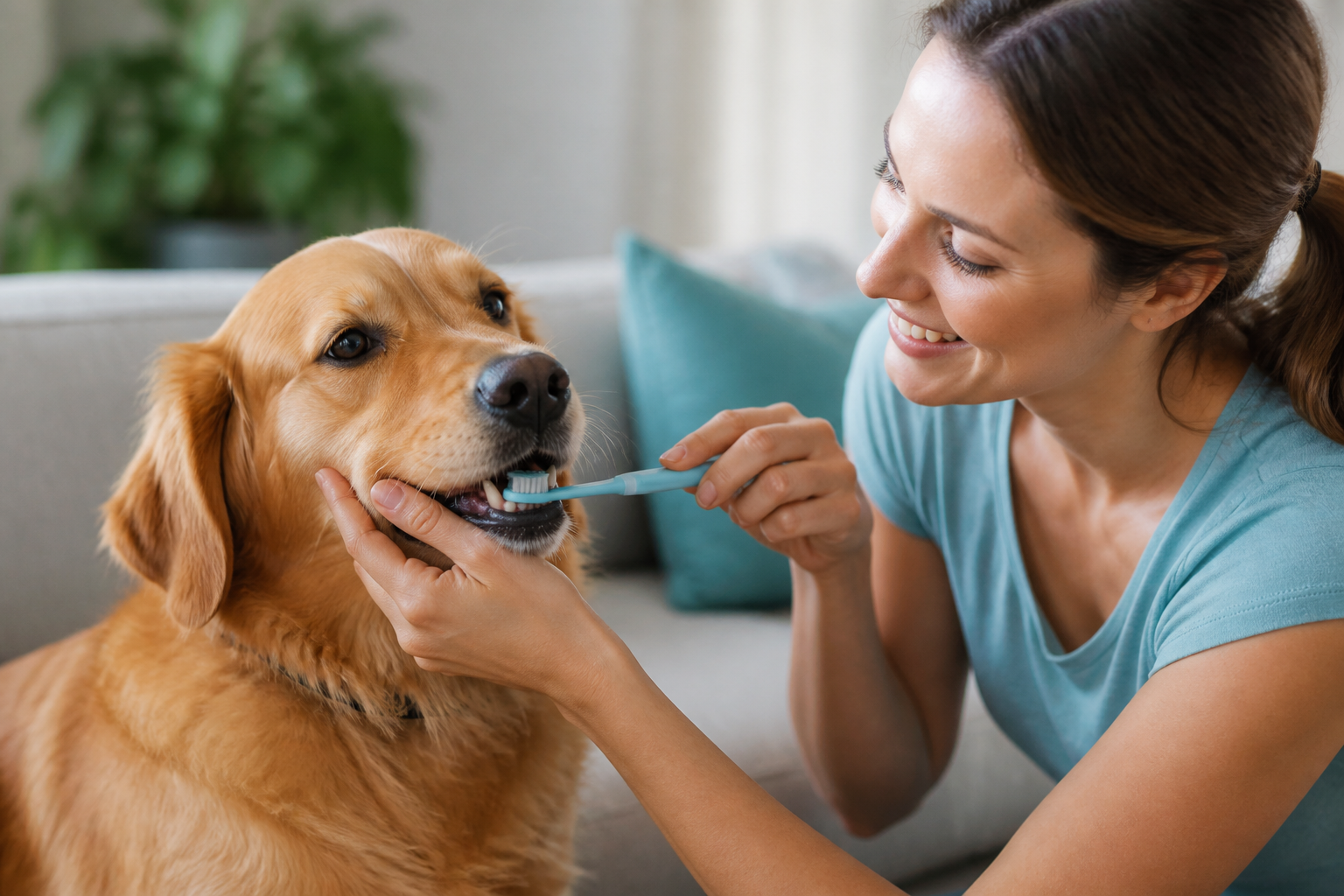
You lean in for a morning snuggle with your dog and a wave of "dog breath" hits you. While many owners think bad breath is just a part of owning a pet, it is often the first sign of dental disease. At BaxterBoo, we know that keeping a dog’s mouth clean can feel like a chore. However, staying on top of oral hygiene is one of the most important things you can do for their long term health. This guide covers the best methods for cleaning your dog's teeth, from the gold standard of brushing to effective alternatives like dental chews and powders. We will also help you identify when it is time to visit the vet for professional care. A consistent daily routine is the most effective way to prevent painful infections and costly extractions.
Quick Answer: The most effective way to clean a dog's teeth is daily brushing with dog-specific toothpaste and a soft-bristled brush. For dogs that resist brushing, a combination of VOHC-approved dental chews, water additives, and dental powders provides a strong secondary defense against plaque and tartar.
Why Dental Health Matters for Dogs
Dental health is about more than just a white smile and fresh breath. It is a critical component of your dog's systemic wellness. When plaque sits on the teeth for too long, it hardens into tartar. This hard substance can only be removed by a veterinarian using professional tools. If left untreated, the bacteria in tartar can enter the bloodstream. This can eventually lead to issues with the heart, kidneys, and liver.
Most dogs show signs of periodontal disease by the time they are three years old. This condition causes inflammation of the gums, bone loss, and significant pain. Dogs are experts at hiding discomfort. They may continue to eat even if they have a localized infection or a loose tooth. By establishing a cleaning routine now, you are protecting them from silent suffering. For additional guidance, read about warning signs of bad teeth in dogs.
The Gold Standard: Brushing Your Dog's Teeth
Veterinarians agree that manual brushing is the single best way to remove plaque. Plaque is a sticky film of bacteria that forms within hours of eating. If you can disrupt this film daily, you prevent it from mineralizing into tartar.
Choosing the Right Supplies
Never use human toothpaste for your dog. Our toothpaste often contains xylitol, which is toxic to dogs. It also contains foaming agents that are meant to be spit out. Dogs will swallow the paste, so they need a formula that is safe to ingest. Look for enzymatic toothpastes in flavors like poultry, beef, or peanut butter. These enzymes help break down organic matter even after you stop brushing. You can find options such as Arm & Hammer Dental Complete Care Dog Toothpaste.
You have a few options for the brush itself:
- Standard dog toothbrushes with long, angled handles for back molars.
- Finger brushes that slip over your pointer finger for better control.
- Child-sized soft-bristled toothbrushes for very small breeds.
A Step-by-Step Brushing Routine
If your dog has never had their teeth brushed, do not expect to finish the whole mouth on the first day. You need to build trust and positive associations. These gradual steps are also covered in BaxterBoo’s pet dental care tips.
Step 1: Get them used to the taste. / Put a small dab of dog toothpaste on your finger. Let your dog lick it off. Do this for a few days until they get excited when they see the tube.
Step 2: Desensitize the mouth. / Gently lift your dog's lip and rub your bare finger along their gums. Keep these sessions very short. Reward them with praise or a small treat immediately afterward.
Step 3: Introduce the brush. / Put toothpaste on the brush and let them lick it. While they are occupied, try to brush one or two of the large canine teeth in the front. Use gentle circular motions.
Step 4: Gradually expand. / Slowly work your way toward the back molars. This is where the most buildup usually occurs. You do not need to worry about the inside surfaces of the teeth. A dog's tongue usually does a good job of keeping those areas clean. Focus on the outside surfaces where the cheek meets the teeth.
Key Takeaway: Consistency is more important than perfection. Brushing for thirty seconds every day is far more effective than a ten-minute deep clean once a month.
Effective Alternatives to Brushing
Some dogs simply will not tolerate a toothbrush. If you have a rescue dog with a sensitive mouth or a particularly stubborn pup, do not give up on their dental health. You can use several no-brush methods to keep plaque at bay. These are most effective when used together. Our dog dental care collection includes products for different at-home routines.
Dental Chews and Treats
Dental chews are designed to provide mechanical abrasion. As your dog bites down, the texture of the chew scrapes against the tooth surface. Many high-quality chews also contain active ingredients that help prevent plaque from sticking.
When shopping, look for the VOHC Seal of Acceptance. The Veterinary Oral Health Council only awards this seal to products that have proven their effectiveness through clinical studies. We carry several VOHC-approved brands that make the cleaning process feel like a reward for your dog. Explore our dental treats for additional options.
Dental Powders and Seaweed Supplements
One of the easiest ways to clean teeth is through a systemic approach. Some dental powders use a specific type of North Atlantic seaweed. When your dog eats this powder, it is absorbed into their system and changes the composition of their saliva. This makes plaque softer and harder to stick to the teeth. It can even help loosen existing tartar over several weeks of use. This is an excellent choice for dogs that hate having their mouths handled. Dental supplements for dogs offer several powder-based options.
Water Additives and Oral Rinses
Water additives are liquid solutions you pour directly into your dog's drinking bowl. They usually contain enzymes or safe antibacterial agents. These help kill the bacteria that cause bad breath and plaque. While they are not a replacement for brushing, they are a great "set it and forget it" supplement to a wider routine.
Comparison of At-Home Cleaning Methods
| Method | Effort Level | Effectiveness | Best For |
|---|---|---|---|
| Brushing | High | Excellent | Preventive care and plaque removal |
| Dental Chews | Low | Good | Mechanical cleaning and rewards |
| Dental Powders | Very Low | Moderate | Systemic plaque control for difficult dogs |
| Water Additives | Very Low | Mild | Improving breath and killing bacteria |
| Dental Wipes | Moderate | Moderate | Dogs who dislike bristles but tolerate touch |
Vet Tip: If you notice your dog's gums are red, bleeding, or swollen, stop brushing and call your vet. This may be a sign of advanced gum disease. Brushing over inflamed gums can be very painful for your dog and might make them fear the routine.
The Role of Diet in Dental Health
What your dog eats can impact how quickly plaque forms. There is a common belief that dry kibble cleans teeth better than wet food because it is crunchy. While kibble does provide some friction, most standard kibble pieces shatter too quickly to provide real cleaning.
Specialized dental diets are different. These kibbles are larger and have a fibrous texture that does not crumble immediately. The tooth sinks into the kibble, which wipes the surface as the dog chews. If your dog is prone to fast buildup, ask your veterinarian about a prescription dental diet. Our pharmacy carries a range of prescription pet foods, and you can browse our pet pharmacy for available products.
Safe Chew Toys
Chewing is a natural behavior that helps keep teeth clean. However, not all chew toys are safe for teeth. You should avoid items that are harder than the teeth themselves. This includes:
- Dried animal hooves
- Real bones (especially cooked ones)
- Hard nylon toys with no "give"
- Antlers
A good rule of thumb is the "fingernail test." If you cannot make a small indent in the toy with your fingernail, it might be hard enough to fracture a tooth. Rubber toys or firm dental chews are much safer options for heavy chewers.
Identifying Signs of Dental Disease
Even with the best home care, problems can arise. You should perform a "flip the lip" check once a week. This helps you get familiar with what your dog's healthy mouth looks like so you can spot changes early.
Signs that your dog needs a professional dental exam include:
- Persistent bad breath that does not improve with brushing.
- Yellow or brown crust along the gumline.
- Gums that look bright red or bleed easily.
- Difficulty eating or dropping food while chewing.
- Excessive drooling.
- Pawing at the mouth or face.
- Loose, broken, or missing teeth.
If you see these signs, it is time to schedule a veterinary visit. Home cleaning can prevent disease, but it cannot cure an existing infection or remove hardened tartar.
Key Takeaway: Tartar is like concrete. Once it forms on the teeth, no amount of brushing or chewing will remove it. Only a professional scaling at a vet's office can get the teeth clean again.
Professional Veterinary Cleanings
A professional cleaning is much more thorough than anything we can do at home. Most veterinarians perform these procedures under general anesthesia. This allows them to clean below the gumline, where the most dangerous bacteria hide. It also allows them to take dental X-rays. Since the majority of a dog's tooth is hidden under the gum, X-rays are the only way to find painful abscesses or rotting roots.
Some facilities offer anesthesia-free cleanings. While these might make the teeth look white, they are largely cosmetic. A dog will not sit still enough for a technician to scrape deep under the gums or take X-rays while they are awake. This can leave hidden infections behind. We recommend following your veterinarian's advice on the safest and most effective professional cleaning for your specific dog.
Managing Ongoing Health Needs
If your dog is diagnosed with periodontal disease, your vet may prescribe medications or specific oral rinses. Our BaxterBoo pharmacy offers FDA-approved medications to help manage infections and pain. We make it simple to get these prescriptions delivered right to your door. This is especially helpful for senior dogs who may need long term support for chronic oral health issues.
Building a Sustainable Daily Routine
The best way to clean your dog's teeth is the method you can actually stick to every day. Life gets busy, and it is easy to forget a brushing session. Try to link the dental routine to something you already do.
Step 1: Set a trigger. / Brush your dog's teeth right after you brush your own, or right before their evening meal.
Step 2: Keep supplies handy. / Store the toothpaste and brush in a visible spot rather than tucked away in a drawer.
Step 3: Use the "Layering" technique. / Brush when you have time. On days when you are running late, give them a dental chew or add powder to their food. This ensures they get some form of cleaning every single day.
Step 4: Track your progress. / Use a calendar or an app to mark off the days you brushed. This helps you stay accountable and see the results over time.
Bottom line: A multi-layered approach that combines daily brushing with dental chews and regular vet checks is the most effective way to ensure your dog lives a long, pain-free life.
How BaxterBoo Supports Your Dog's Smile
We are committed to helping you find the best products for your dog's unique needs. Since 2006, we have handpicked brands that we trust for our own pets. Whether you are looking for a first toothbrush for a new puppy or a specialized dental diet for a senior dog, we have you covered.
Our MVP Rewards programme allows you to earn up to 5% back on every dental care purchase. This makes it more affordable to keep up with the supplies you need. For items you use every day, like toothpaste or chews, our Autoship programme offers extra savings and ensures you never run out. Your dog's health depends on the small actions you take every day. We are here to make those actions as easy and effective as possible.
FAQ
Can I use human toothpaste to clean my dog's teeth?
No, you should never use human toothpaste on a dog. Many human formulas contain xylitol, which is a sweetener that is highly toxic to dogs and can cause liver failure or seizures. Additionally, human toothpaste contains foaming agents that can upset a dog's stomach since they cannot spit the paste out. Always use a toothpaste specifically formulated for pets in a flavor they enjoy.
How often do I really need to brush my dog's teeth?
Ideally, you should brush your dog's teeth every day to remove plaque before it can harden into tartar. Plaque can begin to mineralize in as little as 24 to 48 hours. If daily brushing is not possible, aim for at least three times a week. Supplementing with dental chews and water additives on the off-days can help maintain hygiene between sessions.
Are dental chews as effective as brushing?
While dental chews are a helpful tool, they are generally not as effective as manual brushing. Brushing allows you to target specific areas and the gumline more accurately. However, VOHC-approved dental chews provide valuable mechanical scraping and are a great option for dogs that do not tolerate a toothbrush. For the best results, use chews as a supplement to a regular brushing routine.
Is bad breath normal for dogs?
Contrary to popular belief, "dog breath" is not normal. While a dog's breath may not smell like mint, it should not be foul or offensive. A strong, unpleasant odor is usually a sign of bacteria buildup, gum disease, or an underlying health issue. If your dog's breath remains bad despite regular cleaning, you should consult your veterinarian for a professional evaluation.






