Save 15% on your 1st Autoship learn more

 Email us
 Live Chat
 FAQs
FAQs





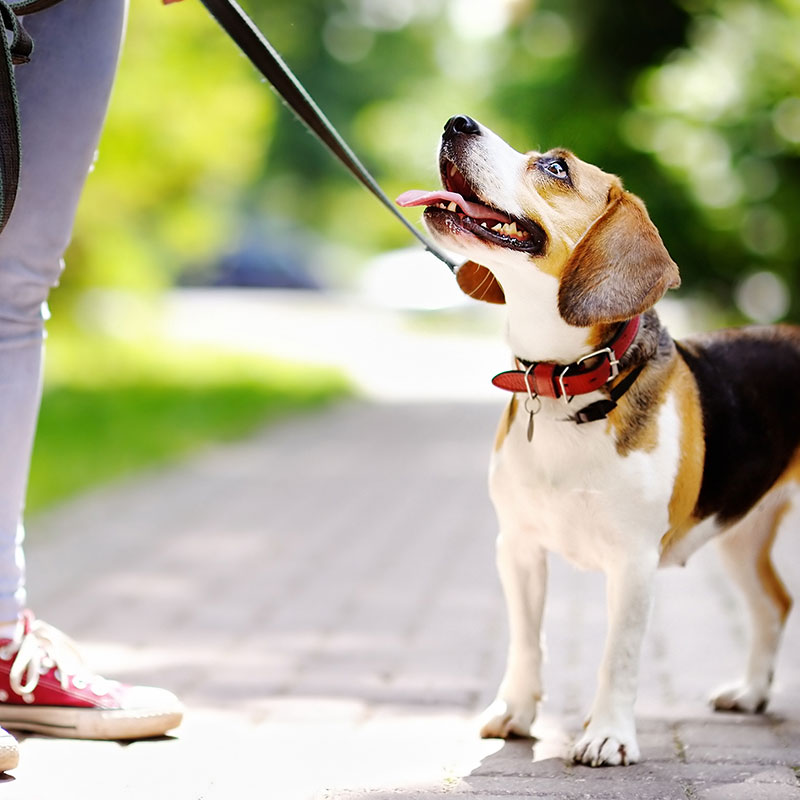
As a new dog owner, taking your pup out for her first walk is an exciting event. Not only is it a great opportunity for you to bond with your pet, but it also gives your dog the chance to get some much-needed exercise and fresh air. Your furry friend may even have the opportunity to meet other dogs on the block, which is a great way for her to enjoy enough socialization on a day-to-day basis.
It’s easy to focus solely on the positive aspects of walking your new puppy, but the reality is that there’s a lot of work involved in this seemingly leisurely activity. It’s your responsibility as the owner to properly train your dog to walk on a leash. Not only is this crucial to your pet’s own safety, but it also ensures that your dog will have a more positive experience while exploring the outdoors. To help you get started, here are some key tips and tricks for leash training your puppy.
Let Your Dog Get Used to the Leash
If you wait until you’re out of the house to leash up your dog for the first time, she may not respond well to it. Instead, give your puppy adequate time to grow accustomed to her new pet gear before you go for your first walk. Start by picking out a dog collar and let your pup get used to the feel of it for a while. Next, give your puppy the chance to wear her new dog leash around the house for short intervals. Once your dog has become familiar with her pet gear, she’ll be more cooperative during her walks.
If you’re having trouble getting your furry friend to make peace with her new accessories, try helping her associate the gear with a positive experience. For example, putting on your pup’s leash while you play with her or feed her will make your pet more likely to behave well.
Practice Indoors
Once your dog has gotten used to her new leash and collar, it’s time to start practicing for the real thing. Take the time to let your pet familiarize herself with the act of walking while being guided by a leash. Be sure to pick an area of the house that's quiet and free of distraction to give your pup plenty of room to explore and test the waters. The more time you spend practicing, the more prepared your dog will be to head outside and walk with a leash. Just remember that it’s typically more effective to break up these practice sessions into small intervals rather than to do it all at once. If you force your puppy to practice for too long, she may begin to lose focus and energy.
Start Slow
When it’s finally time to start leash training your puppy outside, remember to start out slow. It can be tempting to think that your pet is fully equipped to handle whatever the great outdoors has to offer, but keep in mind that she only has experience walking inside under carefully controlled conditions. Once she enters the boundless world of your backyard or street, she’ll be met with a dizzying array of sights, sounds and smells that she surely won’t be able to get enough of. As the owner, it’s your job to keep your pup’s behavior under control and to make sure that she stays out of harm’s way.
When you’re just starting out, be sure to limit the duration of your walks with your pup. Because of all the stimulation, your dog may grow tired after an extended journey out of the house. Keep an eye on your puppy at all times and make sure she doesn’t get distracted or make any sudden movements. If she behaves well during the walk, make sure to reward her with a tasty dog treat afterwards.
Predict Your Pup’s Behavior
In the early stages of leash training, it’s completely natural for your dog to run into trouble every now and then. That’s why it’s crucial to pay close attention to your pup's actions and do what you can to prevent bad behavior before it happens. For example, if you notice your puppy lunging toward another dog, direct her attention back to you immediately and reward her with a treat. This can stop your pet from barking at the other dog or engaging in any aggressive behavior.
With enough practice, you should be able to predict when your dog is about to lunge. You can thwart this behavior by giving her a treat or turning her attention back to you as soon as possible. Over time, you’ll be able to gradually reduce the number of treats and cues that you give your puppy. The important thing is to be patient and remember that your dog is only trying to learn the rules of walking around your neighborhood.
Master the Art of Leash Training
For new pet owners, leash training may seem like a daunting task. However, allowing your dog to fully adjust to walking outside with the aid of a leash and collar is easier than you think. Be sure to give your furry friend plenty of time to grow accustomed to her pet gear and start with small walking sessions inside the house. Once it’s time to head outside, remember to be proactive and gently nudge your puppy in the right direction. Soon enough, your daily walks with your dog will become an enjoyable opportunity for quality bonding time with her.