Save 15% on your 1st Autoship learn more

 Email us
 Live Chat
 FAQs
FAQs





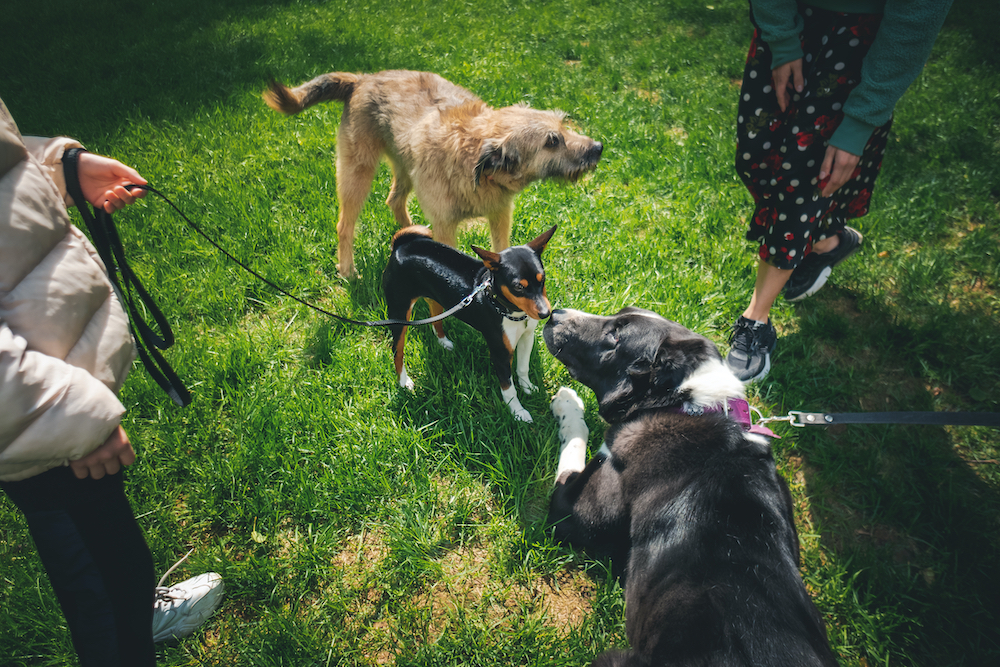
Socialization is important for dogs of any age. While it is ideal to socialize your dog when they are a puppy, some people adopt older dogs with limited positive exposure to animals and people. With proper socialization strategies, your dog graduates slowly and at its own pace. As they grow, you should notice improved behavior, reduced fear or anxiety, boosted confidence, and a happier overall demeanor. That said, socialization is an ongoing process that requires commitment from you as the owner and your dog.
1. Start With the Basics
Don't launch into advanced socialization practices, like taking your dog to a dog park. Your first goal is to learn your dog's limits; the best place to do that is in a controlled, familiar environment. For most pet owners, socialization begins at home with people your dog knows.
A dog must trust you before it will feel comfortable traveling to other areas and mingling with people and animals. In the first few weeks your dog is with you, spend time with it, helping it get familiar with its new home. You can invite friends to play with the animal, but be careful not to overwhelm it too early.
If you have pets, gradually introduce the new dog to them. First, use a barrier like a door or gate to protect both animals. This allows the new and old dogs or pets to get used to each other's scent and presence. You can eliminate the barrier when the animals seem comfortable, although it might be a gradual process.
Use a lot of praise and positive reinforcement. Give treats for calm and good behavior. A treat doesn't have to be something edible; it can be a toy or affection.
If you have an anxious animal, consider using calming treats, such as VetIQ Calming Chews Supplement for Dogs. The treats can help calm the dog's nerves before practicing socialization, helping the animal become more receptive to the challenge.
2. Expand Their World
Once your pet is familiar with its environment, including other pets and people, you can expand their world. Gradually expose your dog to the sights, sounds, and smells of other safe spaces. For example, before taking your dog to a friend's house, invite the friend to your home and ask them to bring something for the dog. You can purchase a dog toy or bed that your friend can give your pet. If the friend is willing, allow them to keep the item and bring it out when you visit.
Introduce people and items to your dog in its home environment. It is easier for it to identify and embrace the person and item. When your dog goes to a friend's house, it recognizes the friend's scent and may also recognize its toy or bed from the initial meeting.
When introducing your pet to a new environment, it is crucial to maintain control. Purchase a leash and harness that gives you the most leverage and support if the dog lashes out or becomes frightened and aggressive. The PetSafe 3 in 1 Dog Harness with 2 Point Control Leash is a superb option for maximum control.
3. Socialize With Other Dogs
Only after mastering control and comfort in familiar areas with familiar people should you expose your dog to strangers and their dogs. 68Dog parks are not for unpredictable or anxious dogs.
If you feel your dog is ready to socialize with strange dogs, you should take every precaution to minimize the risk of aggression and injury. While many people don't like the option, a muzzle is an excellent option to protect you, your dog, and other people with their pets. A soft muzzle like the Guardian Gear Fabric Mesh Dog Muzzle protects other animals from nervous nips and allows your dog to get close enough to socialize.
A muzzle is a precaution. Your dog might need it initially, but after some exposure and positive reinforcement, it can lose the accessory and enjoy playing with other dogs and people.
4. Socialize While Out and About
Going on walks, visiting friends, and stopping by dog parks are not the only ways to socialize your pet. There are many pet-friendly places you can take your pet to practice socialization. Some popular options are pet stores, outdoor cafes, and public parks that allow pets.
When out and about, people will probably approach you to pet your dog. Don't just say yes. Before allowing anyone to pet your dog, especially strangers, know your pet's temperament and whether it is Okay with the attention. Make sure you put in the work to teach dogs how to accept greetings calmly. You can practice with your dog by asking strangers to pet it.
Your job is to socialize and advocate for your dog. Every pet, even the most well-behaved, has its limits. Recognize the signs your animal is tired, aggravated, or anxious and step away from the situation. If your dog has anxiety problems and you're trying to socialize it, consider purchasing an RC Pet At Ease Dog Calming Vest. The compression vest can help reassure the animal, making them more receptive to training.
5. Seek Professional Guidance
Some dogs are more challenging to train than others, especially older dogs with abusive pasts. Professional training might be the best solution in some cases, but in others, you can train yourself to train your dog. A kit like the Brightkins Pooch School! Dog Training Set is an excellent option for DIY pet owners.
While kits don't necessarily discuss socialization techniques, the skills you learn will help you lead your dog more confidently. Socialization stems from confidence and how comfortable your dog is with you.