
 Save 15% on your 1st Autoship learn more

 Email us
 Live Chat
 FAQs
FAQs





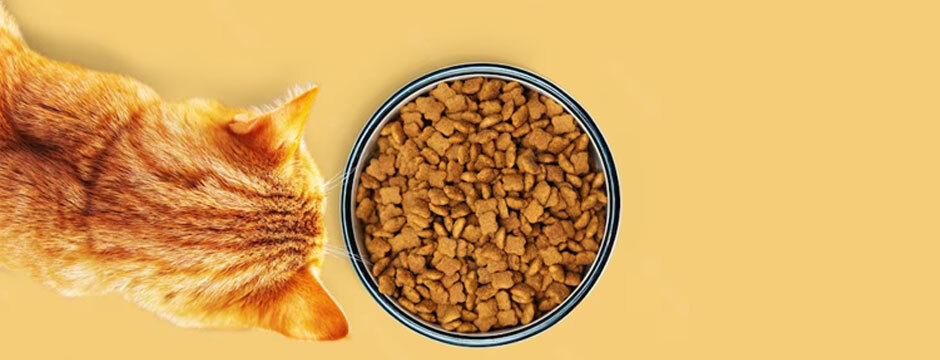
In the world of pet nutrition, trends come and go, often fueled by a desire to provide the best for our beloved furry companions. One such trend that has gained significant traction in recent years is grain-free cat food. With claims of improved health and overall well-being, it's easy for cat owners to be swayed by the allure of grain-free diets. But as with any trend, it's important to delve deeper and uncover the truth behind the claims. In this article, we'll explore the intricacies of grain-free cat food, shedding light on its benefits, concerns, and the science that guides our understanding.
What is Grain-Free Cat Food?
Grain-free cat food is precisely what its name suggests – a type of feline diet that omits grains from its ingredients list. Grains, such as wheat, corn, and rice, are substituted with alternative sources of carbohydrates, often derived from potatoes, peas, or legumes. The driving force behind the development of grain-free options was the belief that cats, as obligate carnivores, might thrive better on diets that mimic their ancestral eating habits.
The Rise of Grain-Free Diets: Myths and Realities
The rising popularity of grain-free diets can be attributed to a variety of factors. Pet owners are increasingly seeking diets that align with human dietary trends, such as gluten-free and paleo. However, it's crucial to separate myths from realities in the quest for the best nutrition for our feline friends.
One common misconception is that grain-free diets are universally healthier for all cats. While some cats may indeed benefit from grain-free options, it's important to remember that nutritional needs vary from one individual to another. Cats with allergies or sensitivities might experience relief on a grain-free diet, but it doesn't necessarily mean that all cats require this dietary approach.
The Role of Grains in Cat Nutrition: What the Science Says
Understanding the nutritional needs of our cats is paramount when evaluating the necessity of grain-free diets. Cats are obligate carnivores, which means they require high levels of animal-based proteins and specific nutrients like taurine and arachidonic acid. Whole grains are not considered a primary source of these nutrients, they do serve as valuable sources of carbohydrates and fiber in commercial cat food.
Grains, when used appropriately in cat food formulas, contribute to a balanced diet by providing energy and aiding digestion. High-quality cat food manufacturers carefully formulate their products to ensure that the necessary nutrients are present in the right proportions, regardless of the presence of grains.
Potential Benefits and Concerns of Grain-Free Cat Food
There are potential benefits to opting for grain-free cat food, particularly for cats with allergies or sensitivities to specific grains. Some pet owners report improvements in their cats' coat condition, digestive health, and overall energy levels after transitioning to a grain-free diet.
However, it's essential to address the concerns associated with grain-free diets. Recent studies have raised alarms about a potential link between grain-free diets and dilated cardiomyopathy (DCM) in dogs and, to a lesser extent, cats. While the exact connection is still being studied, experts suggest that some grain-free formulations might lead to taurine deficiency, which could contribute to heart issues in susceptible animals. This underscores the importance of consulting with a veterinarian before making any dietary changes.
Making Informed Choices for Your Cat's Diet
When it comes to selecting the right diet for your cat, informed decision-making is key. While grain-free diets might have their place, they should not be chosen solely based on trends or misconceptions. Factors such as your cat's age, health status, activity level, and specific dietary needs should all be taken into consideration.
Instead of focusing solely on the presence or absence of grains, opt for high-quality cat food that meets the nutritional requirements of your feline companion. Look for brands with a reputation for rigorous testing, balanced formulations, and transparent ingredient lists. Consulting with a veterinarian ensures that you're making choices that align with your cat's unique needs.
Transitioning Diets Safely and Effectively
For those considering a transition to or from a grain-free diet, a well-planned approach is essential. Abrupt dietary changes can lead to gastrointestinal upset and other health issues. To ensure a smooth transition, gradually introduce the new diet over the course of several days, monitoring your cat's response closely. This approach allows their digestive system to adapt to the change without undue stress.
Empowering Choices for Your Feline Friend
As responsible cat owners, it's our duty to prioritize the health and well-being of our furry companions. While grain-free cat food may offer benefits for certain cats, it's vital to approach this trend with a balanced perspective. Focus on providing a diet that is well-rounded, nutritionally complete, and tailored to your cat's individual requirements.
Remember, the truth about grain-free cat food lies not in following trends, but in understanding your cat's nutritional needs and making choices that align with those needs. By staying informed, consulting with experts, and prioritizing your cat's health, you're ensuring that your feline friend receives the care and nutrition they deserve. In a world filled with dietary options, your commitment to making well-informed choices truly sets you apart as a devoted and informed pet owner.
Want to find out more? Why not visit our online store at BaxterBoo!






