Save 15% on your 1st Autoship learn more

 Email us
 Live Chat
 FAQs
FAQs





Introduction
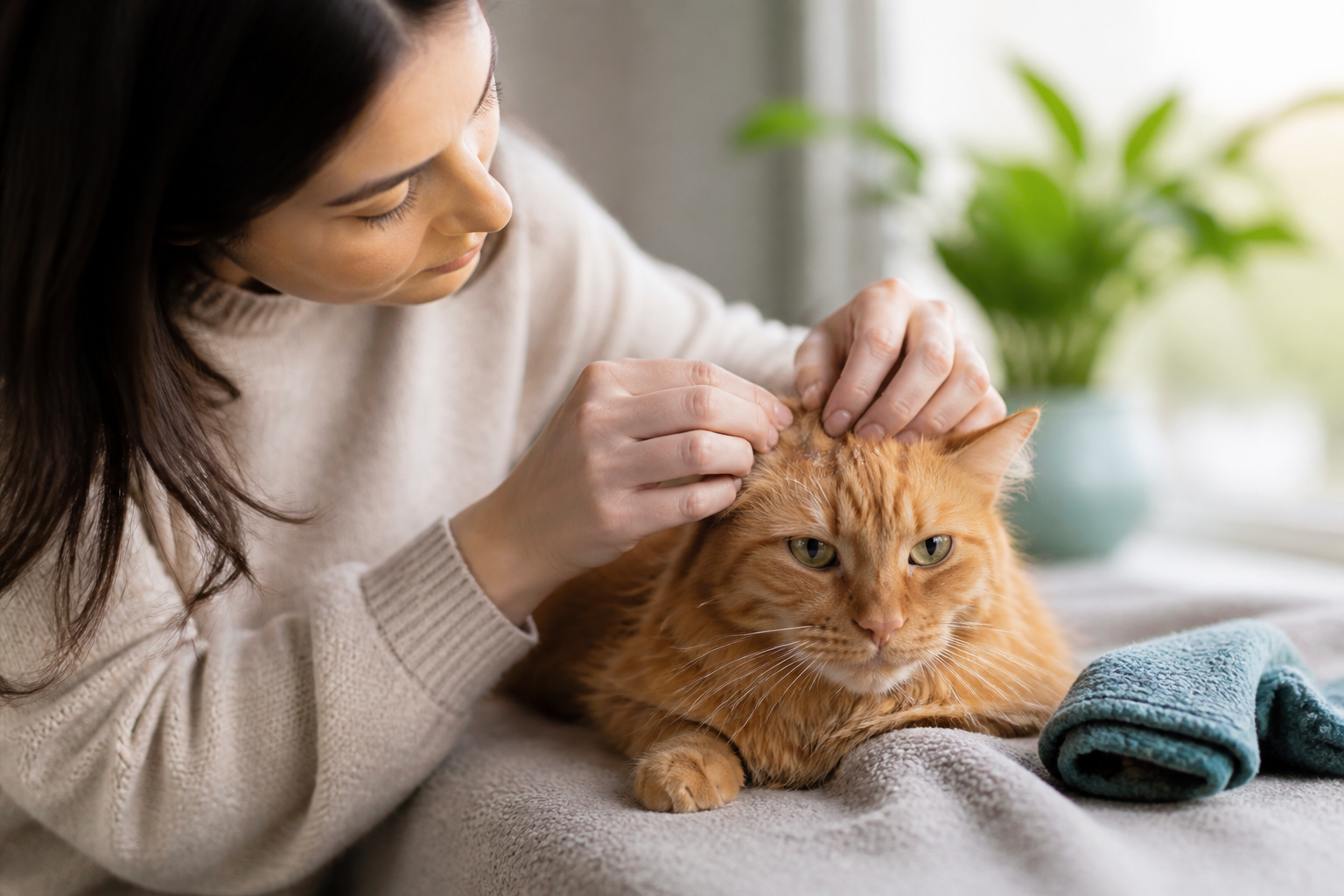
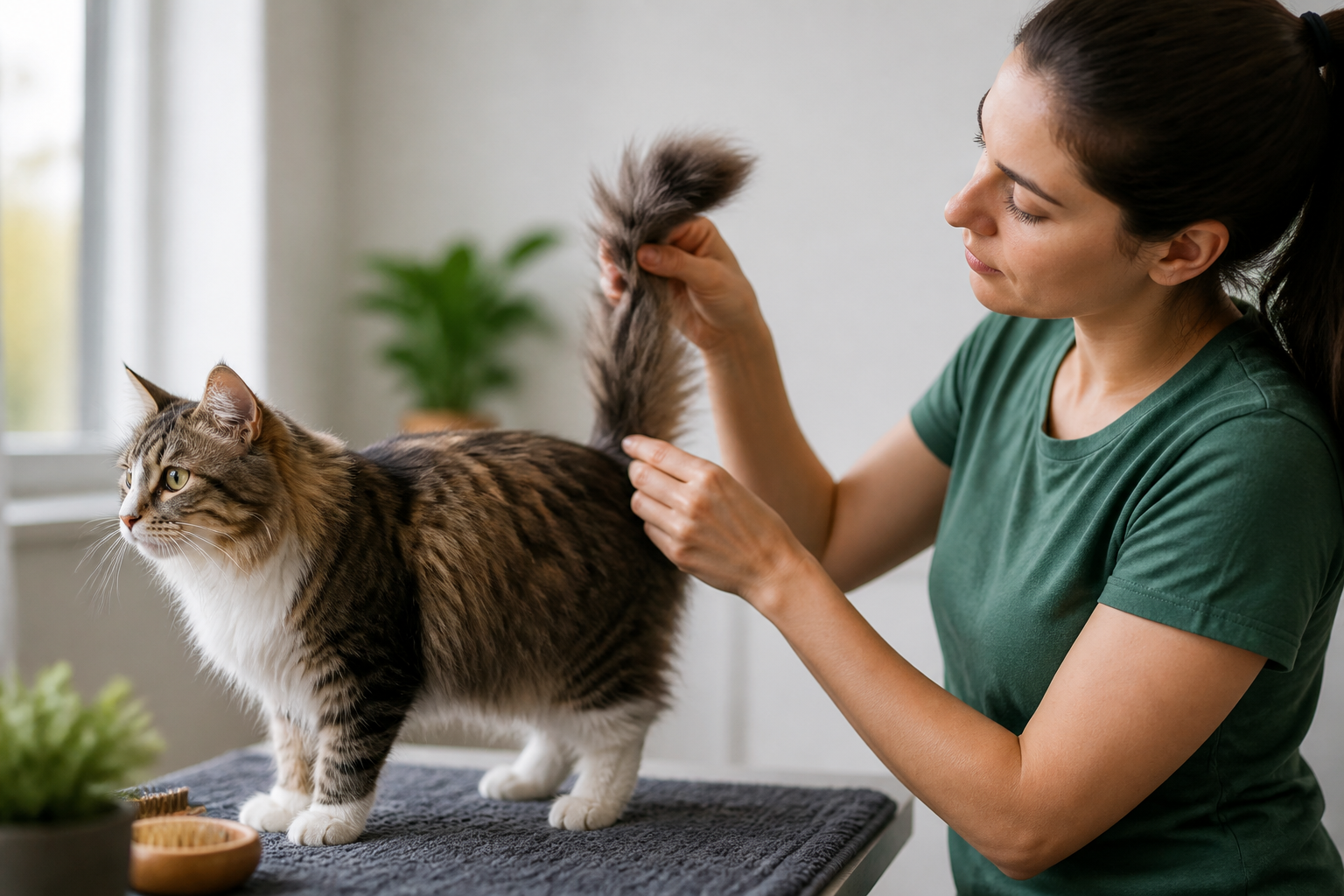
You are enjoying a quiet moment petting your cat when you notice small white flakes scattered across their fur. As you look closer, the flakes seem most concentrated at the base of the tail and along the lower back. This is a common discovery for many pet owners, but it often brings up questions about skin health and grooming habits. While cats are famous for being clean, dandruff is a sign that something in their routine or their body is slightly out of balance.
At BaxterBoo, we know that your cat's coat is a reflection of their internal wellness. This guide explores why dandruff specifically targets the tail area and what those flakes are telling you about your cat's health. We will cover environmental triggers, nutritional needs, and when it is time to seek a professional opinion. Our goal is to help you restore that soft, glossy shine to your cat's favorite petting spot.
What Exactly Is Cat Dandruff?
Dandruff refers to visible flakes of dead skin that have clumped together and trapped themselves in the fur. It is different from dander, which consists of microscopic skin cells that every healthy cat sheds naturally. You cannot see dander with the naked eye, but you certainly notice dandruff when it builds up. These flakes are usually white or grey, though they can sometimes appear yellowish if your cat has oily skin.
The skin is a living organ that constantly renews itself. New cells grow at the base level and push old, dead cells to the surface. Under normal circumstances, a cat grooms these cells away before you ever see them. When this cycle speeds up or the grooming process slows down, flakes begin to accumulate. This buildup is most common on the back and the base of the tail because those areas are the most challenging for a cat to reach.
Quick Answer: Cat dandruff is the accumulation of visible dead skin flakes on the fur, often caused by poor grooming, dry air, or nutritional gaps. It is most frequent on the tail and lower back because these areas are physically harder for cats to reach during their daily cleaning.
Why the Tail and Lower Back Are Hotspots
If you notice flakes on your cat's head or chest, it is usually a sign of a widespread skin issue. However, dandruff that is confined to the tail and lower back often points to a mechanical or physical problem. To groom the base of the tail, a cat must be able to twist their spine and reach backward effectively. If anything prevents that movement, the skin in that region suffers.
Obesity is one of the most common reasons for tail dandruff. If a cat is carrying extra weight, they simply cannot reach around their midsection to clean their lower back. Similarly, senior cats often develop arthritis or general joint stiffness. If it hurts to twist, they will stop grooming those hard to reach spots. Over time, natural oils and dead skin cells sit on the surface, eventually forming the flakes you see during your daily petting sessions.
Common Environmental and Lifestyle Causes
Sometimes the cause of dandruff is not inside the cat, but in the air around them. Our homes can be surprisingly tough on feline skin, especially during certain times of the year.
Low Humidity and Indoor Heating
During the winter months, indoor heating systems strip moisture from the air. This dry environment pulls water out of your cat’s skin. When the skin becomes dehydrated, it loses its elasticity and starts to flake. You might notice that the dandruff worsens when the furnace is running constantly. Using a humidifier in the rooms where your cat spends the most time can make a significant difference in their skin hydration.
Dehydration and Water Intake
Cats are notorious for having a low thirst drive. In the wild, they get most of their moisture from their prey. Many domestic cats live on a diet of dry kibble, which provides almost no hydration. If a cat is mildly dehydrated, their body will prioritize sending water to vital organs like the heart and kidneys, leaving the skin dry and brittle. Increasing water intake by offering a pet fountain or adding moisture-rich wet cat food to the diet can help hydrate the skin from the inside out.
Seasonal Transitions
Just like humans, cats can experience skin sensitivity during seasonal shifts. Changes in temperature and light can trigger shedding cycles. During a heavy shed, the skin is working overtime to produce new fur and manage the loss of old hair. This increased metabolic activity can lead to temporary flaking. Regular brushing during these transitions helps move the old fur and skin out of the way so the new coat can grow in healthy.
Key Takeaway: Tail dandruff is frequently a sign of dry skin or a physical inability to groom. Addressing the home environment and your cat's hydration levels is often the first step in clearing up those white flakes.
Nutritional Gaps and Skin Health
What your cat eats directly impacts the quality of their skin and fur. The skin is the largest organ in the body, and it requires a massive amount of protein and specific fats to maintain its barrier function. If the diet is lacking, the coat is often the first place you will see symptoms.
The Role of Essential Fatty Acids
Omega-3 and Omega-6 fatty acids are the building blocks of healthy skin oils. These fats help create a waterproof seal on the skin surface, preventing moisture from escaping. If a cat’s diet is low in these nutrients, their skin becomes dry and prone to inflammation. Many premium cat foods include these fats, but some cats benefit from additional supplements. Fish oil is a popular choice because it is highly palatable and provides a concentrated dose of the fats needed to reduce flaking.
Protein Quality
Cat fur is almost entirely made of protein. If a cat is not getting enough high-quality, animal-based protein, their body will divert those nutrients to their muscles and organs first. This leaves the fur looking dull and the skin feeling flaky. When checking a food label, look for a named animal protein as the first ingredient. Low-quality fillers can fill a cat's stomach without providing the amino acids necessary for a healthy coat. Explore our cat food category when comparing nutrition-focused options.
Dietary Changes
If you decide to switch your cat's food to address skin issues, it is important to do so slowly. A sudden change can cause digestive upset, which creates more stress for the body. We recommend a gradual transition over seven to ten days. Start by mixing a small amount of the new food with the old, slowly increasing the ratio until the transition is complete.
- Check for Omega-3 and Omega-6 on the label.
- Ensure the first ingredient is a real meat source.
- Avoid foods with excessive corn or soy fillers.
- Consider a moisture-rich wet food topper.
Parasites and "Walking Dandruff"
Not everything that looks like dandruff is actually dead skin. There are several external factors that can mimic flaking or cause the skin to react by producing more scales.
Cheyletiella Mites
There is a specific type of mite known as Cheyletiella, which is often called "walking dandruff." These mites are large enough to be seen with the naked eye. Because they are white and move around on the skin surface, they look exactly like moving flakes of dandruff. This condition is highly contagious between pets and can cause significant itching and irritation. If the "dandruff" on your cat appears to be moving, or if your cat is scratching intensely, a vet visit is necessary.
Flea Allergy Dermatitis
Many cats are allergic to flea saliva. Even a single flea bite can trigger a massive inflammatory response. This irritation causes the skin to become red, bumpy, and flaky, particularly around the base of the tail. This is a classic "hotspot" for flea-related skin issues. Maintaining a consistent flea prevention routine is essential for cats with sensitive skin, even if they live entirely indoors.
Vet Tip: If you see your cat's dandruff moving or notice small black specks that look like pepper (flea dirt), please consult your veterinarian. Our cat pharmacy provides prescription treatments and other veterinary products to help support care for parasitic concerns.
When Dandruff Signals a Health Issue
While most cases of dandruff are related to grooming or the environment, sometimes those flakes are a secondary symptom of a more serious internal condition. The skin often acts as a window into the body's overall health.
Diabetes and Hyperthyroidism
Systemic diseases like diabetes or hyperthyroidism can change the way a cat’s body processes nutrients and hydrates itself. Cats with these conditions often develop a greasy or "staring" coat, where the fur clumps together and flakes of dandruff become trapped. If your cat has dandruff along with a change in appetite, increased thirst, or sudden weight loss, these are signs that the issue is more than skin deep.
Arthritis and Chronic Pain
As mentioned earlier, a cat who cannot reach their tail will develop dandruff. Chronic pain from arthritis is a leading cause of this. A cat might want to groom, but the act of bending their spine or neck causes sharp pain. In these cases, treating the dandruff requires treating the pain. Your vet might recommend supplements like glucosamine or even prescription medications to help your cat regain their mobility. For more guidance, read about arthritis care for senior cats.
Skin Infections
Bacterial or fungal infections, such as ringworm, can cause the skin to crust and flake. These infections usually come with other signs like redness, circular bald patches, or a foul odor. Fungal infections are zoonotic, meaning they can spread to humans and other pets. If your cat’s skin looks inflamed beneath the flakes, it is important to get a professional diagnosis.
Key Takeaway: Persistent dandruff that does not respond to brushing or diet changes warrants a veterinary exam to rule out underlying metabolic diseases or chronic pain.
Practical Steps to Manage Tail Dandruff at Home
If your vet has ruled out serious medical issues, you can take several practical steps to clear up the flakes and improve your cat's comfort.
Establishing a Brushing Routine
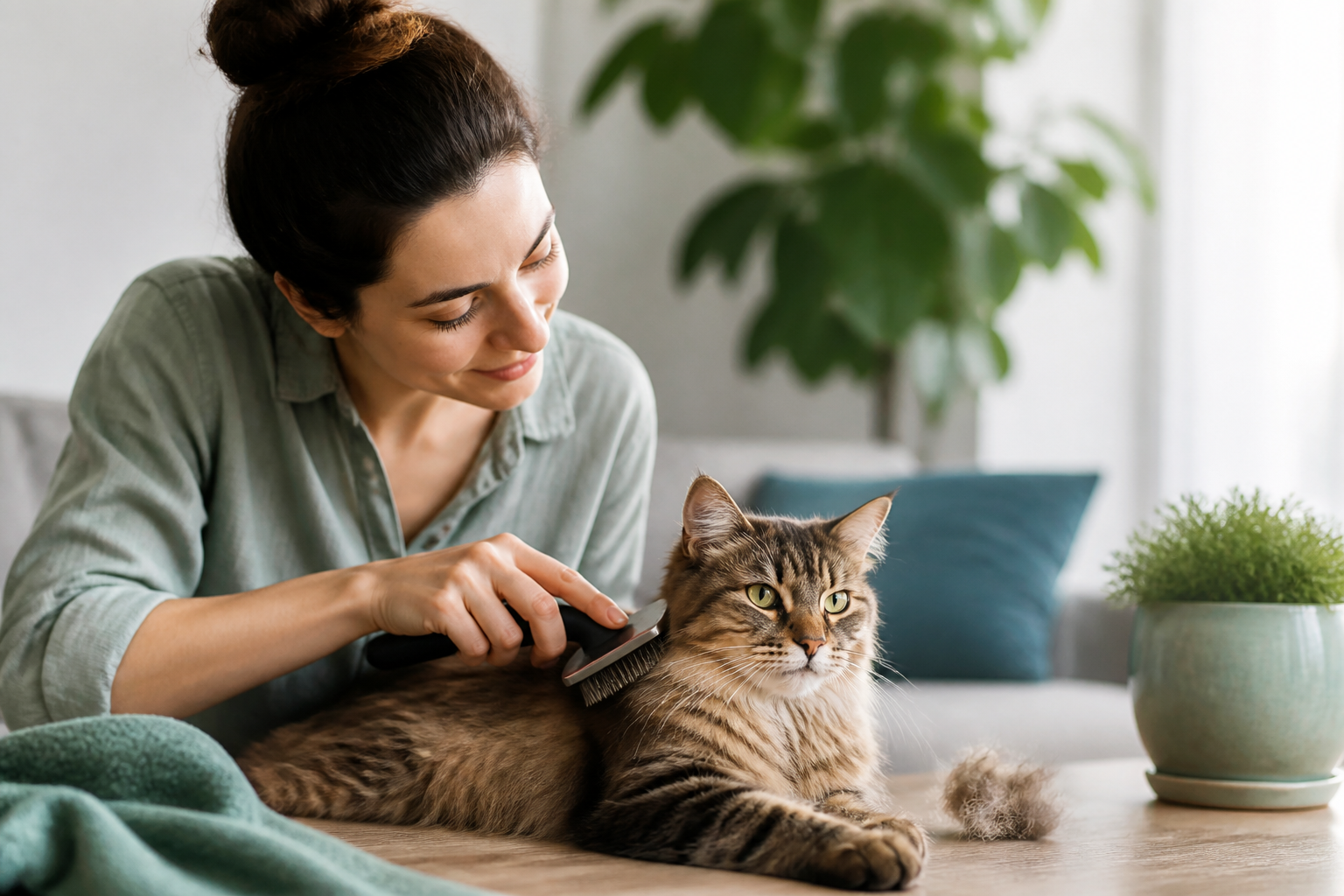
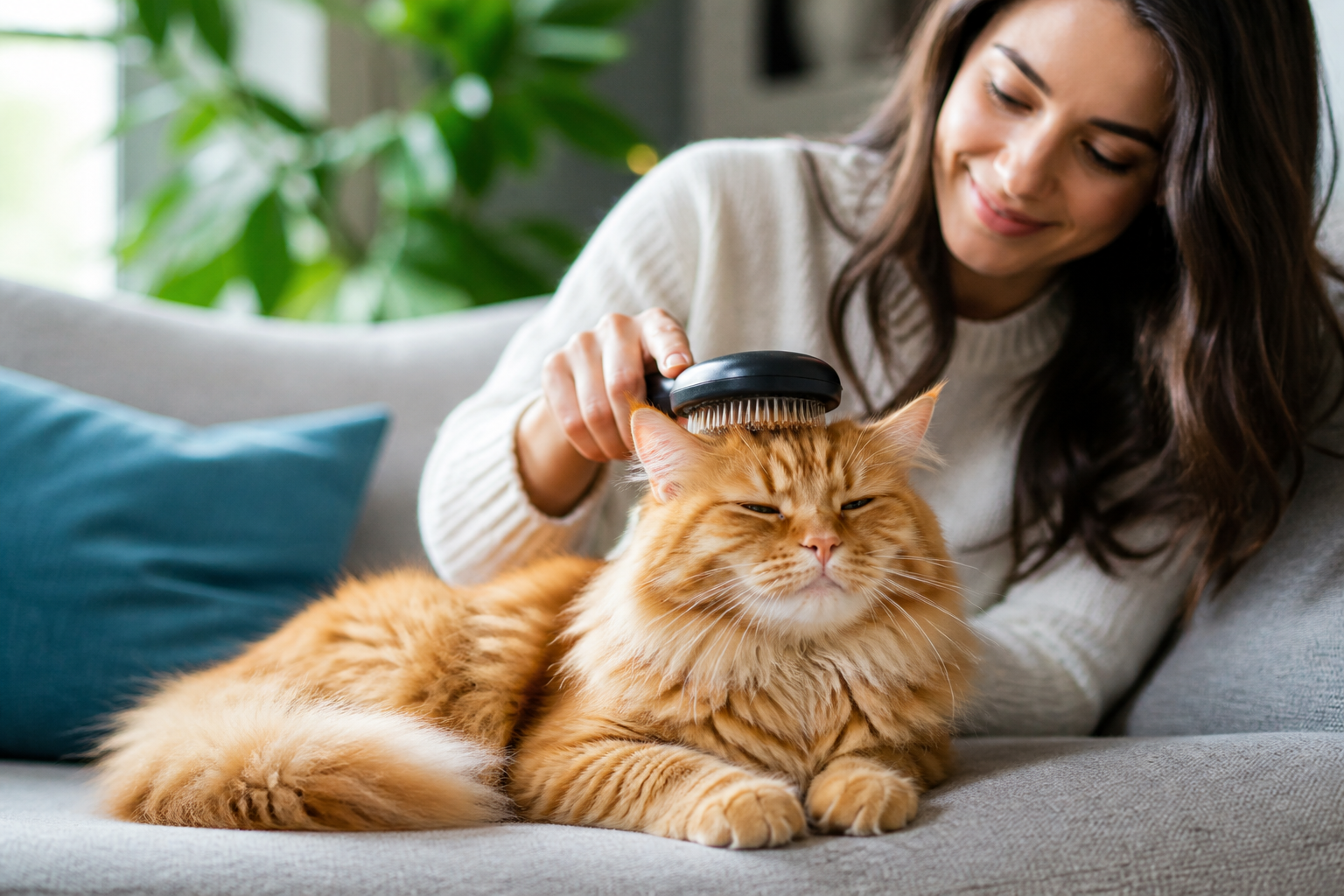
Brushing is the single most effective way to manage dandruff on the tail and lower back. By using a soft slicker brush or a grooming glove, you are performing the job that your cat cannot do. Brushing removes dead skin cells before they clump, distributes natural skin oils along the hair shaft, and increases blood flow to the skin surface. For cats with tail dandruff, focus on the area from the mid-back down to the tip of the tail once a day. Our cat grooming supplies include brushes and other tools for routine coat care.
Using Waterless Shampoos
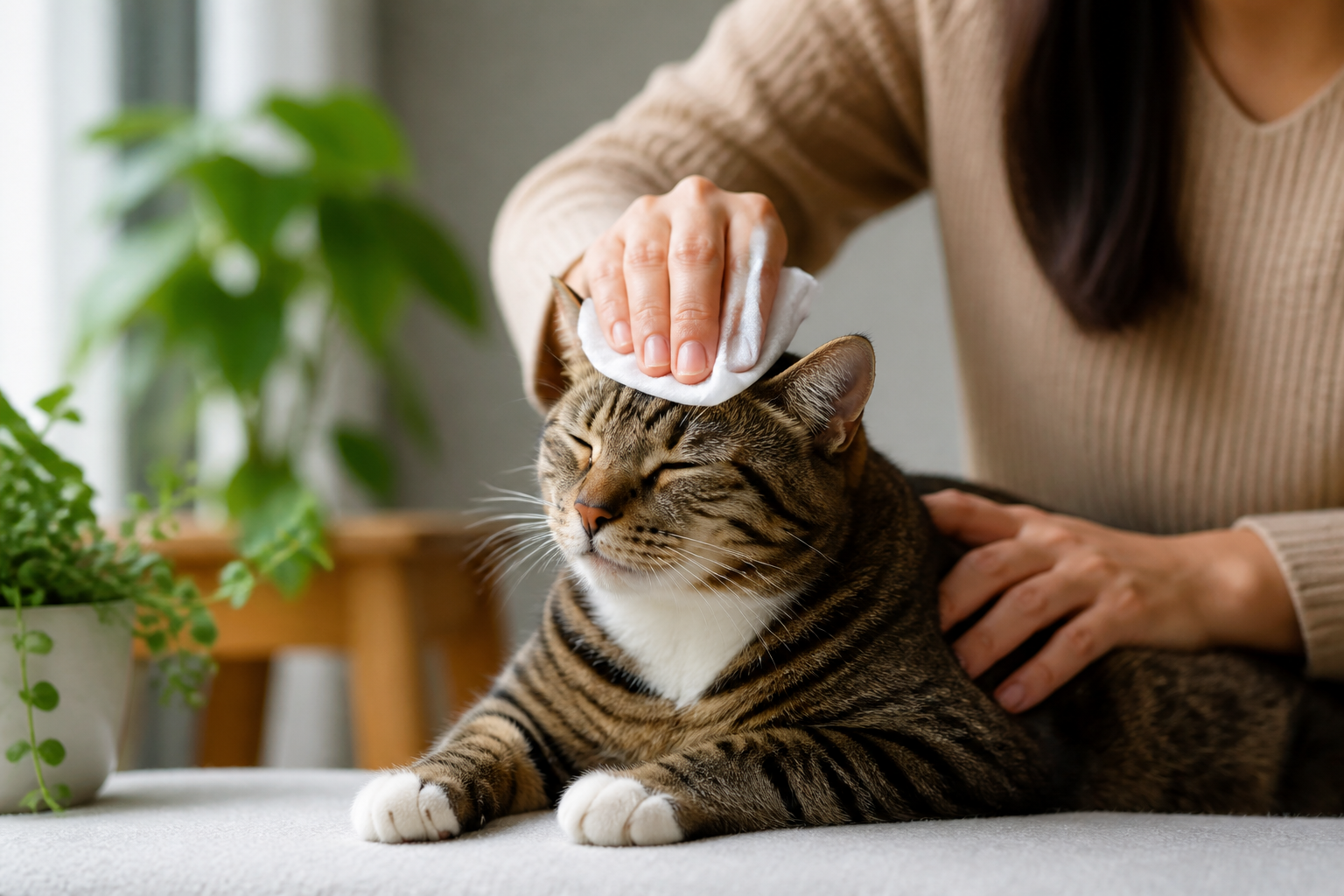
Most cats are not fans of traditional baths. Fortunately, you can manage dandruff without a tub. Waterless shampoos or grooming foams are designed to be massaged into the fur and towel-dried away. These products often contain soothing ingredients like aloe or oatmeal that hydrate the skin and help break up oil deposits. They are a great way to clean the tail area without causing your cat unnecessary stress.
Improving Home Humidity
If you notice the flakes are seasonal, check the humidity in your home. Aim for a humidity level between 40% and 50%. This is the ideal range for both human and feline skin health. If you do not have a whole-home humidifier, placing a small unit near your cat's favorite sleeping spot can provide localized relief.
Step 1: Gently brush the tail. / Use a soft-bristled brush to loosen existing flakes and remove shed fur.
Step 2: Apply a hydrating foam. / Massage a cat-safe waterless shampoo into the base of the tail and lower back.
Step 3: Wipe away excess. / Use a soft cloth to remove the foam and any lifted debris, leaving the coat clean and conditioned.
The Role of the BaxterBoo Pharmacy
When home remedies like brushing and humidifiers are not enough, your cat may need specialized care. Our pharmacy at BaxterBoo offers a wide range of prescription medications and veterinary diets. Whether your cat needs a prescription flea preventive, a medicated antifungal shampoo, or a specific veterinary diet for weight management, we make it easy to get what your pet needs delivered to your door.
Managing a chronic condition like diabetes or arthritis requires consistent medication. Our pharmacy service ensures that you have access to the medications your vet prescribes, often with the convenience of our Autoship programme. This helps you stay on top of your cat's health needs without missing a dose, ensuring their skin and coat stay healthy for the long term.
Bottom line: Combining regular home grooming with professional veterinary products is the fastest way to resolve persistent skin flaking.
Supporting Senior Cats and Overweight Pets
If your cat is older or a bit rounder than they should be, their dandruff is likely a lifestyle symptom. Helping these cats requires a compassionate approach to their physical limitations.
For overweight cats, a weight management plan is the best long-term solution for dandruff. As they lose weight, they regain the flexibility needed to groom their own tail. We carry several weight-conscious food brands and interactive toys that can help get your cat moving. In the meantime, you must be their designated "groomer" to prevent skin infections from developing under the matted fur and scales. For additional ideas, explore healthy weight management for indoor cats.
For senior cats, think about their environment. Are their favorite sleeping spots easy to reach? Is the air too dry? Senior skin is thinner and more prone to dehydration. Adding a high-quality joint supplement can help reduce the inflammation that makes grooming painful. When you brush a senior cat, be extra gentle, as their joints may be sensitive to pressure.
- Use soft-tipped grooming tools for sensitive skin.
- Provide low-entry litter boxes and beds to reduce joint strain.
- Monitor for changes in grooming frequency.
- Talk to your vet about senior-specific nutritional supplements.
Helping Your Cat Look and Feel Their Best
Dandruff might seem like a small cosmetic issue, but it is often a signal that your cat needs a little extra help. Whether it is adjusting their diet to include more healthy fats, increasing the humidity in your home, or helping an older cat with their daily grooming, your intervention makes a difference.
At BaxterBoo, we are committed to providing the products and expertise you need to care for your cat through every life stage. From our carefully curated selection of premium foods and grooming tools to our full-service pharmacy, we are here to support your journey as a pet owner. Our MVP Rewards programme even lets you earn points on every purchase, making it easier to afford the high-quality care your cat deserves.
Take a moment today to look at your cat's coat. If you see those white flakes on the tail, start with a gentle brushing and a look at their water bowl. Often, small changes lead to big results in feline wellness.
Key Takeaway: Managing cat dandruff involves a holistic approach that includes grooming, nutrition, and environmental care. When these steps aren't enough, professional support through your veterinarian and our pharmacy can provide the medical solutions your cat needs to thrive.
FAQ
Is it normal for my cat to have a little dandruff on their tail?
A very small amount of flaking can be normal, especially during seasonal changes or heavy shedding periods. However, if the flakes are persistent, large, or accompanied by redness and itching, it usually indicates an underlying issue like dry skin or poor grooming. If the dandruff is concentrated only at the base of the tail, it is often a sign that your cat is having trouble reaching that area during their daily cleaning.
Can I use human dandruff shampoo on my cat?
No, you should never use human dandruff shampoos on a cat. These products are formulated for the pH level of human skin and often contain ingredients like zinc or salicylic acid that can be toxic if your cat licks them off their fur. Always use a shampoo specifically labeled for feline use, and consult your veterinarian before using any medicated products to ensure they are safe for your cat’s specific skin condition.
Why does my indoor cat have dandruff in the winter?
Indoor cats often experience dandruff in the winter because of the low humidity caused by home heating systems. Forced-air heat strips moisture from the environment, leading to dehydrated skin that flakes easily. You can help by using a humidifier in your home and ensuring your cat stays hydrated by adding wet food to their diet or providing a pet water fountain.
When should I worry about the flakes on my cat's tail?
You should schedule a vet visit if the dandruff is accompanied by other symptoms like hair loss, red or inflamed skin, or intense itching. Additionally, if your cat shows changes in behavior, such as increased thirst, lethargy, or weight loss, the dandruff could be a secondary sign of a systemic health issue like diabetes. If you see the flakes "moving," it may be a sign of mites, which require immediate professional treatment.