
 Save 15% on your 1st Autoship learn more

 Email us
 Live Chat
 FAQs





Introduction
You are relaxing on the couch with your cat when you reach down to give them a long scratch along their back. Suddenly, you notice a spray of tiny white flakes across their dark fur. It looks a bit like salt or snow, but you quickly realize it is cat fur dandruff. We see this often at BaxterBoo, and while it is frequently a minor cosmetic issue, those flakes can sometimes tell a larger story about your cat's internal health. This guide will help you understand why your cat has developed a flaky coat and how you can fix it. We will cover the differences between normal shedding and medical concerns. Our goal is to help you restore that soft, glossy coat your cat deserves.
Quick Answer: Cat dandruff consists of visible white skin flakes caused by dry skin, poor grooming, or underlying health issues. While a few flakes are common, excessive dandruff often requires a combination of improved nutrition, regular brushing, and a veterinary checkup to rule out parasites or infections.
Understanding the Difference Between Dandruff and Dander
Many pet owners use the terms dandruff and dander as if they are the same thing. They are actually quite different. Dander is a normal part of a healthy cat's life. It consists of microscopic skin cells that shed naturally as the skin renews itself. You cannot see dander with the naked eye, though it is the primary cause of allergies in humans. Every cat produces dander, even those with healthy skin.
Dandruff is a different story. These are large, visible flakes of dead skin that have clumped together. When the skin becomes too dry or too oily, the shedding process speeds up or becomes uneven. This results in the white or gray flecks you see sitting on top of the fur. While dander is inevitable, dandruff is usually a sign that something in the cat's environment or body is out of balance.
Key Takeaway: If you can see the white flakes on your cat's fur, you are looking at dandruff, not dander. Dandruff is a symptom that suggests the skin needs extra care or medical attention.
Cat Skin & Coat Care













Common Causes of Flaky Skin in Cats
It is rare for a cat to have dandruff for no reason at all. Usually, one of several factors is at play. Identifying the root cause is the first step toward getting rid of the flakes.
Environmental Factors and Humidity
Just like humans, cats often get dry skin during the winter months. When the heater runs constantly, it pulls moisture out of the air. This causes the upper layers of the skin to dry out and flake off. If you notice the dandruff only appearing when the weather turns cold, the environment is likely to blame.
Grooming Struggles and Mobility Issues
Cats are famous for their grooming habits. They spend hours every day cleaning themselves and distributing natural oils across their skin. If a cat stops grooming effectively, those oils build up and dead skin cells start to pile up. This is very common in senior cats who suffer from arthritis. If it hurts to reach their lower back, that area will often become thick with dandruff.
Weight Management Concerns
Obesity is a major contributor to cat fur dandruff. If a cat is overweight, they simply cannot reach certain parts of their body. You might notice that the dandruff is concentrated on the base of the tail or the middle of the back. These are the hardest spots for a heavy cat to reach. Improving their mobility often starts with reaching a healthy weight.
When Dandruff Becomes a Medical Concern
Sometimes dandruff is more than just dry skin. It can be a symptom of a systemic health problem that requires professional help.
External Parasites and Walking Dandruff
There is a specific condition called Cheyletiellosis, which is often referred to as walking dandruff. It is caused by tiny mites that look like white flakes. If you look closely at the "dandruff" and see it moving, your cat has a mite infestation. Other parasites like fleas and ticks can also cause skin irritation and flaking. For additional prevention guidance, read about the best flea and tick prevention products.
Underlying Health Conditions
The skin is the largest organ in a cat's body. When the internal organs are struggling, the skin often shows the first signs. Conditions like diabetes, hyperthyroidism, and kidney disease can all cause changes in skin elasticity and coat quality. If your cat has dandruff along with changes in thirst or appetite, a vet visit is necessary.
Vet Tip: If your cat has dandruff accompanied by hair loss, redness, or intense itching, schedule a veterinary exam. These signs often point to infections or parasites that require prescription treatment rather than just home grooming.
The Role of Nutrition in Skin Health
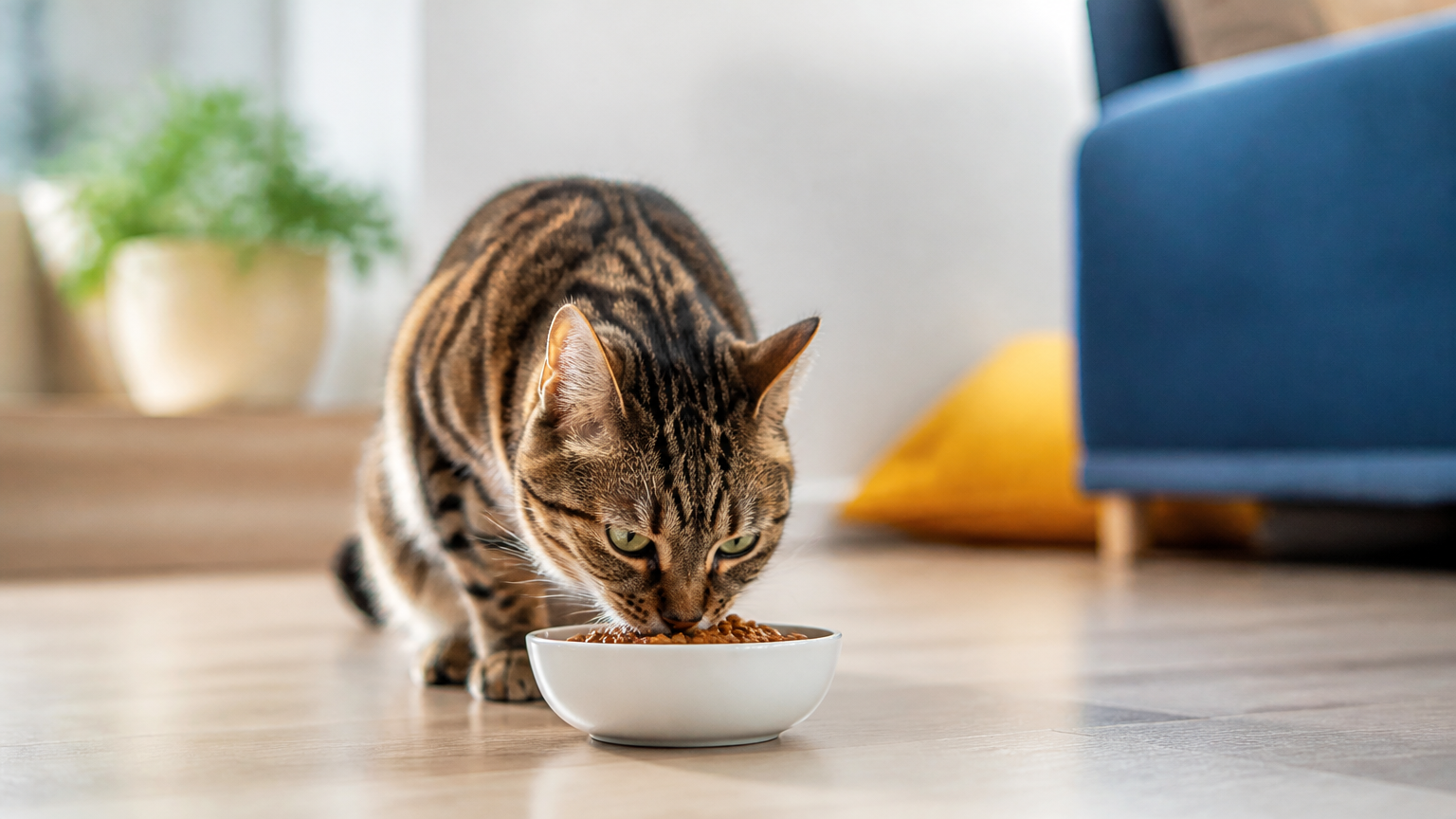
What your cat eats directly affects how their skin looks and feels. The skin requires a high amount of protein and specific fats to remain supple and healthy. Browse our cat food selection when reviewing your cat's everyday diet.
Essential Fatty Acids
Omega-3 and Omega-6 fatty acids are the building blocks of healthy skin oils. Many standard cat foods may not have high enough levels of these fats for cats with sensitive skin. Adding a high-quality fish oil supplement can often clear up mild dandruff within a few weeks. Brands like Zesty Paws or Grizzly Salmon Oil provide concentrated sources of these nutrients. One option is Zesty Paws Wild Alaskan Salmon Oil Skin & Coat Supplement.
High-Quality Protein Sources
Cats are obligate carnivores. Their skin and fur are made almost entirely of protein. If their diet is heavy on fillers and low on animal-based proteins, the coat will look dull and flaky. Switching to a premium brand like Farmina, Orijen, or Stella and Chewy’s can provide the amino acids needed to bolster skin health. For more nutrition context, read the truth about grain-free cat food.
How to Manage Cat Dandruff at Home
If your vet has ruled out serious illness, you can take several steps at home to clear up the flakes. Consistency is the key to seeing results.
Step 1: Increase Brushing Frequency
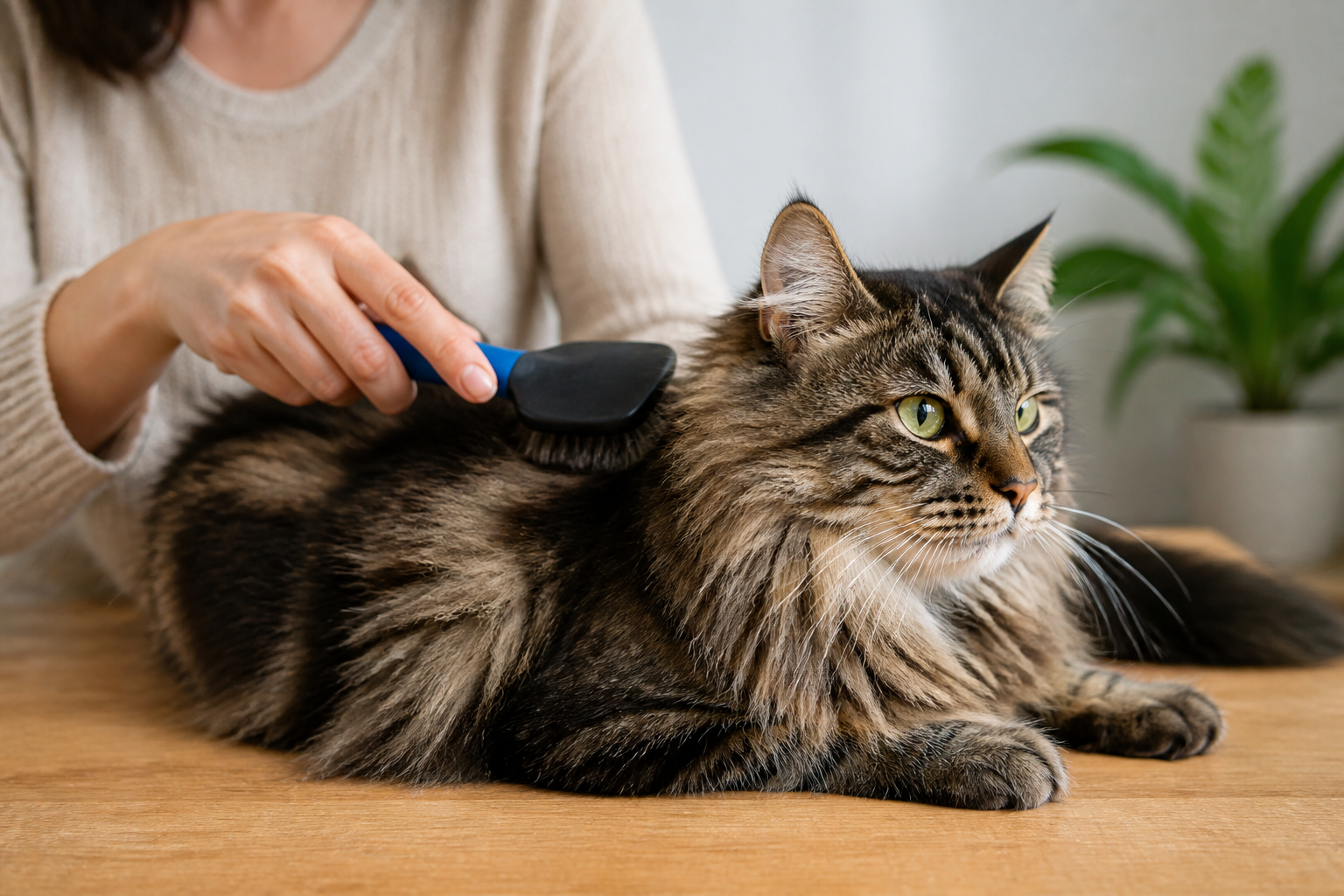
Daily brushing is the most effective way to manage dandruff. It physically removes the dead skin cells before they can clump together. It also stimulates the skin to produce more natural oils and helps spread those oils down the hair shaft. For short-haired cats, a soft bristle brush or a rubber grooming mitt works well. Long-haired cats may need a slicker brush to get through the undercoat. Explore our cat grooming supplies for brushes and other grooming tools.
Step 2: Improve the Air Quality
If your home is very dry, consider running a humidifier in the room where your cat spends the most time. This adds moisture back into the skin and respiratory system.
Step 3: Use Feline-Safe Topical Treatments
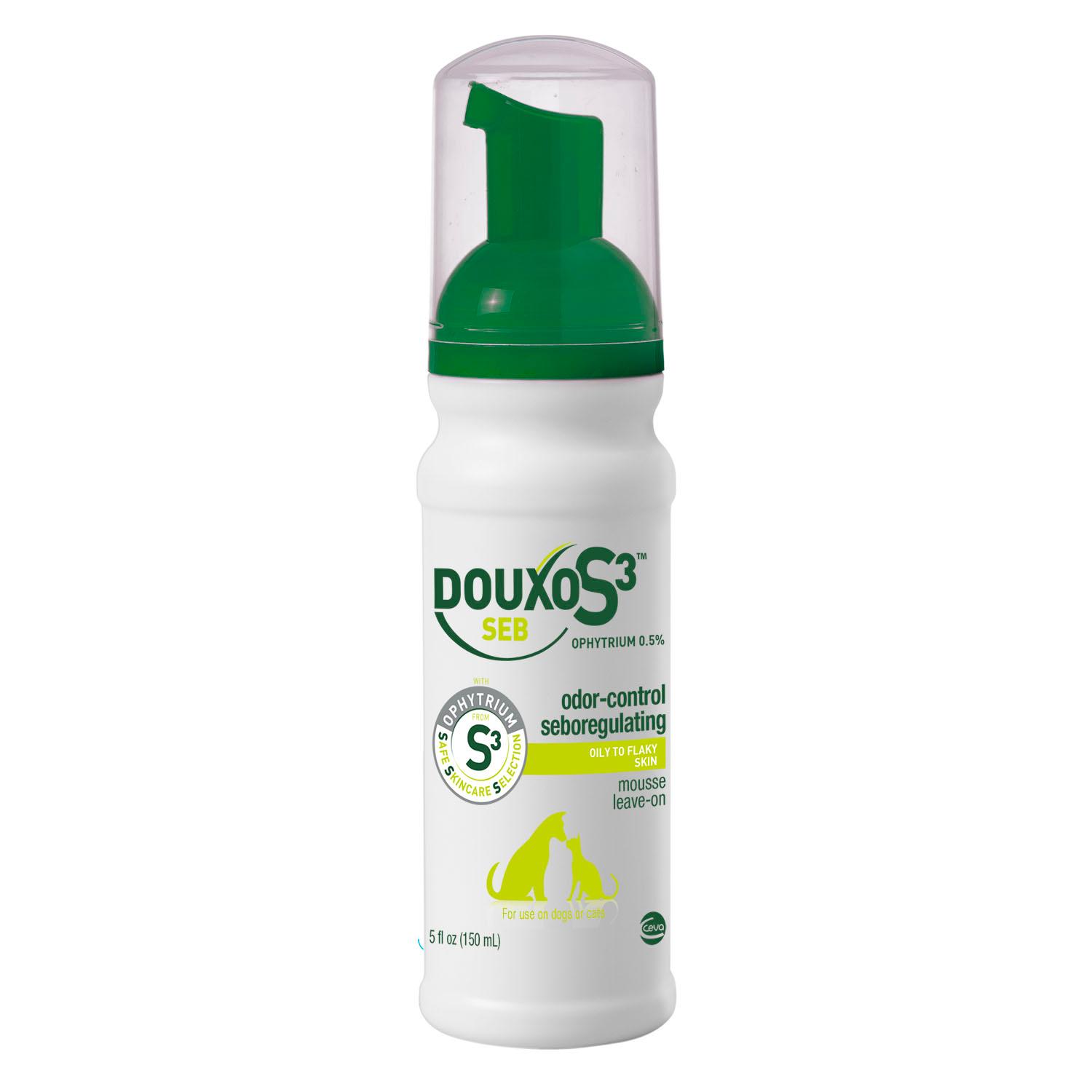
Never use human dandruff shampoo on a cat. Our skin has a different pH level, and many human ingredients are toxic to felines. Instead, look for waterless foams or wipes designed specifically for cats. These can help break up the scales and moisturize the skin without the stress of a full bath. Waterless grooming products for cats can be a practical option.
Key Takeaway: Regular grooming and a boost in humidity can resolve most cases of environmental dandruff within two to four weeks.
Utilizing the BaxterBoo Pharmacy for Skin Health
When home remedies are not enough, medical intervention is the next step. Many skin conditions are caused by fungal or bacterial infections that need specialized medication. Our cat pharmacy offers a wide range of FDA-approved treatments through our partnership with Pet's Choice.
If your vet determines that the dandruff is caused by an allergy or a persistent skin infection, they may prescribe medicated shampoos or oral medications. We carry prescription diets like Farmina Vet Life that are formulated specifically for cats with skin sensitivities. Managing fleas and mites is also much easier with professional-grade preventives. Products like NexGard or Frontline, available through our pharmacy, can eliminate the parasites that cause "walking dandruff" and flea-bite dermatitis. For a topical flea treatment option, consider Catego Topical Flea and Tick Treatment for Cats.
Bottom line: Prescription treatments and specialized diets are often the fastest way to resolve chronic skin issues that do not respond to basic grooming.
Weight Management and Arthritis Support
Since obesity and arthritis are leading causes of grooming failure, addressing these issues is vital. If your cat is too stiff to groom, they will continue to have dandruff regardless of how much you brush them.
- Use elevated food bowls to reduce neck strain during meals.
- Provide orthopedic beds to help soothe aching joints.
- Talk to your vet about joint supplements like Cosequin or specialized mobility diets.
- Engage in low-impact play to help an overweight cat shed pounds safely.
When a cat feels better physically, they are more likely to return to their normal grooming routine. This natural cleaning process is the best defense against a flaky coat.
Summary of Feline Skin Care
Maintaining a flake-free coat requires a holistic approach. You must look at the environment, the food bowl, and the cat's physical ability to groom. While a few white flakes might seem like a small problem, they are a great excuse to check in on your cat's overall wellness. By keeping up with regular brushing and ensuring they have the right nutrients, you can keep their fur soft, shiny, and healthy for years to come.
Conclusion
Cat fur dandruff is a common issue that most owners will face at some point. Whether it is caused by the dry air of winter or a need for better nutrition, most cases are manageable with the right tools. At BaxterBoo, we are committed to providing the supplies you need to keep your cat comfortable. From premium foods like Acana to high-quality grooming tools from Kong, we have everything required to support healthy skin. If the flakes persist or your cat seems uncomfortable, remember to consult your veterinarian and check our cat pharmacy for the necessary medications to get them back on track.
Bottom line: A combination of daily brushing, high-quality protein, and parasite prevention is the gold standard for preventing cat dandruff.
FAQ
Is cat dandruff contagious to humans or other pets?
Simple dandruff caused by dry skin or poor grooming is not contagious. However, if the dandruff is actually "walking dandruff" caused by Cheyletiella mites, it is highly contagious to other pets and can even cause a temporary itchy rash on humans. If you suspect mites, keep your pets separated and see a vet immediately.
Can I use coconut oil to treat my cat's dandruff?
While a tiny amount of coconut oil is generally safe, it is often better to use fish-based oils like salmon oil in their food. Applying oil directly to the fur can lead to a greasy coat and may encourage the cat to over-groom the area. Internal supplements provide more consistent long-term benefits for skin elasticity and health.
How often should I brush my cat to get rid of flakes?
For a cat currently struggling with dandruff, daily brushing is recommended until the flakes subside. Once the skin is healthy, brushing two to three times a week for short-haired cats and daily for long-haired cats is usually enough to prevent the buildup of dead skin cells.
Why is the dandruff only at the base of my cat's tail?
This is the most common spot for dandruff because it is the hardest area for many cats to reach, especially those with limited mobility. It is also an area with a high concentration of oil glands. If you see flakes primarily in this spot, it often indicates the cat needs help with grooming due to age, weight, or joint stiffness.





- Site & Contents BaxterBoo.com. BaxterBoo is located in the United States.
- Privacy & Security
- Terms of Use
- Accessibility Statement
