Save 15% on your 1st Autoship learn more

 Email us
 Live Chat
 FAQs
FAQs





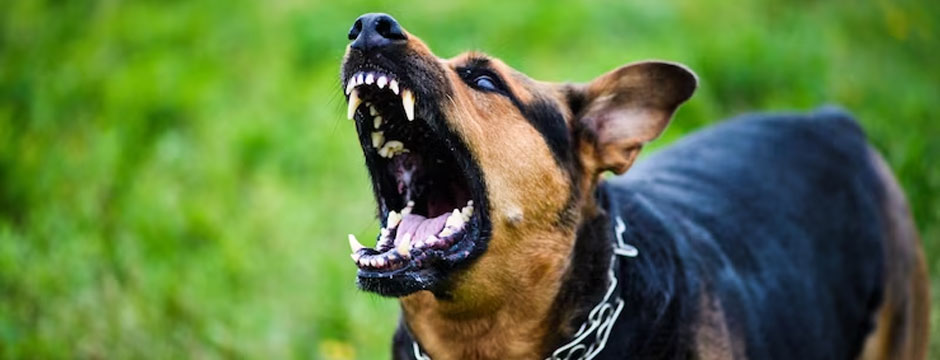
Dog aggression can be a concerning and challenging issue for dog owners. Understanding the causes and solutions for dog aggression is crucial for promoting a safe and harmonious environment for both dogs and their owners. In this comprehensive guide by BaxterBoo, we will delve into the various types of dog aggression, common causes, recognizing the signs, effective solutions, prevention strategies, seeking professional help, safety measures, and real-life case studies. By gaining insight into this complex topic, we can address aggression in dogs and work towards a positive change.
Types of Dog Aggression
Territorial aggression: Territorial aggression in dogs occurs when they feel the need to protect their perceived territory, such as their home, yard, or possessions. This type of aggression is often triggered by perceived intrusions into their space, whether it be people or other animals. Dogs exhibiting territorial aggression may display defensive behaviors such as growling, barking, and even biting to protect their territory.
Fear aggression: Fear aggression in dogs is driven by a sense of fear or anxiety. When dogs feel threatened or scared, they may respond with aggression as a way to defend themselves. Fear aggression can be triggered by specific situations, objects, or even unfamiliar people or animals. Dogs displaying fear aggression may exhibit defensive postures, show teeth, and growl or bark to create distance and alleviate their fear.
Resource guarding aggression: Resource guarding aggression refers to dogs displaying aggression when protecting their valued resources, such as food, toys, or even sleeping areas. Dogs that exhibit resource-guarding aggression may growl, snarl, or bite when someone approaches or tries to take away their possessions. This behavior stems from a fear of losing something they consider valuable.
Dog-to-dog aggression: Dog-to-dog aggression occurs when dogs display aggressive behavior towards other dogs. This type of aggression can be rooted in dominance struggles, fear, lack of socialization, or resource competition. Dogs exhibiting dog-to-dog aggression may engage in intense growling, barking, snapping, lunging, or fighting when encountering other dogs.
Dog-to-human aggression: Dog-to-human aggression involves dogs displaying aggressive behavior towards humans. It can be triggered by fear, anxiety, past traumatic experiences, or even a lack of proper socialization. Dogs exhibiting dog-to-human aggression may show defensive behaviors such as growling, snarling, biting, or lunging toward people.
Common Causes of Dog Aggression
Lack of socialization: Insufficient socialization during a dog's critical developmental period can lead to aggression later in life. Dogs that haven't been exposed to a variety of people, animals, and environments may feel anxious or fearful in unfamiliar situations, potentially resulting in aggression.
Fear and anxiety: Dogs that experience chronic fear or anxiety may respond with aggression as a defensive mechanism. Fear and anxiety can be caused by various factors such as past traumatic experiences, lack of socialization, or genetic predisposition.
Past traumatic experiences: Dogs that have undergone traumatic experiences, such as abuse or neglect, may develop aggressive behaviors as a result of their previous negative associations. Traumatic experiences can instill fear and mistrust, leading to defensive aggression.
Genetic predisposition: Some dogs may have a genetic predisposition towards aggressive behavior. Breeds that were historically bred for guarding or protection purposes may have inherited traits that make them more prone to aggression. However, it's important to note that genetics alone do not determine aggression, and individual temperament varies.
Medical conditions: Underlying medical conditions, such as pain, hormonal imbalances, or neurological disorders, can contribute to aggression in dogs. Pain or discomfort can cause a normally docile dog to react aggressively when approached or touched in sensitive areas.
Recognizing the Signs of Dog Aggression
Body language cues: Recognizing a dog's body language is essential in identifying potential aggression. Signs of aggression may include a stiff body posture, raised fur (hackles), a tense facial expression, direct eye contact, and a fixed stare. Dogs displaying aggression may also lower their head, flatten their ears, or position their body in a defensive stance.
Growling, snapping, and biting: Audible cues such as growling, snarling, or snapping are clear indications of aggression. These vocalizations are warning signs that a dog is feeling threatened and may escalate their aggression to biting if the perceived threat persists.
Aggressive posturing: Aggressive posturing involves a dog assuming dominant and intimidating positions to communicate its aggression. This may include standing tall, leaning forward, showing teeth, or raising the tail rigidly. Dogs exhibiting aggressive posturing may also puff out their chest or stiffen their body.
Reactive behavior: Reactive behavior refers to an exaggerated response to specific triggers that evoke aggression. This can include lunging, barking, or attempting to charge at the perceived threat. Dogs displaying reactive behavior may react intensely to stimuli such as other dogs, unfamiliar people, or certain environmental factors.
Solutions for Dog Aggression
Professional dog training and behavior modification: Working with a professional dog trainer or behaviorist experienced in aggression is crucial for developing a tailored behavior modification plan. These professionals can assess the dog's behavior, identify triggers, and provide guidance on effective techniques to address the aggression.
Positive reinforcement techniques: Positive reinforcement focuses on rewarding and reinforcing desirable behaviors. By using dog treats, praise, and rewards, dogs can learn alternative behaviors to replace aggression. This approach encourages the dog to associate positive outcomes with non-aggressive responses.
Gradual desensitization and counter-conditioning: Desensitization involves gradually exposing the dog to the triggers of their aggression in a controlled and positive manner. Counter-conditioning pairs the presence of the trigger with a positive experience, such as treats or playtime, to change the dog's emotional response. These techniques help the dog associate the trigger with positive feelings rather than aggression.
Environmental management and safety measures: Implementing environmental management techniques can help prevent situations that trigger aggression. This may involve managing the dog's surroundings, such as using gates or crates to create safe spaces or limiting exposure to known triggers. Safety measures, such as using muzzles or dog leashes, may also be necessary in certain situations to protect others and prevent aggressive incidents.
Medication and holistic remedies: In severe cases of aggression, medication prescribed by a veterinarian can help reduce anxiety, manage underlying medical conditions, and support behavior modification efforts. Holistic remedies, such as calming supplements or aromatherapy, may also complement behavior modification techniques but should be used under professional guidance.
Prevention and Responsible Ownership
Early socialization and exposure to various stimuli: Early socialization plays a vital role in preventing aggression. Introducing puppies to different people, animals, environments, and stimuli during their critical developmental period helps them become well-adjusted and less prone to fear or aggression later in life.
Proper training and obedience: Providing proper training and obedience education from a young age establishes clear boundaries and expectations for behavior. Consistent training helps dogs understand what is acceptable, promotes self-control, and strengthens the bond between the dog and the owner.
Positive reinforcement and rewards-based training methods: Using positive reinforcement, such as treats, praise, and play, to reward desired behaviors fosters a positive learning experience. Reward-based training methods encourage dogs to repeat behaviors that are desirable, leading to better obedience and a lower likelihood of developing aggression.
Regular exercise and mental stimulation: Providing regular exercise and mental stimulation is crucial for a dog's overall well-being. Sufficient physical activity and mental challenges help prevent boredom, frustration, and excess energy, reducing the likelihood of behavioral issues, including aggression.
Providing a safe and enriched environment: Creating a safe and enriched environment is essential for preventing aggression. This includes ensuring a secure yard, proper fencing, and safe containment methods. Enriching the dog's environment with interactive toys, puzzle feeders, and engaging activities helps prevent boredom and destructive behaviors.
Seeking Professional Help
Importance of consulting a certified dog behaviorist or trainer: When dealing with aggression, consulting a certified dog behaviorist or trainer experienced in aggression is crucial. These professionals have the expertise to assess the situation, provide a proper diagnosis, and develop an effective behavior modification plan.
Assessing the severity of aggression: Understanding the severity of aggression is important to determine the appropriate course of action. A professional can evaluate the dog's behavior, identify triggers, and assess the potential risks associated with the aggression.
Developing a tailored behavior modification plan: A certified dog behaviorist or trainer will develop a personalized behavior modification plan based on the dog's specific needs and triggers. This plan may involve techniques such as desensitization, counter-conditioning, or other behavior modification methods to address the aggression.
Consistency and commitment to the training process: Consistency and commitment are essential when implementing behavior modification techniques. Following through with training strategies, practicing them consistently, and reinforcing positive behaviors diligently are crucial for long-term success.
Safety Measures for Dealing with Aggressive Dogs
Avoiding triggers and known stressors: Identifying triggers and avoiding known stressors can help prevent aggression. Recognizing situations, environments, or interactions that provoke aggressive responses and actively managing them can reduce the likelihood of aggressive incidents.
Properly managing and restraining aggressive dogs: For safety purposes, it is important to properly manage and restrain aggressive dogs when necessary. This may include using tools and equipment like muzzles or leashes to prevent potential harm to others or the dog itself.
Using tools and equipment, such as muzzles and leashes, when necessary: In situations where safety is a concern, using tools such as dog muzzles or leashes can provide an additional layer of protection. These tools should be used responsibly and under professional guidance.
Educating family members and visitors on safety precautions: Educating family members, visitors, and children on how to interact with an aggressive dog safely is crucial. This includes teaching them to respect boundaries, read the dog's body language, and follow safety protocols to prevent accidents or injuries.
To Sum It Up
By understanding the types, causes, and signs of dog aggression, we can approach the issue with knowledge and empathy. For severe aggression cases, seeking professional help is essential. The guidance of certified dog behaviorists or trainers can greatly assist in addressing aggression effectively. Responsible ownership, early socialization, proper training, and a safe environment play vital roles in preventing aggression and fostering a healthy bond with our dogs. Remember, understanding and addressing dog aggression requires patience, consistency, and a commitment to their well-being. Together, we can make a positive change and foster a happier, healthier, and more peaceful life for both dogs and their owners.