
 Save 15% on your 1st Autoship learn more

 Email us
 Live Chat
 FAQs





Introduction
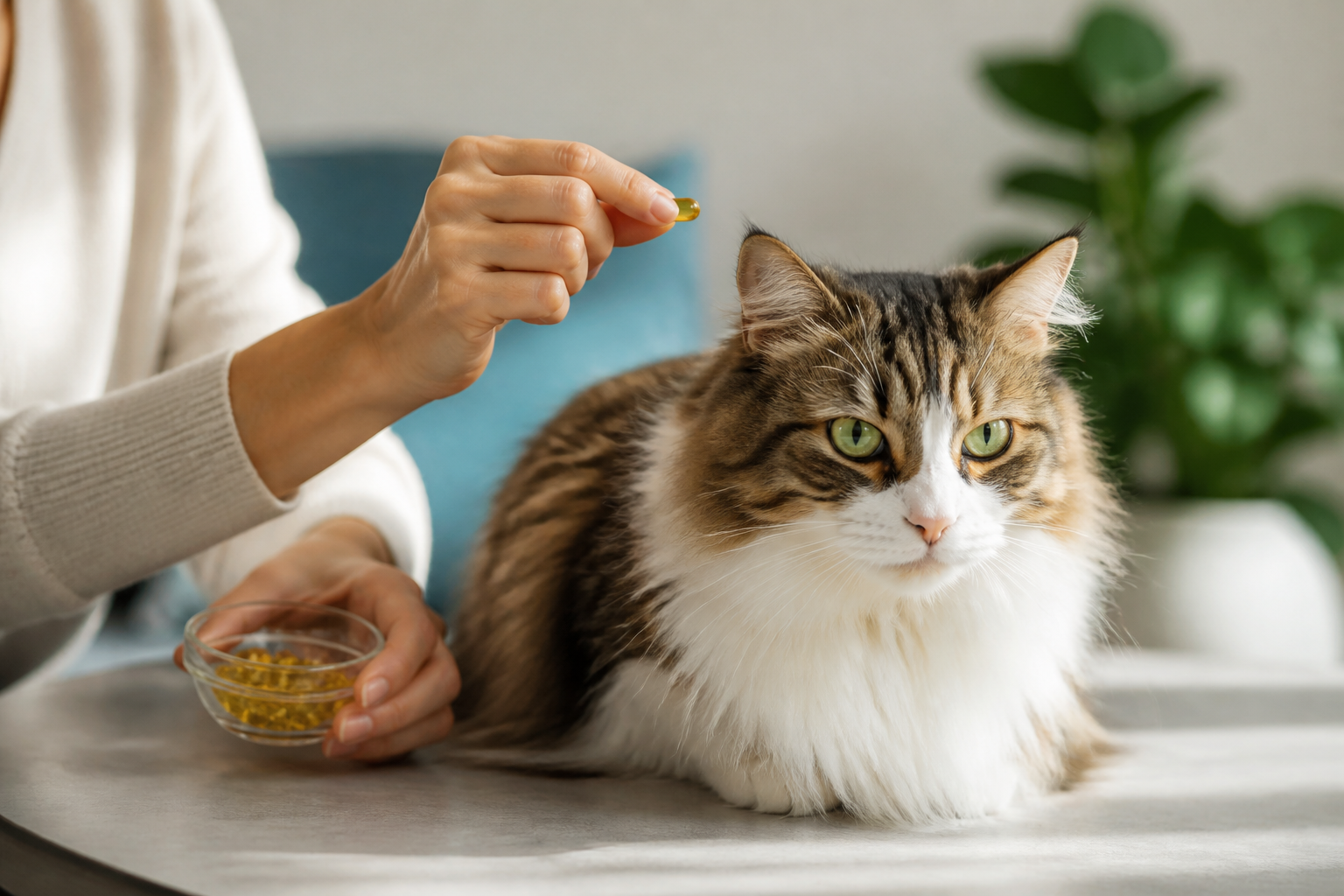
You are petting your cat and notice small white flakes scattered across their dark fur. It is a common sight for many cat owners, especially during the dry winter months or when a cat gets older. While those flakes might seem like a minor cosmetic issue, they often point to a lack of essential moisture in the skin. At BaxterBoo, we know that a healthy coat starts from the inside out. This article explains how fish oil can help resolve cat dandruff, what to look for in a supplement, and how to tell if those flakes require a trip to the veterinarian. We will cover the science of omega-3 fatty acids and provide practical tips for adding these oils to your cat's daily routine. Understanding the connection between diet and skin health is the first step toward a flake-free coat.
Quick Answer: Fish oil helps cat dandruff by providing essential omega-3 fatty acids like EPA and DHA. These nutrients strengthen the skin barrier, reduce inflammation, and lock in moisture to prevent flaking.
Understanding Cat Dandruff and Dry Skin
Cat dandruff is more than just a nuisance for your vacuum cleaner. It is a sign that your cat's skin is losing moisture faster than it can be replaced. This often results in a coat that feels coarse or looks dull. Unlike human dandruff, which is sometimes caused by a fungus, feline dandruff is usually a direct result of environmental factors or nutritional gaps.
You might notice flakes mostly along the base of the tail or across the lower back. These are the areas where cats often have the most trouble grooming as they age or if they carry a little extra weight. When a cat cannot groom effectively, dead skin cells build up and become visible as white specks.
Environmental humidity also plays a massive role. During the winter, indoor heating systems strip moisture from the air. This dries out your cat's skin just as it does your own. If the skin becomes too dry, it loses its elasticity and begins to crack and flake.
Key Takeaway: Feline dandruff is usually caused by dry skin, poor grooming, or a lack of essential fatty acids in the diet.
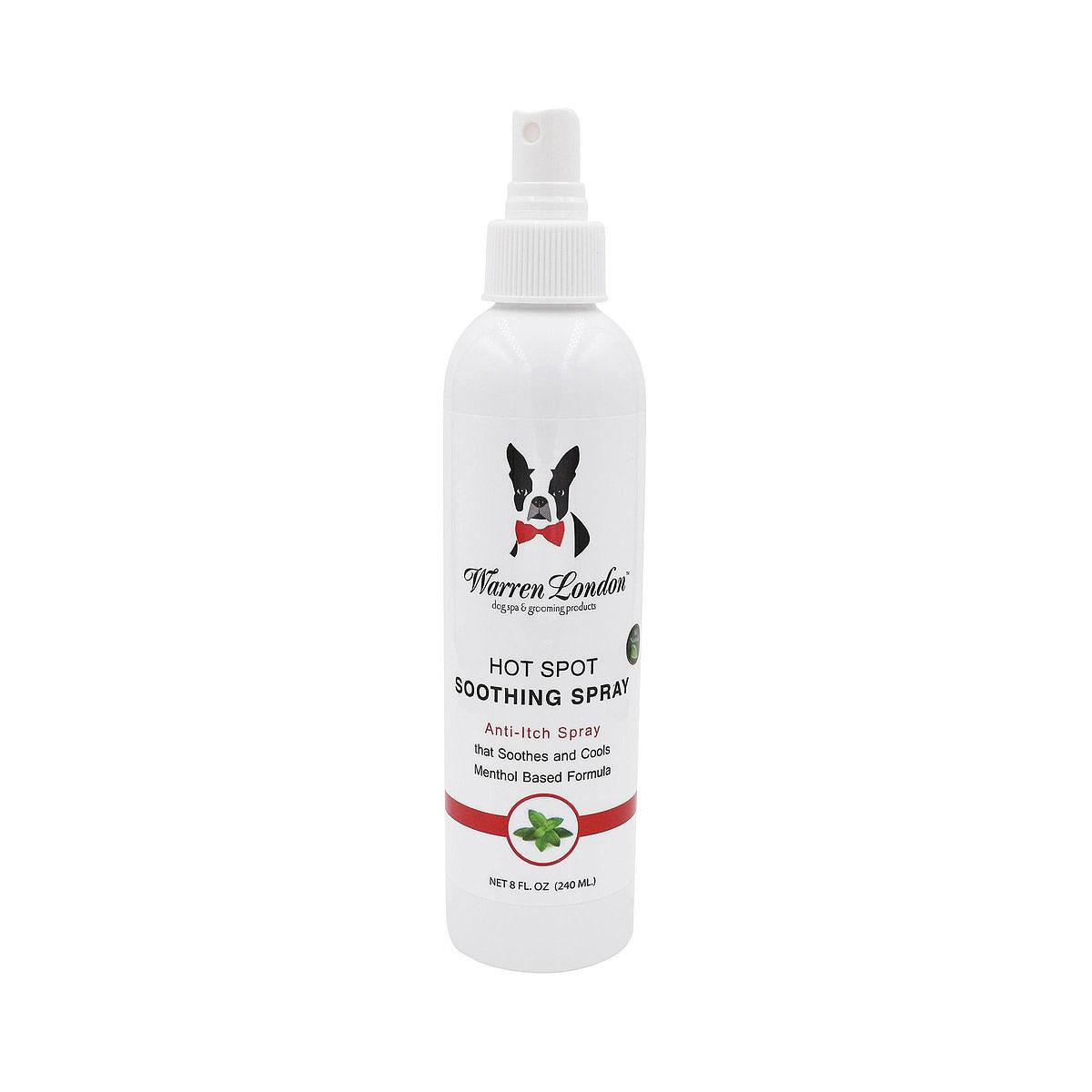
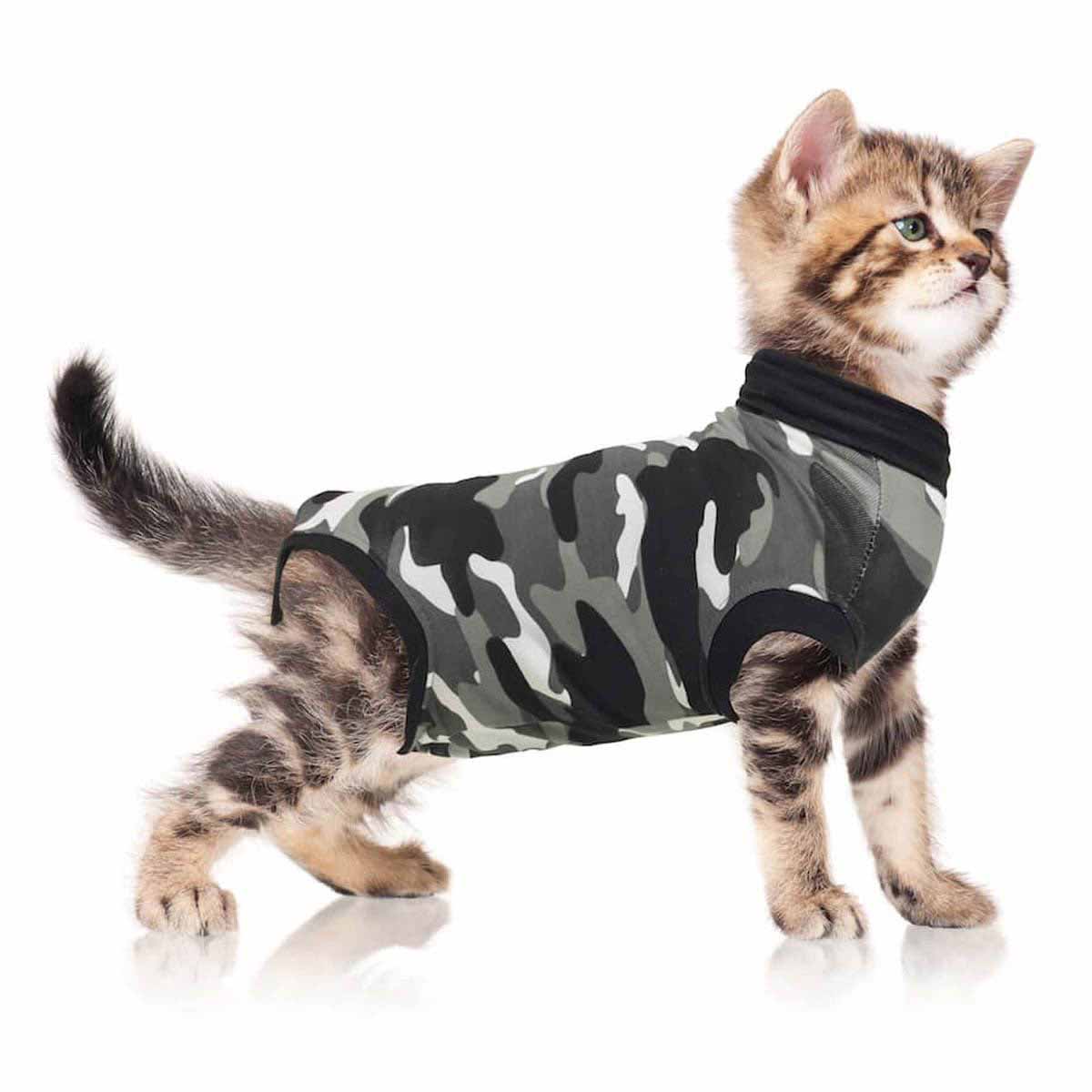
Cat Skin & Coat Care








The Role of Omega-3 Fatty Acids
The secret to resolving dry skin lies in two specific types of omega-3 fatty acids: eicosapentaenoic acid (EPA) and docosahexaenoic acid (DHA). These are known as long-chain fatty acids. Cats cannot produce these on their own in high enough quantities. They must get them through their food or supplements.
EPA acts as a natural anti-inflammatory. When skin is dry, it often becomes irritated and slightly inflamed, even if you cannot see the redness. EPA helps calm this response. This reduces the urge for your cat to scratch, which only makes flaking worse.
DHA is a primary structural component of the skin. It helps maintain the integrity of cell membranes. Think of DHA as the mortar between the bricks of the skin barrier. When that barrier is strong, it keeps moisture trapped inside and prevents irritants from getting in.
Vet Tip: If your cat has severe itching, red patches, or hair loss along with dandruff, consult your veterinarian. These symptoms can indicate allergies, mites, or infections that require prescription treatment rather than just supplements.
Why Fish Oil is a Top Choice for Cats
While there are plant-based sources of omega-3s, such as flaxseed oil, they are not as effective for cats. Cats lack the specific enzymes needed to efficiently convert plant-based alpha-linolenic acid (ALA) into the EPA and DHA they actually need. Fish oil provides these nutrients in a form that is immediately ready for the cat's body to use.
We carry several brands at BaxterBoo that focus on high-purity fish oils. These products are usually sourced from cold-water fish like salmon, sardines, and anchovies. These fish are naturally high in the fatty acids that support skin health.
For additional options, browse our cat skin and coat health collection.
Beyond fixing dandruff, fish oil provides a range of other benefits:
- Supports joint mobility in senior cats.
- Promotes healthy kidney function by reducing inflammation.
- Supports cognitive function in aging felines.
- Contributes to heart health by regulating heart rhythms.
Types of Fish Oil Supplements
When you start looking for a supplement, you will find three main formats. Each has its pros and cons depending on how picky your cat is about their food.
Liquid Fish Oil
Liquid oil is very popular because it is easy to dose. Most bottles come with a pump or a dropper. You simply add the required number of drops directly onto your cat's wet or dry food. Most cats enjoy the fishy taste, which can actually help encourage a picky eater to finish their meal.
Soft Gels and Capsules
Some owners prefer capsules because they keep the oil fresh and prevent a fishy smell in the kitchen. You can hide the capsule in a pill-wrapper treat or puncture the end and squeeze the oil onto the food. This ensures the oil has not been exposed to air, which can cause it to go rancid over time.
Soft Chews
If your cat views everything added to their food with suspicion, a soft chew might be the answer. These are flavored treats that contain a measured dose of fish oil. They are convenient and mess-free. However, check the calorie count if your cat is on a strict weight-management plan.
How to Choose a Quality Product
Not all fish oils are created equal. Because the supplement industry is not as strictly regulated as the medication industry, you have to be a savvy shopper.
First, look for a product that specifies the fish source. "Marine oil" is a vague term. You want to see "Wild-caught Salmon," "Anchovy," or "Sardine." Smaller fish like anchovies and sardines are often preferred because they sit lower on the food chain and tend to accumulate fewer heavy metals like mercury.
Second, check for a purity guarantee. A high-quality fish oil should be molecularly distilled to remove toxins and contaminants. Look for the National Animal Supplement Council (NASC) seal on the bottle. This seal indicates the manufacturer has passed a comprehensive quality audit.
Finally, check the EPA and DHA levels on the back of the bottle. A good supplement will list these individually rather than just giving a total "Omega-3" count. This transparency helps you and your vet determine the exact dose your cat is receiving.
Key Takeaway: Always choose fish oils that are molecularly distilled and carry the NASC seal to ensure they are free from heavy metals.
Identifying When Dandruff is a Medical Issue
Sometimes, those white flakes are not just dry skin. Several medical conditions can mimic simple dandruff. If you do not see improvement after a month of fish oil, or if the skin looks greasy rather than dry, it is time for a professional opinion.
Parasites like Cheyletiella mites are often called "walking dandruff." These tiny mites look like flakes to the naked eye but require specific medical treatment to eliminate. Standard fish oil will not solve a parasitic infestation.
Allergies are another common culprit. Cats can be allergic to ingredients in their food or environmental triggers like dust and pollen. This often causes the skin to overproduce oil or become excessively dry. Our cat pharmacy carries prescription medications and specialized products for cats when recommended by a veterinarian.
Vet Tip: Never try to treat a suspected parasitic infection or severe allergy with supplements alone. Your vet can provide a diagnosis and a prescription that will offer your cat much faster relief.
Recommended Steps for Adding Fish Oil to a Diet
Introducing any new supplement should be done carefully to avoid upsetting your cat's stomach. Some cats have sensitive digestive systems and may experience loose stools if you give a full dose right away.
Step 1: Consult your veterinarian. / Ask about the correct dose for your cat's weight and current health status.
Step 2: Start with a quarter dose. / Add a very small amount of oil to their food once a day for the first three or four days.
Step 3: Monitor the litter box. / Ensure your cat is not having diarrhea or vomiting.
Step 4: Gradually increase the amount. / Over the course of two weeks, work your way up to the full recommended dose.
Step 5: Store the oil properly. / Keep liquid oils in the refrigerator after opening to prevent them from spoiling.
Bottom line: A slow introduction prevents digestive upset and helps your cat get used to the new flavor in their bowl.
Complementary Care for Dry Skin
While fish oil works from the inside, you can take steps to help from the outside. Combining nutrition with environmental changes usually yields the fastest results for a cat with dandruff.
Grooming is the most effective external tool. Regular brushing removes dead skin cells and loose fur. This prevents the "buildup" that looks like dandruff. It also stimulates the skin's natural oil production. For cats that cannot groom themselves well, a daily brushing session is essential.
For more ideas about maintaining a healthy feline coat, read our guide to feline wellness and everyday care.
Check the humidity in your home. If your skin feels tight and dry, your cat's skin probably does too. Using a small humidifier in the room where your cat spends the most time can make a significant difference.
Avoid over-bathing your cat. Most cats rarely need a full bath. Bathing too often strips away the natural oils that fish oil is trying to replenish. If your cat gets dirty, use a damp cloth or pet-safe wipes rather than a full tub of water.
Possible Side Effects and Risks
Fish oil is generally very safe, but there are a few things to watch for. At high doses, fish oil can interfere with blood clotting. This is usually only a concern for cats scheduled for surgery or those with underlying bleeding disorders. Always tell your vet about any supplements your cat is taking before a medical procedure.
Weight gain is another factor. Fish oil is a fat, and fats are calorie-dense. If you are adding a significant amount of oil to every meal, you may need to slightly reduce the amount of kibble or wet food you provide. Keeping your cat at a healthy weight is one of the best things you can do for their long-term wellness.
Lastly, pay attention to your cat's breath and coat. A slight fishy smell is normal right after a meal. However, if your cat begins to smell strongly of fish all over their body, you may be giving too much.
The BaxterBoo Difference in Pet Care
We take pride in selecting products that we would feel comfortable giving to our own pets. Our warehouse in Vernon Hills is stocked with brands that prioritize ingredient transparency and safety. When you shop with us, you are not just getting a product delivered to your door. You are getting the expertise of a team that has been serving the pet community since 2006.
We understand that managing a cat's health can be expensive. That is why we offer programs like MVP Rewards, where you can earn money back on your purchases. For items you need every month, like fish oil or high-quality food, our Autoship programme provides a discount and ensures you never run out.
If your cat's skin issues require more than just a supplement, remember our pharmacy. Through Pet's Choice, we can provide the prescription shampoos, medications, and therapeutic diets your vet might recommend. This hybrid approach of retail and pharmacy makes it easier for you to manage your cat's health in one place.
Choosing the Best Food for Skin Health
Sometimes dandruff is a sign that your cat's base diet is lacking. While fish oil is a great supplement, it works best when paired with high-quality nutrition. Look for foods that list specific animal proteins as the first ingredient. Many premium brands, like Farmina or Stella and Chewy's, include omega fatty acids directly in their recipes.
Browse our cat food collection when comparing wet and dry formulas for your cat.
If your cat is already eating a top-tier food and still has flakes, then a supplement is the logical next step. Wet food is also beneficial for skin health because it increases your cat's overall hydration. Dehydration is a common contributing factor to dry, brittle skin.
Key Takeaway: A combination of high-quality wet food and a daily fish oil supplement is the most effective way to combat chronic dry skin.
When to Expect Results
Patience is necessary when dealing with skin and coat issues. Skin cells take time to regenerate. You will likely not see a difference in your cat's dandruff overnight.
Most owners begin to see a change in coat texture and a reduction in flakes after about three to four weeks of consistent supplementation. By the six-week mark, the coat should look noticeably shinier and feel softer. If you have reached two months with no change, it is time to revisit the veterinarian to look for other underlying causes.
Keep a mental note or a photo of your cat's fur when you start the supplement. It can be hard to notice gradual changes day by day, so looking back at a "before" image can be very helpful.
FAQ
How long does it take for fish oil to fix cat dandruff?
It usually takes between four to six weeks of daily use to see a noticeable improvement in a cat's skin and coat. This is because the skin cells need time to regenerate and incorporate the new fatty acids. You may notice a softer coat slightly sooner, but the flaking takes longer to resolve.
Can I give my cat human fish oil capsules?
It is best to use products specifically formulated for cats to ensure the correct concentration and purity. Human supplements may contain flavorings, like lemon or peppermint, which can be toxic or irritating to cats. Additionally, human doses are much higher, making it difficult to measure the tiny amount a cat actually needs.
Does fish oil make cats smell like fish?
If given at the correct dosage, fish oil should not cause your cat to have a strong odor. You might notice a slight fishy scent on their breath immediately after they eat. If your cat's skin or fur begins to smell strongly of fish, it may be a sign that the dosage is too high, and you should consult your vet.
Will fish oil help with my cat's hairballs?
Yes, fish oil can indirectly help reduce hairballs by improving skin and coat health. When the skin is healthy and the fur is strong, there is less shedding and breakage. Since cats swallow fur while grooming, reducing the amount of loose hair means fewer hairballs in their digestive tract.
For more information about diet, digestion, and hairballs, read our guide to sensitive-stomach cat food and hairball concerns.
Summary of Using Fish Oil for Cat Dandruff
Managing your cat's dandruff is a straightforward process once you understand the nutritional needs of their skin. By providing a high-quality fish oil supplement, you are giving their body the tools it needs to stay hydrated and irritation-free.
- Identify if the dandruff is simple dry skin or a medical concern.
- Choose a high-purity fish oil with clear EPA and DHA levels.
- Introduce the supplement slowly to avoid digestive issues.
- Support skin health further with regular grooming and home humidity.
Bottom line: Fish oil is a safe and effective way to treat dry, flaky skin while supporting your cat's overall long-term health.
If your cat's dandruff persists or seems to be causing them discomfort, we recommend visiting our pharmacy section to explore prescription options or consulting with your veterinarian about a specialized diet.






- Site & Contents BaxterBoo.com. BaxterBoo is located in the United States.
- Privacy & Security
- Terms of Use
- Accessibility Statement
