Save 15% on your 1st Autoship learn more

 Email us
 Live Chat
 FAQs
FAQs





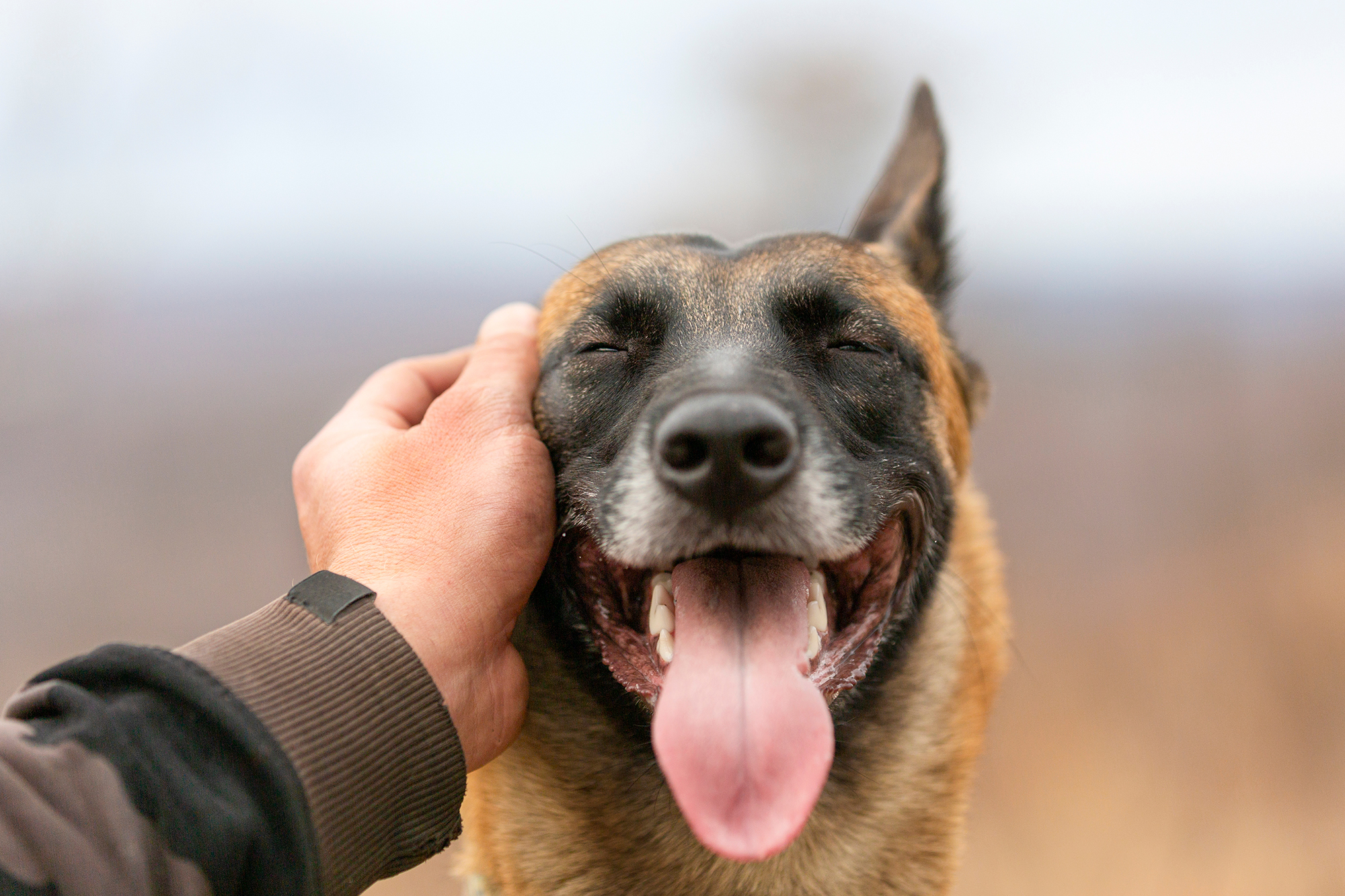
Owning a pet brings a great deal of joy into the lives of those who chose to welcome them into their homes. In fact, according to Time Magazine, having a pet can benefit an owner's mental and physical health and prevent feelings of loneliness that may lead to mental decline in older individuals. While the joy dogs, cats and small animals bring to your life as a pet owner is obvious to everyone around you, you may wonder if your pet is happy as well. You probably wish your pet could speak and let you know its wants and needs, but there are a few ways pets communicate their happiness to you, no matter their species.
1. A Tell-Tale Tail
Many different types of pets use vocals to let you know when they are happy and content. Dogs and cats use their tails to communicate their moods, although they do so in different ways. A happy dog will wag her tail in a way that moves her entire body, and even breeds with short tails will wiggle their rear ends in greeting.
Cats also use their tails to communicate, but in a way that is different than dogs. A happy cat will greet you with her tail held high, and she may wrap it around your leg as she rubs against you. If your cat's tail resembles a question mark when she approaches, this is also a sign that she is content, curious and ready to play or interact.
2. Vocalization
Many pets use an array of sounds to let you know what they might be feeling, and this includes when they are happy. You probably recognize your dog's tone when he barks, and the play bark is usually high-pitched and excited. He may also give a groan of contentment when you pet his belly or let him settle next to you on the bed or the couch. While cats tend to be less vocal with humans, they purr when they feel content and may chirp and make other inquiring sounds when you enter the room.
Birds and small animals also use vocalization to display happiness. Guinea pigs are especially vocal and will make a consistent purring sound when they feel content. They may also chatter when you enter the room or when interacting with other guinea pigs. A happy parakeet or parrot will chatter, whistle or click her tongue as an invitation to play or interact.
3. Body Language
Your pet can communicate happiness with body language that extends past a wagging or raised tail. Happy, content dogs often expose their belly for you to scratch it, and cats often exhibit this behavior when they feel content and playful. A playful pup will sometimes bow with his rear end in the air and then give a series of hops or toe-taps, a sure sign that he is ready to play.
Even your small animals show signs of happiness with body language. Guinea pigs will hop in place, which is called "popcorning," something they often do while playing with you or other piggies. Hamsters groom themselves often, forage and approach you willingly when their needs are met, as will pet rats and mice.
4. A Healthy Appetite
One of the first signs of distress or unhappiness in your pet is a change in eating habits, especially for those who are always enthusiastic about eating. A happy pet will accept meals and treats and are usually less likely to develop finicky eating habits. Keeping your pet at a healthy weight and preventing obesity can help keep him at his happiest.
If your pet does not show much interest in food but is healthy otherwise, it may be a sign that she is bored and needs more attention and play periods with you. Even older cats and dogs require mental stimulation, whether they get it with a brisk walk around the block or with a new toy.
5. A Lack of Destructive Behavior
While some dog breeds feel the instinctive drive to chew or dig, an unhappy pup might indulge in these behaviors out of boredom or frustration and destroy furniture, his bedding or your family's belongings. A content, happy dog is less likely to chew or shred household items when his energy is directed toward work or play. This is especially important for working breeds or those that are known for having high energy and may not be content to sit in a yard all day.
Cats typically sleep more hours per day than dogs, but they might also get into mischief if they feel bored or unhappy. Your cat may claw furniture or prowl where she does not belong if she has no other means of expending her energy, so it is important to offer her different toys and games and place them in each room to keep her happy.
6. Your Pet Initiates Play
A happy pet is a playful pet, and your dog or cat will show you this by bringing you a toy to throw or to play tug with. Your parrot or other large bird may bob his head or flap his wings to get your attention or to coax you into playing a game. No matter the species, when a pet invites you to play, you know he is happy with you and his surroundings.
Learning to read your pet's body language and interpreting other behaviors can provide you with clues about his overall happiness or whether you need to make changes to improve his mood. When you understand what your pets want and need to stay happy, you can offer them a long life full of love and contentment.