
 Save 15% on your 1st Autoship learn more

 Email us
 Live Chat
 FAQs
FAQs





Introduction
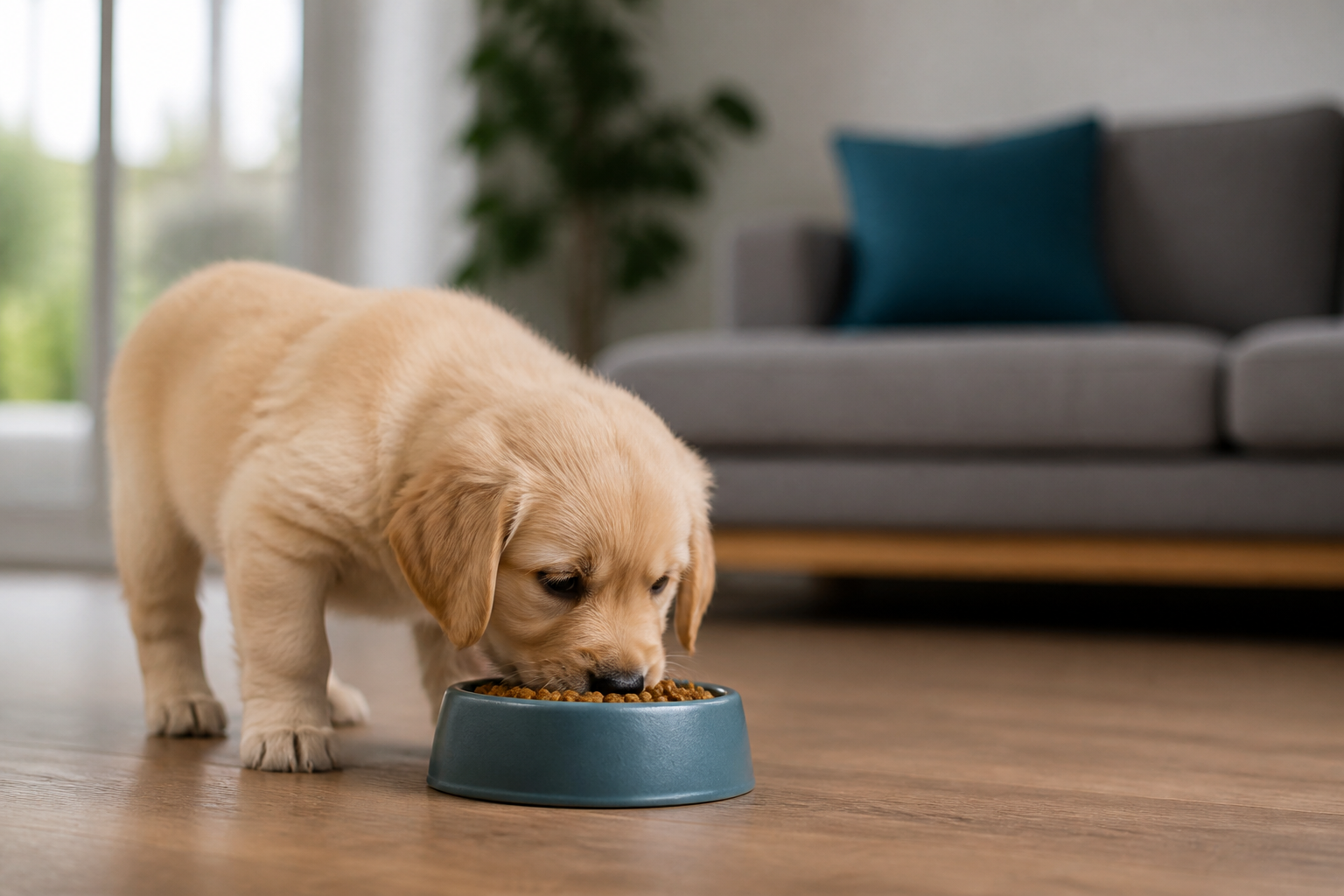
You are likely watching your new puppy explore their world with a mix of curiosity and clumsy energy. One moment they are chasing a shadow and the next they are nibbling on your shoelaces. This chewing behavior is a natural part of development. It often signals that they are ready to move beyond soft meals. At BaxterBoo, we know that timing this transition correctly is vital for their growth. You want to ensure their tiny bodies get the right nutrients without upsetting their sensitive stomachs. This article covers the exact timeline for introducing kibble and how to safely soften food. We will also look at how to choose the best formula for your puppy's specific breed size. Our goal is to help you move from mushy meals to a healthy dry food routine.
The Early Days of Nutrition
Newborn puppies get everything they need from their mother's milk. This milk provides antibodies and the perfect balance of fats and proteins. Most puppies rely solely on nursing for the first three to four weeks of life. If a mother dog is not available, a puppy milk replacer is used instead.
Around the three week mark, puppies usually start to show interest in what their mother is eating. They might sniff her bowl or even try to lap up some of her food. This is the natural start of the weaning process. It is a slow shift from a liquid diet to solid nourishment.
During this stage, their digestive systems are still very delicate. You cannot simply drop a bowl of hard kibble on the floor. Their deciduous teeth, also known as milk teeth, are just starting to erupt. These teeth are sharp but small. They are not yet strong enough to crush hard, dry pellets.
The Weaning Timeline
Weaning is a gradual process that usually lasts about four weeks. By the time a puppy is eight to ten weeks old, they should be fully transitioned to solid food.
Weeks Three to Four
This is the "gruel" phase. You should mix a high quality puppy food with warm water or a puppy milk replacer. Use a shallow dish so the puppies can reach the food without climbing into the bowl. The consistency should be very thin and soupy. At this age, puppies often get more food on their paws than in their mouths.
Weeks Five to Six
The puppies will now have more of their milk teeth. You can start to reduce the amount of liquid in the mixture. Aim for a consistency similar to oatmeal or thick porridge. They are learning how to chew rather than just lap up liquid.
Weeks Seven to Eight
By now, the puppy should be eating food that is only slightly moistened. You can begin offering small amounts of dry kibble to see how they handle the crunch. Most puppies are ready to leave their mother and move to their new homes at eight weeks. By this point, they should be comfortable eating solid puppy food.
Quick Answer: Puppies can start eating moistened dry food at 3 to 4 weeks old. They are typically ready for fully dry kibble by 8 to 10 weeks of age once their milk teeth are fully developed.
How to Soften Puppy Food
Moistening kibble is not just about making it easier to chew. It also helps with hydration and brings out the aroma of the food. This makes it more appealing to a picky eater. However, you must do it correctly to avoid bacterial growth or burnt mouths.
Step 1: Measure the portion. / Use the amount recommended by the food manufacturer or your veterinarian.
Step 2: Add warm liquid. / Use warm water or a low sodium dog safe broth. Do not use boiling water as it can destroy vitamins.
Step 3: Let it soak. / Allow the food to sit for 10 to 15 minutes. This gives the kibble time to absorb the liquid and become soft.
Step 4: Mash if necessary. / For very young puppies, use a fork to mash the softened pellets into a smooth paste.
Step 5: Check the temperature. / Test the food with your finger to ensure it is not too hot before serving.
Note: Do not leave moistened dry food out for more than 30 minutes. The moisture and warmth can quickly lead to bacterial growth which could make your puppy sick.
Why Dry Kibble Is Beneficial
Once your puppy is old enough, dry food offers several advantages over a strictly wet diet. Kibble is often more calorie dense. This is important because puppies need a lot of energy to fuel their rapid growth.
Mechanical cleaning is another benefit. As the puppy bites down on the hard kibble, the friction helps scrape away some of the plaque on their teeth. This is a great head start for their lifelong dental health.
Dry food is also very convenient for training. You can use individual pieces of kibble as rewards during short training sessions. This helps you manage their weight by using their daily meal portion for rewards rather than adding extra calories from treats.
Choosing the Right Puppy Formula
Not all dry dog foods are the same. Puppies have very different nutritional needs than adult dogs. They require higher levels of protein and fat to support tissue growth. They also need specific ratios of calcium and phosphorus for bone development.
We carry many trusted brands that specialize in these life stage formulas. Brands like Farmina, Royal Canin, and NutriSource offer recipes specifically for growing pups. Look for a bag that mentions "Growth" or "Puppy" on the label. You can browse our puppy food selection when comparing age-appropriate options.
The ingredient list should prioritize high quality animal proteins. You also want to see DHA, which is an omega 3 fatty acid. DHA is often sourced from fish oil and is essential for healthy brain and eye development.
Breed Size Matters
A Great Dane puppy grows much differently than a Toy Poodle. Large breed puppies need to grow at a controlled rate. If they grow too fast, they can develop serious joint and skeletal issues later in life.
- Small Breeds: These dogs have high metabolisms and reach maturity quickly. They need energy dense food with small kibble sizes that fit their tiny mouths.
- Large Breeds: These puppies need formulas with controlled calcium and phosphorus. This ensures their bones do not grow faster than their supporting ligaments and muscles.
Vet Tip: Always consult your veterinarian before choosing a food for a large or giant breed puppy. They can help you monitor growth rates to prevent long term mobility issues.
Managing the Transition to Dry Food
If you are bringing a new puppy home, they are already dealing with a lot of change. It is best to keep them on the food the breeder or shelter was using for at least the first week. A sudden change in diet combined with a new environment can cause severe diarrhea.
When you are ready to switch to a new dry food, do it slowly over seven to ten days. Our dog food category makes it easier to compare formulas as your puppy's needs change.
- Days 1 to 3: Mix 25% of the new food with 75% of the old food.
- Days 4 to 6: Use a 50/50 mix.
- Days 7 to 9: Mix 75% of the new food with 25% of the old food.
- Day 10: Serve 100% of the new dry food.
If your puppy starts to have loose stools, slow down the process. Give their digestive system a few more days to adjust to the new ingredients.
Feeding Schedules and Portions
Puppies have small stomachs but high energy needs. This means they do better with several small meals rather than one or two large ones.
From weaning until four months of age, most puppies should eat four meals a day. Between four and six months, you can usually drop down to three meals. Once they reach six months, two meals a day is standard for most breeds.
Determining the right portion can be tricky. Every puppy is an individual. Use the feeding chart on the back of the bag as a starting point. Then, watch your puppy. You should be able to feel their ribs but not see them. If they are looking a bit too round, you may need to trim back their portions.
Key Takeaway: Consistent feeding schedules help with house training. Puppies typically need to go outside shortly after eating. A regular meal time leads to a regular bathroom break.
When Health Needs Require Special Care
Sometimes a puppy has a health condition that requires a specific diet. This might include severe allergies, digestive disorders, or urinary issues. In these cases, a standard over the counter kibble might not be enough.
Our pet pharmacy provides access to prescription diets when recommended by a veterinarian. If your veterinarian prescribes a specific therapeutic food, you can fulfill that need through us. These foods are formulated to manage specific medical conditions while still providing the growth nutrients a puppy needs.
We also stock a variety of supplements that can support your puppy as they transition to solid food. Probiotics can be especially helpful during the weaning stage. They support a healthy gut microbiome and can reduce the risk of upset stomachs.
Recognizing Signs of Digestive Distress
It is common for puppies to have the occasional bout of soft stool as they try new foods. However, you should monitor them closely. Puppies can become dehydrated very quickly if they have ongoing diarrhea or vomiting.
Watch for these warning signs:
- Refusing food for more than two meals
- Extreme lethargy or lack of interest in play
- Repeated vomiting
- Blood in the stool
- A bloated or painful abdomen
If you notice these symptoms, contact your veterinarian immediately. They can rule out parasites or viral infections like parvovirus.
Vet Tip: Keep a log of what your puppy eats. If they have a reaction, it is much easier to identify the cause if you know exactly when a new food or treat was introduced.
The Move to Adult Food
While the focus is on starting dry food, you also need to know when to stop feeding puppy formula. Most dogs are ready for adult food when they reach about 80% to 90% of their adult size.
For small dogs, this might happen as early as 9 to 10 months. Medium dogs usually make the switch around one year. Large and giant breeds may need to stay on puppy or "all life stages" food for up to 18 or 24 months.
Feeding puppy food for too long can lead to obesity. Puppy food is very high in calories. Once a dog stops growing, those extra calories are stored as fat. Monitoring their weight and consulting your vet will ensure you make the switch at the perfect time.
Support for Your Puppy's Journey
Caring for a puppy is a big responsibility but it is also incredibly rewarding. Setting a strong nutritional foundation now will pay off for years to come. We are here to help you every step of the way with a carefully chosen selection of foods and supplies.
Our MVP Rewards programme allows you to earn points on every bag of kibble you buy. This is a great way to save on the supplies your puppy needs as they grow. For items you use every day, our Autoship service ensures you never run out of food. You even get a discount on your first order.
At BaxterBoo, we have been helping pet owners since 2006. We understand the challenges of puppyhood and we are proud to offer the expertise and products you need to help your pup thrive. Whether you are looking for that first bag of weaning gruel or a sturdy harness for their first walk, we have you covered.
Bottom line: Transitioning to dry food is a four week process that should be completed by the time a puppy is 8 to 10 weeks old.
FAQ
Can a 6 week old puppy eat dry food?
At six weeks old, most puppies are in the middle of the weaning process and still have very small teeth. They can eat dry food, but it should be heavily moistened with warm water or puppy milk replacer to create a soft, mushy texture. Feeding completely hard kibble at this age may be difficult for them to chew and could lead to digestive upset.
How do I know if my puppy is ready for unsoftened kibble?
You can tell your puppy is ready for hard kibble when their milk teeth are fully erupted and they show a strong desire to chew. Most puppies reach this stage between 8 and 10 weeks of age. Start by offering a few pieces of dry kibble as treats to see if they can crunch them easily before switching an entire meal to dry food.
What should I do if my puppy refuses to eat dry food?
If your puppy refuses dry food, try adding a small amount of warm broth or a tablespoon of canned puppy food to increase the aroma. You can also try a different kibble shape or size, as some small puppies prefer very tiny morsels. If the refusal continues for more than 24 hours, consult your veterinarian to rule out any underlying health or dental issues.
Is it okay to mix wet food with dry kibble for a puppy?
Yes, mixing wet and dry food is a great way to provide variety and ensure your puppy stays hydrated. Many owners use wet food as a topper to make dry kibble more palatable. Just be sure to adjust the total calories to ensure you are not overfeeding, and always use wet food specifically formulated for puppies.






