
 Save 15% on your 1st Autoship learn more

 Email us
 Live Chat
 FAQs
FAQs





Introduction
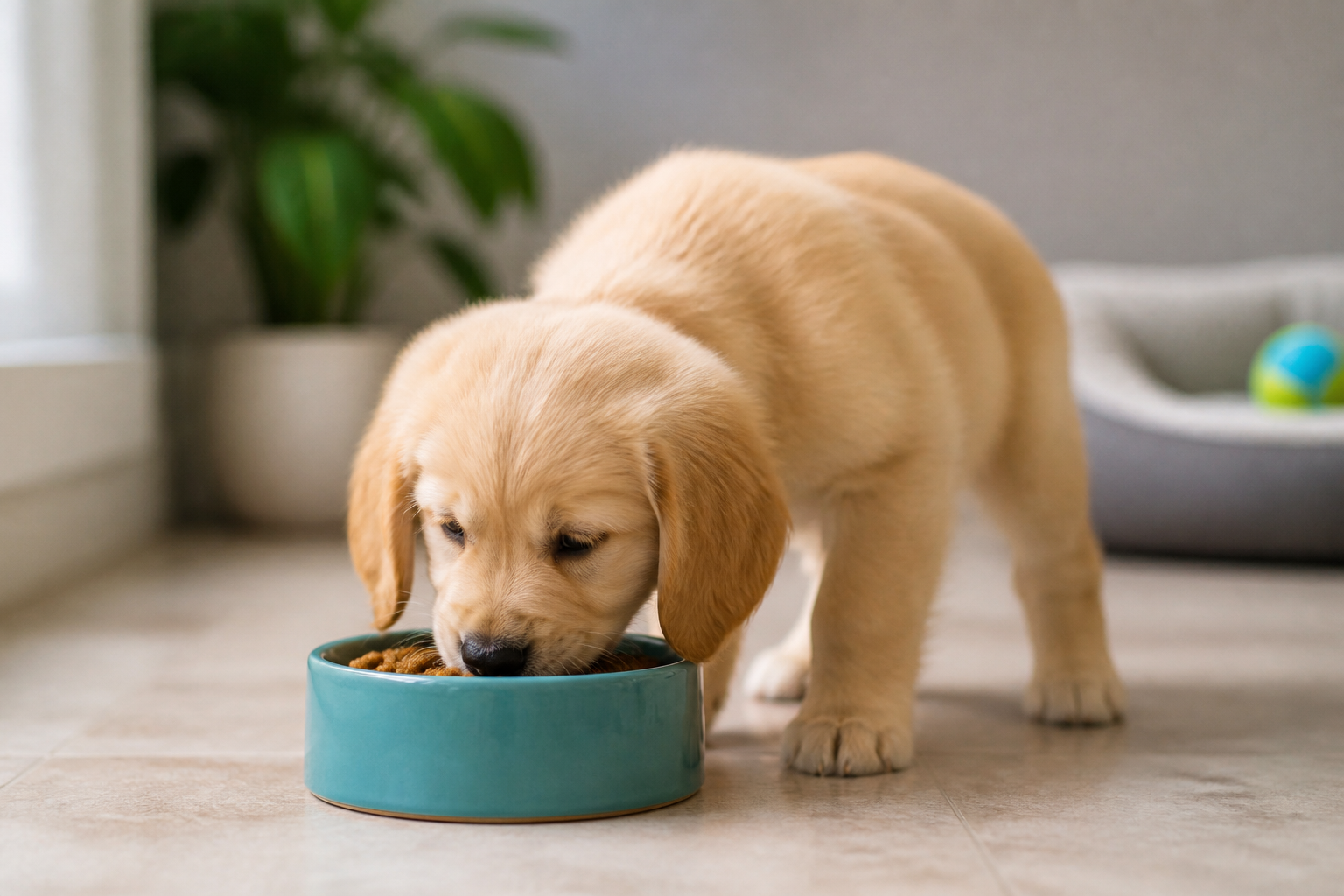
Welcoming a new puppy into your home brings a lot of excitement and a fair amount of questions. One of the most common hurdles for new pet parents is figuring out exactly when and how to start the transition to solid meals. You might notice your puppy sniffing around their mother’s bowl or trying to nibble on things that are not milk. This curiosity is the first sign that they are ready for the next stage of their development. At BaxterBoo, we understand that these early weeks are critical for building a foundation of health that lasts a lifetime. This guide covers the specific ages for introducing dry food and the best ways to ensure a smooth transition. If you are just getting started, our <a href="https://www.baxterboo.com/l.cfm/dog-food/puppy/?s=puppy+food">puppy food category</a> is a great place to begin. We will help you navigate the weaning process from the first taste of gruel to the first bowl of crunchy kibble.
Quick Answer: Puppies can typically start eating softened dry food at 3 to 4 weeks of age. By 8 to 10 weeks old, most puppies are fully weaned and can eat dry kibble without added liquid.
The Puppy Weaning Timeline
Weaning is the process of transitioning a puppy from mother’s milk to solid food. It does not happen overnight. It is a gradual shift that takes several weeks to complete safely. This period allows the puppy’s digestive system to adapt to new proteins and fibers. If you want a companion read, our <a href="https://www.baxterboo.com/blog/a.cfm/when-can-puppies-eat-dry-dog-food-a-weaning-timeline/">guide to when puppies can eat dry dog food</a> covers the same transition from a slightly different angle.
Birth to 3 Weeks
During the first few weeks, puppies rely entirely on their mother for nutrition. Her milk provides the perfect balance of fats, proteins, and antibodies. At this stage, their eyes are just opening and they are barely beginning to crawl. They do not have the teeth or the enzymes necessary to process anything other than milk or a specialized milk replacer.
3 to 4 Weeks
This is usually when the weaning process begins. You will notice the puppies becoming more mobile and curious. Their first "baby" teeth, or deciduous teeth, start to poke through the gums. At this age, you can introduce a very soft mixture often called puppy gruel. This is not yet dry food. It is a blend of high quality puppy food and liquid.
5 to 6 Weeks
By five weeks, puppies should be eating their softened food with more confidence. They will still nurse from their mother, but they will rely on her less for total calories. Their mother will also naturally begin to spend more time away from them. This encourages the puppies to seek out the food bowl.
7 to 8 Weeks
Most puppies are almost entirely weaned by seven or eight weeks. They should be eating meals several times a day. At this point, you can significantly reduce the amount of liquid used to soften their kibble. Their jaw strength is increasing, and their teeth are sharp enough to handle some crunch.
8 to 10 Weeks
By ten weeks, most puppies are ready for a diet of strictly dry food. Their digestive systems are much more robust. They have also learned how to drink water from a bowl to stay hydrated. This is the age when most puppies move to their forever homes and start their full kibble routine.
Key Takeaway: Weaning is a four to six week journey that begins with soft mush and ends with dry kibble. Patience is the most important tool for a successful transition.
How to Introduce Solid Food Safely
You cannot simply put a bowl of hard kibble in front of a four week old puppy. Their mouths are too small and their teeth are too weak. Choking is a real risk if the food is too hard or the pieces are too large.
Step 1: Choose a high quality puppy food. Look for brands that prioritize real meat as the first ingredient. We carry several trusted options like <a href="https://www.baxterboo.com/l.cfm/_/nutrisource/">our selection of NutriSource products</a>, Stella and Chewy's, and Open Farm that offer specific puppy formulas.
Step 2: Create a puppy gruel. Mix one part dry puppy kibble with three parts warm water or puppy milk replacer. Do not use cow's milk, as it can cause diarrhea. Let the mixture sit for 10 to 15 minutes until the kibble is completely soft.
Step 3: Mash the mixture. Use a fork to mash the soaked kibble until it has the consistency of oatmeal or pea soup. It should be easy for a puppy to lap up with their tongue.
Step 4: Present the food. Use a shallow dish or a baking sheet. This makes it easier for the puppies to reach the food without having to climb over a high rim. Be prepared for a mess. Puppies often walk through their food while they learn how to eat.
Step 5: Gradually reduce liquid. Over the next few weeks, slowly decrease the amount of water you add. Move from three parts liquid to two parts, then one part. Eventually, you will only be slightly dampening the food before serving it dry.
Vet Tip: Always monitor your puppy’s stool during the weaning process. If you notice persistent diarrhea or vomiting, it could indicate the transition is moving too fast or the food does not agree with them. Consult your veterinarian to ensure they are staying hydrated and gaining weight properly.
Why Puppies Need Specific Puppy Food
It is tempting to feed a puppy the same food as the adult dogs in the house. However, puppies have very different nutritional requirements. They are growing at a rapid rate. Their bones, muscles, and organs need specific building blocks that adult maintenance food does not provide in the right quantities.
Puppy food is much higher in calories. A growing puppy can require up to twice as many calories per pound of body weight as an adult dog. This energy supports their constant movement and physical development. If a puppy eats adult food, they may experience stunted growth or weakened immune systems.
Protein levels are also higher in puppy formulas. Protein provides the amino acids needed for muscle tissue and coat health. Calcium and phosphorus are also balanced very carefully. This balance is vital for skeletal development. If a puppy gets too much or too little of these minerals, they can develop permanent joint or bone deformities. This is especially true for large and giant breeds.
Our team at BaxterBoo handpicks every brand we stock to ensure they meet these high standards. We look for formulas that include DHA, which is an omega-3 fatty acid found in mother's milk. DHA is essential for healthy brain and vision development. Brands like <a href="https://www.baxterboo.com/l.cfm/dogs_dog-food/farmina/">Farmina</a> and Acana offer excellent puppy recipes that include these vital nutrients.
Bottom line: Puppy food is not a marketing gimmick. It is a scientifically formulated diet designed to support the most intense growth period of a dog's life.
Transitioning to Adult Dry Food
The question of when to stop puppy food is just as important as when to start it. Most dogs should transition to adult food once they reach about 80 to 90 percent of their expected adult size. This timing varies significantly based on the breed.
Small breed dogs, like Chihuahuas or Yorkies, mature very quickly. They may be ready for adult food as early as 9 to 10 months. Medium breeds typically make the switch around 12 months. Large and giant breeds, such as Great Danes or Mastiffs, take much longer to mature. They may need to stay on a large breed puppy formula for 18 to 24 months to prevent them from growing too fast.
When you are ready to switch, do it slowly over 10 to 14 days. Start by mixing 25 percent adult food with 75 percent puppy food. Every few days, increase the ratio of adult food. This slow change helps prevent upset stomachs and keeps your dog interested in their bowl.
If your puppy has specific health needs, <a href="https://www.baxterboo.com/l.cfm/pharmacy-dog/">our pet pharmacy</a> can help. Through our partnership with Pet's Choice, we offer FDA-approved medications and prescription diets. Some puppies require specialized food for allergies or digestive sensitivities. These prescription options are available to help manage ongoing health concerns as your puppy grows.
Recognizing Signs of Readiness for Kibble
Every puppy is an individual. While the age ranges provided are standard, some puppies may be ready for dry food a little earlier or later. You should look for physical and behavioral signs that they are prepared for the crunch of kibble.
The most obvious sign is the presence of teeth. Once the puppy has a full set of sharp baby teeth, they are physically capable of breaking down dry food. You will also notice them gnawing on toys or even the furniture. This chewing behavior indicates their jaws are strengthening.
Curiosity is another major factor. If your puppy is constantly trying to steal kibble from an older dog's bowl, they are likely ready for a more textured diet. They should also be able to drink water efficiently from a bowl. Since dry food lacks the moisture found in milk or wet food, the ability to self-hydrate is essential.
Steady weight gain is the best indicator that the transition is working. You should be able to feel their ribs but not see them. They should have a visible waist when viewed from above. If a puppy seems lethargic or is losing weight during the switch to dry food, it is time to talk to a vet.
- Check for a full set of baby teeth.
- Observe curiosity toward solid food.
- Confirm they can drink water from a bowl.
- Ensure they have the energy to play and explore.
- Monitor for consistent, healthy weight gain.
The Role of Hydration with Dry Food
When a puppy moves from milk to dry food, their water intake becomes much more important. Milk is mostly water, so nursing puppies stay hydrated naturally. Dry kibble usually contains only about 10 percent moisture. This means your puppy must learn to drink plenty of fresh water throughout the day.
Always keep a clean bowl of water available. Puppies can be messy, so you may need to change the water several times a day. If you are worried your puppy is not drinking enough, you can continue to add a splash of water or unsalted bone broth to their dry kibble. This adds flavor and ensures they are getting some liquid with their meal.
Proper hydration supports every function in a puppy's body. It helps with digestion, nutrient absorption, and temperature regulation. It also keeps their skin and coat healthy. If a puppy becomes dehydrated, they can quickly become very ill.
Vet Tip: To check for dehydration, gently pinch the skin on the back of your puppy’s neck. If it snaps back quickly, they are hydrated. If it stays in a tent shape or moves back slowly, they need more fluids. Persistent dehydration requires a veterinary visit to check for underlying issues like kidney function or infections.
Managing Picky Eaters and Tummy Upsets
Some puppies are more hesitant than others when it comes to new textures. If your puppy turns their nose up at dry food, do not panic. It may just be a matter of finding the right flavor or texture.
You can try adding a small amount of wet puppy food as a topper. Wet food has a stronger aroma that can entice a picky eater. Brands like Tiki Cat (for the occasional cat in the house) or Weruva offer highly palatable options, but for dogs, look at canned formulas from Wellness or Blue Buffalo. Mixing a spoonful of wet food into the dry kibble can make the transition much easier.
Tummy upsets are common during weaning. You might see a bit of soft stool as their gut bacteria adjusts to solid food. However, if the puppy has watery diarrhea or is straining, you should slow down. Go back to a more diluted gruel for a day or two.
For puppies with very sensitive stomachs, we offer supplements and probiotics that can support digestive health. These can be helpful during the transition phase. If the sensitivity continues, consult your vet about potential food allergies. Our pharmacy carries prescription diets specifically designed for gastrointestinal support.
The Benefits of Dry Food for Dogs
While wet food is great for hydration and pickiness, dry kibble offers several practical benefits. For many owners, it is the most convenient and cost-effective way to provide a balanced diet.
Dry food is easy to store and does not spoil as quickly as opened cans. It is also very useful for training. You can use individual pieces of kibble as low-calorie rewards during short training sessions. This helps you build a bond with your puppy without overfeeding them treats.
There is also a benefit for dental health. While kibble is not a replacement for brushing, the mechanical action of chewing hard food can help scrape some plaque from the teeth. It also satisfies the puppy’s natural urge to chew, which can save your shoes and table legs from being destroyed.
We carry over 500 trusted brands, many of which focus on specialized kibble shapes. Some brands design kibble specifically for small mouths or for dogs that tend to swallow their food without chewing. This variety ensures you can find a dry food that fits your puppy's specific physical needs.
Feeding Schedules and Portion Control
Puppies have small stomachs but high energy needs. This means they need to eat small meals frequently. A typical schedule for a newly weaned puppy is four meals a day. This keeps their blood sugar stable and provides a steady stream of energy for growth.
Around six months of age, you can usually move to three meals a day. By the time they are a year old, most dogs do well with two meals, one in the morning and one in the evening. Consistent timing helps with house training, as puppies usually need to go outside shortly after eating.
Portion control is vital. Obesity in puppies puts immense strain on developing joints. Always start with the feeding guidelines on the back of the food bag. These are just a starting point. Every puppy's metabolism is different. Adjust the amount based on their activity level and body condition.
Key Takeaway: Frequent, small meals are better for a puppy’s digestion and energy levels than one or two large meals. Stick to a schedule to help with both health and behavior training.
Conclusion
Transitioning your puppy to dry food is a major milestone in their first year. By starting at three to four weeks with a soft gruel and moving toward dry kibble by week ten, you give their body the time it needs to adapt. Always prioritize high quality puppy-specific formulas to ensure they get the protein and minerals necessary for healthy growth. We are here to support you through every stage of this journey, from the first bag of kibble to the transition to adult maintenance food. If your puppy faces health challenges or needs specialized nutrition, remember that the BaxterBoo pharmacy offers a wide range of prescription diets and medications through our partnership with Pet's Choice. We invite you to join our <a href="https://www.baxterboo.com/help/mvp.cfm/">MVP Rewards programme</a> to earn points on every bag of puppy food as you help your new best friend grow up strong.
FAQ
Can I give my 6 week old puppy dry food without soaking it?
At six weeks, most puppies still need their dry food to be softened with some water or milk replacer. Their teeth are still developing, and their jaws may not be strong enough to crunch hard kibble comfortably. It is best to wait until they are 8 to 10 weeks old before offering completely dry food.
What should I do if my puppy refuses to eat dry food?
If your puppy is reluctant to eat kibble, try increasing the temperature of the water used to soak it to release more aroma. You can also mix in a small amount of canned puppy food or a salmon oil topper to make it more appealing. If the refusal lasts more than 24 hours, consult your veterinarian to rule out any underlying health issues.
Is it okay to feed my puppy adult dog food if I run out of puppy food?
Feeding a single meal of adult food in an emergency will not cause long-term harm, but it should not become a habit. Adult food lacks the high calorie count and specific mineral balance that puppies need for bone and brain development. If you find yourself frequently running out, consider our <a href="https://www.baxterboo.com/help/autoship.cfm">Autoship programme</a> to ensure you always have a fresh bag of puppy food delivered on time.
How do I know if my puppy is allergic to their new dry food?
Signs of a food allergy or sensitivity in puppies include chronic ear infections, itchy skin, red paws, or persistent digestive upset like gas and diarrhea. If you notice these symptoms, talk to your vet about an elimination diet. We carry several limited ingredient and prescription diets in our pharmacy that are formulated for dogs with extreme sensitivities.






