
 Save 15% on your 1st Autoship learn more

 Email us
 Live Chat
 FAQs
FAQs





Introduction
You might notice it while your dog is giving you a happy greeting or during a quiet moment on the couch. That familiar, sharp scent of "dog breath" is often the first sign that plaque and tartar are moving in. For many owners, the sight of yellow buildup near the gum line brings up a difficult question about dental care. Brushing a wiggly dog's teeth is a challenge that not every pet or owner is ready to tackle daily.
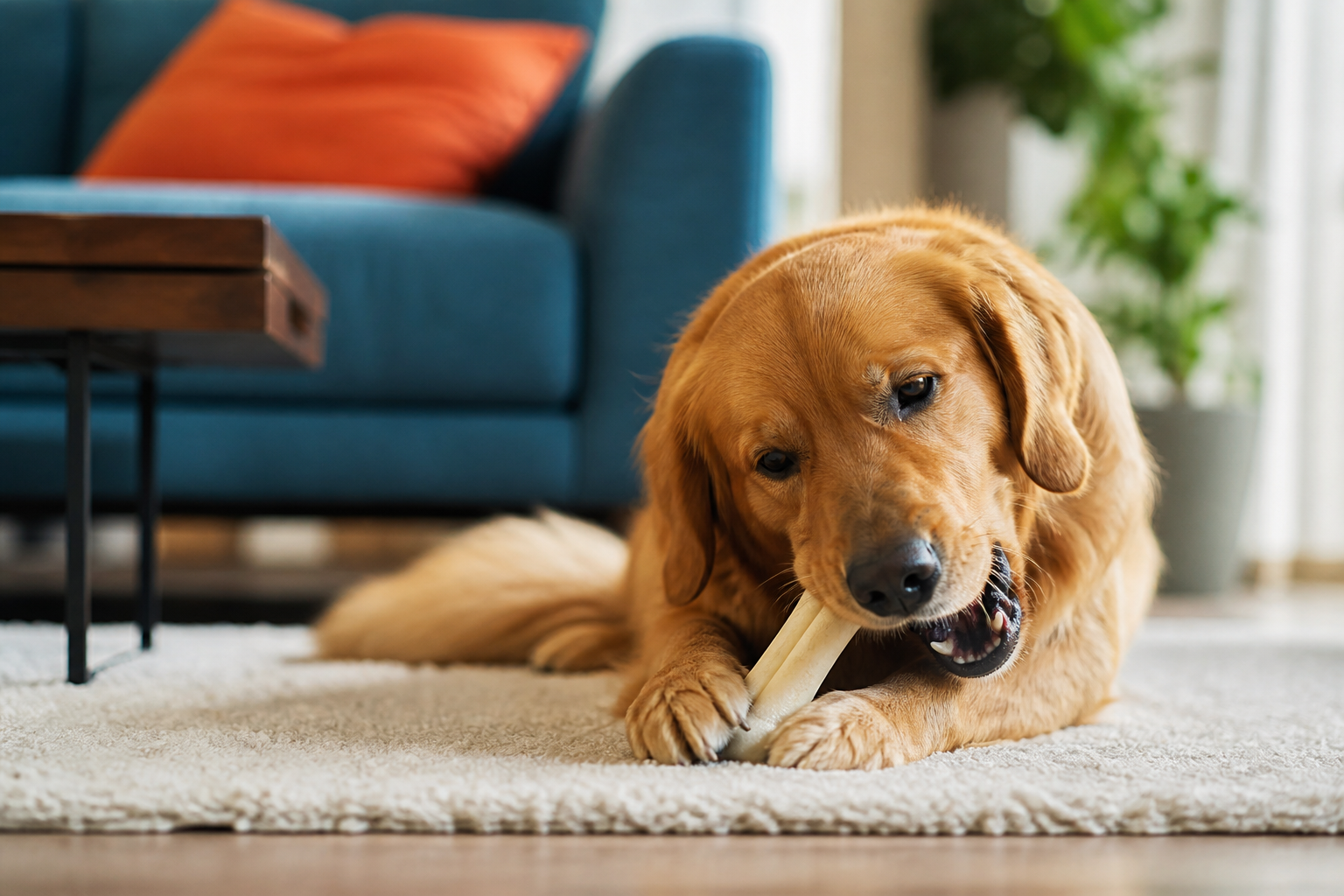
At BaxterBoo, we know that many owners look to nature for a solution. Chewing is a natural instinct that can serve as a built-in toothbrush when done correctly. This post covers which bones are truly effective for cleaning teeth, the critical safety differences between bone types, and how to protect your dog's smile from injury. Using the right bones can support healthy gums and fresher breath as part of a complete wellness routine.
Quick Answer: Raw, non-weight-bearing bones like lamb necks or poultry necks are the best for cleaning teeth. The mechanical action of gnawing scrapes away plaque while the meat and gristle act like natural floss. Always avoid cooked bones because they splinter and can cause serious internal harm.
The Mechanical Action of Chewing
To understand why bones help, we have to look at how plaque works. Plaque is a soft, sticky film of bacteria that forms on the teeth after eating. If it stays there, it reacts with minerals in the saliva and hardens into tartar. Once tartar forms, it is like concrete. You cannot simply brush it away.
When a dog gnaws on a bone, they use their side teeth to shear and grind. This physical rubbing against the bone surface acts like an abrasive. It physically scrapes the soft plaque off before it can harden. This is why "recreational" chewing is so popular for dental health.
The presence of meat and connective tissue on the bone is also important. As your dog pulls at the gristle and tendons, those fibers slide between the teeth. This is very similar to how humans use dental floss. It reaches the small gaps that a smooth bone surface might miss.
Saliva production increases during a long chew session. Saliva contains natural enzymes that help break down food particles. It also helps wash away loose bacteria from the gums. A dog that chews for 20 to 30 minutes a few times a week often has much cleaner teeth than a dog that only eats soft food. For additional at-home ideas, explore these pet dental care tips.
Raw vs. Cooked Bones: A Vital Distinction
The most important rule of bone safety is that you must never feed cooked bones. When a bone is cooked, the heat changes its molecular structure. It becomes brittle and dry. Instead of crumbling or grinding down, a cooked bone will snap into sharp, glass-like shards.
These shards can cause several emergencies:
- Punctures in the roof of the mouth or throat.
- Lacerations in the esophagus.
- Perforations of the stomach or intestinal lining.
- Choking hazards from large, jagged pieces.
Raw bones are different. They are relatively soft and flexible. When a dog chews a raw bone, it tends to grind down or break into blunt pieces that the stomach acid can handle. Raw bones also contain live enzymes that support digestive health.
Many owners worry about bacteria on raw bones. While dogs have highly acidic stomachs designed to handle raw meat, you should still practice good hygiene. Wash your hands after handling raw bones. Pick up any leftover bits once the chewing session is over.
Key Takeaway: Only offer raw bones for dental health. Cooking makes bones brittle and dangerous, leading to potential punctures or emergency surgeries.
Choosing the Right Size and Type of Bone
Not all raw bones are equal when it comes to cleaning teeth. The goal is to find a bone that is hard enough to scrape but not so hard that it breaks the tooth.
Edible Raw Bones
Edible bones are usually from poultry. These include chicken necks, duck necks, and turkey necks. These are soft enough that a dog can eventually crunch and swallow the entire thing. While they provide great minerals like calcium and phosphorus, they are sometimes consumed too quickly to provide a deep cleaning. For smaller dogs, these are often the perfect "toothbrush" because they are appropriately sized for their jaws.
Recreational Raw Bones
Recreational bones are meant for gnawing, not for eating in one sitting. These are often larger bones that provide hours of entertainment. Examples include knuckle bones from beef or lamb. Knuckle bones are covered in cartilage and soft tissue. This makes them excellent for cleaning the back molars.
Why Weight-Bearing Bones Are Risky
You should generally avoid the long, weight-bearing leg bones of large animals like cows or bison. These bones are designed to support thousands of pounds of weight. They are incredibly dense. If an aggressive chewer clamps down on a dense marrow bone, the tooth is often what breaks first.
A slab fracture is a common injury where a piece of the molar shears off. This is painful and often requires a root canal or extraction. We carry a wide range of safer alternatives at BaxterBoo for dogs that are powerful chewers. It is better to choose a softer bone or a durable rubber toy than to risk a thousand-dollar dental surgery. See our dental dog toys for alternatives.
Vet Tip: If you can't indent a chew with your thumbnail, it might be too hard for your dog’s teeth. Always supervise bone chewing to ensure your dog doesn't try to swallow large chunks or apply too much force.
The Problem with Marrow
Many owners buy "marrow bones" because dogs love the taste of the fatty center. While the chewing action on the outside of the bone is good for teeth, the marrow itself has some drawbacks.
Marrow is almost entirely fat. For some dogs, this high fat content can lead to an upset stomach or diarrhea. In more serious cases, a sudden intake of high fat can trigger pancreatitis. This is an inflammation of the pancreas that requires immediate veterinary care.
If you give your dog a marrow bone, consider scooping out most of the marrow first. You can also limit the chew time to ten minutes to see how their stomach reacts. If your dog is prone to weight gain, remember that marrow is very calorie-dense.
Safe Alternatives to Real Bones
If you are uncomfortable with raw bones or have a dog with a sensitive stomach, there are other ways to clean teeth through chewing.
Dental Chews and Sticks
Products like Greenies or specialized dental sticks are designed with specific textures. They often have ridges and bumps that mimic the scraping action of a bone. These are usually highly digestible and lower in fat. Many of these products are specifically formulated to fight the bacteria that cause bad breath. You can browse our dental treats for dogs for additional options.
Rubber and Nylon Toys
Durable toys from brands like Kong provide a great surface for scraping plaque. Many of these toys have "dental ridges" that you can fill with pet-safe toothpaste. As the dog chews the toy, the toothpaste is rubbed against the teeth and gums. This is a great compromise for owners who want the benefits of brushing without the struggle of a toothbrush.
Rawhide Alternatives
Traditional rawhide can be difficult to digest and may contain chemicals from the tanning process. We recommend looking for digestible rawhide alternatives. These are often made from layers of beef hide or collagen that breakdown easily in the stomach while still providing a long, satisfying chew. For more ideas, read about rawhide-free dog chews.
Signs Your Dog Needs Professional Dental Care
Bones and chews are great for maintenance, but they cannot replace a veterinarian. Some dental issues are too advanced for a bone to fix. If you notice any of the following, schedule a check-up:
- Red, swollen, or bleeding gums.
- Excessive drooling.
- Dropping food while eating.
- One-sided chewing.
- Loose or missing teeth.
- Lumps or bumps inside the mouth.
If your dog has existing gum disease, gnawing on a hard bone can actually be painful. It can drive bacteria deeper into the gum line. A vet can perform a professional cleaning under anesthesia to remove tartar from below the gums, which is where the real damage happens. Learn more about warning signs of dental disease in dogs.
Our pharmacy offers FDA-approved medications and prescription dental diets. If your vet prescribes a specific food for dental health, like Royal Canin Dental or Farmina Vet Life, we can help you manage those needs conveniently.
Bottom line: Bones are a preventative tool, not a cure for established periodontal disease or broken teeth.
How to Introduce Bones Safely
If your dog has never had a raw bone, start slowly. You want to make sure they understand how to gnaw rather than just trying to gulp it down.
Step 1: Choose a bone larger than your dog's mouth. / This prevents them from swallowing it whole. A bone for a Golden Retriever should be much larger than one for a Yorkie.
Step 2: Hold the bone for the first few sessions. / This allows you to control the angle. It also teaches your dog to chew slowly and safely.
Step 3: Monitor for digestive changes. / Check their stool the next day. A little bit of white, crumbly stool is normal after bone consumption, but straining or diarrhea is a sign to stop.
Step 4: Set a timer. / Limit the first few sessions to 10 or 15 minutes. This prevents sore jaws and gives the stomach time to adjust to the new protein.
Supporting Oral Health with Diet and Rewards
Beyond bones, what your dog eats every day matters. Some kibbles are designed to be larger and have a fibrous texture. Instead of shattering when bitten, the kibble holds together so the tooth sinks in. This provides a mini-scrubbing effect with every bite.
You can also earn benefits while taking care of your dog's teeth. Our MVP Rewards program allows you to earn points on every purchase of dental treats, toys, and food. These points can be used for future savings on the supplies your dog needs to stay healthy.
If you find a dental chew or a specific raw-coated food that works well, our Autoship program is a great option. It ensures you never run out of your dog's favorite dental supplies. Plus, you get a discount on your first order and a free MVP Gold membership.
Summary of Safe Bone Selection
To keep your dog's teeth sparkling and their body safe, follow these general guidelines.
- Best for cleaning: Raw lamb, goat, or poultry necks.
- Best for entertainment: Large raw beef knuckles.
- Avoid entirely: Cooked bones of any kind.
- Use with caution: Very dense weight-bearing leg bones and high-fat marrow.
Key Takeaway: Proper dental health is a combination of the right chewing tools, a quality diet, and regular veterinary check-ups.
Conclusion
Finding the right bone to clean your dog's teeth is about balancing effectiveness with safety. Raw, meaty bones offer a natural way to reduce plaque and provide mental stimulation. However, you must always prioritize the safety of your dog's teeth and digestive tract. By avoiding cooked bones and overly dense leg bones, you can give your dog the joy of chewing without the risk of injury.
We invite you to explore our selection of dental treats and durable toys to supplement your dog's oral care routine. Whether you choose a natural chew or a specialized dental toy, staying proactive is the best way to ensure your dog has a healthy smile for years to come.
Bottom line: Supervised chewing of raw, appropriate bones is a practical and enjoyable way to support your dog's dental hygiene.
FAQ
Can I give my dog bones from my steak or roast?
No, you should never give your dog bones that have been cooked, including those from a steak or roast. Cooking makes bones brittle and prone to splintering, which can cause life-threatening internal punctures. Only offer raw bones that have not been exposed to heat.
How often should my dog chew on a bone for dental benefits?
Most experts recommend two to three sessions per week of about 20 to 30 minutes each. This frequency allows for consistent plaque removal without causing excessive wear on the teeth or adding too many calories to the diet. Always monitor your dog during these sessions to ensure they are chewing safely.
Are there any dogs that should not have bones?
Dogs with existing dental disease, broken teeth, or sensitive stomachs should avoid bones until cleared by a vet. Brachycephalic breeds, like Bulldogs or Pugs, may also have trouble safely maneuvering large bones due to their jaw structure. In these cases, soft dental chews or rubber toys are often a much safer alternative.
Will bones remove the brown tartar on my dog's teeth?
Bones are excellent at removing soft plaque, but they usually cannot remove thick, hardened tartar. Once tartar has mineralized, it typically requires a professional cleaning by a veterinarian using specialized tools. Using bones after a professional cleaning is a great way to prevent new tartar from building up.






