
 Save 15% on your 1st Autoship learn more

 Email us
 Live Chat
 FAQs
FAQs





Introduction
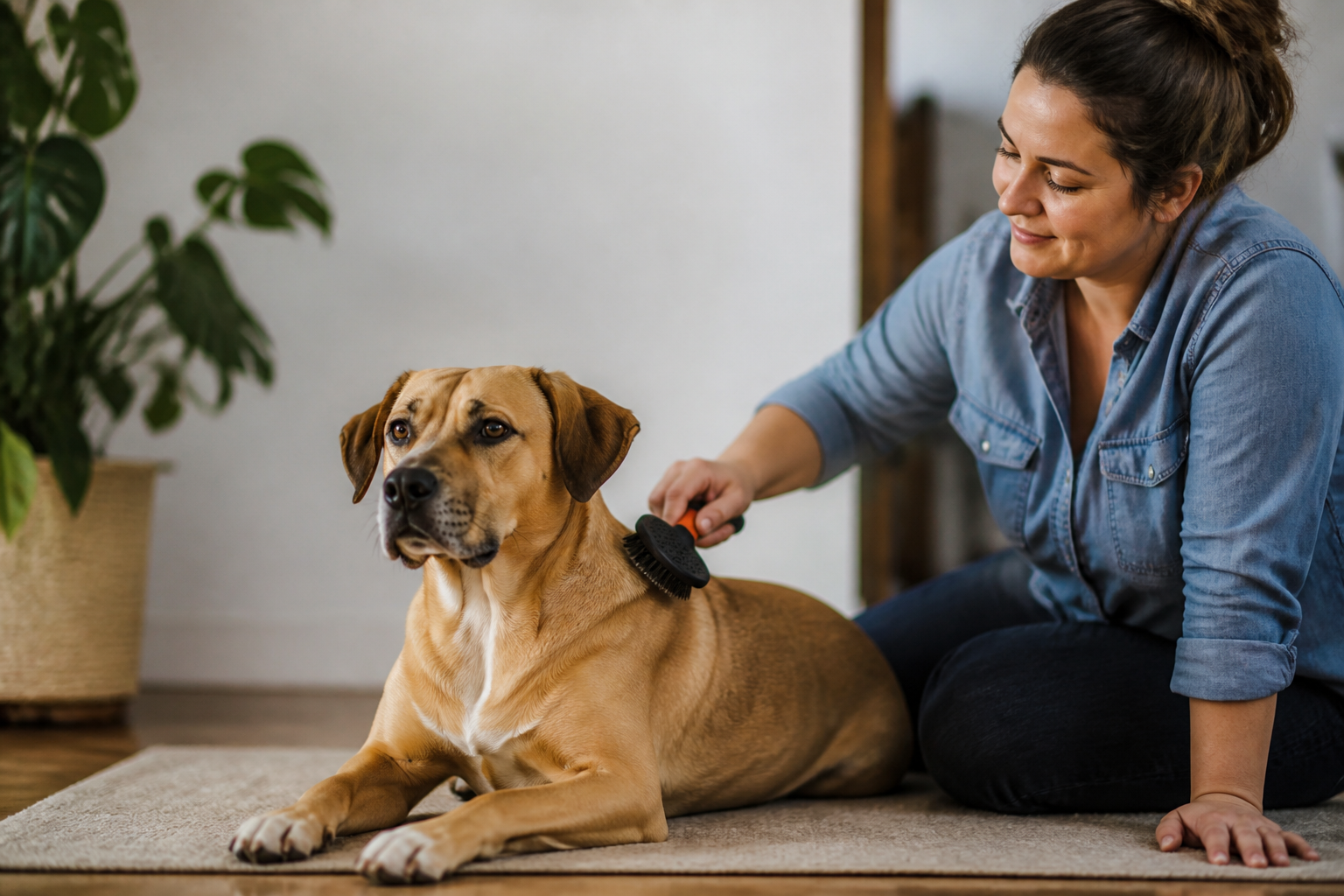
You sit down on your favorite dark fabric sofa and stand up only to find yourself covered in tiny, needle-like hairs. It is a common frustration for owners of Boxers, Beagles, and Labradors. Many people assume that short coats mean low maintenance. However, those short hairs have a way of weaving into every textile in your home. Regular grooming is the only way to manage the mess and keep your dog comfortable.
At BaxterBoo, we know that the right tool makes the difference between a chore and a bonding moment. This guide will walk you through the specific brushes that work for smooth and dense short coats. We will explain how to choose based on your dog's skin sensitivity and shedding levels. By the end of this post, you will know exactly how to keep your pup's coat shiny and your furniture fur-free.
Understanding the Short Hair Challenge
Short-haired dogs do not get the massive tangles or mats that long-haired breeds do. Their shedding is different. Instead of clumps of fur, they lose individual hairs throughout the year. These hairs are often stiff. They act like tiny barbs that get stuck in carpets and upholstery.
Brushing a short-haired dog is about more than just hair removal. It is about skin health. Short coats provide less protection against the elements. Brushing helps distribute natural oils that act as a waterproof barrier. It also exfoliates the skin. This removes dead skin cells that can cause itching or a dull appearance.
Quick Answer: The best brush for a short-haired dog is typically a rubber curry brush or a natural bristle brush. Rubber brushes excel at lifting loose hair and massaging the skin, while bristle brushes are perfect for adding shine and removing surface dust.
The Rubber Curry Brush: The Best All-Rounder
The rubber curry brush is arguably the most essential tool for any short-haired dog owner. These brushes usually feature soft rubber nubs instead of metal pins. A popular example is the Kong ZoomGroom. The rubber material creates a magnetic-like pull on loose hair. You can explore our dog brushes and combs to compare rubber brushes, grooming gloves, and other coat-care tools.
When you use a rubber brush, you should move it in circular motions. This helps loosen the hair from the follicle before it falls out on your floor. It also provides a deep tissue massage. Most dogs love the sensation because it feels like they are being petted rather than groomed.
Why Rubber Works for Short Hair
Rubber brushes are safe for dogs with very little body fat. Breeds like Greyhounds or Whippets have thin skin and prominent bones. A metal brush might be too harsh for them. The soft rubber flexes over their joints and spine without causing pain.
Bath Time Integration
You can use rubber curry brushes in the tub. Using the brush while your dog is lathered in shampoo helps the soap reach the skin. It also removes a massive amount of loose hair that would otherwise clog your drain. This is a great way to handle the heavy shedding of a Labrador or a Pug. For additional bath-time guidance, read these tips for bathing your dog.
The Classic Bristle Brush for Polish and Shine
A bristle brush is what most people think of when they imagine a traditional hairbrush. For dogs, these come with varying degrees of stiffness. If your dog has very short, smooth hair like a Dalmatian, a soft bristle brush is ideal.
These brushes are excellent for finishing. They do not reach deep into a thick undercoat. Instead, they work on the surface. They pick up fine dust and dander. More importantly, they move the sebum (natural oils) from the skin down the hair shaft. This results in the "show dog shine" that many owners want.
Choosing the Right Bristle Type
- Natural Bristles: These are usually softer and better for sensitive skin.
- Synthetic Bristles: These are often firmer and better for dogs with slightly longer or thicker short coats.
- Boar Hair: This is a premium option that is exceptionally good at distributing oils without causing static.
Key Takeaway: Use a rubber brush first to loosen deep hair and a bristle brush second to smooth the coat and add shine.
When to Use a Slicker Brush on Short Hair
Slicker brushes have fine wire pins that are slightly angled. While they are usually recommended for long-haired dogs, they have a place in the short-hair toolkit. If your dog has a dense, "double" short coat, a slicker brush is helpful. A Master Grooming Tools Self-Cleaning Slicker Brush is one option for removing loose hair, dirt, and debris.
Breeds like the Corgi or the Shiba Inu have short hair, but they have a lot of it. They have a thick undercoat that sheds twice a year in a process called "blowing the coat." A rubber brush might not be enough to get through that density. A soft-pinned slicker brush can reach into that undercoat to pull out the dead fluff.
Caution with Slicker Brushes
You must be careful not to cause "brush burn." This happens when the wire pins scrape against the skin repeatedly. Because short-haired dogs have less padding, the pins can reach the skin very easily. Always use a light touch and check the skin for redness.
The Role of Deshedding Tools
Tools like the FURminator for short-haired dogs are specifically designed to reach through the topcoat. They have a stainless steel edge with tiny teeth. These teeth grab the loose undercoat hair and pull it out before it sheds naturally. You can also compare other options in our dog grooming collection.
These tools are incredibly effective for heavy shedders like Pit Bulls or Labradors. However, they should not be used every day. Using them too frequently can damage the healthy topcoat. Once a week is usually plenty during peak shedding season.
How to Use a Deshedding Tool Safely
- Ensure the coat is completely dry.
- Use long, gentle strokes.
- Do not apply pressure. Let the weight of the tool do the work.
- Avoid sensitive areas like the stomach or ears.
Vet Tip: If your dog is shedding excessively and has red, itchy skin, a brush might not be the only answer. Consult your veterinarian to rule out allergies or thyroid issues. Our BaxterBoo pharmacy carries a range of FDA-approved allergy medications and prescription skin supports through our partnership with Pet's Choice if your vet identifies a medical need.
Specialized Tools for Stubborn Shedders
Sometimes a standard brush is not enough. There are a few other tools you might consider for your grooming kit.
Grooming Mitts
These are essentially rubber curry brushes that you wear like a glove. They are perfect for puppies or nervous dogs. The dog feels like you are just stroking them, but the rubber nubs on the palm are actually collecting loose hair. This is a low-stress way to start a grooming routine.
Flea Combs
Even if your dog has short hair, you should own a flea comb. The teeth are very close together. While its primary job is to find parasites, it is also great for removing "eye boogers" or crusty bits from around the face. Our dog brushes and combs selection includes flea combs and other specialized grooming tools.
Microfiber Towels
After brushing, wiping your dog down with a damp microfiber towel can pick up the "stragglers." These are the loose hairs that were pulled up by the brush but are still sitting on the surface of the coat.
Creating a Grooming Routine
Consistency is more important than the length of the grooming session. For most short-haired dogs, five to ten minutes of brushing three times a week is ideal.
Step 1: Inspect the Skin
Before you start brushing, run your hands over your dog's body. Look for new lumps, bumps, or ticks. Check for dry patches or hot spots. Brushing is the best time to catch health issues early.
Step 2: Use the Rubber Tool
Start with your rubber curry brush. Use circular motions starting at the neck and moving toward the tail. This will stimulate blood flow and loosen the hair.
Step 3: Use the Finishing Tool
Follow up with a bristle brush. Use long, sweeping strokes in the direction of hair growth. This smooths everything down and creates that healthy glow.
Step 4: Reward
Always end the session with a high-value treat. You want your dog to associate the brush with something positive. Over time, they will come running when they see the grooming kit. Our dog treats collection offers options for rewarding your pup after grooming.
Nutrition and the Coat
No brush can fix a coat that is dull due to poor nutrition. The skin and hair are the last parts of the body to receive nutrients. If your dog's diet is lacking, their coat will show it first.
Look for foods rich in Omega-3 and Omega-6 fatty acids. We carry several premium brands at BaxterBoo, such as Farmina and Open Farm, which prioritize skin and coat health. You can browse our dog food category for meal options. If your dog has a prescription diet for skin issues, our pharmacy can help you fulfill those orders easily.
The Impact of Hydration
Dehydrated skin is itchy skin. Itchy skin leads to scratching, which causes more hair loss. Ensure your dog always has access to clean water. During the winter, when indoor air is dry, you might even consider adding a little warm water or bone broth to their kibble.
Bottom line: A healthy coat starts from the inside with good food and ends on the outside with the right grooming tools.
For more ideas about nutritional support, see this guide to pet supplements.
Seasonal Shedding and "The Blow Out"
Most people think short-haired dogs shed the same amount all year. This is not strictly true. Even short-haired breeds respond to changes in daylight. This is called photoperiodism.
In the spring, they shed their thicker winter coat to prepare for the heat. In the fall, they shed their summer coat to make room for a denser winter one. During these times, you may need to brush your dog daily. If you find the volume of hair overwhelming, using a high-velocity dryer after a bath can help "blow out" the loose hair in one go.
Brushing for Bonding and Stress Reduction
Grooming is an ancient social behavior in the animal kingdom. When you brush your dog, you are mimicking this behavior. It lowers cortisol levels in both the human and the dog.
If your dog is anxious, try using a very soft brush or a grooming mitt. Keep the sessions short and calm. Do not force the dog if they are showing signs of stress like lip licking or tucking their tail. Build up their tolerance slowly.
Grooming Sensitive Areas
Short-haired dogs often have very little hair on their bellies and "armpits." These areas are prone to chafing. Be very gentle when brushing near the groin or the underside of the neck.
For the face, use a soft cloth or a very soft-bristled toothbrush to clean around the folds. Breeds like Pugs or English Bulldogs have skin folds that can trap moisture and bacteria. Keeping these areas clean and dry is just as important as brushing the rest of the body.
Common Mistakes to Avoid
- Brushing Too Hard: Because there is not much hair to cushion the skin, it is easy to cause irritation.
- Using the Wrong Tool: A heavy-duty rake designed for a Golden Retriever will likely scratch a Greyhound.
- Ignoring the Tail and Legs: Shedding happens everywhere. Don't forget the "trousers" (the back of the thighs) where hair can be denser.
- Skipping the Winter: Some owners stop brushing in the winter because the dog is not "shedding" as visibly. However, winter is when skin gets the driest and needs oil distribution the most.
Summary of Best Brushes by Breed Type
| Breed Category | Primary Brush Recommended | Secondary Tool |
|---|---|---|
| Smooth (Boxer, Vizsla) | Rubber Curry Brush | Bristle Brush |
| Dense (Labrador, Pug) | Rubber Curry Brush | Deshedding Tool |
| Double-Short (Corgi, Shiba Inu) | Soft Slicker Brush | Undercoat Rake |
| Thin-Skinned (Greyhound) | Soft Grooming Mitt | Microfiber Cloth |
Conclusion
Finding the right brush for your short-haired dog does not have to be a trial-and-error process. By starting with a rubber curry brush for hair removal and finishing with a bristle brush for shine, you cover all the basics. Remember to stay consistent and keep the experience positive for your pet.
At BaxterBoo, we have been helping pet owners find the perfect gear since 2006. Whether you need a new grooming kit or a specific supplement to help with seasonal shedding, we are here to help. Consider signing up for our Autoship program to save on grooming supplies and treats, ensuring you never run out of the things that keep your dog's tail wagging.
Key Takeaway: Short-haired dogs require regular brushing to manage "needle" shedding and to maintain skin health through oil distribution.
FAQ
Do short haired dogs really need to be brushed?
Yes, short-haired dogs need brushing to remove loose hair, dander, and dead skin cells. While they don't get mats like long-haired breeds, regular grooming reduces the amount of hair on your furniture and distributes natural oils for a healthy, shiny coat. It also allows you to check for skin issues like lumps or parasites.
Can I use a human brush on my dog?
It is not recommended to use a human brush on your dog. Human brushes are designed for different hair textures and scalp sensitivities. Dog brushes, especially those with rubber nubs or specific bristle counts, are tailored to handle animal fur and avoid scraping their more sensitive skin.
How do I stop my short haired dog from shedding so much?
You cannot completely stop shedding, as it is a natural process, but you can manage it. Regular brushing with a rubber curry tool and a weekly deshedding tool session will capture hair before it falls. Additionally, a high-quality diet rich in Omega fatty acids can help keep the hair follicles strong and healthy.
Is a slicker brush okay for short hair?
A slicker brush is okay for short-haired dogs with dense coats, such as Pugs or Corgis, provided you use a "soft" version and a very light touch. However, for smooth-coated dogs like Boxers or Weimaraners, a slicker brush may be too scratchy. For those breeds, a rubber brush is a much safer and more effective choice.






