
 Save 15% on your 1st Autoship learn more

 Email us
 Live Chat
 FAQs
FAQs





Introduction
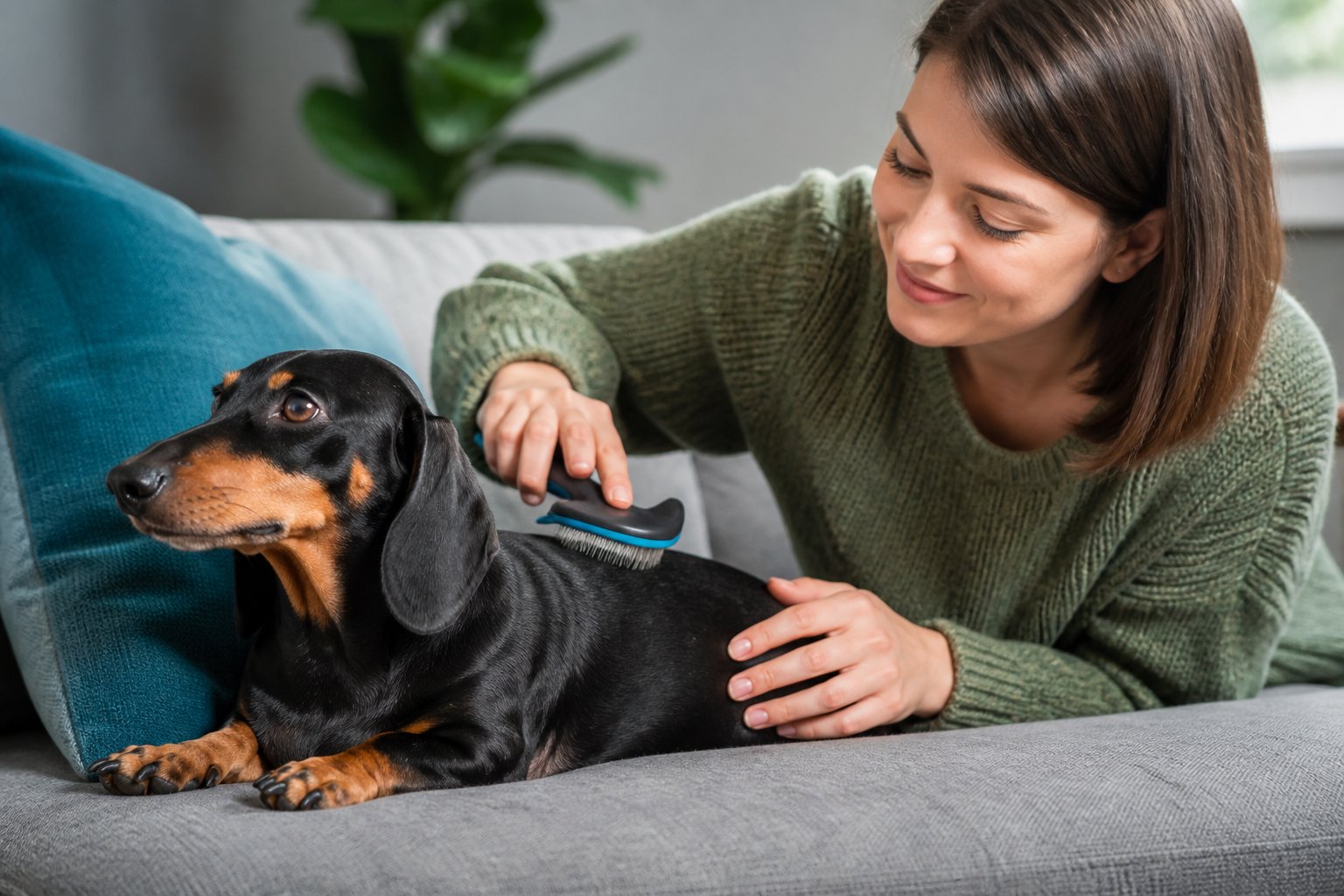
You might think that owning a dog with short hair means you are off the hook for grooming. Then you notice your favorite navy blue sofa is covered in tiny, needle-like hairs that seem to weave themselves into the fabric. Short-haired breeds like Labradors, Boxers, and Beagles may not get long tangles, but they certainly shed. At BaxterBoo, we know that the right tool makes the difference between a house full of fur and a tidy home. This guide will help you understand the specific needs of a short coat and how to pick the right equipment. We will cover everything from rubber curry brushes to soft bristles. Choosing the right brush is about more than just cleaning. It is about keeping your pet's skin healthy and their coat shining.
Why Short-Haired Dogs Need a Brushing Routine
Many pet owners assume that because a dog has short hair, it does not need a regular grooming schedule. This is a common mistake. Short-haired dogs often have a high turnover of skin cells and hair. Without a brush to pull that debris away, it sits against the skin. This can lead to irritation or a dull, dusty-looking coat. Brushing is also the best way to distribute sebum. Sebum is the natural oil produced by your dog's skin. When you brush, you move those oils from the skin down the hair shaft. This provides a natural waterproof barrier and a healthy glow.
Regular grooming sessions also serve as a wellness check. When you run a brush over your dog's body, you feel for things that do not belong. You might find a new lump, a small tick, or a patch of dry skin. Short-haired dogs are particularly prone to environmental allergies that show up as red spots on the belly or paws. Catching these early makes treatment much easier.
Quick Answer: The best brush for most short-haired dogs is a rubber curry brush or a soft bristle brush. These tools lift loose hair and distribute natural skin oils without scratching the skin. For dogs with thick undercoats, a de-shedding tool used once a week is highly effective.
Understanding Your Dog's Specific Coat Type
Not all short hair is created equal. Before you buy a brush, you need to feel your dog's coat. There are generally two categories of short hair: smooth coats and dense short coats.
Smooth-coated dogs have hair that lies very flat against the skin. Think of a Greyhound, a Boxer, or a Doberman Pinscher. These dogs usually have a single layer of hair. They do not have a soft, fuzzy undercoat. For these breeds, you want a tool that is very gentle. Their skin is often sensitive because there is not much padding between the hair and the nerves.
Dense short-haired dogs are different. Breeds like Labradors, Corgis, and Pugs have a double coat. They have a visible outer layer of hair and a thick, soft underlayer. This underlayer is what usually ends up on your carpet. These dogs need a tool that can reach through the top layer to pull out the dead fluff underneath.
Key Takeaway: Match your tool to the coat density rather than just the hair length. Smooth coats need massage and shine. Dense coats need deep hair removal.
The Benefits of the Rubber Curry Brush
The rubber curry brush is arguably the most important tool for any short-haired dog owner. These brushes are usually made of soft, flexible rubber with rounded nubs. They do not have sharp metal pins. This makes them very safe for dogs who are nervous about grooming.
When you use a rubber brush, you should move it in a circular motion. This mimics a massage. The rubber nubs create a tiny amount of static electricity that helps "grab" the loose hair. It also helps loosen dry skin and dirt. Because the material is soft, you can use it on sensitive areas like the legs and the neck without worrying about scratches.
Another secret to the rubber brush is its use during bath time. You can use it to scrub shampoo deep into the coat. This helps the soap reach the skin where the dirt and oils live. It also helps the hair fall out in the tub rather than on your rug later that evening. At our warehouse, we often recommend this as the first tool for any new puppy owner. Explore our dog grooming collection for brushes and bath-time supplies.
Using Bristle Brushes for a Professional Finish
Once you have removed the loose hair with a rubber tool, a bristle brush provides the finishing touch. Bristle brushes come with different levels of firmness. For a short-haired dog, look for a soft to medium bristle.
The primary job of a bristle brush is to "polish" the hair. The closely packed bristles pick up fine dust and dander that a rubber brush might miss. More importantly, they are excellent at moving those natural oils we mentioned earlier. After a few minutes of brushing with a soft bristle tool, your dog's coat will look significantly shinier.
If your dog has very sensitive skin or has recently recovered from an allergy flare-up, a soft bristle brush is the kindest option. It provides a soothing sensation. Many dogs find this part of the grooming process very relaxing. It is a great way to bond with your pet at the end of a long day.
Dealing with Heavy Shedding and the Undercoat
If you own a Labrador or a Pug, you know that the "short hair" label is a bit of a trick. These dogs shed a massive amount of fur. For these heavy shedders, a standard brush might not be enough during the spring and fall. This is when a de-shedding tool becomes necessary.
Tools like the FURminator are designed specifically for these coats. They have a fine metal edge that reaches under the topcoat. It gently pulls out the dead hair from the underlayer before it falls out on its own. However, you must use these with a light touch. Because short-haired dogs have less "cushion," pressing too hard can cause "brush burn." This is a red, irritated patch of skin.
You should only use these heavy-duty tools once or twice a week. Over-brushing with a metal de-shedder can actually damage the healthy guard hairs. Always check the skin frequently while you work. If the skin looks pink or irritated, stop immediately. For another option, consider the Coastal Safari Short Hair Shedding Dog Comb, which is designed for short to medium hair.
Vet Tip: If you notice your dog is shedding excessively and has patches of hair loss or very itchy skin, consult your veterinarian. These can be signs of underlying issues like hypothyroidism or allergies. Our pharmacy carries FDA-approved treatments for skin conditions and allergies through our partnership with Pet's Choice, which can help manage these chronic issues.
Grooming Mitts for Sensitive or Nervous Dogs
Some dogs see a traditional brush and immediately run for the hills. This is often because they had a bad experience with a sharp metal pin brush in the past. For these pets, a grooming mitt is a perfect solution. A grooming mitt is a glove with rubber nubs on the palm.
To your dog, it just feels like you are petting them. You can use long, sweeping strokes over their back and sides. This is an excellent way to get a nervous dog used to the idea of being groomed. It is also very effective for reaching tricky spots like the belly and the back of the thighs.
Grooming mitts are also great for removing hair from furniture. If you see a patch of fur on your armchair, you can simply wipe it with the glove. The rubber nubs will gather the hair into a pile that is easy to throw away.
Step-by-Step: How to Properly Brush Your Short-Haired Dog
To get the best results, you should follow a consistent routine. This makes the process faster and ensures you do not miss any spots.
Step 1: Check the skin for lumps or pests. / Before you start brushing, run your hands over your dog's body. Look for ticks, scratches, or red spots that might be sore.
Step 2: Use the rubber curry brush in circles. / Start at the neck and work toward the tail. Move the brush in small circles to loosen the hair and dirt.
Step 3: Brush in the direction of hair growth. / Switch to your bristle brush. Use long, firm strokes following the way the hair naturally grows. This smooths everything down and adds shine.
Step 4: Wipe down with a damp cloth. / After brushing, a quick wipe with a damp microfiber cloth or a grooming wipe will pick up any remaining stray hairs and dust.
Step 5: Reward your pet. / Give a small treat and plenty of praise. You want your dog to look forward to this time together.
Seasonal Changes and Shedding Cycles
Short-haired dogs go through "blowing coat" phases just like long-haired dogs. This usually happens twice a year as the seasons change. In the spring, they shed their heavy winter undercoat to prepare for the heat. In the fall, they shed their summer coat to make room for thicker fur.
During these times, you may need to increase your brushing frequency. Brushing daily for ten minutes can significantly reduce the amount of vacuuming you have to do. This is also a good time to check your flea and tick prevention. As the weather warms up, pests become more active. Read more about managing seasonal shedding in this guide to dog shedding cycles.
If your dog spends a lot of time outdoors, they may also pick up more dander and environmental allergens during the spring. Frequent brushing helps remove pollen from the coat before your dog licks it off or tracks it onto your bed.
Managing Skin Health and Allergies
The condition of your dog's coat is often a reflection of their internal health. A dull, dry, or brittle coat can be a sign that something is wrong. Sometimes it is a nutritional deficiency. Other times, it is an environmental allergy.
Short-haired dogs are particularly prone to "atopy," which is a skin reaction to things like grass, dust mites, or mold. If you see your dog constantly licking their paws or scratching their armpits, brushing alone will not fix it.
We recommend talking to your vet about prescription diets or allergy medications if the skin looks inflamed. Our pharmacy provides access to these specialized products through our Pet's Choice partnership. Using a medicated shampoo alongside your regular brushing routine can help soothe the skin and restore the coat's natural barrier. For prescription options, explore our pet pharmacy.
Bottom line: Brushing is your first line of defense for skin health, but it must be paired with proper medical care if your dog has chronic itching or redness.
Tips for Making Grooming Enjoyable
If your dog hates being brushed, do not force a long session right away. Start with just thirty seconds of brushing while they eat a high-value treat. Gradually increase the time as they become more comfortable.
Always stay calm and use a soft voice. Dogs are very sensitive to our energy. If you are frustrated and rushing, they will feel that tension. Try to make grooming a part of your "winding down" time in the evening.
Choose a location that is comfortable for both of you. For a small dog, you might find it easier to put them on a sturdy table with a non-slip mat. For a large dog, sitting on the floor with them is usually best. Make sure you have all your tools within reach before you start. Positive reinforcement can also help make bath time easier, as explained in these dog bathing tips.
Choosing Quality Over Convenience
It is tempting to pick up the cheapest brush at a grocery store, but quality materials matter. Cheap plastic bristles can have sharp, unfinished edges that scratch the skin. Lower-quality rubber can be stiff and uncomfortable.
At BaxterBoo, we handpick every grooming tool we carry to ensure it meets a high standard. We look for ergonomic handles that are easy on your wrists. We look for durable materials that will not crack or lose their shape after a few months of use. Investing in a good brush now will save you money in the long run and make the experience better for your dog. You can also browse our selection of BASS Brushes products for grooming tools with durable designs.
Essential Tools for Your Grooming Kit
Beyond just a brush, a few other items will make your short hair grooming routine much easier.
- A high-quality nail clipper or grinder.
- A set of grooming wipes for quick clean-ups.
- A gentle, soap-free shampoo.
- A microfiber towel for drying after baths.
- A flea comb for checking for tiny pests.
Having these items on hand in a dedicated grooming bag makes it easy to stay consistent. Consistency is the secret to a dog that always looks like they just stepped out of a professional salon.
Conclusion
Brushing your short-haired dog is one of the simplest ways to improve their quality of life and keep your home clean. Whether you choose a rubber curry brush for a relaxing massage or a bristle brush for a shiny finish, the key is a regular routine. This process helps you monitor your pet's health, manage shedding, and strengthen your bond. If you notice persistent skin issues or need professional-grade preventives, remember that our pharmacy is here to help through our partnership with Pet's Choice. We have been helping pet owners find the right gear since 2006, and we want to make sure you have everything you need for a happy, healthy pet.
Visit our dog brushes and combs category to find the perfect brush for your short-haired companion. You can even sign up for our Autoship programme to ensure you never run out of your favorite grooming wipes or shampoos.
FAQ
How often should I brush my short-haired dog?
Most short-haired dogs benefit from a thorough brushing at least once or twice a week. If your dog has a dense undercoat or is going through a seasonal shedding period, you might want to brush them every other day. Regular sessions keep the coat shiny and prevent the buildup of loose hair around your home.
Can I use a slicker brush on a short-haired dog?
You should be very careful with slicker brushes on short-haired breeds. Slicker brushes have fine, sharp wire pins that are designed to reach through long, thick fur. On a short-haired dog, these pins can easily reach the skin and cause scratches or irritation. If you must use one, choose a "soft" slicker and use extremely light pressure.
What is the best way to remove loose hair during a bath?
A rubber curry brush is the most effective tool for removing hair in the tub. While the coat is soapy, use the rubber brush in circular motions to lift the dead hair and work the shampoo down to the skin. This significantly reduces the amount of shedding once the dog is dry and prevents the hair from clogging your drain.
Why does my dog's skin look dry after I brush them?
If you see white flakes or dry skin after brushing, you might be using a tool that is too harsh or brushing too frequently. It could also be a sign that your dog needs more omega fatty acids in their diet. Try switching to a softer bristle brush and consult your vet about skin supplements or specialized foods that support coat health.






