
 Save 15% on your 1st Autoship learn more

 Email us
 Live Chat
 FAQs
FAQs





Introduction
You lean in for a pup kiss and catch a whiff of something that smells like a dumpster in mid-July. Bad breath is often the first sign that plaque and tartar are taking over your dog's mouth. At BaxterBoo, we know that keeping those pearly whites clean is about more than just a fresh-smelling greeting. It is a fundamental part of their overall wellness. This post covers the most effective ways to scrub away buildup and prevent gum disease at home. We will also help you understand when it is time to call in the professionals. Our goal is to give you the practical tools you need to manage your dog's oral hygiene. Proper dental care can lead to a longer and more comfortable life for your best friend.
The Gold Standard: Manual Brushing
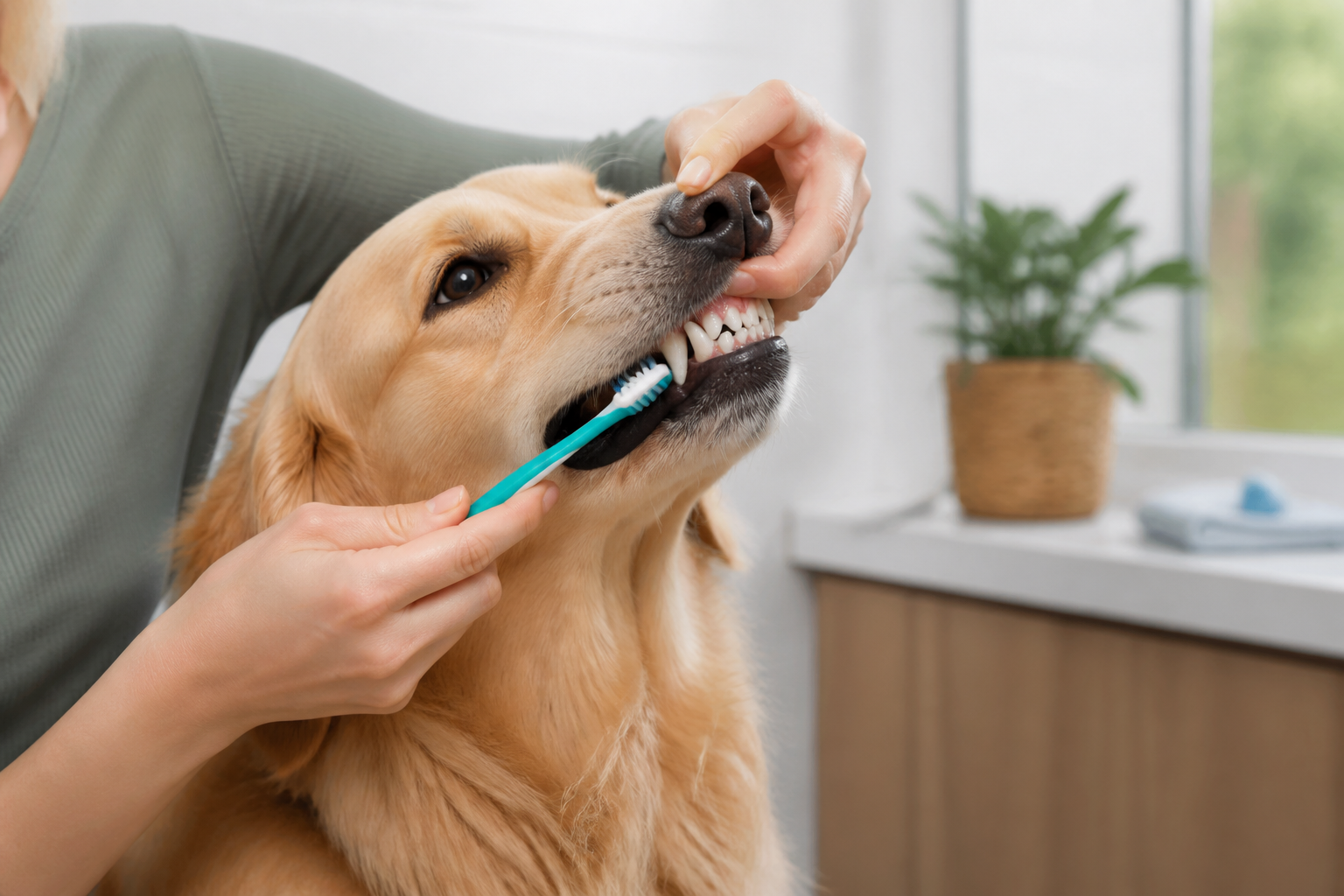
Brushing is the single most effective way to keep your dog's teeth clean. It works exactly like it does for humans. The mechanical action of the bristles physically breaks up plaque before it can harden into tartar. Tartar is like concrete for the teeth. Once it forms, a simple brush usually cannot remove it.
You must use a toothpaste made specifically for dogs. Human toothpaste often contains fluoride or xylitol. Both of these ingredients are toxic to dogs. Pet toothpastes come in flavors like poultry, beef, or peanut butter. These flavors make the experience much more enjoyable for your dog. They are also safe for your dog to swallow since dogs do not know how to spit. For additional guidance, read these top pet dental care tips.
Quick Answer: The most effective way to clean a dog's teeth is through daily brushing with pet-safe enzymatic toothpaste. This physically removes plaque and uses enzymes to break down bacteria before tartar can form.
Choosing the Right Tools
Not all dogs have the same mouth shape or comfort level. You might need to try a few different tools to see what works.
- Finger Brushes: These are small silicone caps with soft bristles that fit over your index finger. They offer excellent control and are often less intimidating for puppies.
- Dual-Headed Brushes: These have long handles and two sets of bristles. They allow you to clean the top and bottom surfaces of the teeth at the same time.
- Electric Toothbrushes: Some dogs tolerate the vibration of a pet-specific electric brush. The extra movement can help remove more debris in less time.
How to Start a Brushing Routine
Do not expect to do a full cleaning on the first day. It takes time for a dog to get used to the sensation of someone touching their teeth.
Step 1: Let them lick the toothpaste off your finger to get used to the taste.
Step 2: Gently rub your finger along their gums and teeth without any brush.
Step 3: Introduce the brush with a small amount of paste and focus only on the front teeth.
Step 4: Gradually work your way toward the back molars over several sessions.
Bottom line: Daily brushing is the best defense against dental disease, even if you only manage to brush for thirty seconds.
Dental Chews and Treats
Many owners find brushing difficult because their dog is wiggly or resistant. This is where dental chews become very useful. These treats are designed with specific textures and shapes. As your dog chews, the treat scrapes against the surface of the tooth. This mechanical action helps rub away plaque. You can explore our dog dental care category for chews, gels, and water additives.
Look for products that carry the Veterinary Oral Health Council (VOHC) seal. This seal means the product has been tested and proven to reduce plaque or tartar by a certain percentage. Not all treats that claim to clean teeth actually do the work. The VOHC seal is a reliable way to verify those claims.
We carry several trusted brands like Greenies and Redbarn that offer effective chewing options. These treats are more than just a snack. They are a functional part of a dental routine. However, you must monitor the calories. Dental treats can be high in calories, so you may need to adjust your dog's daily meal portions.
Key Takeaway: Dental chews work through mechanical scraping and are most effective when used daily as a supplement to brushing, not a total replacement.
The Role of Dental Toys
Toys can be a fun and passive way to maintain oral health. Rubber toys with grooves, nubs, or ridges are excellent for this purpose. When a dog bites down on these textures, the rubber massages the gums and cleans the base of the teeth. Browse our dog toys to find options designed for chewing and play.
Rope toys can also act like dental floss. As the fibers slide between the teeth, they can help dislodge food particles. However, you must supervise your dog with rope toys. If they start to shred and swallow the fibers, it can cause a dangerous intestinal blockage.
What to Avoid in Toys
Avoid toys that are harder than the teeth themselves. A good rule of thumb is the "fingernail test." If you cannot make a small indent in the toy with your fingernail, it might be too hard. Items like cow hooves, hard nylon bones, and stones can cause painful tooth fractures.
- Look for toys made by KONG or RC Pets that feature dental ridges.
- Avoid tennis balls for heavy chewers, as the fuzz can actually wear down tooth enamel over time.
- Check toys regularly for signs of wear and tear to prevent choking hazards.
Water Additives and Oral Gels
If your dog absolutely refuses to let you near their mouth, water additives and gels are a great backup. These products usually contain enzymes or ingredients like chlorhexidine. They work by changing the chemistry of the mouth to make it harder for bacteria to stick to the teeth.
Water additives are very simple to use. You just add a capful to your dog's water bowl each time you refill it. It helps freshen breath and reduces the bacterial load in the saliva. Oral gels are applied directly to the gum line. Your dog's tongue moves the gel around their mouth as they lick, coating the teeth in protective enzymes.
While these products are helpful, they do not provide the mechanical scrubbing that brushing or chewing offers. Think of them as a mouthwash for dogs. They are a great finishing touch to a larger dental plan. For more ideas, read about warning signs of dental disease in dogs.
Vet Tip: If your dog has red, swollen gums or bleeds when chewing, schedule a veterinary exam before starting a new dental routine. These can be signs of advanced periodontal disease that needs professional treatment.
Diet and Dental Health
What your dog eats every day has a significant impact on their teeth. There is a long-standing debate about wet food versus dry food. Generally, dry kibble is slightly better for teeth because it requires more chewing. Some standard kibble can provide a small amount of scraping action as it breaks apart.
However, most regular kibble crumbles too quickly to do much real cleaning. This is why many veterinarians recommend specific dental diets. These prescription foods have a unique kibble structure. The fibers are aligned in a way that the tooth sinks into the kibble before it breaks. This ensures maximum contact with the tooth surface.
Prescription Diets and Our Pharmacy
For dogs with a history of rapid tartar buildup, a prescription diet might be necessary. Brands like Farmina Vet Life and Royal Canin offer specialized dental formulas. These diets are specifically designed to manage oral health through both mechanical and chemical means.
Our pet pharmacy offers prescription pet foods and medications through our partnership with Pet's Choice. If your veterinarian recommends a specific dental diet, you can easily fulfill that need through us. We also carry FDA-approved medications that your vet might prescribe if your dog is dealing with a mouth infection or severe gum inflammation.
Key Takeaway: Diet is a 24/7 factor in oral health. Specialized dental kibble can significantly slow the return of plaque after a professional cleaning.
Natural Solutions and Veggies
Some owners prefer to use fresh, whole-food options to help clean teeth. Certain crunchy vegetables can provide a safe and low-calorie way to scrub the teeth.
Carrots are a classic example. They are firm and require a lot of crunching, which can help rub away surface debris. Sliced apples (without seeds) can also be a healthy, crunchy snack. These options are great for dogs that need to watch their weight but still need the dental benefits of chewing.
The Raw Bone Debate
Raw meaty bones are often suggested as a natural way to clean teeth. In the wild, canines clean their teeth by gnawing on bone and cartilage. However, this comes with risks in a domestic setting.
- Never feed cooked bones. Cooking makes bones brittle. They can splinter and pierce the digestive tract.
- Choose the right size. The bone should be larger than your dog's mouth so they cannot swallow it whole.
- Supervise always. Watch for any signs of aggressive chewing that could lead to a broken tooth.
Bottom line: Crunchy vegetables are a safe, low-calorie supplement for dental health, but they cannot replace the thoroughness of a mechanical cleaning.
Professional Veterinary Cleanings
Despite our best efforts at home, most dogs will eventually need a professional cleaning. This is similar to the cleaning you get at the dentist, but with one major difference. Dogs must be under general anesthesia for a thorough cleaning.
Anesthesia allows the veterinarian to clean below the gum line. This is where the most dangerous bacteria live. It also allows the vet to take dental X-rays. Since a large portion of the tooth is hidden under the gums, X-rays are the only way to see if the roots are healthy or if there is a hidden abscess.
Anesthesia-Free Cleanings
You may see advertisements for "anesthesia-free" dental cleanings. While these might make the teeth look white and shiny, they are often purely cosmetic. They cannot address the bacteria under the gum line, and they do not allow for a full exam of the mouth. Most veterinary experts agree that these procedures can provide a false sense of security while hidden disease continues to progress.
If you are worried about anesthesia, talk to your vet. They will perform blood work beforehand to ensure your dog is healthy enough for the procedure. Modern anesthesia is very safe, and the benefits of a healthy, pain-free mouth far outweigh the risks for most pets.
Vet Tip: Annual professional dental exams are the best way to catch oral tumors or cracked teeth that might not be visible during home brushing sessions.
Warning Signs of Dental Disease
It is important to know when home cleaning is no longer enough. If your dog has progressed to advanced periodontal disease, brushing might actually be painful for them. You should watch for these signs:
- Extremely foul breath that does not improve after brushing.
- Yellow or brown crust (tartar) near the gum line.
- Gums that look red, swollen, or bleed easily.
- Dropping food while eating or chewing on only one side of the mouth.
- Loss of appetite or pawing at the face.
If you see these signs, it is time for a veterinary visit. Once infection sets in, it can travel through the bloodstream and affect the heart, liver, and kidneys. Maintaining the mouth is truly about protecting the whole body.
Building a Sustainable Routine
Consistency is more important than perfection. If you cannot brush every day, aim for three times a week. Supplement the days you miss with a high-quality dental chew or a dental toy.
Step 1: Commit to a brushing schedule that fits your lifestyle.
Step 2: Swap one regular treat a day for a VOHC-approved dental chew.
Step 3: Add an oral health water additive to their daily water bowl.
Step 4: Schedule an annual dental check-up with your veterinarian.
By combining these methods, you create multiple layers of protection. This "multi-modal" approach is the most effective way to keep your dog's teeth clean for years to come. We are here to help you find the right supplies to make this routine as easy as possible. If dental products are part of your regular routine, consider our Autoship programme.
Summary of Dental Cleaning Methods
| Method | Benefit | Effort Level |
|---|---|---|
| Brushing | Highest effectiveness; removes plaque | High; requires daily commitment |
| Dental Chews | Mechanical scraping; dogs love them | Low; just give as a treat |
| Dental Toys | Passive cleaning during play | Low; supervise for safety |
| Water Additives | Reduces bacteria and freshens breath | Very Low; add to water bowl |
| Professional Cleaning | Deep cleaning under the gum line | Professional; once a year |
Maintaining your dog's oral health does not have to be an overwhelming chore. It is a series of small habits that add up to big results. Whether you start with a finger brush or a bag of dental treats, every step you take helps prevent pain and illness. At BaxterBoo, we have been helping pet parents care for their dogs since 2006. We have the expertise to help you choose the right products for your dog's specific needs.
If your dog needs specialized care, remember that our pharmacy is ready to help with prescription diets and medications through our partnership with Pet's Choice. Keeping those teeth clean is a team effort between you, your vet, and your trusted suppliers.
Bottom line: A combination of home brushing, functional chews, and professional veterinary care is the only way to ensure your dog's mouth stays healthy and pain-free.
FAQ
Can I use human toothpaste on my dog?
No, you should never use human toothpaste for your dog. Most human brands contain fluoride, sodium lauryl sulfate, or xylitol, which are toxic if swallowed. Dog-specific toothpaste is designed to be swallowed safely and comes in flavors that make the process easier for your pet.
How often should I clean my dog's teeth?
Daily brushing is the gold standard for dog dental care. If that is not possible, aim for at least three times per week to prevent plaque from hardening into tartar. Supplementing with dental chews and toys on the days you do not brush can also help maintain oral hygiene.
Do dental chews actually work?
Yes, high-quality dental chews can be very effective at reducing plaque and tartar buildup. To ensure you are getting a product that works, look for the Veterinary Oral Health Council (VOHC) seal on the packaging. These products have undergone testing to prove their dental benefits.
Why does my dog need anesthesia for a dental cleaning?
Anesthesia is necessary because dogs will not sit still for the deep cleaning required under the gum line. It also allows the veterinarian to perform a full mouth exam and take X-rays safely. Without anesthesia, it is impossible to address the bacteria and decay that hide beneath the surface.






