Save 15% on your 1st Autoship learn more

 Email us
 Live Chat
 FAQs
FAQs





Introduction
You are sitting on the living room floor when you hear that telltale gurgle from your dog's stomach. Maybe they have been a bit gassy lately. Or perhaps you are dealing with loose stools after a round of antibiotics. Many pet owners find themselves in this exact spot. You want to help your dog feel better, and you have heard that probiotics are the answer. At BaxterBoo, we talk to dog owners every day who want to know exactly what is safe to pull from the fridge or buy from the shelf. This post covers the best natural food sources, the difference between prebiotics and probiotics, and how to choose a high-quality supplement. Understanding how to support your dog’s microbiome can lead to better digestion and a stronger immune system.
Quick Answer: You can give your dog probiotics through natural foods like plain Greek yogurt, kefir, or raw goat milk. For more targeted support, high-quality canine supplements containing strains like Enterococcus faecium are often more effective than human foods.
Understanding Probiotics for Dogs
Probiotics are living, beneficial bacteria and yeasts that live in your dog’s digestive tract. We often call these "good" bacteria because they help balance the gut environment. They compete with harmful bacteria for space and nutrients. This helps keep your dog's system in harmony.
A dog's gut holds about 70 percent of their immune system. When the balance of bacteria is off, you might notice digestive upset or even skin issues. This balance can be disrupted by stress, illness, or medications. Giving your dog a boost of these friendly microbes can help restore order. For more targeted options, explore our dog digestive health collection.
The Role of the Microbiome
The microbiome is the collection of all the microscopic organisms living in your dog's body. These bacteria do more than just digest food. They actually help manufacture vitamins and minerals. They also produce short-chain fatty acids that protect the lining of the intestines.
When you ask what you can give your dog for probiotics, you are looking for ways to support this tiny ecosystem. It is not just about fixing a temporary stomach ache. It is about building long-term health from the inside out.
Natural Food Sources of Probiotics
Many owners prefer to start with whole foods. These are often things you already have in your kitchen. However, you must be careful about portions and ingredients.
Plain Greek Yogurt and Kefir
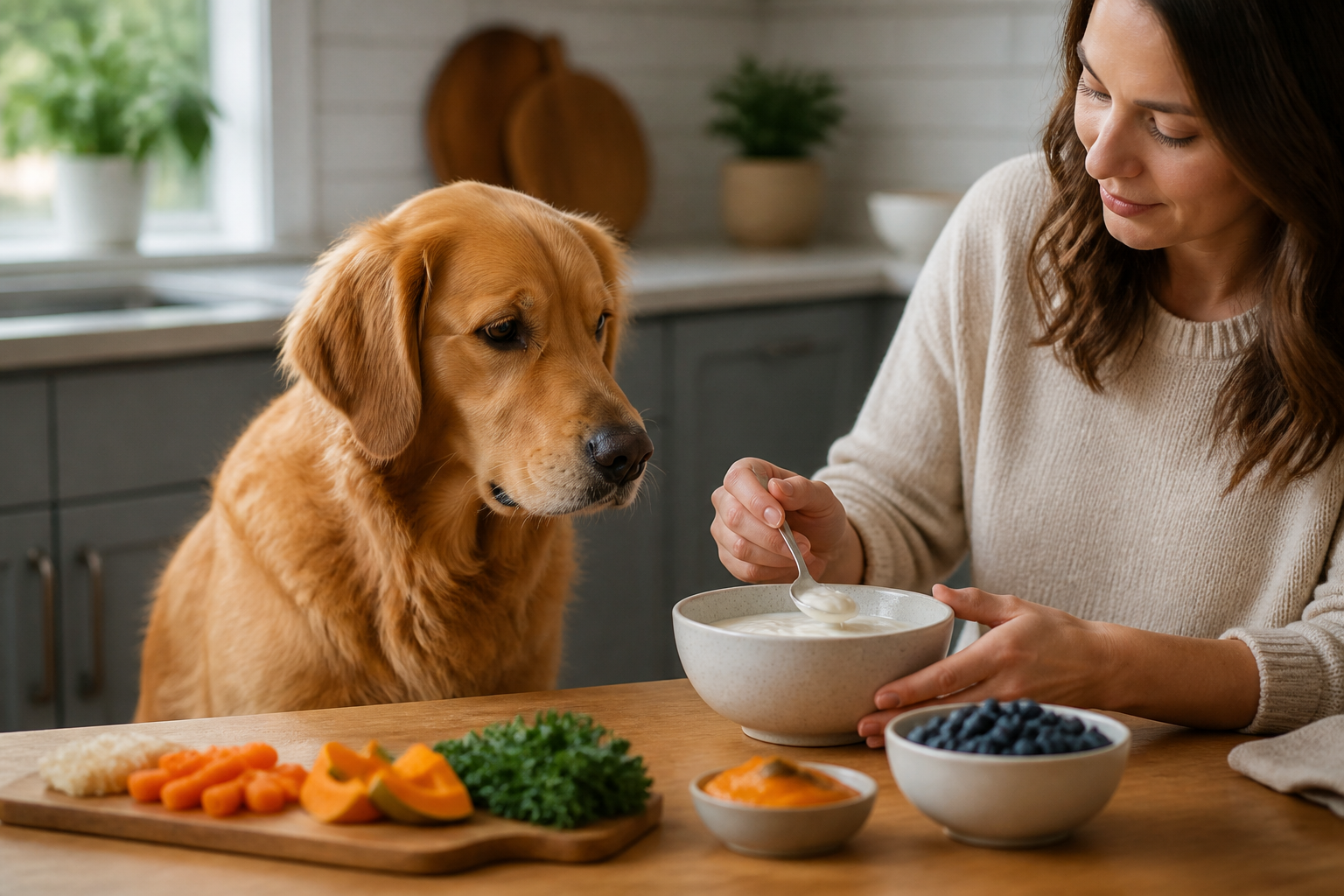
Yogurt is the most famous source of probiotics for humans and dogs alike. It contains live cultures like Lactobacillus acidophilus. If you choose yogurt, it must be plain and unsweetened. Never feed yogurt with fruit additives or "low fat" versions that might use artificial sweeteners.
Kefir is another excellent option. It is a fermented milk drink that often contains even more strains of bacteria than yogurt. Many dogs find it easier to digest than regular cow's milk. Start with a very small amount to ensure it does not cause gas.
Raw Goat Milk
Goat milk is often called "universal milk" because it is highly digestible for many species. It is packed with natural probiotics and enzymes. It is also less likely to cause the mucus or congestion issues sometimes linked to cow's milk. You can find raw goat milk in our freeze-dried pet food collection or as a freeze-dried topper.
Fermented Vegetables
Sauerkraut is a surprising but powerful probiotic source. It must be the refrigerated, "live" kind, not the shelf-stable canned version. It is loaded with Lactobacillus bacteria. If your dog enjoys the taste, a teaspoon mixed into their food provides a massive boost of beneficial microbes.
Key Takeaway: Natural foods like yogurt and goat milk are great for maintenance, but they might not contain enough "colony-forming units" (CFUs) to fix a significant digestive issue.
Prebiotics: The Fuel for Probiotics
You cannot talk about probiotics without mentioning prebiotics. Think of probiotics as the "good bugs" and prebiotics as the "food" those bugs eat. Without prebiotics, the probiotics may not survive long enough to do their job.
Prebiotics are types of fiber that your dog cannot digest. Instead, they pass through to the lower gut where the good bacteria ferment them. This process creates a healthy environment for the microbiome to thrive.
Common Prebiotic Foods for Dogs
- Pumpkin: Plain canned pumpkin (not pie filling) is a gold mine of prebiotic fiber.
- Bananas: These contain inulin, a specific prebiotic that stimulates good bacteria.
- Sweet Potatoes: These provide steady fiber and important vitamins.
- Apples: Sliced apples (without seeds) offer pectin, which supports gut lining.
Vet Tip: Always consult your veterinarian before starting a new supplement routine, especially if your dog has a chronic condition like IBD or a weakened immune system. They can help you determine the correct strain and dosage for your dog's specific needs.
When Should You Give Your Dog Probiotics?
There are specific times when a probiotic boost is most helpful. You do not always need to give them every single day if your dog is healthy and eating a balanced diet.
During and After Antibiotics
Antibiotics are life-saving, but they are "scorched earth" for the gut. They kill the bad bacteria causing the infection, but they also kill the good bacteria. This often leads to diarrhea. Giving a probiotic during the course of antibiotics (usually a few hours after the medication dose) can help maintain some balance.
High-Stress Situations
Stress directly impacts the gut. If you are planning to board your dog or move to a new house, their digestion might suffer. Starting a probiotic a few days before the event can prevent "stress colitis" or nervous stomach issues. For additional guidance, read our pet supplement guide.
Transitioning to New Food
Even the best quality food can cause an upset stomach if you switch too fast. Probiotics help the gut adapt to new proteins and fiber levels. We recommend using them whenever you introduce a new brand or formula from our warehouse. You can also review our guide to digestive upset and food changes.
Choosing a Canine Probiotic Supplement
While human yogurt is fine as a treat, it is not always the best medical solution. Dogs have a different gut pH than humans. They also have different dominant bacterial strains. Our probiotic supplement selection includes powders, chews, capsules, and food toppers.
Strains to Look For
When reading a supplement label, look for these specific names:
- Enterococcus faecium: This is a powerhouse strain for dogs that helps with stool quality.
- Lactobacillus acidophilus: Great for general immune support.
- Bifidobacterium animalis: specifically helpful for reducing the duration of diarrhea.
- Bacillus coagulans: A very hardy strain that survives the trip through the stomach.
CFU Count and Guaranteed Analysis
CFU stands for Colony Forming Units. This tells you how many live bacteria are in each dose. For a healthy dog, 1 to 5 billion CFUs is a standard maintenance dose. If your dog is recovering from illness, your vet might recommend 10 billion or more.
Always check for a "Guaranteed Analysis" on the packaging. This ensures that the bacteria are actually alive at the time of purchase. Some cheaper brands only list the ingredients at the time of manufacture.
The Role of the BaxterBoo Pharmacy
Sometimes, over-the-counter probiotics are not enough. If your dog has a chronic condition like inflammatory bowel disease or severe allergies, they may need prescription-strength support.
Through our partnership with Pet's Choice, we offer a full-service pharmacy. We carry FDA-approved medications and prescription diets that are specifically formulated for gut health. If your vet prescribes a therapeutic diet like Royal Canin Gastrointestinal or Farmina Vet Life, we can help you manage those needs. This ensures your dog gets the exact nutritional balance they need to recover. You can explore our pet pharmacy when your veterinarian recommends a prescription option.
Signs of a Serious Gut Issue
Probiotics are helpful, but they are not a cure-all. You should see a vet if you notice:
- Blood in the stool
- Persistent vomiting
- Extreme lethargy
- Weight loss despite eating
- A belly that feels hard or painful to the touch
How to Introduce Probiotics Safely
Adding too many "good" bacteria too fast can actually cause the very symptoms you are trying to fix. Gas and bloating are common if you start with a full dose on day one.
The Slow Introduction Method
Step 1: Start with a quarter dose. / Give this amount for two or three days to see how their stomach reacts.
Step 2: Watch the stool quality. / If the stool stays firm, move up to a half dose.
Step 3: Reach the full recommended dose. / Complete the transition over the course of a full week.
If at any point your dog gets gassy or has loose stools, go back to the previous dose. Their body just needs a little more time to adjust.
DIY Probiotic Treat Recipes
If your dog is picky about pills or powders, you can make your own probiotic treats at home. This is a great way to use some of the natural foods mentioned earlier.
Frozen Yogurt and Pumpkin Drops
These are perfect for a hot day and provide both probiotics and prebiotics.
- Mix one cup of plain Greek yogurt with half a cup of plain pumpkin puree.
- Add a tiny pinch of cinnamon (avoid nutmeg, which is toxic).
- Spoon the mixture into an ice cube tray or silicone mold.
- Freeze until solid.
- Give one "drop" per day as a healthy snack.
Goat Milk Toppers
If your dog eats dry kibble, it can be very dehydrating. Adding a splash of raw goat milk or a sprinkle of a probiotic powder from our health and wellness section can make the meal more appealing. It also adds that much-needed moisture and bacterial support.
Side Effects and Precautions
Most dogs tolerate probiotics very well. However, every dog is an individual.
Dairy Intolerance
Many adult dogs are lactose intolerant. While yogurt and kefir have less lactose than straight milk, they can still cause issues for some. If your dog gets diarrhea after eating yogurt, stop immediately. You may want to try a soil-based probiotic or a dairy-free powder instead.
The "Die-Off" Effect
When you introduce new, healthy bacteria, they start to kill off the bad bacteria. This can release toxins into the system. It sounds scary, but it is a normal biological process. Your dog might seem a little extra gassy or slightly sluggish for 24 to 48 hours. This should pass quickly.
Bottom line: Probiotics are generally very safe, but starting slow is the best way to avoid temporary gas or bloating.
Managing Senior Dog Gut Health
As dogs age, their digestive systems become less efficient. They might not absorb nutrients as well as they used to. Senior dogs often benefit from a daily probiotic and enzyme supplement. Our dog healthcare collection includes digestive enzymes, probiotics, and other wellness products.
Joint Health and the Gut
There is a strong link between gut health and inflammation. A healthy gut can help reduce overall inflammation in the body. This is why many owners see improvements in mobility when they address their senior dog's digestion. We often recommend pairing a good probiotic with joint supplements like Cosequin or Honest Paws for a holistic approach to senior care.
Cognitive Support
Research into the "gut-brain axis" shows that gut health impacts mental clarity. For senior dogs showing signs of cognitive decline, keeping the gut microbiome balanced may help them stay more alert and less anxious.
Probiotics for Puppies
Puppies have very sensitive stomachs. They are constantly exploring the world with their mouths. This means they are exposed to all sorts of bacteria and parasites.
A gentle probiotic can help a puppy build a strong immune foundation. It is especially helpful during the weaning process or when they receive their first round of vaccinations. Always choose a product specifically labeled for puppies to ensure the dosage is correct for their smaller size.
Why Quality Matters
It is tempting to pick up the cheapest bottle on the shelf, but with probiotics, quality is everything. Heat and moisture can kill the bacteria before the bottle even leaves the factory.
We take great care in how we store and ship our supplements at BaxterBoo. We choose brands like Zesty Paws, NutriSource, and Stella and Chewy's because they have high standards for stability. When you order from us, you know the product has been kept in a temperature-controlled environment.
Storage Tips for Home
- Keep it cool: Many probiotics last longer if kept in the refrigerator.
- Keep it dry: Moisture is the enemy of probiotic powders.
- Check dates: Expired probiotics are rarely harmful, but they are likely useless.
Final Steps for a Healthy Gut
If you are ready to start your dog on a gut health journey, start with the basics. Look at their current food. Is it providing enough fiber? If not, add a little pumpkin or a prebiotic topper. Then, choose a probiotic source that fits your lifestyle.
Whether you prefer the convenience of a chew or the natural benefits of raw goat milk, the goal is consistency. It can take three to four weeks to see a real change in your dog's skin, coat, and energy levels.
Our Autoship programme is a great way to make sure you never run out of your dog's favorite supplements. You save on every order and get free MVP Gold membership. This makes it easy to keep that microbiome in peak condition year-round.
Summary of Probiotic Options
| Type | Examples | Best For |
|---|---|---|
| Natural Dairy | Plain Greek Yogurt, Kefir | Daily maintenance, healthy dogs |
| Natural Non-Dairy | Sauerkraut, Green Tripe | Dogs with dairy allergies |
| Prebiotic Fiber | Pumpkin, Sweet Potato | Feeding existing good bacteria |
| Commercial Chews | Zesty Paws, Honest Paws | Convenience, picky eaters |
| Powders | Purina FortiFlora, Bionic Biotic | High CFU counts, serious issues |
| Prescription | Royal Canin GI Diet | Chronic illness, vet-managed care |
Conclusion
Finding the right probiotic for your dog does not have to be a guessing game. Start by identifying why your dog needs support. Is it for general wellness or a specific issue like "antibiotic tummy"? Once you know the goal, you can choose between kitchen staples like yogurt or powerful supplements from our warehouse.
- Start with small amounts of plain, unsweetened foods.
- Look for specific canine strains like Enterococcus faecium.
- Pair probiotics with prebiotic fiber for the best results.
- Monitor your dog's stool and energy for improvements.
Key Takeaway: A healthy gut leads to a healthy dog. By focusing on the microbiome, you are supporting their immunity, skin, and mood.
If your dog is struggling with ongoing digestive issues, the best next step is to check out our Health and Wellness collection or speak with your vet about a prescription option from our Pharmacy. Keeping your pet's system in balance is one of the best ways to ensure a long, happy life together.
FAQ
Can I give my dog human probiotic capsules?
While human probiotics are generally not toxic to dogs, they are often ineffective. Dogs have different types of bacteria in their intestines and a much more acidic stomach. Canine-specific supplements are formulated to survive the dog's digestive process and provide the specific strains they need.
How long does it take for probiotics to start working?
For acute issues like diarrhea from stress, you might see results in two or three days. For chronic issues like skin allergies or long-term digestive sensitivity, it usually takes three to four weeks of daily use. Consistency is the most important factor in seeing a real change.
Can a dog have too many probiotics?
It is very difficult to "overdose" on probiotics, but giving too much too fast can cause temporary upset. If a dog eats a whole bag of probiotic chews, they might experience vomiting or diarrhea. Always follow the weight-based dosage instructions on the packaging.
Is pumpkin a probiotic?
No, pumpkin is a prebiotic. It does not contain live bacteria itself. However, it is rich in the type of fiber that serves as food for the good bacteria already in your dog's gut. Adding pumpkin to a probiotic supplement makes the supplement much more effective.