
 Save 15% on your 1st Autoship learn more

 Email us
 Live Chat
 FAQs
FAQs





Introduction
You lean in for a morning snuggle and your dog greets you with a yawn that clears the room. It is a common moment for many of us. While we often joke about dog breath, that distinctive odor is usually the first sign that your dog needs a better dental routine. At BaxterBoo, we have spent years helping pet owners find the right tools to keep their dogs healthy from head to tail. We know that dental care can feel like a chore, but it is one of the most important things you can do for your pet's long term wellness.
This guide explores the various items you can give your dog to scrub away plaque and prevent tartar buildup. We will cover everything from dental chews and specialized toys to water additives and natural snacks. By the end of this article, you will have a clear plan to improve your dog's oral hygiene using products that fit your lifestyle.
The Most Effective Items for Dog Dental Care
When you start looking for ways to clean your dog's teeth, the options can be overwhelming. It is helpful to categorize these items by how they work. Some rely on mechanical scraping to remove plaque. Others use enzymes or chemical barriers to stop bacteria from sticking to the enamel. Using a combination of these methods usually yields the best results.
Quick Answer: The most effective things you can give your dog to clean his teeth are VOHC-approved dental chews, rubber dental toys, and dog-specific toothpaste. These items work by physically scraping plaque off the teeth and using enzymes to break down bacteria.
Professional Grade Dental Chews
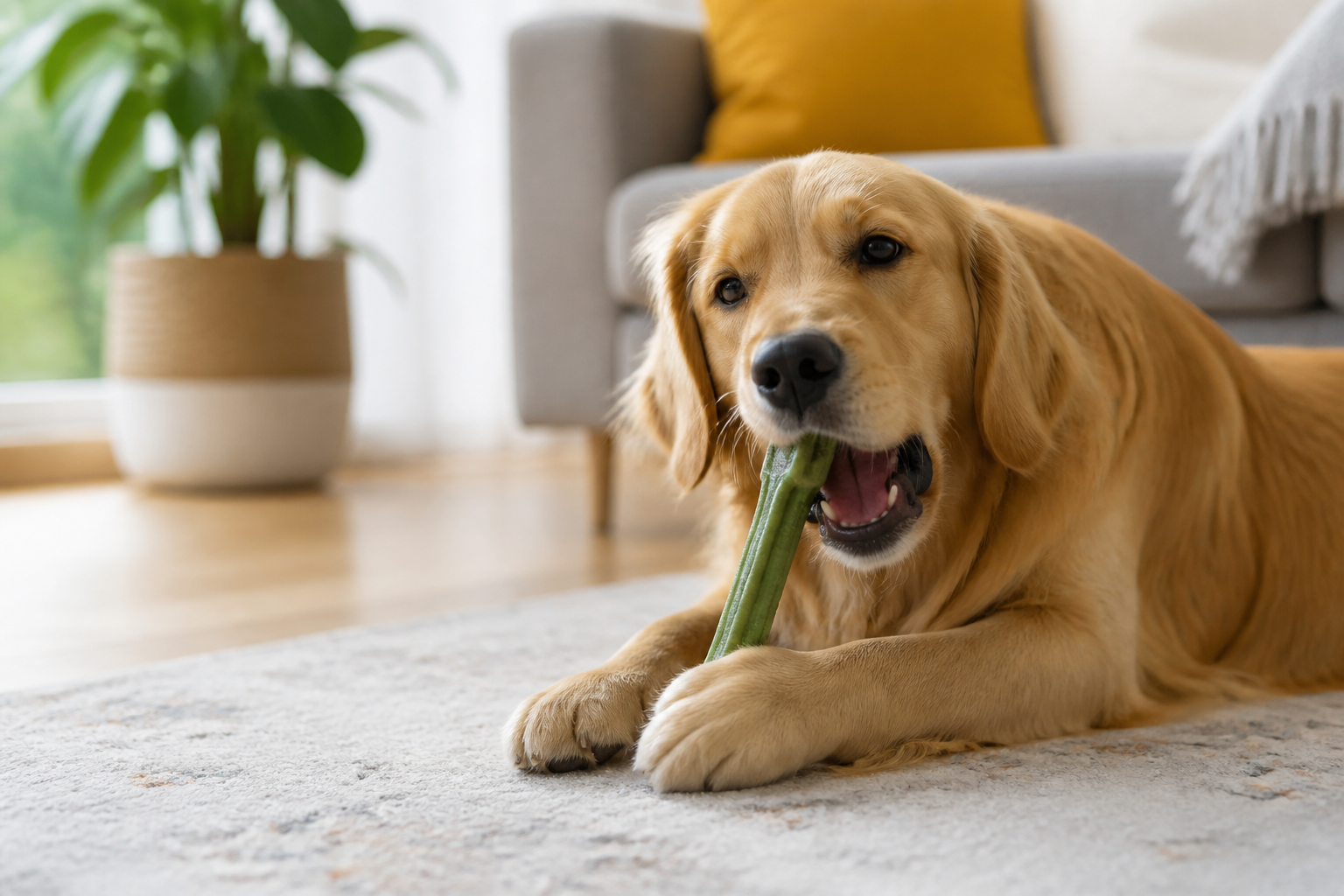
Dental chews are the most popular choice for a reason. Most dogs view them as a high value treat, which makes the cleaning process stress-free for you. These chews are designed with a specific texture that allows the dog's teeth to sink into the material. As the dog chews, the edges of the treat scrape against the surface of the tooth all the way down to the gumline.
When shopping for chews, look for the Veterinary Oral Health Council (VOHC) seal. This seal means the product has undergone testing to prove it actually reduces plaque or tartar. Brands like Greenies are famous for this, but many other high quality options exist. You can explore our dental treats for dogs to compare different textures and formats. We recommend choosing a size that is appropriate for your dog's weight. A chew that is too small can be swallowed whole, which poses a choking risk and provides zero dental benefits.
Sculpted Rubber Toys
If your dog is a "power chewer" who finishes treats in seconds, dental toys are a better investment. Companies like Kong produce toys with ridges, nubs, and grooves specifically designed to massage gums and clean teeth. These toys work through mechanical action. As your dog gnaws on the rubber, the textures rub away the soft plaque before it has a chance to harden into tartar.
To make these toys even more effective, you can smear a small amount of dog-safe toothpaste into the grooves. This encourages the dog to chew more intensely while delivering cleaning agents directly to the teeth. It is a great way to handle dental care for dogs that do not enjoy having a brush in their mouth.
Water Additives and Oral Rinses
For some dogs, the act of chewing is painful or difficult due to age or existing dental issues. In these cases, you might wonder what you can put in their water to help. Water additives are flavorless liquids that you mix into your dog's daily drinking bowl. They contain enzymes and minerals that help break down the biofilm on the teeth and freshen breath from the inside out.
While additives are not a replacement for brushing, they are a fantastic supplement. For a brushless option, consider OxyFresh Pet Dental Water Additive. They work well for households with multiple dogs or for owners who struggle to keep up with a daily brushing schedule. Just make sure the additive is formulated specifically for dogs, as some human mouthwashes contain xylitol, which is highly toxic to pets.
Natural Food Options for Dental Health
Many owners prefer to use whole foods to help maintain their dog's smile. While no food can replace a professional cleaning, certain snacks do provide a natural abrasive action.
Raw Carrots and Apples
Raw carrots are a fantastic, low calorie snack that doubles as a toothbrush. Because carrots are quite hard, a dog has to do a lot of chewing to break them down. This chewing action helps scrub the surface of the molars. Similarly, apple slices (without the seeds or core) provide a fibrous texture that can help clean the teeth.
Key Takeaway: Natural snacks like carrots and apples are great for supplementary cleaning, but they do not reach the gumline effectively. Use them as healthy rewards rather than your primary dental strategy.
The Bone Debate
Giving a dog a bone to clean his teeth is a tradition as old as pet ownership itself. However, it is important to distinguish between different types of bones.
- Raw Meaty Bones: These are often recommended by advocates of raw feeding. The soft cartilage and connective tissue can help clean teeth without the risk of splintering.
- Cooked Bones: Never give your dog cooked bones from your dinner table. Cooking makes bones brittle and prone to splintering, which can cause internal punctures or blockages.
- Hard Marrow Bones and Antlers: While these are popular, they are often harder than the dog's tooth enamel. We frequently see dogs with fractured "slab" fractures on their carnassial teeth from chewing on items that are too hard.
Vet Tip: To test if a bone or chew is too hard for your dog, use the "kneecap rule." If it would hurt if you hit yourself on the kneecap with it, it is likely too hard for your dog's teeth.
The Reality of Brushing at Home
We often hear from customers at our warehouse in Vernon Hills that brushing a dog's teeth feels impossible. However, it remains the gold standard for pet oral health. Nothing else can remove plaque from the gumline as effectively as a brush. If you can commit to brushing just three times a week, you can significantly extend the time between professional veterinary cleanings.
For additional guidance on getting started, read our pet dental care tips.
Choosing the Right Paste
You must never use human toothpaste for your dog. Our toothpaste contains foaming agents and fluoride intended to be spit out. Dogs swallow everything you put in their mouth, and these ingredients can cause severe upset stomach or toxicity. Dog toothpaste is formulated to be swallowed and usually comes in flavors like poultry, beef, or peanut butter to make the experience more enjoyable for the pet.
A dog-specific option is Virbac C.E.T. Enzymatic Pet Toothpaste, which is formulated for companion animals.
A Step-by-Step Guide to Brushing
If your dog is not used to the process, you have to move slowly. Do not expect to brush the whole mouth on the first day.
Step 1: Introduce the flavor. / Put a small dab of dog toothpaste on your finger and let your dog lick it off. Do this for a few days until they get excited when they see the tube.
Step 2: Touch the teeth. / While they lick the paste, gently lift their lip and rub your finger along their gums. This gets them used to the sensation of something moving in their mouth.
Step 3: Introduce the brush. / Use a finger brush or a long handled dog toothbrush. Focus only on the outside of the upper teeth at first. Most plaque accumulates here.
Step 4: Increase the duration. / Slowly work your way toward the back of the mouth. You do not need to worry about the inside surface of the teeth, as the dog's tongue does a decent job of keeping that area clean.
Bottom line: Brushing is the only way to reach the bacteria hiding under the gumline, so try to make it a positive, rewarded part of your routine.
When Home Care is Not Enough
Even with the best at home routine, most dogs will eventually need professional help. This is especially true for smaller breeds, which often have crowded teeth that trap food and bacteria more easily. If you notice your dog has persistent bad breath, bleeding gums, or yellow brown buildup that does not come off with brushing, it is time for a veterinary visit.
For more information about warning signs, read how to recognize signs of bad teeth in dogs.
Prescription Dental Diets
If your vet discovers early signs of gum disease, they may recommend a prescription dental diet. These are not your average kibbles. The pieces are much larger and have a fibrous matrix that does not shatter when the dog bites into it. Instead, the tooth sinks into the kibble, which wipes away plaque like a squeegee.
Our pharmacy at BaxterBoo offers these prescription diets through our partnership with Pet's Choice. Because these foods are formulated to manage a specific health condition, you will need a prescription from your veterinarian to order them. We carry trusted brands like Royal Canin Dental and Farmina Vet Life to ensure your dog gets high quality nutrition while managing their oral health. You can browse our dog pharmacy for prescription products.
Professional Cleanings
A professional dental cleaning at the vet is very different from what we do at home. These procedures are performed under general anesthesia. This allows the vet to take X-rays to check for bone loss or abscesses under the gums and to scale away hardened tartar that a toothbrush cannot touch.
Vet Tip: If your dog is reluctant to eat, drops food while chewing, or paws at his face, he may be experiencing dental pain. Consult your veterinarian immediately rather than trying to fix the issue with treats or chews.
Supporting Your Dog's Health Through the Pharmacy
Managing a dog's dental health often goes beyond just toys and treats. For pets with chronic gum inflammation or recurring infections, your vet might prescribe specific medications. This is where the BaxterBoo pharmacy becomes a valuable resource for pet owners. Through our partnership with Pet's Choice, we provide access to FDA-approved medications that your dog may need following a dental procedure, such as antibiotics or pain relief.
We also carry supplements that support the immune system and oral microbiome. For example, brands like Zesty Paws or Honest Paws offer products that may help support a healthy inflammatory response in the gums. While these supplements are not a cure for dental disease, they can be a helpful part of a broader wellness plan.
The Benefit of Autoship and MVP Rewards
Keeping up with dental care requires consistency. You do not want to run out of dental chews right when your dog is finally getting used to them. Setting up our Autoship programme for your favorite dental treats and toothpaste ensures you always have supplies on hand. Plus, it saves you money on every order and grants you a free MVP Gold membership. Our MVP Rewards program allows you to earn up to 5% back on these purchases, making it easier to afford the high quality products your dog deserves.
Identifying the Signs of Dental Disease
As a responsible pet owner, you should periodically check your dog's mouth for warning signs. Early detection can save your dog from significant pain and save you from expensive surgery costs later.
- Halitosis: Extremely foul breath that persists even after eating.
- Gingivitis: A thin red line along the gums where they meet the teeth.
- Calculus: Hard, brown or yellow crusty buildup on the teeth.
- Behavioral Changes: Whining while chewing, preferring soft food over hard food, or being "head shy" when you try to pet them.
- Receding Gums: Teeth that look longer than they used to because the gum tissue is pulling away.
If you see these signs, do not wait. Dental infections can lead to bacteria entering the bloodstream, which may eventually affect the heart, liver, and kidneys. Prevention is always more effective than a cure, but early treatment is the next best thing.
Understanding the Role of Diet in Oral Hygiene
There is a long standing myth that feeding dry kibble is enough to keep a dog's teeth clean. While it is better than a diet of exclusively soft wet food, standard kibble usually crumbles too easily to provide much cleaning action. Most dogs swallow small kibble whole or break it into pieces that do not actually scrub the teeth.
If you want to use food as a tool, you should look for kibble that is specifically shaped for dental health or use the prescription diets mentioned earlier. You can also look into brands like Stella and Chewy's or The Honest Kitchen, which offer minimally processed options that may contribute to a healthier oral environment. We have curated a wide selection of over 500 brands to ensure you can find a diet that supports every aspect of your dog's health.
Key Takeaway: Diet is one part of the puzzle, but never rely on kibble alone to clean your dog's teeth. Think of it as a foundation for the more active cleaning methods like brushing and chews.
Creating a Sustainable Dental Routine
The best dental item in the world is useless if it stays in the cupboard. To help your dog, you need a routine that you can actually maintain. For many owners, this looks like a "layered" approach:
- Daily: A VOHC-approved dental chew or a quick session with a dental toy.
- Every Other Day: Brushing the upper molars with flavored toothpaste.
- Ongoing: A water additive in the daily drinking bowl.
- Annually: A dental checkup with the veterinarian to look for hidden issues.
This approach covers all the bases. It provides mechanical cleaning, enzymatic support, and professional oversight. At BaxterBoo, we have been helping pet owners build these routines since 2006. We believe that knowledgeable care is the best gift you can give your pet.
Conclusion
Keeping your dog's teeth clean is a vital part of being a pet parent. Whether you choose to use dental chews, rubber toys, or the gold standard of brushing, your efforts will lead to a happier and healthier life for your dog. Remember to look for the VOHC seal and avoid items that are hard enough to break a tooth.
- Start slow with brushing to build trust.
- Use dental chews that are the correct size for your dog.
- Incorporate natural snacks like carrots for extra scrubbing.
- Consult your vet for professional cleanings and prescription diets.
Bottom line: Consistency is the secret to a healthy mouth, so find the combination of products that your dog loves and stick with them.
If you are ready to start your dog's new dental routine, check out our dental and breath care collection. For those managing existing dental conditions, talk to your vet about our pharmacy options. We are here to help you every step of the way with expert advice and the best products on the market.
FAQ
Can I give my dog human mouthwash to clean his teeth?
No, you should never give a dog human mouthwash or toothpaste. These products often contain alcohol, detergents, and sweeteners like xylitol that are toxic to dogs. Always use a water additive or oral rinse specifically formulated for pets to ensure it is safe for them to swallow.
Do dental chews actually work as well as brushing?
Dental chews are very effective at reducing plaque and tartar on the chewing surfaces of the teeth, but they rarely reach the gumline where periodontal disease starts. Brushing remains the most effective method because the bristles can get under the gum tissue. Chews are a great supplement but should ideally be used alongside brushing.
How often should I give my dog something to clean his teeth?
For the best results, you should provide some form of dental cleaning every single day. This could be a daily dental chew, a session with a dental toy, or a quick brushing. Plaque can begin to harden into tartar within 24 to 48 hours, so consistency is the most important factor in preventing buildup.
Are bones safe for cleaning a dog's teeth?
Raw meaty bones can be effective for cleaning teeth, but they come with risks like bacterial contamination or potential blockages. Hard items like cooked bones, marrow bones, and antlers can actually cause teeth to fracture. It is often safer to stick to VOHC-approved dental chews and rubber toys that are designed to be firm yet forgiving on the teeth.






