
 Save 15% on your 1st Autoship learn more

 Email us
 Live Chat
 FAQs
FAQs





Introduction
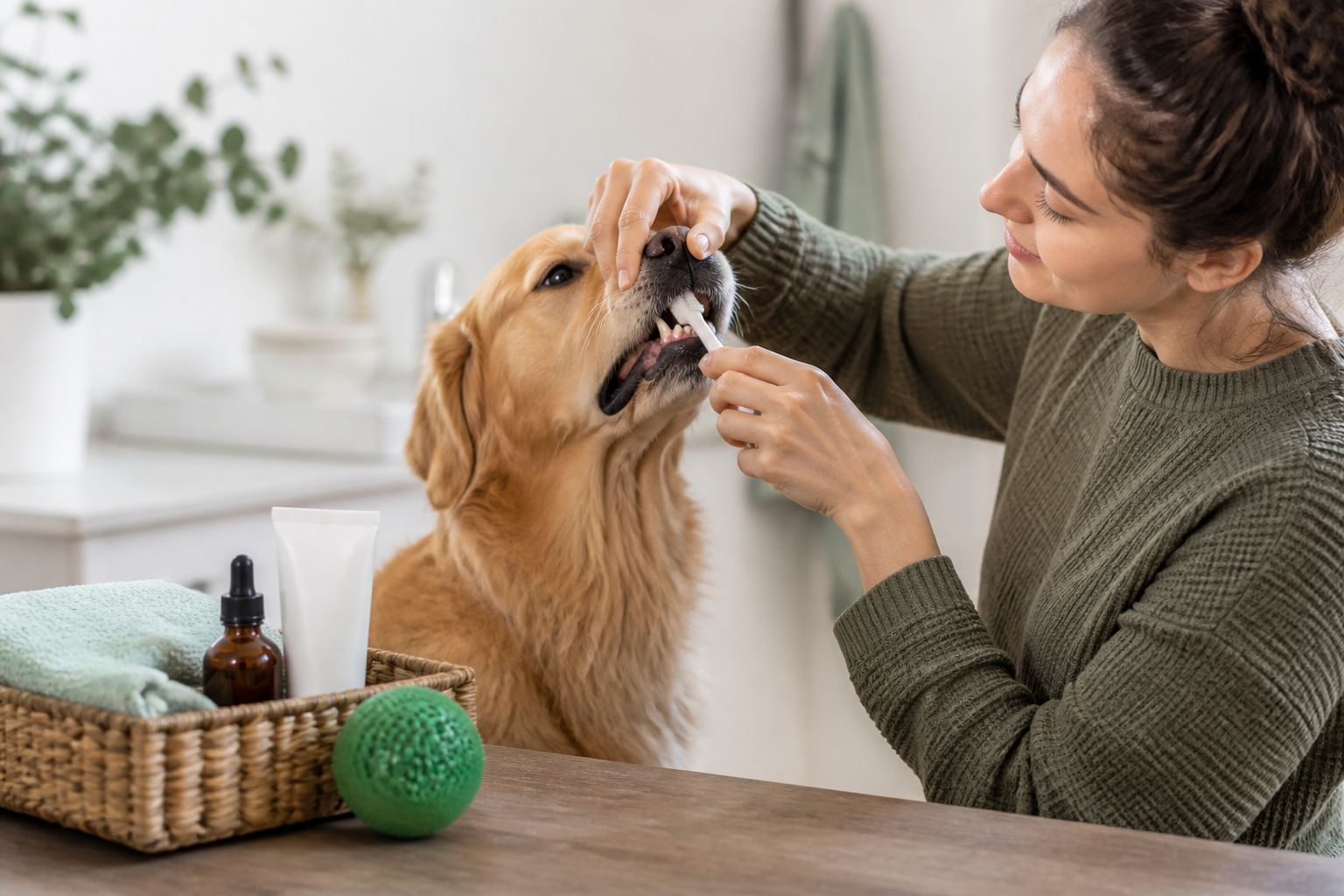
You lean in for a happy morning snuggle, but your dog lets out a yawn that nearly knocks you over. That "dog breath" is more than just a smelly quirk. It is often the first sign that plaque and tartar are taking hold on your pet's enamel. At BaxterBoo, we know that starting a dental routine can feel overwhelming if you do not know which tools are safe or effective. You might wonder if human products are okay or if a simple chew toy is enough to do the job. This post covers the most effective tools for canine dental care, from specialized brushes to enzyme-based pastes and water additives. We want to help you build a practical routine that keeps your dog healthy and their breath fresh.
Quick Answer: The most effective tool for cleaning a dog's teeth is a soft-bristled toothbrush paired with dog-specific enzymatic toothpaste. You can also use dental chews, water additives, and dental wipes to supplement brushing and reduce plaque buildup between professional cleanings.
The Right Toothbrush for the Job
When you start looking for tools, the brush is your most important piece of equipment. You cannot simply grab a spare human toothbrush from your bathroom cabinet. Human brushes often have bristles that are too stiff for a dog’s sensitive gums. They also have straight handles that make it difficult to reach the back molars where most tartar accumulates.
We recommend using a brush specifically designed for a dog's mouth. These come in several styles. A standard dog toothbrush usually has a long, angled handle. This helps you reach the very back of the mouth without overextending your dog's jaw. Many of these brushes feature a dual-head design. One end has a large brush for the big teeth in front, while the other end has a tiny brush for the small teeth at the back.
Finger brushes are another popular option. These are small silicone or rubber caps that slide over your index finger. They have soft nubs or bristles on one side. Many owners find these easier to use because they offer more control. If your dog is nervous about a long plastic stick in their mouth, a finger brush feels more like a natural petting motion.
Choosing the Best Brush Style
- Dual-Headed Brushes: Best for large breeds with deep mouths.
- Finger Brushes: Ideal for puppies or small dogs who are sensitive to touch.
- Three-Sided Brushes: These wrap around the tooth to clean the top, front, and back all at once.
- Electric Toothbrushes: Some dogs tolerate the vibration, which can provide a deeper clean.
Key Takeaway: Match the size and style of the brush to your dog's mouth size and comfort level to make the process smoother for both of you.
Safe Toothpaste Options
The most critical rule of dog dental care is to never use human toothpaste. Most human toothpastes contain fluoride and xylitol. Xylitol is an artificial sweetener that is highly toxic to dogs, even in small amounts. Since dogs do not know how to spit, they swallow everything you put on the brush.
Dog-specific toothpastes are formulated to be swallowed safely. They also come in flavors that dogs actually enjoy, such as poultry, beef, or peanut butter. This turns the cleaning process into a treat rather than a chore. Most of these products are enzymatic. This means they contain enzymes that help break down plaque chemically even after you stop brushing.
If you are in a pinch, you can create a basic paste at home. A mixture of one tablespoon of coconut oil and a pinch of cinnamon can work as a temporary solution. Coconut oil has mild antimicrobial properties and most dogs love the taste. However, this does not replace the power of a formulated enzymatic paste for long-term health.
Vet Tip: If you notice your dog has extremely red gums, bleeding, or loose teeth, stop brushing and call your veterinarian. These are signs of advanced periodontal disease that require professional treatment rather than home cleaning.
Using Dental Chews and Treats
Not every dog will sit still for a daily brushing session. This is where our dog dental care collection becomes a valuable part of your toolkit. These treats are designed with a specific texture that helps scrape away plaque as the dog chews. The mechanical action of the teeth sinking into the chew helps clean down to the gum line.
When shopping for chews, look for the Veterinary Oral Health Council (VOHC) seal of approval. This seal indicates that the product has been tested and proven to reduce plaque or tartar by a certain percentage. We carry several trusted brands like Greenies dental treats and Merrick that offer these functional treats.
Chews should be used as a supplement to brushing, not a total replacement. While they do a great job on the chewing surfaces of the molars, they often miss the incisors and canines at the front of the mouth. Also, be mindful of the calorie count. Dental treats are still treats, and they should be factored into your dog’s daily food intake to prevent weight gain.
What to Look for in a Dental Chew
- Firmness: It should be firm enough to provide resistance but not so hard that it could break a tooth.
- Size: Choose a chew that matches your dog's weight. A chew that is too small can be a choking hazard.
- Ingredients: Look for digestible ingredients and avoid products with excessive fillers or artificial dyes.
- Longevity: A chew that lasts at least five to ten minutes provides the best mechanical cleaning action.
For additional guidance, read these pet dental care tips.
Water Additives and Oral Gels
For dogs that are particularly difficult to handle, water additives and oral gels offer a "hands-off" approach. A water additive is a liquid that you pour into your dog's water bowl. It contains ingredients that help kill bacteria and freshen breath every time they take a drink. This is an excellent way to maintain oral health in multi-dog households.
Oral gels are applied directly to the gums or teeth. You do not necessarily need to brush them in. The dog's saliva will spread the gel around the mouth. These gels are often more concentrated than water additives. They are particularly useful for senior dogs who may have sensitive gums that are too sore for a traditional brush.
While these products are convenient, they are the least effective at removing hardened tartar. They are best used as a preventative measure to keep new plaque from forming. We often suggest these for owners who have a busy schedule but still want to provide some level of daily care.
Bottom line: Water additives and gels are great for maintenance but work best when combined with occasional mechanical cleaning.
Dental Wipes for Quick Cleaning
Dental wipes are textured pads that are pre-moistened with a cleaning solution. You wrap the wipe around your finger and rub it over the surfaces of the teeth and gums. This is a middle-ground option between a finger brush and an oral gel.
Wipes are excellent for removing the "slime" or biofilm that forms on teeth after a meal. This biofilm eventually hardens into tartar if it is not removed. Wipes are very portable, making them a great tool for owners who travel with their pets. They are also less intimidating for dogs that are fearful of the bristles on a brush.
However, wipes cannot reach the deep crevices between teeth or the pockets under the gum line. If your dog has crowded teeth, like many pugs or French bulldogs, wipes might not be enough. You will likely need to use a brush or a professional dental rinse to reach those tight spaces.
The Role of Diet in Dental Health
What your dog eats every day plays a role in how clean their teeth stay. There is a common belief that all dry kibble cleans teeth, but this is not always true. Most kibble is small enough that dogs swallow it whole or it crumbles immediately upon contact. This provides very little cleaning action.
However, specific dental diets are formulated differently. These kibbles are usually larger and have a fibrous texture that does not shatter. Instead, the tooth sinks into the kibble, which gently scrapes the surface. Brands like Royal Canin and Farmina Vet Life offer specialized diets for dogs prone to dental issues.
Our dog pharmacy provides access to these prescription diets through our partnership with Pet's Choice. If your veterinarian recommends a specific medical food to manage your dog's oral health, we can help you get those orders delivered to your door. Prescription diets are often a key part of managing chronic dental disease in certain breeds.
Natural and DIY Cleaning Solutions
Some owners prefer to use natural items to help keep teeth clean. Raw vegetables like carrots and apple slices can provide some mechanical cleaning. When a dog crunches on a firm, raw carrot, the fiber helps scrub the teeth. Just be sure to remove apple seeds and cores, as these can be harmful.
Coconut oil is another favorite natural tool. It contains lauric acid, which can help reduce the bacteria that cause bad breath and gum disease. You can let your dog lick a small amount off a spoon, or use it as a base for a homemade toothpaste.
While these natural options are healthy additions to a diet, they lack the concentrated enzymes found in professional products. Use them as healthy snacks that happen to have a dental benefit, rather than your primary method of cleaning.
Key Takeaway: Natural snacks like carrots offer a mechanical scrubbing effect, but they should complement, not replace, a dedicated dental routine.
Signs Your Dog Needs Professional Care
Even with the best at-home care, most dogs will eventually need a professional cleaning. Plaque can harden into tartar (calculus) in as little as 36 to 48 hours. Once tartar has formed, it is like concrete. You cannot brush it off at home; it must be scaled off by a professional using specialized tools.
You should inspect your dog's mouth at least once a week. Look for the following warning signs:
- Yellow or brown crust near the gum line.
- Persistent bad breath that smells like rot or ammonia.
- Gums that look bright red or bleed when touched.
- Difficulty picking up food or dropping food while eating.
- Pawing at the mouth or face.
Our pharmacy carries a variety of FDA-approved medications that your vet might prescribe following a dental procedure. This includes antibiotics for infections or pain relief for extractions. Through our partnership with Pet's Choice, we make it simple to manage these health needs alongside your regular supplies.
For more warning signs, read how to recognize potential dental problems in dogs.
Step-by-Step: Introducing a New Routine
If your dog has never had their teeth cleaned, you cannot expect them to tolerate a full brushing on the first day. You need to build trust slowly. This process might take two weeks or more, depending on your dog's temperament.
Step 1: Get them used to your touch. Spend a few days just lifting their lips and touching their teeth with your bare finger. Reward them with a high-value treat immediately after.
Step 2: Introduce the taste. Put a small dab of dog toothpaste on your finger and let them lick it off. Do this for several days until they get excited when they see the tube.
Step 3: Combine touch and taste. Rub a small amount of toothpaste onto their front teeth using your finger. Keep the session under thirty seconds.
Step 4: Introduce the tool. Put toothpaste on a finger brush or a soft-bristled brush. Gently rub the large canine teeth in the front. Do not worry about the back teeth yet.
Step 5: Increase the duration. Gradually work your way toward the back molars. Aim for a total of one to two minutes of brushing.
Vet Tip: Consistency is more important than perfection. Brushing for thirty seconds every single day is much more effective than doing a "thorough" job once a month.
Managing Dental Health with BaxterBoo
Taking care of your dog's teeth is an investment in their long-term health. Dental disease is linked to more serious issues, including heart and kidney disease, because bacteria from the mouth can enter the bloodstream. We are here to help you stay ahead of these problems with the right gear and expert guidance.
When you shop with us, you can take advantage of the MVP Rewards program to earn points on every toothbrush, treat, and bottle of water additive you buy. If you find a dental chew your dog loves, our Autoship program ensures you never run out, while also giving you a discount on your orders.
We carry over 500 trusted brands, ensuring you have access to the highest quality dental supplies. Whether you need a simple finger brush or a prescription diet from our pharmacy, we are dedicated to helping your pet thrive.
Bottom line: A combination of daily brushing, functional chews, and regular veterinary checkups is the best way to ensure your dog lives a long life with a healthy smile.
Conclusion
Cleaning your dog's teeth does not have to be a stressful event. By choosing the right tools like enzymatic toothpaste, angled brushes, and VOHC-approved chews, you can significantly reduce the risk of dental disease. Remember to start slowly and keep sessions positive with plenty of rewards.
- Use dog-specific toothpaste to avoid toxicity.
- Select a brush or wipe that fits your dog's comfort level.
- Supplement with water additives or chews for a multi-layered approach.
- Watch for signs of pain or infection and consult your vet regularly.
To get started on your dog's dental health journey, explore our full collection of dog dental care products. From professional-grade brushes to delicious treats that fight tartar, we have everything you need to keep those tails wagging and breaths fresh.
FAQ
Can I use baking soda to clean my dog's teeth?
While baking soda is not toxic, it has a very salty taste that most dogs dislike, which can make them fight the brushing process. It is also quite abrasive and can wear down enamel if used too frequently or too vigorously. It is much better to use a flavored enzymatic toothpaste that is specifically formulated to break down plaque safely.
How often should I clean my dog's teeth?
Ideally, you should brush your dog's teeth every single day to prevent the formation of tartar. Plaque begins to harden into tartar within 48 hours, so skipping several days allows that buildup to become permanent. If daily brushing is not possible, aim for at least three times a week and supplement with dental chews or water additives on the off days.
Why does my dog's breath still smell after brushing?
If your dog's breath remains foul even with regular brushing, there may be an underlying health issue or advanced dental disease. Smelly breath can be caused by infections deep under the gum line, decaying teeth, or even internal issues like kidney or liver disease. You should schedule a veterinary exam to rule out these more serious conditions.
Are bones safe for cleaning a dog's teeth?
Raw, meaty bones can help scrape away plaque, but they come with significant risks like broken teeth or internal blockages if swallowed. Cooked bones should never be given as they can splinter and cause life-threatening injuries. Many veterinarians recommend safer alternatives like rubber chew toys or VOHC-approved dental treats that provide the same mechanical benefits without the danger.






