
 Save 15% on your 1st Autoship learn more

 Email us
 Live Chat
 FAQs
FAQs





Introduction
You hear the rhythmic thumping of a hind leg against the floor. Your dog is scratching again. When you run your hand along their back, you notice white flakes or a coat that feels more like straw than silk. Dry skin is a common struggle for many pets. It often points to nutritional gaps that a standard kibble might not fully fill. At BaxterBoo, we have spent years helping pet owners find the right balance between high-quality food and the extra boosts that make a real difference. This post explores the most effective ingredients you can add to your dog's bowl to soothe irritation and restore a healthy shine. We will cover oils, whole foods, and supplements that target the root cause of dryness.
Quick Answer: Adding Omega-3 fatty acids like salmon oil or plant-based options like coconut oil is the fastest way to improve dry skin. You can also mix in plain eggs for biotin or bone broth to increase essential hydration.
The Power of Omega-3 Fatty Acids
The skin is the largest organ on your dog's body. It acts as a barrier to keep moisture in and environmental irritants out. When this barrier breaks down, the result is flaking and itching. The most effective way to rebuild this barrier is through Omega-3 fatty acids. Most commercial dog foods are high in Omega-6, which is necessary but can be pro-inflammatory if not balanced. Adding a high-quality fish oil provides EPA and DHA. These specific fatty acids reduce inflammation and nourish the skin cells directly.
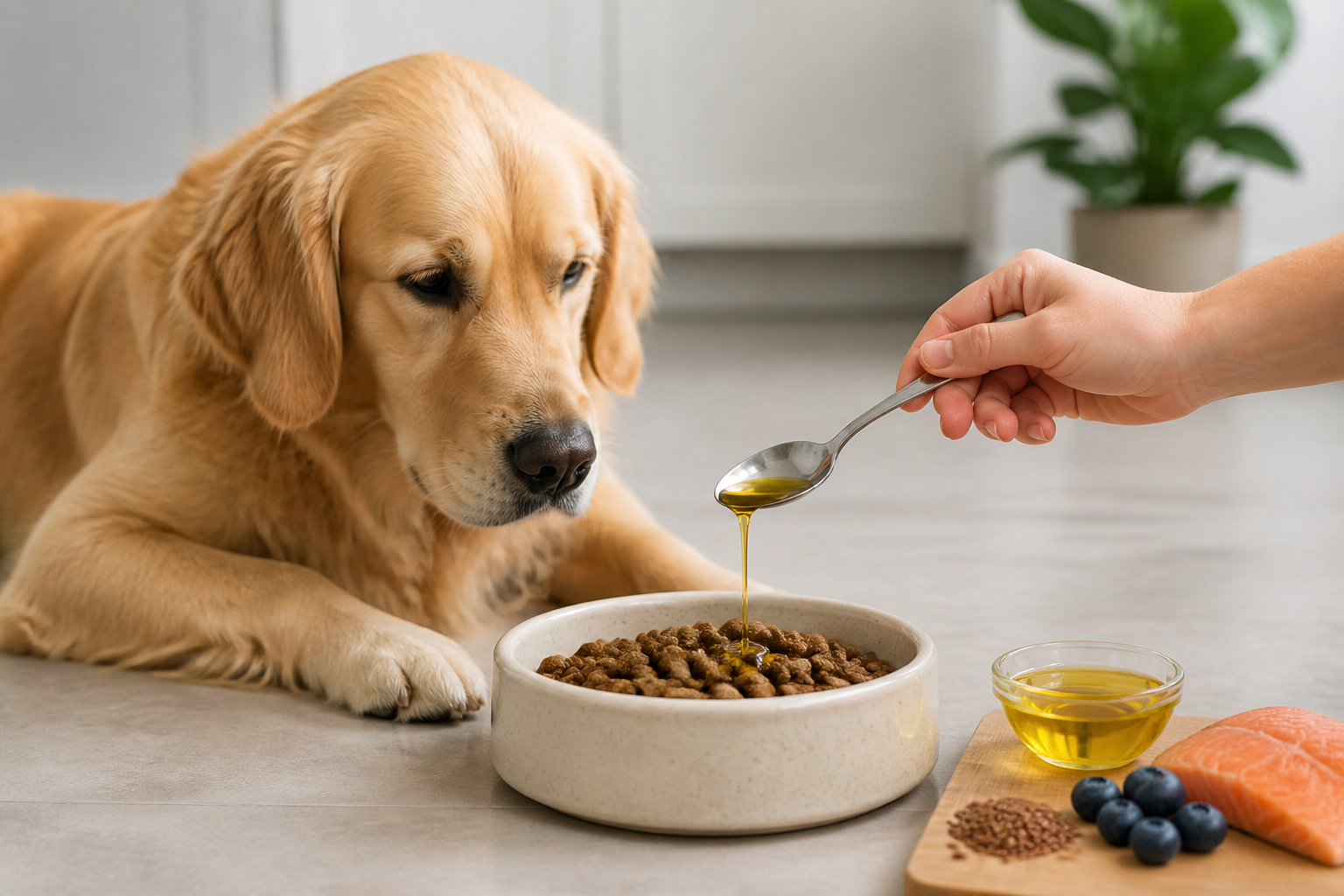
Marine oils are the gold standard for this need. Salmon oil, pollock oil, and sardine oil are excellent choices. Many pet owners prefer liquid pumps because they are easy to dose and mix well with dry kibble. If your dog is sensitive to fish, you can look at plant-based Omega-3 sources. Flaxseed oil is a common alternative. It provides Alpha-Linolenic Acid, which still supports skin hydration. However, dogs do not convert plant-based ALA to EPA and DHA very efficiently. Marine sources usually provide faster, more visible results.
For a convenient option, explore our dog skin and coat care collection, which includes oils, chews, and other supplements.
Key Takeaway: Omega-3 fatty acids are the foundation of skin health. They reduce systemic inflammation and help create a waterproof seal in the skin cells to prevent moisture loss.
Using Common Pantry Staples
You might already have some of the best skin remedies in your kitchen. Several human-grade oils and foods are safe and effective for dogs when used in moderation. Olive oil is a classic example. It is rich in Vitamin E and phytonutrients. Adding a teaspoon to your dog's meal two or three times a week can help maintain a glossy coat. It is also an excellent option for senior dogs who might need a little extra healthy fat for energy.
Coconut oil is another favorite among the staff here at our Vernon Hills warehouse. It contains medium-chain triglycerides and lauric acid. These components have natural antibacterial and antifungal properties. If your dog's dry skin is caused by a slight yeast overgrowth or environmental bacteria, coconut oil can help clear it up from the inside out. It also has the added benefit of making their breath smell much better. Most dogs love the taste and will happily lick it right off a spoon or mixed into their dinner.
- Start with a small amount to avoid digestive upset.
- Use extra virgin olive oil for the highest nutrient content.
- Look for unrefined, cold-pressed coconut oil.
- Monitor your dog's weight, as these oils add calories.
The Role of Biotin and Eggs
If you notice your dog's hair is thinning or their skin looks particularly scaly, they might need more biotin. Biotin is a B-vitamin that is crucial for the growth of hair and skin cells. One of the best sources of biotin is the humble egg. Eggs are a complete protein and contain essential fatty acids that support the skin's structural integrity.
We recommend serving eggs cooked rather than raw. While raw eggs are a popular addition to some diets, they carry a risk of salmonella. They also contain avidin, which can actually interfere with biotin absorption over long periods. A plain scrambled egg or a hard-boiled egg chopped into their food twice a week is a safe and affordable nutritional boost. This simple addition provides the building blocks for a thicker, more resilient coat.
For more guidance on choosing and introducing supplements, read our pet supplement guide.
Vet Tip: Always consult your veterinarian before adding new human foods to your dog's diet. This is especially important if your dog has a history of pancreatitis or other metabolic conditions that require a low-fat diet.
Hydration and the Moisture Barrier
Sometimes dry skin is a simple matter of dehydration. If your dog only eats dry kibble, they may not be taking in enough water to keep their skin elastic. This is particularly common in the winter months when indoor heating dries out the air. Adding moisture back into the food bowl can make a significant difference.
Bone broth is a fantastic tool for this. It is packed with collagen, which supports the skin's connective tissues. It also makes kibble more palatable for picky eaters. Ensure you use a pet-safe bone broth that does not contain onions, garlic, or high levels of salt. Another option is raw goat's milk. It is full of probiotics and moisture, making it a "superfood" for dogs with sensitive stomachs and dry skin. Even a simple splash of warm water over their kibble can help. It creates a savory gravy and ensures they get extra hydration with every bite.
Step 1: Choose your liquid. / Use plain water, pet-safe bone broth, or goat's milk.
Step 2: Add to the bowl. / Pour roughly a quarter cup of liquid over their standard serving of kibble.
Step 3: Let it soak. / Wait two minutes for the kibble to soften slightly and absorb the moisture.
Step 4: Serve immediately. / This encourages your dog to finish the entire bowl, including the skin-supporting liquid.
You can also compare different supplement formats in this guide to chews, powders, and oils for dogs.
Managing Allergies and Inflammation
Dry skin is often a symptom of an underlying allergy. Whether it is a reaction to grass, pollen, or a specific ingredient in their food, allergies cause the skin to become inflamed and itchy. When the skin is inflamed, it cannot hold onto moisture. This creates a cycle of dryness and scratching.
Quercetin is a natural compound found in many plants that can act as a natural antihistamine. It is often called "nature's Benadryl." Adding a quercetin supplement or foods rich in it, like small amounts of blueberries, can help calm the allergic response. We also see many pet owners find success with digestive enzymes. These help the body break down food more effectively. This ensures that the nutrients meant for the skin are actually absorbed rather than passing through the digestive tract.
When to Consult the BaxterBoo Pharmacy
If you have tried dietary additives and your dog is still scratching, the issue might require a medical solution. Chronic dry skin can lead to secondary infections that need professional treatment. Our pharmacy carries a wide selection of FDA-approved medications through our partnership with Pet's Choice. This includes prescription diets specifically formulated for dogs with severe skin sensitivities.
Your veterinarian might determine that your dog's dry skin is caused by a flea allergy or a hormonal imbalance like hypothyroidism. In these cases, no amount of coconut oil will fix the root cause. A prescription flea preventive or a targeted medication will be necessary. We make it easy to manage these ongoing health needs. You can have your vet's prescription sent directly to us. We will handle the rest, ensuring your dog gets the exact care they need delivered to your door.
You can browse our dog healthcare selection while discussing appropriate next steps with your veterinarian.
Key Takeaway: Dietary additives are great for wellness support, but they are not a replacement for veterinary care. If you see sores, redness, or a strong odor, it is time for a professional exam.
Probiotics and the Gut-Skin Connection
There is a strong link between your dog's gut health and their skin health. A large portion of the immune system lives in the digestive tract. If the gut bacteria are out of balance, it can lead to systemic inflammation. This inflammation often shows up first as red, itchy, or dry skin.
Adding a daily probiotic to your dog's food can help stabilize the microbiome. This is especially helpful for dogs who have been on antibiotics recently. Probiotics help the body maintain its natural defenses against environmental allergens. You can find probiotics in powder or chewable form. Some owners also use a spoonful of plain, unsweetened yogurt. However, many dogs are sensitive to dairy. If your dog has a history of stomach upset, a dairy-free probiotic supplement is a safer bet for supporting their skin from the inside out.
Explore our dog probiotic selection for powder and chewable options.
Essential Vitamins and Minerals
While healthy fats are the stars of the show, certain vitamins and minerals play a supporting role in skin health. Vitamin E is a powerful antioxidant that protects skin cells from damage. It is often added to fish oil to keep the oil fresh, but it can also be given as a standalone supplement. Zinc is another critical mineral. A deficiency in zinc can cause the skin to become thick, crusty, and prone to infection.
Most high-quality kibbles include these nutrients. However, the cooking process used for dry food can sometimes degrade the potency of these vitamins. Adding fresh whole foods can bridge that gap. Small amounts of steamed carrots or spinach provide Vitamin A, which is essential for skin repair. Just remember that these should only make up a small percentage of your dog's total daily calories.
- Vitamin A: Found in carrots and sweet potatoes, supports cell turnover.
- Vitamin E: Found in sunflower seeds and oils, protects against oxidative stress.
- Zinc: Found in meats, supports the immune response in the skin.
- B-Vitamins: Found in eggs and liver, essential for hair growth and shine.
Creating a Consistent Routine
The secret to seeing results with any food additive is consistency. Skin cells take time to regenerate. You will likely not see a change in your dog's coat after a single meal. It usually takes three to six weeks of daily supplementation to notice a difference. The skin needs to move through its natural growth cycle to show the benefits of the new nutrients.
To make this easier, we recommend setting up a "feeding station" with your most-used additives. Keep your fish oil and coconut oil in a cool, dark place near the food container. This reminds you to add them every morning or evening. Our warehouse team often suggests using the Autoship program for these types of items. It ensures you never run out of the supplements that keep your dog comfortable. Plus, you get the benefit of a discount on recurring orders and a free MVP Gold membership.
Bottom line: Patience and consistency are key when treating dry skin through nutrition.
Environmental Factors to Consider
While this article focuses on what to add to the food, it is worth noting that the environment plays a role too. If you live in a climate with very low humidity, your dog's skin will lose moisture to the air. Using a humidifier in the room where your dog sleeps can help significantly. This works in tandem with the oils you add to their food.
You should also look at your grooming routine. Over-bathing can strip away the very oils you are trying to supplement. If your dog is dirty, use a mild oatmeal-based shampoo. These are designed to soothe the skin without removing the natural moisture barrier. Between baths, regular brushing is essential. Brushing stimulates the skin's oil glands and helps distribute the natural oils across the entire coat.
For gentle bathing options, visit our dog shampoo and conditioner collection.
Transitioning to New Additives
When you decide to add something new to the bowl, go slowly. A sudden increase in fats or new proteins can cause diarrhea or gas. This is especially true with oils like salmon or coconut oil.
Step 1: Start with a quarter dose. / Give just a small amount for the first three days.
Step 2: Watch for changes. / Monitor your dog's energy and stool quality.
Step 3: Gradually increase. / If there are no issues, move to a half dose for another three days.
Step 4: Reach the full dose. / Once your dog is adjusted, stay consistent with the recommended daily amount.
Selecting High-Quality Brands
At BaxterBoo, we carefully curate the brands we carry. We look for companies that use transparent sourcing and high-quality ingredients. Brands like Zesty Paws, Grizzly, and Honest Paws offer targeted skin and coat supplements that take the guesswork out of dosing. These products often combine multiple ingredients, like fish oil and Vitamin E, into one easy-to-use format.
If you prefer a whole-food approach, look for toppers from brands like The Honest Kitchen or Stella and Chewy's. These can be rehydrated and added to dry kibble to provide that essential moisture and nutrient boost. We believe in providing value without compromise. Whether you choose a simple bottle of salmon oil or a more complex skin supplement, you can trust that it has been selected by people who truly care about pets.
For a specific oil option, consider the Zesty Paws Wild Alaskan Salmon Oil Skin & Coat Supplement.
Maintaining Freshness and Storage
The quality of the food you start with matters just as much as what you add to it. If your dog's main kibble is stale, the fats within it have likely gone rancid. Rancid fats can actually cause more inflammation and skin problems. We recommend storing dog food in a cool, dry place and keeping it in its original bag if possible. The bags are designed to protect the food from air and light.
When you add oils to the food, do not let the bowl sit out for long periods. Once exposed to the air, oils can begin to oxidize. If your dog does not finish their meal within twenty minutes, it is best to discard the leftovers. Starting fresh every time ensures that your dog gets the maximum benefit from every additive you provide.
Bottom line: Fresh ingredients and proper storage are vital for preventing the inflammation that leads to dry skin.
Summary of Effective Additives
To recap, helping your dog's dry skin involves a multi-pronged approach. You want to reduce inflammation, provide the building blocks for new skin cells, and ensure the skin stays hydrated. Most owners find that a combination of a marine oil and a moisture boost like bone broth provides the best results.
| Additive Type | Best Examples | Primary Benefit |
|---|---|---|
| Marine Oils | Salmon Oil, Pollock Oil | Provides EPA/DHA to stop itching |
| Pantry Oils | Coconut Oil, Olive Oil | Moisturizes and fights bacteria |
| Whole Foods | Plain Eggs, Pureed Pumpkin | Supplies Biotin and Vitamin A |
| Liquids | Bone Broth, Goat's Milk | Rehydrates the skin barrier |
| Supplements | Quercetin, Probiotics | Calms allergic reactions |
Conclusion
Dry skin is a signal that your dog's body needs a little extra support. By adding healthy fats, vitamins, and hydration to their daily meals, you can transform their comfort and their appearance. We are proud to offer a wide range of solutions at BaxterBoo, from expertly curated supplements to FDA-approved medications in our pharmacy. Our goal is to help you feel confident in the care you provide. Whether you are managing a simple case of seasonal dryness or a chronic skin condition, there is a path to relief. Consider starting with a high-quality salmon oil or a skin-supportive topper. Your dog will thank you for the extra care, and you will love the return of that healthy, vibrant shine.
FAQ
How long does it take to see results after adding oil to dog food?
Skin cells take time to regenerate, so you should not expect an overnight change. Most pet owners notice a visible difference in coat shine and a reduction in flaking after three to six weeks of consistent daily use. If you do not see any improvement after a month, it is worth consulting your vet to rule out other medical issues.
Can I give my dog too much salmon oil for their skin?
Yes, it is possible to over-supplement. Too much oil can lead to weight gain, loose stools, or even more serious issues like pancreatitis if the fat content is too high for your specific dog. Always follow the dosing instructions on the product label and start with a smaller amount to see how your dog reacts.
Is coconut oil better than fish oil for a dog's dry skin?
Both have benefits, but they work differently. Fish oil is higher in Omega-3 fatty acids, which are better at reducing internal inflammation and systemic itching. Coconut oil is great for its antimicrobial properties and can be used both internally and topically. For general dry skin, most experts recommend fish oil as the primary choice.
Does adding water to dry kibble really help with skin issues?
Hydration is a key component of skin elasticity and health. While water alone may not fix a nutrient deficiency, many dogs are slightly dehydrated, especially those on a purely dry food diet. Increasing their water intake through their food helps maintain the moisture barrier in their skin and makes other supplements more effective.






