
 Save 15% on your 1st Autoship learn more

 Email us
 Live Chat
 FAQs
FAQs





Introduction
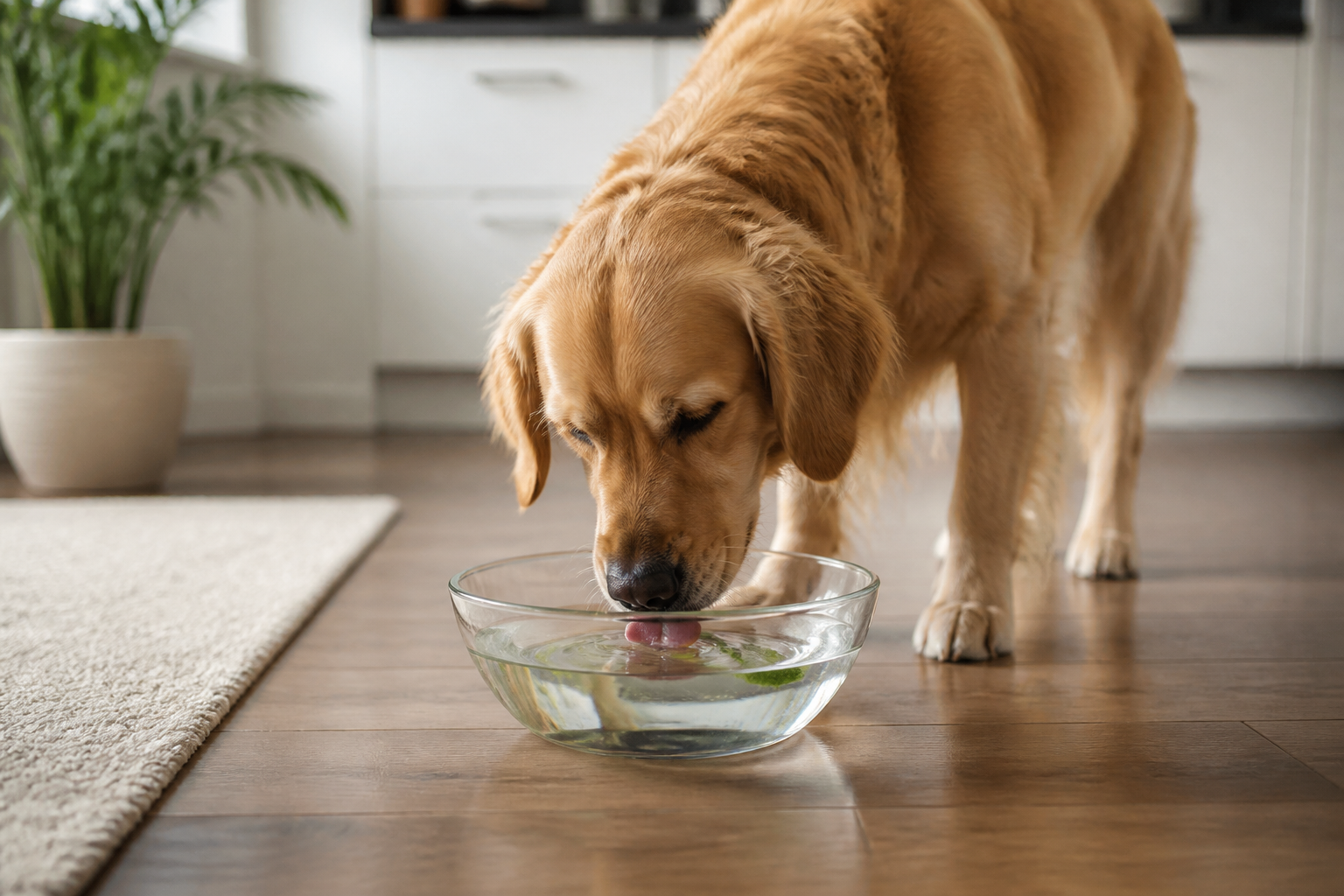
You lean in for a morning snuggle with your dog, but instead of warmth, you are greeted by a wave of breath that could peel paint. Most pet owners have been there. While we love our dogs, the "dog breath" phenomenon is often the first sign that oral hygiene needs attention. Brushing a wiggly dog's teeth every day is the ideal solution, but for many of us, it is a significant challenge. This is why many owners look for a simpler way to manage oral health through their dog's water bowl.
At BaxterBoo, we know that dental health is about more than just fresh breath. It is a vital part of your dog's overall wellness. In this guide, we will explore what you can safely add to your dog's water to fight plaque, which ingredients are dangerous, and how to build a routine that actually works. We will look at commercial additives, natural options, and when it is time to involve your veterinarian for professional care.
Quick Answer: You can add pet-specific dental water additives containing ingredients like zinc gluconate, green tea extract, or enzymes to your dog's water. These solutions help break down plaque and kill bacteria that cause bad breath. They are designed to be tasteless and odorless so most dogs will drink them without hesitation.
Understanding How Water Additives Work
A dental water additive is essentially a mouthwash designed for pets. Unlike human mouthwash, which we swish and spit, these products are formulated to be swallowed. They work by altering the environment of the mouth every time your dog takes a drink.
Most additives use a combination of enzymes and antimicrobial agents. These ingredients target the biofilm that forms on teeth after eating. Biofilm is the sticky layer of bacteria that eventually hardens into tartar. By disrupting this layer while it is still soft, water additives make it much harder for tartar to take hold.
These products also focus on the "volatiles" in the mouth. These are the sulfur compounds produced by bacteria that create that signature bad smell. Ingredients like zinc or chlorine dioxide help neutralize these odors on contact. This provides immediate relief for the owner while the enzymes work on the long term health of the teeth and gums.
The Benefit of Daily Consistency
The real power of a water additive is in the frequency of use. Every time your dog drinks throughout the day, they are receiving a "micro-treatment" for their mouth. This constant exposure helps keep bacterial levels lower than they would be with just a weekly brushing session. It is an effortless way to maintain progress between more intensive cleanings.
For a ready-to-use option, consider OxyFresh Pet Dental Water Additive, which is formulated for dogs and cats.
Key Ingredients to Look For
When you are browsing the dental aisle, the ingredient list can be confusing. Not all additives are created equal. Some focus purely on breath, while others target the actual structure of plaque. Here are the most effective and safe ingredients commonly found in high quality products.
Antimicrobial Agents
- Zinc Gluconate: This is a powerhouse for oral health. It helps defend against the bacteria that lead to plaque and tartar buildup. It also binds to the sulfur compounds that cause bad breath, neutralizing them.
- Cetylpyridinium Chloride (CPC): This is a common antimicrobial often found in human dental products too. It helps inhibit the growth of plaque-causing microbes.
- Green Tea Extract: This is a natural antibacterial agent. It contains polyphenols that inhibit the growth of bacteria in the mouth and can help soothe minor gum irritation.
Enzymatic Cleaners
Enzymes are proteins that speed up chemical reactions. In the mouth, specific enzymes like glucose oxidase or lactoperoxidase work to break down the food particles and bacterial films on the teeth. They "digest" the gunk before it can mineralize into hard tartar.
pH Regulators
- Sodium Citrate: Derived from citrus, this ingredient helps regulate the pH level of the mouth. Bacteria thrive in certain acidic environments. By balancing the pH, you make the mouth a much less welcoming place for harmful microbes.
Ingredient Comparison Table
| Ingredient | Primary Function | Source Type |
|---|---|---|
| Zinc Gluconate | Kills bacteria and neutralizes odor | Mineral-based |
| Green Tea Extract | Natural antibacterial and breath freshener | Plant-based |
| Sodium Citrate | Balances mouth pH to stop tartar | Fruit-derived |
| Enzymes | Breaks down plaque and food film | Protein-based |
| Chlorine Dioxide | Kills microbes and whitens teeth | Stabilized mineral |
Key Takeaway: Effective water additives do two things at once: they neutralize immediate odors and use enzymes or minerals to prevent plaque from hardening into tartar.
Dangerous Ingredients to Avoid
Safety is the most important factor when choosing anything that your dog will ingest daily. Because these products are swallowed, you must ensure they do not contain chemicals that could harm your dog's internal organs over time.
The Danger of Xylitol
Xylitol is a sugar substitute used in many human products like gum, mints, and even some "sugar-free" peanut butters. It is extremely toxic to dogs. Even a small amount can cause a massive insulin release, leading to life-threatening low blood sugar and liver failure. Never use a human mouthwash in a dog's water, as many contain xylitol. Always check the label of pet-specific products to ensure it is 100% xylitol-free.
Alcohol and Artificial Dyes
Many cheap breath fresheners use alcohol as a preservative or to provide a "clean" feeling. Dogs should not ingest alcohol, as it can be irritating to the digestive tract and potentially toxic in concentrated amounts. Similarly, artificial dyes like Red 40 or Blue 1 serve no functional purpose in a water additive and can cause allergic reactions in sensitive dogs.
High Concentrations of Chlorhexidine
While chlorhexidine is a very effective medical-grade antiseptic used by veterinarians, it should be used with caution in a daily water additive. In high concentrations, it can cause staining of the teeth or an unpleasant taste that makes dogs stop drinking. If a product contains chlorhexidine, ensure it is formulated specifically for daily oral use and not a high-strength surgical wash.
Vet Tip: Always monitor your dog's water intake when starting a new additive. If they stop drinking or drink significantly less, the taste may be too strong. Dehydration is a much bigger risk to their health than bad breath. Consult your vet if you notice a change in drinking habits or any digestive upset like loose stools.
Natural and DIY Options
If you prefer a more holistic approach, there are a few natural items you can add to your dog's routine. While these might not be as potent as a formulated enzymatic solution, they can support overall oral health.
Coconut Oil
Coconut oil has natural antifungal and antibacterial properties thanks to its high concentration of lauric acid. Some owners add a teaspoon of coconut oil to their dog's food or even a small amount to warm water. However, coconut oil is very high in fat. It can cause weight gain or even pancreatitis in susceptible dogs. It is often better to use it as a "toothpaste" rather than a water additive to avoid excess calorie intake.
Fresh Herbs
Parsley and mint are classic breath fresheners. They contain high levels of chlorophyll, which has deodorizing properties. You can finely chop fresh parsley and add a small amount to your dog's food or steep it like a tea, let it cool, and add the "tea" to their water bowl. This is a safe, low-calorie way to tackle mild odors.
Crunchy Fruits and Vegetables
While not something you put in the water, adding crunchy treats like apples (without seeds) or carrots to your dog's diet acts as a natural toothbrush. The mechanical action of chewing these firm foods helps scrape away plaque.
- Step 1: Choose organic, fresh parsley or mint.
- Step 2: Finely mince a small amount (about half a teaspoon for small dogs, a full teaspoon for large dogs).
- Step 3: Mix it directly into their water or sprinkle it on their food daily.
The Importance of the VOHC Seal
When shopping for dental products at BaxterBoo, you may notice a specific seal on some packages. The Veterinary Oral Health Council (VOHC) is an independent organization of veterinary dentists. They review clinical data from manufacturers to see if a product actually does what it claims.
To earn the VOHC seal, a product must demonstrate at least a 20% reduction in plaque or tartar in controlled studies. If a water additive has this seal, you can trust that it has been scientifically tested for efficacy. Brands like Virbac and certain formulations of TropiClean carry this seal of acceptance.
For additional guidance on daily brushing, dental chews, and professional exams, read our pet dental care tips.
Why Water Additives Are Not a Complete Solution
It is tempting to think that a few drops in a water bowl can replace the need for everything else. However, water additives are a supplement, not a cure-all. They are excellent at managing the "soft" stages of dental disease, but they have limitations.
The Problem with Tartar
Once plaque mineralizes into tartar (the hard, brown stuff you see on the teeth), it is essentially "cemented" on. A water additive cannot dissolve hardened tartar. To remove tartar, you need the mechanical action of brushing or, more likely, a professional dental cleaning under anesthesia by a veterinarian.
Disease Below the Gumline
The most dangerous part of dental disease happens where you cannot see it. Bacteria often migrate under the gumline, causing inflammation and bone loss. This is called periodontal disease. Water additives barely touch the areas under the gums. If your dog has red, bleeding gums or loose teeth, a water additive will not solve the underlying infection.
Checklist for Assessing Your Dog’s Mouth:
- Breath Check: Is the odor persistent even after eating?
- Color Check: Are the teeth white, or do you see yellow/brown buildup near the gums?
- Gum Check: Are the gums pink and firm, or red and swollen?
- Behavior Check: Does your dog drop food or shy away when you touch their face?
For more warning signs and guidance about when to seek veterinary care, see what to do about hidden dental problems in dogs.
Bottom line: Water additives are a fantastic preventative tool, but they cannot reverse advanced gum disease or remove existing tartar.
Integrating Prescription Dental Care
For some dogs, standard over-the-counter additives are not enough. This is especially true for small breeds like Chihuahuas or Yorkies, who are genetically prone to severe dental issues. In these cases, your veterinarian might recommend prescription dental diets or medical-grade rinses.
Through our partnership with Pet's Choice, the pet pharmacy at BaxterBoo offers access to FDA-approved prescription pet foods and medications. Prescription dental diets, like those from Royal Canin or Farmina Vet Life, use specific kibble shapes and textures to scrub the teeth while the dog eats. They also contain minerals that bind calcium in the saliva, preventing it from turning plaque into tartar.
If your dog has chronic oral infections or severe gingivitis, your vet may prescribe a specific medicated oral rinse. These are often more concentrated than standard water additives and are designed to treat active inflammation. Using the pharmacy for these needs ensures you are getting genuine, vet-approved products that are safely formulated for your dog's specific health profile.
How to Successfully Introduce a Water Additive
Dogs are creatures of habit. If you suddenly change the taste of their water, they might refuse to drink. This can lead to urinary issues or dehydration. Follow these steps to ensure a smooth transition.
- Step 1: Start Small. Use only a quarter of the recommended dose for the first three days. This allows the dog to get used to the subtle change in flavor or scent.
- Step 2: Observe Drinking Habits. Make sure your dog is still visiting the bowl as often as usual. If you have multiple dogs, ensure everyone is comfortable with the new water.
- Step 3: Gradually Increase. If there are no issues, move to a half dose for another three days, then finally to the full recommended amount.
- Step 4: Clean the Bowl Regularly. Water additives can sometimes cause a slight film to develop on the sides of the bowl faster than plain water. Scrub the bowl with hot, soapy water every day to keep it fresh.
Sensitive Stomachs
Some dogs may experience mild digestive upset when first starting an additive. This usually manifests as slightly softer stools. If this happens, go back to a smaller dose or try a different brand. Not every formula works for every dog's digestive system.
Key Takeaway: Success with water additives depends on gradual introduction and daily consistency.
Building a Total Dental Routine
To truly protect your dog's health, you should think of dental care as a multi-layered strategy. Think of it like your own dental care: you brush, you use mouthwash, and you go to the dentist for cleanings.
- The Foundation (Daily): Use a water additive like Oxyfresh or TropiClean in every bowl of fresh water.
- The Scrub (2-3 times a week): Brush your dog's teeth with a pet-safe enzymatic toothpaste. This provides the mechanical action that additives lack.
- The Treat (Daily or Every Other Day): Give a VOHC-approved dental chew designed to be chewed for a long time, helping to scrape the back molars where plaque often hides.
- The Professional Check (Yearly): Have your vet perform a thorough oral exam during the annual wellness visit.
By combining these steps, you are attacking plaque from every angle. The water additive keeps the mouth environment clean, the brushing removes the film, the chews handle the mechanical cleaning, and the vet ensures no hidden infections are brewing under the surface.
For a specific chew option, explore Greenies Dental Dog Chew - Fresh.
Summary of Best Practices
Maintaining your dog's oral health does not have to be an all-or-nothing battle. Adding a high quality solution to their water is one of the easiest ways to make a significant impact on their breath and plaque levels. When you choose a product at BaxterBoo, you are selecting from brands that we have carefully vetted for safety and effectiveness.
Whether you are using a standard water additive for a young puppy or managing a senior dog's needs with prescription dental food from our pharmacy, consistency is your best friend. Start slowly, look for quality ingredients like zinc and enzymes, and never skip your annual veterinary dental checkups.
If you use a repeat-purchase dental product, you can simplify your routine with our Autoship programme.
Bottom line: A water additive is an excellent first step toward a healthier mouth, but it works best when paired with chews, brushing, and regular veterinary care.
FAQ
Can I use human mouthwash in my dog's water?
No, you should never use human mouthwash for your dog. Many human products contain xylitol, which is highly toxic to dogs even in small amounts. Human mouthwashes also often contain alcohol and detergents that are not safe for a dog to swallow daily.
How long does it take to see results from a water additive?
You will usually notice a difference in your dog's breath within 3 to 7 days of consistent use. However, the benefits for plaque and tartar control take longer to become visible. You should use the product for at least 30 days to see a reduction in the buildup on their teeth.
Are water additives safe for cats too?
Many dental water additives, such as those from Virbac or Oxyfresh, are formulated for both dogs and cats. However, you must always check the label. Some products contain ingredients or flavorings that are specifically intended for dogs and may not be suitable for the unique metabolism of a cat.
What should I do if my dog refuses to drink the water with the additive?
If your dog avoids the water, try reducing the amount of additive to a very tiny dose and gradually increasing it over two weeks. You can also try a flavorless, odorless brand if you were using a scented one. If they still refuse, it is better to rely on dental chews and brushing rather than risking dehydration.






