
 Save 15% on your 1st Autoship learn more

 Email us
 Live Chat
 FAQs
FAQs





Introduction
You lean in for a happy morning nuzzle only to be met with a cloud of "dog breath" that makes you pull away. When you lift your dog's lip, you notice a thick layer of yellow tartar or red, inflamed gums. These are the moments when many pet owners realize that dental hygiene is not just a cosmetic issue. Oral health is a cornerstone of overall wellness for dogs. Bacteria in the mouth can enter the bloodstream and eventually impact the heart, liver, and kidneys. At BaxterBoo, we believe that a proactive approach at home can save your dog from pain and prevent expensive veterinary procedures later. This post covers the specific tools, treats, and treatments you can use to maintain a clean mouth. You will learn about everything from specialized brushes to dental additives and prescription options.
Quick Answer: You can clean a dog's teeth using enzymatic pet toothpaste, specialized toothbrushes, dental chews, and water additives. For the best results, use a combination of mechanical scrubbing and chemical plaque-fighting ingredients like those found in dental-specific diets.
Specialized Toothbrushes and Paste
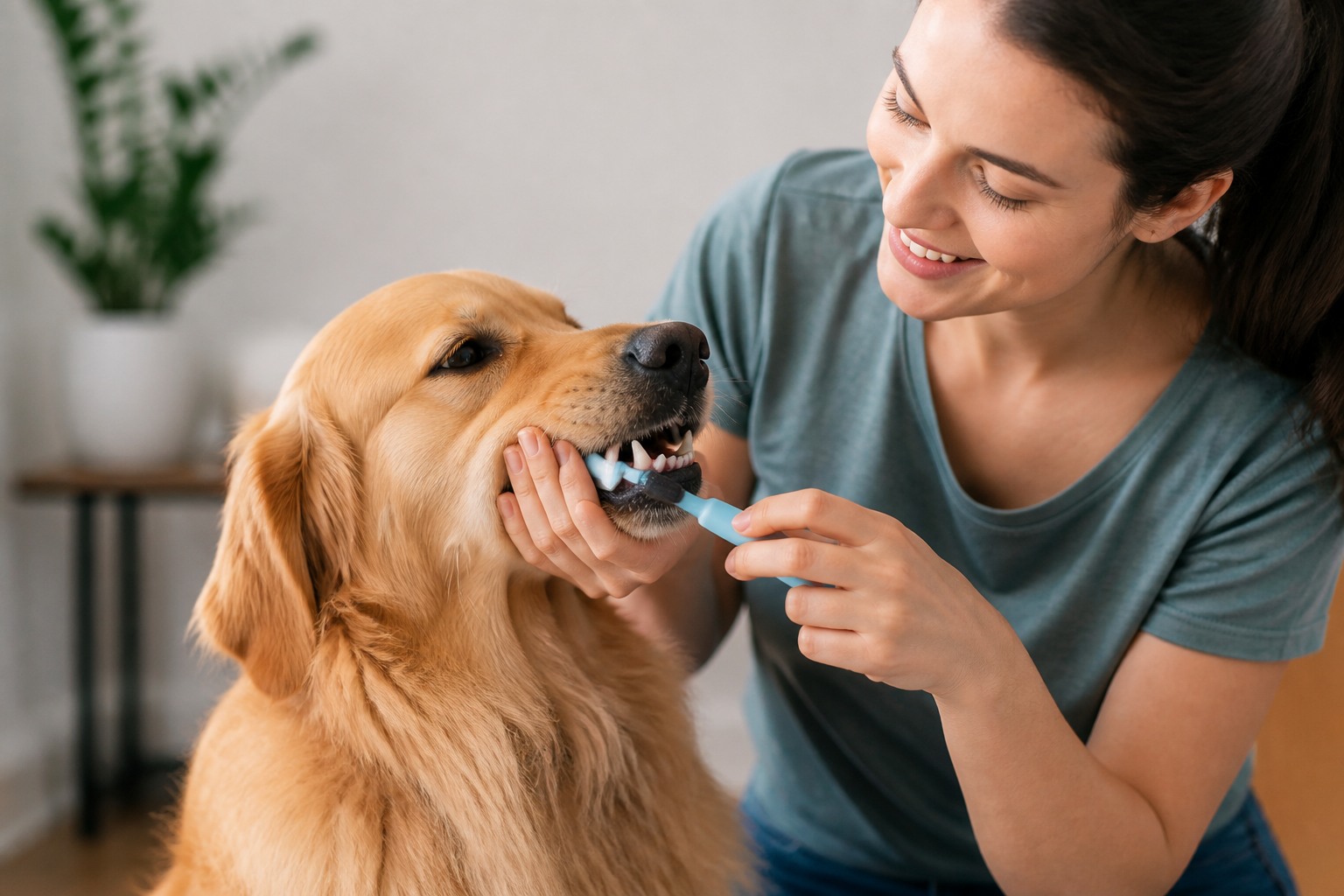
The most effective way to remove plaque before it hardens into tartar is manual brushing. However, you cannot reach for the tube of toothpaste in your own bathroom. Human toothpaste often contains xylitol, an artificial sweetener that is highly toxic to dogs. It also contains foaming agents that are meant to be spit out, which dogs cannot do.
Instead, you must use an enzymatic toothpaste designed for pets. These formulas contain enzymes that help break down food particles and plaque even if you cannot reach every single crevice. Most dog toothpastes come in flavors like poultry, beef, or peanut butter to make the experience more pleasant for your pet. A product such as Virbac C.E.T. Enzymatic Pet Toothpaste is specifically formulated for dogs and cats.
The brush itself matters just as much as the paste. Different dogs require different tools based on their size and comfort level.
- Finger Brushes: These are small silicone sleeves that fit over your index finger. They are excellent for puppies or small dogs because they allow for better control and a gentler touch.
- Double-Headed Brushes: These have long handles and two sets of bristles angled to clean the front and back of the teeth at the same time. These are ideal for larger breeds with wide dental arches.
- Soft-Bristled Toddler Brushes: If you are in a pinch, a very soft human toothbrush designed for infants can work, provided you are gentle on the gums.
Vet Tip: If your dog is resistant to brushing, start by letting them lick the toothpaste off your finger for several days. Gradually move to rubbing their gums with your bare finger before introducing a brush. This builds trust and positive associations with the routine.
For additional guidance on establishing a brushing routine, see these pet dental care tips.
Dental Chews and Functional Treats
Not every dog will sit still for a daily brushing session. For these pets, dental chews and treats offer a helpful secondary line of defense. These items work through a combination of mechanical scraping and chemical plaque control. As the dog chews, the texture of the treat rubs against the surface of the tooth to scrub away film. Our dog dental food and treats give you several options for adding chewing to your dog's oral-care routine.
We carry several trusted brands like Greenies and RedBarn that are specifically shaped to reach the gum line. When choosing a dental chew, look for products that have a firm but slightly flexible texture. If a treat is as hard as a rock, it could lead to a fractured tooth. If it is too soft, the dog will swallow it in seconds without any cleaning benefit.
Some high-quality treats also include ingredients like sodium hexametaphosphate. This compound helps prevent minerals in the saliva from bonding to plaque and forming hard tartar. While treats should never be the only method of cleaning, they are a valuable tool for maintenance.
Choosing the Right Size
Always match the size of the chew to your dog's weight. A chew that is too small can be a choking hazard, while one that is too large might add unnecessary calories to their diet. We recommend supervising your dog whenever they are enjoying a dental chew to ensure they are chewing thoroughly rather than trying to gulp large pieces.
For more ideas, explore these dental chews for dogs.
Water Additives and Dental Wipes
For dogs that are extremely sensitive about their mouths being touched, water additives and dental wipes provide a hands-off alternative. Water additives are tasteless, odorless liquids that you mix into your dog's daily drinking water. They contain enzymes and antiseptic ingredients that help kill the bacteria responsible for bad breath and plaque. You can compare options in our dog dental supplements category.
Dental wipes are textured pads pre-soaked in cleaning solutions. They are much thinner than a toothbrush, which makes them less intimidating for the dog. You simply wrap the wipe around your finger and rub it over the outer surfaces of the teeth. This is particularly useful for senior dogs who might have sensitive gums or for dogs with very small mouths where a brush feels too bulky.
Key Takeaway: While brushing is the gold standard, a multi-modal approach using water additives and wipes can significantly slow down tartar buildup in pets that do not tolerate a toothbrush.
The Role of Diet in Dental Health
What your dog eats every day plays a massive role in their oral environment. There is a long-standing debate about whether dry kibble cleans teeth better than wet food. While the crunchy texture of standard kibble provides a tiny bit of scraping, most of it crumbles too quickly to make a real difference.
However, specific dental diets are formulated differently. Brands like Royal Canin and Farmina Vet Life offer specialized kibble with a much larger, fibrous structure. These pieces are designed not to shatter instantly. Instead, the tooth sinks into the kibble, allowing the fibers to scrub the tooth surface all the way to the gum line.
If your dog has a history of rapid tartar buildup or gingivitis, your veterinarian might recommend a prescription dental diet. Our pet pharmacy carries many of these FDA-approved prescription foods through our partnership with Pet's Choice. These diets are specifically balanced to manage oral health while providing complete nutrition.
Transitioning to a Dental Diet
Step 1: Consult your veterinarian to see if a prescription or specialized dental diet is appropriate for your dog's specific needs.
Step 2: Gradually mix the new dental kibble with your dog's current food over a period of 7 to 10 days to avoid digestive upset.
Step 3: Monitor your dog's chewing habits to ensure they are actually crunching the larger kibble rather than swallowing it whole.
Safe Chew Toys for Plaque Removal
Engagement with toys is another practical way to keep teeth clean. Some toys are designed with ridges, nubs, or "bristles" that massage the gums and scrape the teeth during play.
Kong toys are a staple for this purpose. You can stuff them with healthy treats or a bit of peanut butter to keep your dog gnawing for long periods. The durable rubber provides a safe resistance that helps clean the teeth without the risk of splintering like real bones. Real meat bones are a common suggestion for cleaning teeth, but we urge caution. Cooked bones can splinter and cause internal damage, while very hard raw bones can cause painful tooth fractures.
If you choose to use bones for cleaning, always opt for raw, meaty bones that are appropriate for your dog's size. Supervise them closely and remove the bone once it has been gnawed down. For a safer alternative, look for synthetic dental toys that mimic the texture of a bone but are designed to be much more forgiving on the enamel.
When Home Care Isn't Enough
Despite your best efforts, home cleaning has its limits. It cannot remove tartar that has already hardened into a cement-like substance. It also cannot reach the deep pockets under the gum line where the most serious infections occur.
If you notice your dog has bleeding gums, loose teeth, or a sudden loss of appetite, it is time for a professional veterinary exam. Most dogs will eventually need a professional dental cleaning under anesthesia. This allows the vet to perform X-rays, scale the teeth above and below the gum line, and polish the enamel to prevent future buildup.
For dogs with chronic dental issues or those needing ongoing medication for gum infections, our pharmacy offers a reliable way to get the supplies you need. Through our partnership with Pet's Choice, we provide access to prescription medications and therapeutic diets that support recovery after a dental procedure.
Bottom line: Professional veterinary cleanings are an essential partner to at-home care, especially for managing disease beneath the gum line.
Starting a Routine for Success
The key to cleaning a dog's teeth is consistency. A once-a-month scrubbing will not do much to stop the progression of oral disease. Aim for a routine that includes several different methods to ensure maximum coverage.
- Daily: Add a dental solution to the water bowl and offer a functional dental chew or toy.
- Three times a week: Brush the teeth with enzymatic toothpaste.
- Monthly: Check the mouth for any signs of redness, swelling, or broken teeth.
- Yearly: Schedule a professional dental exam with your veterinarian.
By making dental care a habit, you turn it into a bonding activity rather than a chore. Most dogs grow to love the taste of their toothpaste and will eventually look forward to their "dental time." This small investment of time each day can add years to your dog's life and keep their smile bright and healthy.
Choosing the Best Products at BaxterBoo
Since 2006, we have been helping pet owners find the right tools for every stage of their dog's life. We know that every dog is different. A senior Chihuahua has very different dental needs than a young Labrador. That is why we handpick products from over 500 trusted brands to ensure you have access to the best options available.
Our team is dedicated to providing value without compromising on the quality of the gear or food we sell. Whether you need a simple finger brush or a specialized Farmina diet, we are here to help you navigate the options. If your vet prescribes a specific oral medication or a prescription-only dental food, remember that our pharmacy can fulfill those needs with the convenience of home delivery.
We also offer programs like MVP Rewards, where you can earn up to 5 percent back on your dental supplies. If you find a routine that works, our Autoship programme ensures you never run out of toothpaste or chews, saving you money on every recurring order. Caring for your dog's teeth is an ongoing journey, and we are proud to be your partner in that process.
Key Takeaway: A successful dental routine combines mechanical cleaning through brushing, chemical support from toothpaste or additives, and the right diet to maintain long-term oral health.
Conclusion
Keeping your dog's teeth clean requires a mix of the right tools and a bit of patience. By using enzymatic toothpaste, dental chews, and specialized diets, you can significantly reduce the risk of periodontal disease. Remember that bad breath is often the first sign of a deeper health issue, so do not ignore it. Regular at-home care paired with professional veterinary checkups is the best way to ensure your dog stays comfortable and healthy. For all your dental care needs, from toys to prescription diets, you can count on us for expert guidance and quality products.
- Start a brushing routine today with pet-safe paste.
- Incorporate dental chews that match your dog's size.
- Consult your vet about the benefits of a dental-specific diet.
- Use our pharmacy for prescription dental needs or medications.
Bottom line: Consistency in at-home dental care is the most effective way to prevent painful oral health problems and expensive vet bills in the future.
FAQ
Can I use baking soda to clean my dog’s teeth?
Baking soda is not recommended for dogs because it has a high alkaline content that can upset their stomach if swallowed. It also lacks the enzymes found in pet-specific toothpaste that are necessary to break down plaque effectively. Stick to enzymatic toothpastes that are flavored to be palatable for your dog.
How often do I really need to brush my dog’s teeth?
Ideally, you should brush your dog’s teeth every day to prevent plaque from hardening into tartar. If daily brushing is not possible, aiming for three times a week is still much more effective than not brushing at all. Supplementing with dental chews and water additives on the days you skip brushing can help maintain progress.
Are dental wipes as good as a toothbrush?
Dental wipes are better than doing nothing, but they generally cannot reach the crevices or the back teeth as well as a brush. They are excellent for removing surface film and are a great starting point for dogs that are mouth-sensitive. For a thorough clean, try to transition from wipes to a soft brush over time.
My dog’s gums bleed when I brush them. Is this normal?
Minor bleeding can occur if your dog has early-stage gingivitis or if you are brushing too hard. However, persistent or heavy bleeding is a sign of more advanced dental disease and requires a visit to the veterinarian. If you see blood, be very gentle and schedule a professional exam to rule out infections or loose teeth.






