
 Save 15% on your 1st Autoship learn more

 Email us
 Live Chat
 FAQs
FAQs





Introduction
You lean in for a morning snuggle and your dog greets you with a big, wet kiss. Then you notice it. That lingering, sour "dog breath" is often the first sign that your pet needs better oral care. At BaxterBoo, we know that many owners feel overwhelmed by the thought of scrubbing a reluctant pup's teeth. However, dental hygiene is about much more than just fresh breath. It is a vital part of preventing systemic health issues and painful gum disease. This article explains the tools and methods you can use to keep those pearly whites clean, from enzymatic pastes to specialized toys. We want to help you build a routine that fits your lifestyle while keeping your dog comfortable and healthy.
The Gold Standard: Brushing with Specialized Tools
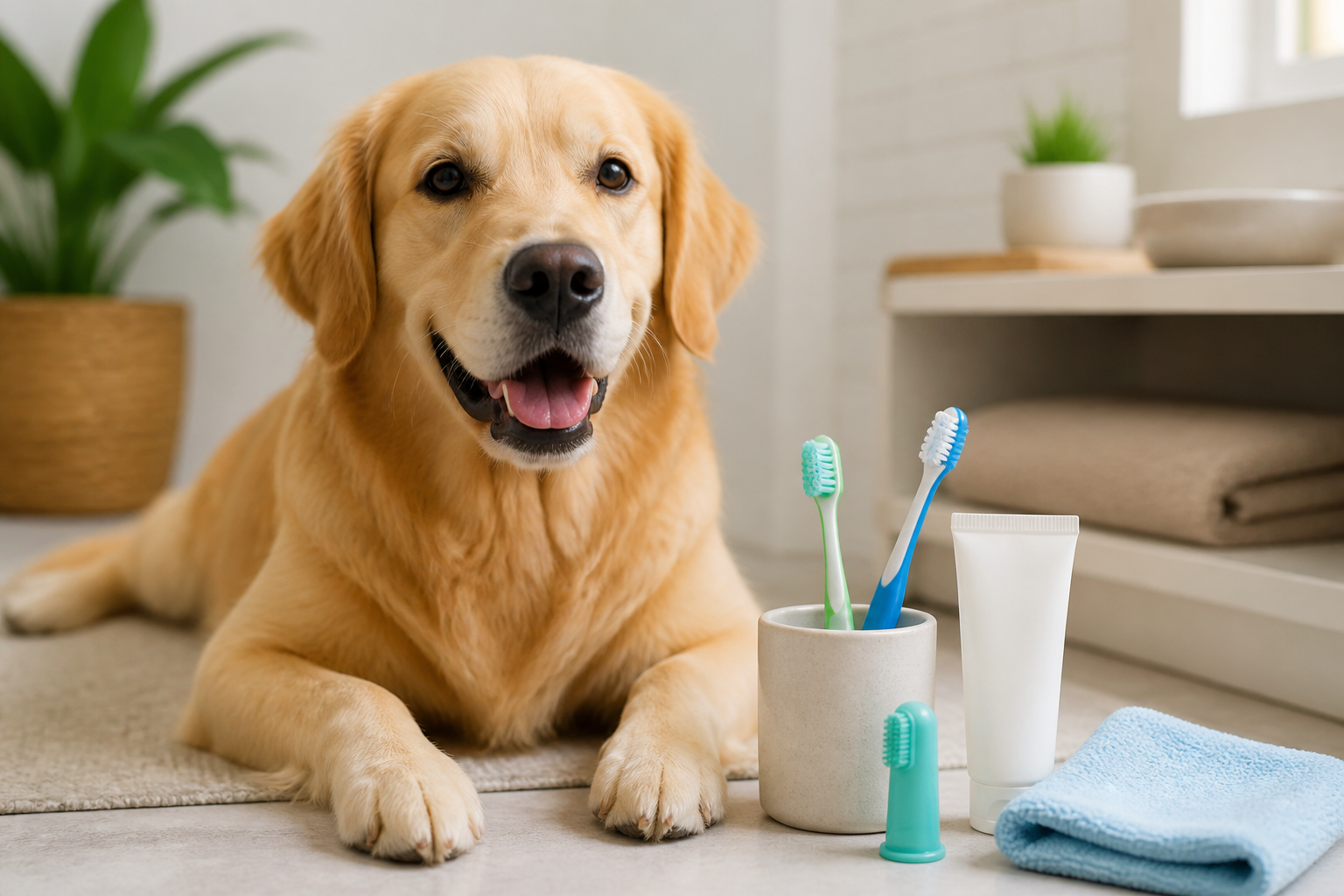
Brushing remains the most effective way to remove plaque before it hardens into tartar. You cannot use human toothpaste for this task. Human versions often contain fluoride or xylitol, both of which are toxic to dogs. Instead, you must use a dog-specific enzymatic toothpaste. These pastes work even if you cannot scrub every surface perfectly. The enzymes help break down food particles and bacteria on a molecular level. Most pet pastes come in flavors dogs actually enjoy, such as poultry, beef, or peanut butter. Explore our dog dental and breath care collection for toothpaste, gels, brushes, and other oral-care supplies.
The choice of brush also matters. You might prefer a long-handled brush with angled heads to reach the back molars. Alternatively, a finger brush made of soft silicone can offer more control if your dog is nervous. Some owners even use a soft, child-sized toothbrush from a local store. The key is to find a tool that allows you to reach the gumline without causing irritation. For additional guidance, read our tips for building a pet dental care routine.
Quick Answer: You should use a dog-specific enzymatic toothpaste and a soft-bristled toothbrush or silicone finger brush. These tools are designed to safely break down plaque without the toxic ingredients found in human dental products.
How to Introduce Brushing
Step 1: Let your dog lick a small amount of enzymatic toothpaste off your finger. This builds a positive association with the flavor.
Step 2: Gently rub your finger along their gums and teeth. Do this for a few days to get them used to having their mouth handled.
Step 3: Introduce the brush by adding a bit of paste and touching it to the front teeth. Only brush for a few seconds at first.
Step 4: Gradually increase the time and reach. Focus on the outside surfaces of the teeth, as this is where most plaque accumulates. A dog-specific option such as Vets Preferred Enzymatic Dog Toothpaste can make the introduction more appealing.
Dental Chews and Functional Treats
Not every dog will sit still for a daily brushing session. This is where dental chews and treats become valuable allies. High-quality options like Greenies or RedBarn dental bones are designed to scrub teeth as the dog chews. The texture is key. These treats are often firm yet flexible, allowing the dog's teeth to sink in so the edges can scrape away debris. Browse our dental chews for dogs for options suited to different chewing preferences.
When you choose a dental chew, look for products that carry the Veterinary Oral Health Council (VOHC) seal. This seal indicates the product has met specific standards for reducing plaque or tartar. We offer many of these brands through our Frequent Buyer Program, which helps you earn free products on the treats your dog uses most. Remember that treats add calories to your dog's daily intake. Always adjust their main meals to account for these dental snacks to prevent unwanted weight gain.
Key Takeaway: Dental chews provide mechanical cleaning through friction. While they are helpful, they work best when used alongside regular brushing rather than as a total replacement.
Dietary Support and Prescription Foods
What your dog eats every day plays a role in their oral health. There is a long-standing debate about wet versus dry food. While dry kibble does not magically clean teeth, the crunching action can provide some mild scraping. However, standard kibble often crumbles too quickly to do much good. For dogs with significant dental concerns, a specialized dental diet might be necessary.
Prescription dental diets have a unique kibble structure. The fibers are aligned in a way that prevents the nugget from shattering immediately. This forces the dog to chew more, which cleans the tooth surface more thoroughly. Brands like Royal Canin and Farmina Vet Life offer specialized formulas for various health needs. Our pharmacy carries many of these prescription pet foods through our partnership with Pet's Choice. If your vet recommends a specific diet for tartar control, you can easily manage those orders through us to ensure your dog never runs out.
Vet Tip: If you notice your dog has red, swollen gums or is dropping food while eating, schedule a veterinary exam. These can be signs of advanced periodontal disease that require professional treatment rather than just home cleaning.
Water Additives and Oral Rinses
If your dog is particularly difficult about having their mouth touched, water additives offer a hands-off solution. These are liquid concentrates that you pour into your dog's daily water bowl. They typically contain ingredients like chlorhexidine or enzymes that help kill bacteria in the mouth. As your dog drinks, the solution coats the oral cavity and helps slow the formation of plaque. A product such as OxyFresh Pet Dental Water Additive offers a brushless option for a daily routine.
Oral rinses and gels are another option. These are often applied directly to the gums or the inside of the cheeks. They do not require brushing to be effective, though they work better if the teeth are relatively clean to start. These tools are excellent for senior dogs or pets with sensitive mouths who might find a brush too abrasive.
Enrichment Toys for Dental Health
Toys can be functional as well as fun. Many rubber toys, such as those made by Kong, feature ridges or nubs designed to massage the gums and scrape the teeth. You can even find rope toys that act like dental floss as the dog tugs on them. When a dog chews on a textured toy, it stimulates saliva production. Saliva is a natural defense against bacteria and helps rinse the mouth. For more options, explore our dog dental care selection.
Be careful with the materials you choose. Very hard items like stones, cow hooves, or certain heavy bones can actually cause dental fractures. We suggest sticking to durable rubber or high-quality nylon toys that have some "give" to them. If you can't indent the toy with your thumbnail, it might be too hard for your dog's teeth. Our guide to dental chews for dogs offers more ideas for supervised chewing.
Bottom line: Using a variety of tools, including toys and additives, creates a multi-layered defense against dental disease.
Professional Care and the Role of the Pharmacy
At-home care is a preventive measure, but it cannot replace professional veterinary cleanings. A vet can clean under the gumline where a toothbrush cannot reach. They also take X-rays to check for issues beneath the surface. For dogs with chronic dental issues or recurring infections, your vet may prescribe medications.
Our pharmacy provides access to FDA-approved medications and prescription diets through our partnership with Pet's Choice. This includes antibiotics for oral infections or specialized rinses that require a prescription. We believe in providing value without compromise, which is why our pharmacy offers a convenient way to get these essential health supplies delivered to your door. Using our Autoship program for eligible repeat-purchase items can also save you money and ensure your pet's health regimen remains consistent.
Managing Dental Care for Different Life Stages
A puppy has different dental needs than a senior dog. Puppies lose their baby teeth and grow adult ones, making it the perfect time to start a brushing habit. Getting them comfortable with the process early will save you years of struggle. For older dogs, you must be more cautious. Many seniors develop loose teeth or sensitive gums that make traditional brushing painful. Our pet dental care tips include ideas for introducing oral care gradually.
For senior pets, focus on softer tools. Silicone finger brushes and oral gels are often better tolerated. You might also look into supplements that support overall health. Our collection includes 500 plus trusted brands, including supplements from Cosequin or Zesty Paws that can support a senior dog's wellness. Always consult your vet before adding new supplements if your dog is on other medications.
Common Signs of Dental Problems
You should regularly lift your dog's lips to check their teeth and gums. Healthy gums should be a light pink color. If you see a red line along the teeth, this is a sign of gingivitis. Brown or yellow buildup on the teeth is tartar, which is hardened plaque that usually requires professional removal. Our guide to recognizing dental warning signs can help you know what to watch for.
Other warning signs include:
- Persistent bad breath that does not go away after eating.
- Bleeding from the mouth or blood left on chew toys.
- Pawing at the face or rubbing the mouth on the floor.
- Loss of appetite or a preference for only soft food.
- Loose or missing teeth.
If you spot these issues, it is time to move beyond home cleaning and seek professional advice. Early intervention can prevent the need for costly extractions later.
Creating a Sustainable Routine
Consistency is more important than perfection. Brushing your dog's teeth once a month will not do much to prevent tartar. Plaque can begin to harden into tartar in as little as 48 hours. Aim for a daily routine, but even three times a week can make a significant difference. Find a time when your dog is relaxed, such as after a long walk or in the evening before bed.
You can also rotate your tools to keep the routine manageable. You might brush on Monday and Wednesday, provide a dental chew on Tuesday and Thursday, and use a water additive every day. This approach ensures your dog gets multiple forms of protection without any single task becoming a burden for you.
Shopping for Dental Supplies at BaxterBoo
We have been operating since 2006 and understand that pet owners want quality and value. Whether you need a simple toothbrush or a specialized prescription diet from our pharmacy, we are here to help. Our warehouse in Vernon Hills is stocked with products handpicked by people who genuinely care about animals. We do not just sell what is popular; we carry what works.
When you shop with us, you can take advantage of programs like the MVP Rewards programme. You can earn up to 5 percent back on your purchases, which makes maintaining a dental routine more affordable. New customers can even get a 10 dollar reward on their first order of 39 dollars or more when signed in at checkout. We want to make it easy for you to prioritize your dog's health every single day.
Summary of At-Home Dental Tools
| Tool Type | Primary Benefit | Best For |
|---|---|---|
| Enzymatic Paste | Chemical breakdown of plaque | All dogs; daily use |
| Finger Brush | High control and precision | Small dogs or nervous pets |
| Dental Chews | Mechanical scraping and friction | Dogs who love to chew |
| Water Additives | Reduces oral bacteria levels | Difficult-to-handle dogs |
| Dental Toys | Stimulates saliva and massages gums | High-energy dogs |
Key Takeaway: Combining mechanical tools like brushes with chemical aids like enzymatic paste provides the most comprehensive at-home care.
Conclusion
Keeping your dog's teeth clean is a long-term commitment that pays off in a happier, healthier pet. By using a mix of brushing, dental chews, and the right diet, you can significantly reduce the risk of oral disease. Remember to watch for signs of trouble and maintain regular checkups with your veterinarian. Our pharmacy is always available through our partnership with Pet's Choice to help with any prescription needs your vet may suggest. We invite you to explore our dog dental and breath care category to find the perfect tools for your pup.
Bottom line: A consistent dental routine at home saves money on vet bills and adds years of comfort to your dog's life.
FAQ
Can I use baking soda to clean my dog's teeth?
While baking soda is not immediately toxic, it has a high alkaline content that can upset a dog's stomach if swallowed. Most dogs do not like the taste, which can make them resist future cleaning attempts. It is much better to use an enzymatic pet toothpaste that is formulated to be swallowed safely.
How often should I replace my dog's toothbrush?
You should generally replace your dog's toothbrush every three to four months, just like a human brush. If the bristles become frayed or the silicone finger brush shows signs of wear, replace it sooner. A worn brush will not clean as effectively and can sometimes harbor more bacteria.
Do dental wipes actually work for dogs?
Dental wipes are effective at removing surface plaque and food debris, making them a great option for dogs that hate brushes. They do not reach the crevices between teeth as well as bristles do, but they are far better than doing nothing. They are especially useful for quick cleanings after your dog eats wet food.
Are all bones safe for cleaning a dog's teeth?
No, not all bones are safe. Cooked bones are very dangerous because they can splinter and cause internal injuries. Raw, meaty bones are sometimes used for dental health, but they still carry risks of bacterial contamination or tooth fractures. Always supervise your dog with any bone and talk to your vet before introducing them.






