
 Save 15% on your 1st Autoship learn more

 Email us
 Live Chat
 FAQs
FAQs





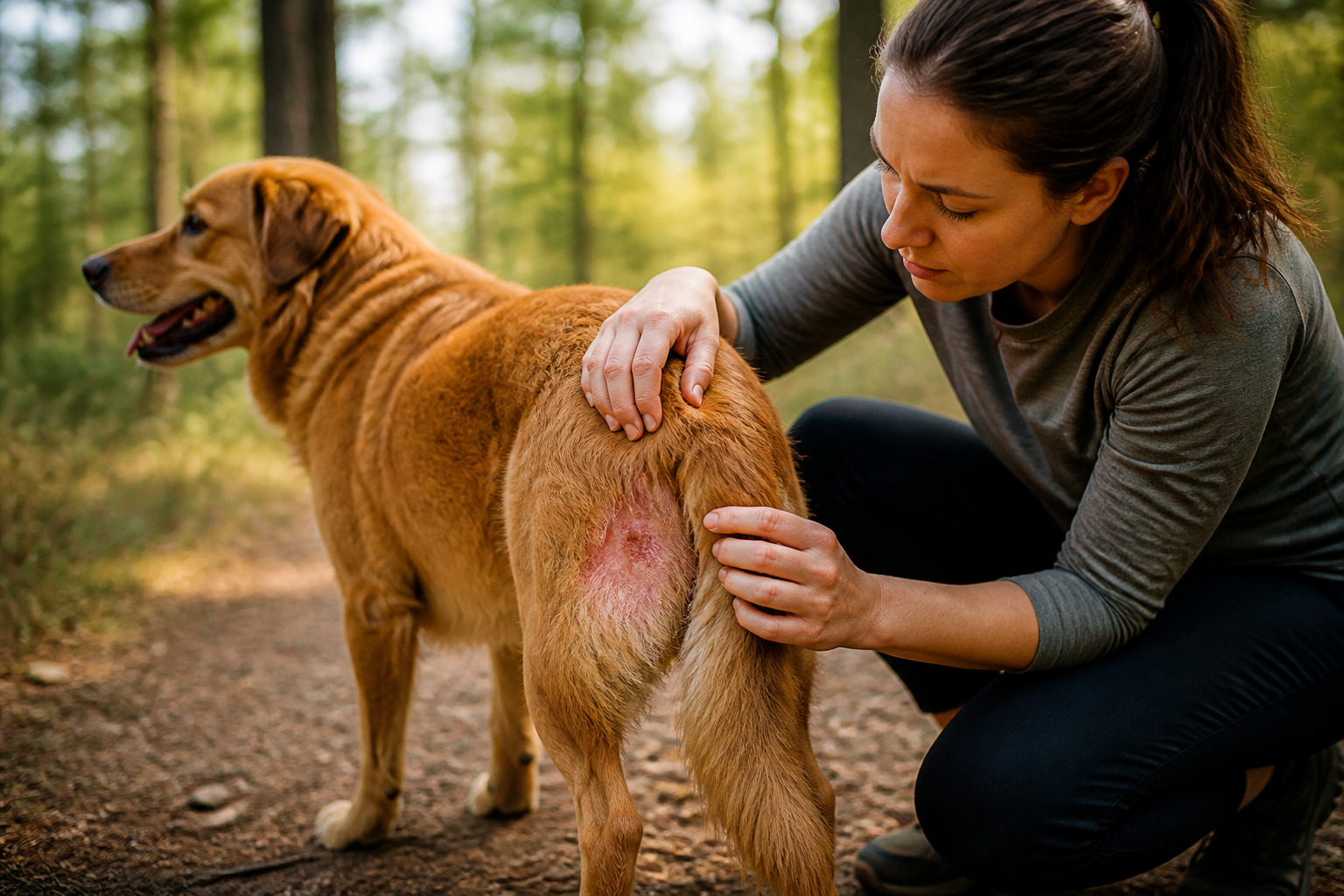
Table of Contents
- Introduction
- Identifying Brush Burn on Your Dog
- Why Brush Burn Happens
- Coat Types and Their Specific Risks
- Treating Brush Burn at Home
- When a Grooming Injury Requires a Vet
- Choosing the Right Grooming Tools
- Preventing Future Irritation
- Summary of Care for Brush Burn
- FAQ
Introduction
You finish a grooming session at home or pick your dog up from the professional salon and notice something is off. Your dog is acting restless or perhaps licking a specific spot on their belly or leg. When you pull the hair back, you see an angry red patch that looks like a scrape or a bad case of road rash. This is likely brush burn. It is a common skin irritation that occurs when a grooming tool is used too aggressively or the wrong brush is chosen for a specific coat type. At BaxterBoo, we know that grooming is a vital part of pet health, but it should never be painful. This guide covers how to identify brush burn, why it happens, and what you can do to soothe your dog's sensitive skin.
Identifying Brush Burn on Your Dog
Brush burn, often called slicker burn, is essentially a mechanical irritation of the skin. It looks very similar to a carpet burn or a "strawberry" scrape you might get from a fall. Because a dog's skin is much thinner than human skin, it does not take much friction to cause damage.
The most common sign is a bright red or deep pink patch of skin. In light-skinned or white-coated dogs, this redness will be very obvious. On dogs with darker skin pigment, the area might look slightly swollen or feel significantly warmer than the surrounding skin. You might see small red dots which indicate where the metal bristles of a brush have made repeated contact with the epidermis.
Quick Answer: Brush burn looks like a bright red or pink rash on your dog's skin. It often appears as small red dots or a solid scrape that feels warm to the touch. The area will be sensitive and may lead to scabbing if the dog licks it frequently.
Common Symptoms to Watch For
- Redness: The skin looks inflamed and irritated.
- Heat: The affected area feels hot when you place your hand near it.
- Sensitivity: Your dog flinches, whimpers, or pulls away when you touch the spot.
- Licking and Scratching: Your dog focus intensely on the area to find relief.
- Scabbing or Oozing: If the irritation is severe, the skin may weep clear fluid or develop a thin crust.
Where Brush Burn Usually Appears
Brush burn rarely happens on the thick skin of a dog's back. Instead, it occurs in areas where the skin is thin and delicate. Pay close attention to the following spots after a grooming session:
- The inner thighs and groin area.
- The "armpits" or the skin where the front legs meet the chest.
- Around the ears and neck.
- The tuck-up area (where the belly meets the back legs).
- The face, especially under the eyes or around the chin.
Key Takeaway: Brush burn is a friction injury that occurs on thin skin. Identifying it early prevents your dog from turning a simple scrape into a serious hot spot through constant licking.
Why Brush Burn Happens
Understanding the "why" helps you prevent the "how" in the future. Brush burn is almost always the result of a mismatch between the tool, the technique, and the dog's skin sensitivity.
Excessive Pressure
This is the leading cause of grooming irritation. It is tempting to press down hard when you are trying to work through a tough mat or remove a thick undercoat. However, most grooming brushes are designed to work on the hair, not the skin. If the metal pins of a slicker brush reach the skin and you apply pressure, they act like tiny rakes that scrape away the protective top layer of the skin.
Repetitive Strokes
Even a gentle brush can cause damage if it is used too many times in the exact same spot. If you are focusing on a single tangle and brush over that patch of skin fifty times, you are going to cause friction. This friction builds heat and eventually breaks down the skin barrier.
Using the Wrong Tools
A slicker brush is a fantastic tool for many breeds, but it is not a "one size fits all" solution. These brushes have fine, short wires packed closely together. On a short-coated dog like a Boxer or a Dalmatian, a slicker brush is often too abrasive. Similarly, using a de-shedding tool with a metal blade requires a very light hand. If used incorrectly, these tools can "chatter" against the skin and cause rows of irritation.
For alternatives, explore our dog brushes and combs, where you can compare tools for different coat types.
Brushing a Wet Coat
Wet hair is heavier and more prone to tangling than dry hair. Brushing a dog while they are soaking wet increases the drag on the skin. This extra tension makes it much easier to accidentally pull or scrape the skin. Always try to brush your dog before the bath or wait until they are at least 70 percent dry.
Vet Tip: If your dog's skin is broken or oozing pus, do not attempt to treat it with home remedies alone. This could indicate a secondary bacterial infection. Contact your veterinarian to see if a prescription topical cream or antibiotic is necessary.
Coat Types and Their Specific Risks
Every dog is different, and some coat types are more prone to brush burn than others. We carry over 500 brands to ensure every coat type has the right tool, but the user must still be careful.
Double-Coated Breeds
Breeds like Siberian Huskies, Samoyeds, and German Shepherds have a dense undercoat. Owners often use undercoat rakes or slicker brushes to manage shedding. The risk here is "digging" for the undercoat and hitting the skin repeatedly. Because these dogs have so much hair, you might not notice the redness until the dog starts biting at their skin later that evening.
Curly and Drop-Coated Breeds
Poodles, Bichons, and Yorkies are prone to matting. To keep these dogs in a long, fluffy "puppy cut," owners must brush them daily. The risk is highest when trying to detangle a mat that is close to the skin. If you pull at the mat, the skin is pulled up with it, making it a prime target for a brush scrape or a clipper nick.
Smooth and Short-Coated Breeds
Boxers, Labs, and Beagles have very little "padding" between the brush and the skin. Using a metal-pin brush on these dogs is rarely necessary and often leads to irritation. For these breeds, rubber curry brushes or soft bristle brushes are much safer choices.
| Coat Type | Recommended Tool | Risk Level | Common Burn Site |
|---|---|---|---|
| Smooth (Boxer) | Rubber Curry Brush | Low | Flanks |
| Double (Husky) | Undercoat Rake | Medium | Underarms |
| Curly (Poodle) | Soft Slicker Brush | High | Ears and Tail |
| Drop (Yorkie) | Pin Brush / Comb | Medium | Belly |
Treating Brush Burn at Home
If you find a red, irritated patch on your dog, do not panic. Most cases of brush burn are mild and can be managed with a few simple steps. The goal is to cool the skin and prevent your dog from making it worse.
Step 1: Clean the area gently.
Use lukewarm water and a very mild, fragrance-free pet soap. Do not scrub the area. Simply pat it with a soft cloth to remove any debris or dander.
Step 2: Apply a soothing agent.
A pet-safe aloe vera gel or a dedicated "hot spot" foam can help take the heat out of the burn. Look for ingredients like calendula or colloidal oatmeal. Avoid using human lotions, as these often contain scents or chemicals that can sting or be toxic if licked. For related products, browse our dog skin and coat care selection.
Step 3: Prevent licking.
This is the most important step. A dog's tongue is covered in bacteria. If they lick the brush burn, they can easily cause a "staph" infection or create a moist environment where yeast thrives. You may need to use an Elizabethan collar or a recovery suit for a few days until the redness fades.
Step 4: Monitor for changes.
Check the spot twice a day. You want to see the redness fading from a bright red to a light pink. If the area starts to smell "musty," turns dark purple, or begins to drain fluid, it is time for professional help.
Bottom line: Keep the area clean, dry, and away from your dog's tongue to allow the natural healing process to work.
When a Grooming Injury Requires a Vet
While a minor scrape is manageable, some grooming injuries are more serious. Professional groomers do their best, but accidents happen, especially with wiggly or senior dogs.
If the "burn" is actually a razor burn from a clipper blade that was too hot, the damage might go deeper than the surface. Razor burn can lead to skin necrosis in extreme cases. Furthermore, if your dog has thin skin due to age or certain medications, a brush burn can turn into a full-thickness tear.
Our pharmacy offers FDA-approved medications through our partnership with Pet's Choice. If your veterinarian determines that the brush burn has led to an infection, you can often source your prescription ointments or antibiotics through our pet pharmacy. This is especially helpful for dogs with chronic skin issues or allergies who are more prone to these types of injuries.
Signs of Infection to Watch For:
- Yellow or green discharge (pus).
- A foul odor coming from the skin.
- Increased swelling or the area feels hard to the touch.
- Your dog stops eating or seems lethargic.
- The redness is spreading away from the original site.
For additional context about warning signs involving redness, warmth, discharge, and licking, read our guide to spotting dog leg infections.
Choosing the Right Grooming Tools
Preventing brush burn starts with the right equipment. Using a high-quality tool designed for your dog's specific hair type reduces the amount of force you need to apply. We stock a variety of options that prioritize skin safety.
Soft Slicker Brushes
Not all slicker brushes are equal. Look for "soft" versions that have coated tips or more flexible pins. These are much more forgiving on sensitive skin. Brands like Kong make rubber brushes like the ZoomGroom that are virtually impossible to cause brush burn with, making them perfect for sensitive dogs or short-coated breeds.
Pin Brushes
For long-haired dogs that do not have thick undercoats, a pin brush is often better than a slicker. The pins are spaced further apart and usually have rounded ends. This allows you to detangle without the constant scraping action of a slicker. A rounded-pin option such as the U-Groom Combo Brush for Dogs and Cats can be used as part of a gentler home-grooming routine.
High-Quality Combs
A metal greyhound comb is an essential tool for checking your work. Instead of brushing a spot over and over, run a comb through it. If the comb catches, you know there is a tiny knot that needs attention. This prevents you from over-brushing areas that are already detangled.
Detangling Sprays
Using a detangling spray or a leave-in conditioner is like using a lubricant for your brush. It helps the bristles slide through the hair rather than tugging on it. This reduces friction on the skin and makes the whole process faster and more comfortable for your pup.
Preventing Future Irritation
You can make grooming a positive experience by changing your routine slightly. Follow these tips to keep your dog's skin healthy and irritation-free.
- The "Arm Test": Before using a new brush on your dog, try it on the inside of your own forearm. If it feels scratchy or painful to you, it will be even worse for your dog.
- Use Short Sessions: Do not try to de-shed the entire dog in one sitting. Spend 10 minutes on one section and then stop. This prevents you from getting frustrated and applying too much pressure.
- Check the Skin Often: Every few strokes, stop and look at the skin. If you see it turning pink, move to a different part of the body.
- Keep Up with Maintenance: The more matted a dog becomes, the harder you have to brush. Regular, light brushing every other day is much safer than one intense session a month.
- Communicate with Your Groomer: If you notice brush burn after a professional visit, tell the groomer. They might not have realized your dog has sensitive skin. They can adjust their blade length or brush type for the next visit.
Our MVP Rewards program is a great way to save on these essential grooming supplies. By earning points on every purchase, you can invest in higher-quality, professional-grade tools that are gentler on your dog's coat.
Summary of Care for Brush Burn
If you suspect your dog has brush burn, act quickly to soothe the area. It is a common mistake, but it serves as a good reminder to evaluate your tools and your technique. Most dogs heal within a few days if they are prevented from licking the site.
Key Takeaway: Brush burn is a preventable friction injury. By choosing softer tools and checking the skin frequently during grooming, you can keep your dog's skin healthy and their coat beautiful.
Always remember that your veterinarian is your best resource for skin health. If a red patch does not improve within 48 hours, or if it seems to be getting worse, a professional exam is necessary. Our pharmacy is available for any prescription needs your vet might identify during that visit.
For another perspective on localized irritation and infection warning signs, read our dog paw pad care guide.
FAQ
Can I use human Neosporin on my dog's brush burn?
You should avoid using human antibiotic ointments unless specifically directed by a veterinarian. Some ingredients can be harmful if licked, and the thick grease can trap bacteria against the skin. It is better to use a pet-specific soothing spray or foam that is designed to be safe if ingested in small amounts.
How long does it take for brush burn to go away?
A mild case of brush burn usually fades within three to five days. The skin should transition from bright red to a dull pink and eventually return to its normal color. If the area is still very red after a week, or if you see new scabs forming, your dog may be licking it when you aren't looking.
Is brush burn the same thing as a hot spot?
They are related but not the same. Brush burn is the initial injury caused by the brush. A hot spot (acute moist dermatitis) occurs when the dog licks that injury, introducing bacteria and trapped moisture. If left untreated, a simple brush burn can quickly turn into a much larger and more painful hot spot.
Should I stop brushing my dog until the burn is gone?
Yes, you should avoid brushing the irritated area until the skin has completely healed. Brushing over an existing burn will cause significant pain and may break the skin, leading to a risk of infection. You can continue to brush other parts of the body, but give the "hot" zone a total rest for at least a week.






