
 Save 15% on your 1st Autoship learn more

 Email us
 Live Chat
 FAQs
FAQs





Introduction
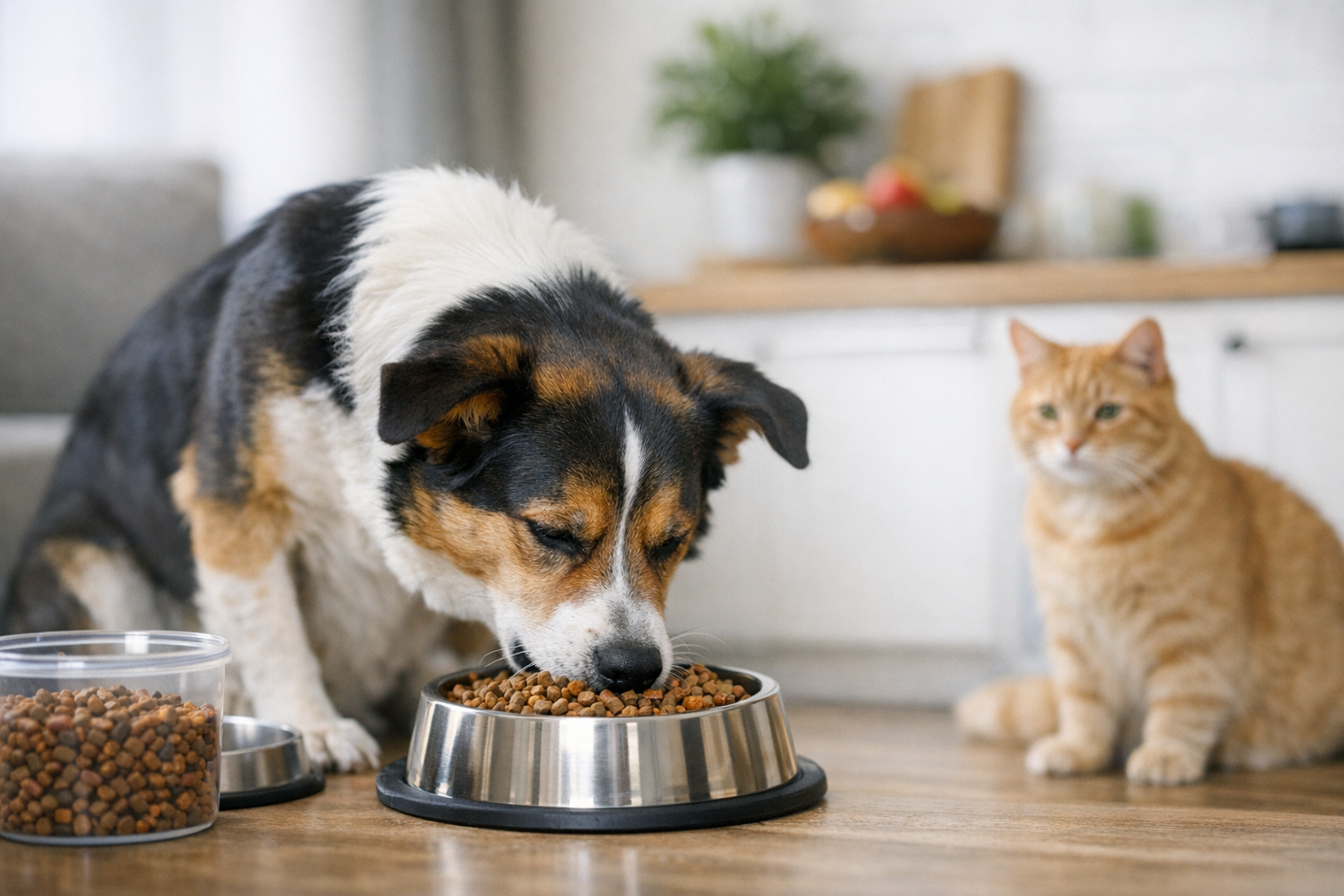
You turn your back for a single minute to answer the door or check the mail. When you return, you find your dog happily crunching away at the cat's bowl. It is a common scene in many multi-pet households across the country. Most dogs find the high-protein scent of cat kibble absolutely irresistible. At BaxterBoo, we hear from worried pet owners about this exact situation all the time. While a few stolen bites are usually not a cause for immediate panic, there are important health factors to consider. This post covers the nutritional differences between the two species, short-term digestive risks, and long-term health complications. You will learn how to monitor your dog for symptoms and how to keep their nose out of the cat's dish for good.
Quick Answer: If a dog eats a small amount of dry cat food, they will likely be fine, though they may experience mild stomach upset. However, regular consumption can lead to serious issues like obesity, kidney strain, or life-threatening pancreatitis.
The Nutritional Divide Between Dogs and Cats
To understand why cat food can be problematic for dogs, you have to look at the biology of the animals. Cats are obligate carnivores. This means their bodies require nutrients that are only found in animal tissue to survive. Their food is designed to be very high in protein and fat. It also contains specific amino acids and vitamins that cats cannot produce on their own.
Dogs are scavenging omnivores. They have evolved to digest a much wider variety of ingredients, including grains, fruits, and vegetables. Their nutritional needs are balanced differently. A dog requires a blend of protein, healthy carbohydrates, and fiber to maintain their energy and organ health.
When a dog eats cat food, they are taking in a concentrated dose of nutrients their body is not built to process in high volumes. Cat food is essentially "richer" than dog food. It is like a human eating a diet of only heavy cream and steak. It might taste good in the moment, but the digestive system will eventually pay the price.
Comparing Protein and Fat Levels
The Association of American Feed Control Officials (AAFCO) sets the standards for pet food nutrition. The differences between the requirements for adult dogs and cats are significant.
- Protein: Adult dog food requires a minimum of 18 percent protein. Adult cat food requires a minimum of 26 percent.
- Fat: Adult dog food requires a minimum of 5.5 percent fat. Adult cat food requires a minimum of 9 percent.
These are just the minimums. Many premium dry cat foods contain protein levels well over 30 or 40 percent. For a dog, this extra protein and fat can be extremely taxing on the liver and kidneys over time.
Key Takeaway: Cat food is significantly higher in protein and fat because cats are obligate carnivores. This richness is exactly why dogs love the taste and why it can cause them digestive trouble.
Immediate Symptoms of Cat Food Consumption
If your dog has just raided the cat's bowl for the first time, you should watch them closely for the next 24 to 48 hours. Most healthy adult dogs will only experience mild symptoms. The high fat content is the most common trigger for immediate issues.
Gastrointestinal Upset
The most frequent result of a dog eating cat kibble is a simple upset stomach. Because the food is so different from their regular diet, it can disrupt the balance of bacteria in their gut. You might notice:
- Vomiting: This often happens shortly after eating if the dog overindulged or ate too quickly.
- Diarrhea: Loose stools or urgency can occur as the high fat content works through the digestive tract.
- Excessive Gas: The fermentation of unfamiliar proteins and fats often leads to flatulence.
- Lethargy: Your dog might seem a bit "off" or tired while their body works to digest the heavy meal.
Signs of an Allergic Reaction
While rare, some dogs may have an actual allergy to a specific ingredient in the cat's food. This is more common if the cat food uses a protein source your dog has never had, such as salmon or duck. Watch for swelling around the face, hives, or intense itching. If you see your dog struggling to breathe or their throat looks swollen, this is a medical emergency.
Vet Tip: If your dog experiences vomiting or diarrhea that lasts longer than 24 hours, contact your veterinarian. Persistent fluid loss can lead to dehydration, especially in small breeds or senior dogs.
The Serious Risk of Pancreatitis
The most significant immediate danger for a dog eating dry cat food is a condition called pancreatitis. The pancreas is a small organ that produces enzymes to help digest food. When a dog eats something very high in fat, the pancreas can become overworked and inflamed.
This inflammation causes the digestive enzymes to activate while they are still inside the pancreas. This essentially causes the organ to begin digesting itself. It is an incredibly painful condition and can be fatal if it is not treated quickly.
Who is at Risk?
Any dog can develop pancreatitis from a high-fat meal. However, some dogs are much more susceptible than others.
- Certain Breeds: Miniature Schnauzers, Cocker Spaniels, and Poodles are genetically predisposed to pancreatic issues.
- Overweight Dogs: If a dog is already carrying extra weight, their system is already under stress.
- Seniors: Older dogs often have less efficient digestive systems.
- History of Sensitivity: If your dog has a "sensitive stomach," a single bowl of cat food could trigger a flare-up.
Symptoms to Watch For
If your dog has eaten cat food and shows these signs, you must seek veterinary care immediately:
- Hunched Back: The dog may arch their back to try and relieve abdominal pain.
- Repeated Vomiting: This is often severe and does not stop even after the stomach is empty.
- Abdominal Pain: The dog may whimper or growl if you touch their belly.
- Loss of Appetite: A dog with pancreatitis will usually refuse all food and water.
- Fever or Dehydration: Their ears may feel hot, and their gums may feel tacky or dry.
Bottom line: Pancreatitis is a medical emergency triggered by high fat intake. It requires professional diagnosis and often hospitalization for fluid therapy and pain management.
Long-Term Health Consequences
Some owners wonder if they can just feed cat food to their dog as a regular meal, especially if the dog is a picky eater. While it might seem convenient, the long-term effects are damaging. We always recommend sticking to high-quality dog food to ensure your pet gets the balanced nutrition they need.
Weight Gain and Obesity
Because cat food is so calorie-dense, a dog eating it regularly will gain weight very quickly. Canine obesity leads to a host of other problems. It puts unnecessary strain on the joints, leading to early-onset arthritis. It also increases the risk of heart disease and respiratory issues.
Kidney and Liver Strain
The high levels of protein and phosphorus in cat food are meant for a cat's unique metabolism. A dog's kidneys have to work much harder to filter out the waste products from all that extra protein. Over months or years, this can lead to chronic kidney disease. This is especially dangerous for senior dogs who may already have declining organ function.
Nutritional Deficiencies
While cat food has "extra" of some things, it may lack the specific balance of vitamins and minerals a dog needs. For example, the fiber content in cat food is often lower than what a dog needs for healthy bowel movements. Over time, a dog on a cat food diet may develop dull fur, skin issues, or poor muscle tone because they aren't getting the right omnivore balance.
Our Pharmacy Partnership
If your dog has developed a chronic condition like kidney disease or persistent GI sensitivity from dietary indiscretion, our pet pharmacy can help. Through our partnership with Pet's Choice, the BaxterBoo pharmacy offers FDA-approved medications and prescription diets. If your vet prescribes a specific therapeutic food to manage your dog's health, you can fulfill that requirement through our easy-to-use pharmacy service.
Key Takeaway: Long-term consumption of cat food causes organ strain and obesity. Using species-specific food is the best way to prevent chronic illness.
Why Do Dogs Love Cat Food So Much?
It can be frustrating to see your dog ignore their premium kibble in favor of the cat's dinner. The reason is simple: cat food is designed to be hyper-palatable. Because cats are notoriously picky, manufacturers coat cat kibble in animal fats and flavor enhancers that smell very strong.
To a dog, cat food smells like a concentrated treat. It has a higher "meat" scent than most dog foods. This is why many trainers occasionally use cat treats as high-value rewards for difficult training sessions. However, the very thing that makes it taste good is what makes it unhealthy as a staple diet.
If your dog is constantly begging for the cat's food, it may be time to evaluate their own diet. They might be bored with their flavor or may not be getting enough protein in their current kibble. You might consider adding a healthy topper or switcher to a high-quality brand like our selection of Open Farm products to make their own meals more exciting.
Practical Steps to Prevent Food Theft
Keeping your dog out of the cat food is essential for their health. In a multi-pet home, this requires a bit of strategy and the right gear. Here is how you can manage mealtime.
Step 1: Use Elevation
Cats are natural climbers, while most dogs stay grounded. Moving the cat's bowl to a sturdy counter, a cat tree, or a dedicated feeding shelf is the easiest fix. Make sure the surface is high enough that the dog cannot reach it by standing on their hind legs.
Step 2: Create Physical Barriers
If you have a large dog and a small cat, a baby gate can be a lifesaver. You can install the gate a few inches off the floor, allowing the cat to scoot under while the dog is blocked. Alternatively, use a door prop that keeps a door open just wide enough for a cat to pass through but too narrow for a dog's head.
Step 3: Scheduled Feedings
Avoid "free-feeding" your cat. If you leave a bowl of dry food out all day, it is an open invitation for your dog to snack. Transition your cat to scheduled mealtimes. Put the food down for 20 minutes and then pick up whatever is left. This also helps you monitor your cat's appetite.
Step 4: Invest in Tech
Microchip pet feeders are a modern solution for this old problem. These feeders only open when they detect the specific microchip or RFID collar tag of your cat. When the dog approaches, the lid stays shut. This is a great investment for households where the pets have very different nutritional needs or medications in their food.
Step 5: Proper Storage
Do not leave the cat food bag on the floor or in a flimsy pantry. A determined dog will chew through a bag in seconds. Use airtight, hard plastic containers with locking lids. This keeps the food fresh, prevents pests, and ensures your dog cannot help themselves to a midnight snack.
Bottom line: Preventing access is much easier than treating a sick dog. Use the cat's natural climbing ability to your advantage.
When to Call the Veterinarian
It is important to know the difference between a dog who is a little gassy and a dog in medical distress. If you know your dog ate a significant amount of dry cat food, call your vet if you notice any of the following:
- Productive Vomiting: If they vomit more than twice in an hour.
- Bloody Stool: Bright red blood or dark, tarry stools are signs of severe irritation.
- Drastic Behavior Changes: If your normally friendly dog is hiding, growling, or acting lethargic.
- Known Health Issues: If your dog already has diabetes, kidney disease, or a history of pancreatitis, do not wait for symptoms. Call the vet immediately.
When you call, try to have the bag of cat food handy. The vet will want to know the brand, the fat content listed on the label, and roughly how much the dog consumed. This helps them determine if the risk of pancreatitis is high.
How to Handle a "One-Time" Overindulgence
If your dog has managed to eat an entire bowl of cat food but seems fine, you can take a few steps at home to help their system recover.
- Withhold Food: Skip the dog's next scheduled meal. This gives their pancreas and digestive tract a chance to rest and process the heavy cat food.
- Monitor Water Intake: Ensure they have plenty of fresh water, but do not let them gulp it down too fast, as this can trigger more vomiting.
- Check the Stool: Keep an eye on their bathroom breaks for the next 48 hours to ensure things are returning to normal.
- Gentle Reintroduction: When you do feed them again, consider a smaller portion of their regular food or a bland meal of boiled chicken and white rice.
Vet Tip: Never induce vomiting at home unless explicitly instructed to do so by a veterinary professional. Depending on what was eaten and the dog's health status, inducing vomiting can sometimes cause more harm than good.
Conclusion
Finding your dog in the cat's food can be a stressful moment. While a single incident usually results in nothing more than a noisy stomach or a messy cleanup, it is a habit that needs to be broken. The high protein and fat content in dry cat food simply isn't safe for a dog's long-term health. By using elevated feeding stations and secure storage, you can protect your dog from the risks of obesity and pancreatitis. We are here to help you keep every member of your pack healthy with the right food and supplies.
- Dogs are omnivores and need more fiber and less fat than cats.
- Short-term risks include vomiting, diarrhea, and abdominal pain.
- Pancreatitis is a severe, painful condition triggered by high-fat meals.
- Prevention is best achieved through scheduled feedings and physical barriers.
If your dog needs a more enticing diet of their own, check out our full dog food collection and toppers at BaxterBoo. We also recommend signing up for our Autoship programme to ensure you never run out of the right food, keeping the cat's bowl a lot less tempting.
FAQ
Can a dog die from eating cat food?
While it is very rare for a dog to die from a single incident of eating cat food, it is possible if they develop severe pancreatitis. This condition can lead to organ failure if not treated by a veterinarian immediately. Long-term consumption can also lead to life-shortening issues like obesity and kidney disease, so it is important to prevent the habit.
Is wet cat food worse for dogs than dry cat food?
Wet cat food is often even higher in protein and fat than dry kibble, making it even more likely to cause an upset stomach or pancreatitis. It also has a stronger scent, which makes dogs even more determined to steal it. Both types should be kept out of reach to avoid digestive distress.
Why does my dog prefer cat food over their own food?
Cat food is formulated with higher levels of fat and animal-based flavorings to appeal to a cat's picky palate. To a dog, these ingredients smell like high-value treats rather than a standard meal. If your dog is ignoring their food, they might need a different protein source or a brand with higher-quality ingredients designed for dogs.
How much cat food is "too much" for a dog?
There is no single "safe" amount, as it depends on the size of your dog and their health history. A single tablespoon might cause diarrhea in a five-pound Yorkie, while a large Labrador might show no symptoms at all. Generally, any amount that replaces a significant portion of their daily calories is considered too much and requires monitoring.






