
 Save 15% on your 1st Autoship learn more

 Email us
 Live Chat
 FAQs
FAQs





Introduction
You finish your morning coffee and notice a small tangle behind your dog’s ear or catch a whiff of "dog breath" that seems a bit stronger than usual. It is easy to let a day or two slip by without picking up a brush. We all lead busy lives, and sometimes grooming feels like an extra chore rather than a health requirement. However, skipping these sessions can lead to more than just a messy coat or a smelly mouth.
At BaxterBoo, we see the results of missed grooming every day. From painful mats that require a professional shave to dental issues that affect internal organs, the consequences are real. This post covers exactly what happens to your dog's skin, coat, and dental health when brushing is ignored. You will learn how to spot early warning signs and how to build a routine that keeps your pet comfortable. Brushing is a fundamental part of preventative care that saves you money and protects your dog from unnecessary pain.
Quick Answer: Skipping coat brushing leads to painful skin mats, trapped parasites, and infections. Failing to brush teeth allows plaque to harden into tartar within 24 hours, eventually causing gum disease and potential damage to the heart and kidneys.
The Physical Toll of Unbrushed Fur
When you skip coat brushing, the first thing you will notice is a change in texture. For dogs with long or curly hair, individual strands begin to wrap around each other. This creates small knots that quickly grow into tight mats. These are not just aesthetic issues. Mats sit close to the skin and tighten over time, pulling on the sensory nerves and causing constant discomfort.
In severe cases, mats can form a solid pelt across the dog's body. This pelt traps moisture against the skin, creating a perfect breeding ground for bacteria and fungi. Because the air cannot circulate, the skin stays damp and irritated. You might not even see the sores forming underneath the thick layer of fur until the mat is removed.
Regular brushing also serves as a full body check. When you run a brush through the coat, you are looking for lumps, bumps, or tender spots. Without this routine, a small skin infection or a minor injury can go unnoticed for weeks. By the time it becomes obvious, the condition may require a trip to the veterinarian and a course of antibiotics.
The Problem with Undercoats and Shedding
Dogs with double coats, like Labradors or Huskies, face a different set of problems. These breeds "blow" their undercoat twice a year. If this dead hair is not brushed out, it becomes trapped against the skin. This prevents the dog from regulating its body temperature effectively. In the summer, the trapped fur acts like a heavy wool sweater. In the winter, it prevents the coat from fluffing up to trap heat.
Key Takeaway: Brushing is essential for temperature regulation and skin health. It prevents painful matting and allows you to monitor your dog for hidden injuries or skin conditions.
Hidden Dangers Under the Coat
Brushing is your first line of defense against parasites. Even if your dog is on a regular flea and tick preventive, these pests can still hitch a ride into your home. A brush helps you part the hair and see all the way down to the skin. This is especially important after walks in wooded or grassy areas. You can also explore our flea and tick collection for additional preventive care options.
Finding a tick early is critical. Many tick borne diseases require the parasite to be attached for several hours to transmit infection. If you are brushing your dog daily, you are much more likely to find and remove a tick before it can cause harm. Similarly, brushing helps you spot flea dirt, which looks like small specks of black pepper. Seeing this early allows you to treat the problem before your entire house is infested.
Beyond parasites, unbrushed dogs often suffer from imbalanced natural oils. Dogs produce sebum to keep their skin hydrated and their coat shiny. Brushing distributes these oils from the base of the hair follicle down the entire shaft. Without this distribution, the oils build up at the skin level. This can lead to a greasy feel, a distinct "doggy" odor, and clogged pores that may turn into sebaceous cysts.
Identifying Hot Spots and Irritation
Hot spots, or acute moist dermatitis, often start because of a lack of grooming. A small tangle or a bit of trapped debris causes the dog to lick or chew at the area. This introduces bacteria and moisture. Within hours, a small irritation can turn into a red, oozing sore. Brushing removes the debris and tangles that trigger this licking cycle.
Vet Tip: If you find a red, wet, or foul-smelling patch of skin while brushing, consult your veterinarian. These hot spots can spread rapidly and often require professional cleaning and medication to heal.
What Happens When You Skip the Toothbrush?
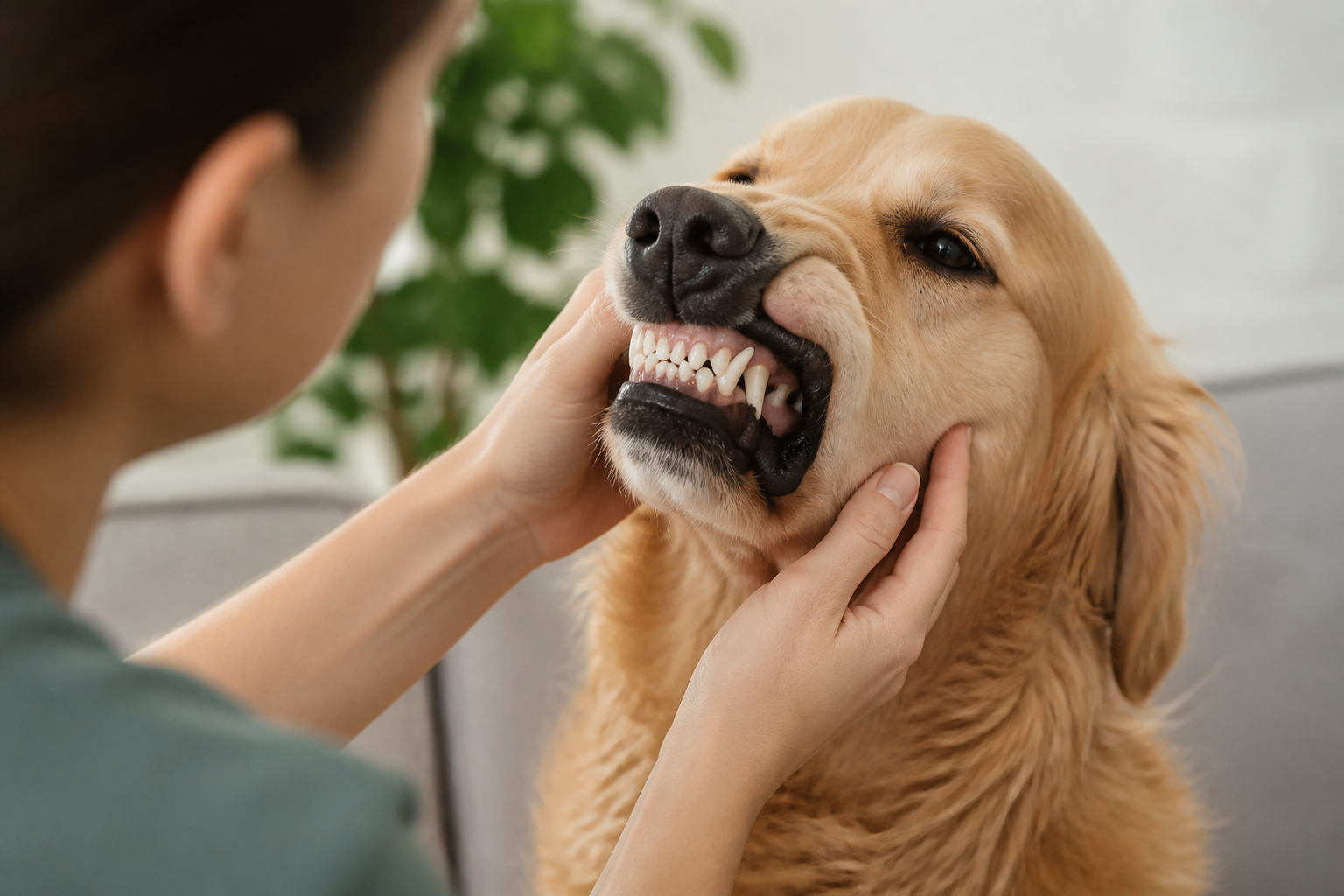
Dental health is perhaps the most overlooked aspect of dog care. Many owners assume that dry kibble or dental chews are enough to keep teeth clean. However, the mechanics of a dog's mouth tell a different story. Within hours of eating, a sticky film called plaque forms on the teeth. This film is packed with bacteria.
If plaque is not brushed away, it mixes with minerals in the saliva and hardens into tartar, also known as calculus. This process happens fast. Tartar can begin to form in as little as 24 to 48 hours. Once tartar is present, you cannot brush it off at home. It requires professional scaling under anesthesia. Our dental and breath care collection includes supplies for a consistent at-home routine.
As tartar builds up, it pushes under the gum line. This causes the gums to become red and inflamed, a condition known as gingivitis. If left untreated, it progresses to periodontal disease. The bacteria begin to eat away at the bone and ligaments that hold the teeth in place. This is incredibly painful for the dog, though they are experts at hiding oral pain. They may continue to eat even with loose teeth or abscesses.
The Connection to Internal Organs
The dangers of a dirty mouth extend far beyond the jawbone. The gums are rich in blood vessels. When the gums are inflamed and infected, bacteria from the mouth can enter the bloodstream. These bacteria then travel to major organs.
- The Heart: Bacteria can attach to the heart valves, leading to endocarditis.
- The Kidneys: The kidneys filter the blood, making them a prime target for circulating bacteria. Chronic dental disease is a known risk factor for kidney failure.
- The Liver: Like the kidneys, the liver can suffer from micro-abscesses caused by oral bacteria.
We want our pets to live long, healthy lives. Maintaining oral hygiene is one of the most effective ways to prevent systemic disease in senior dogs. Our pharmacy offers various support options for pets managing chronic conditions through our partnership with Pet's Choice, but prevention through brushing is always the best path.
Bottom line: Dental disease is a whole body health issue that can lead to permanent organ damage if plaque and tartar are not managed daily.
For additional guidance on warning signs, read how to recognize hidden dental problems in dogs.
Signs Your Dog is Suffering from Neglected Grooming
It is not always obvious when a dog is uncomfortable. Because dogs evolved to hide weakness, they may not whine or cry until a problem is severe. You have to look for behavioral clues and physical changes.
If your dog has developed mats, you might notice them flinching when you touch certain areas. They may become "head shy" or defensive when you reach for them. Some dogs will constantly lick a specific spot on their leg or hip. This is often an attempt to soothe the pulling sensation of a mat or the itch of a skin infection.
For dental issues, the signs can be subtle:
- Bad Breath: "Dog breath" is not normal. A foul odor usually indicates an active infection.
- Eating Habits: Your dog might drop food while eating or chew only on one side of their mouth.
- Pawing at the Face: This is a clear sign of oral discomfort.
- Blood on Toys: You might see pink or red tinges on chew toys or in the water bowl.
- Lethargy: Chronic pain from dental disease or skin infections can make a dog seem "old" or tired.
Transitioning to a Brushing Routine
If you have fallen behind on grooming, do not panic. The goal is to start where you are and move forward. You cannot fix months of neglected grooming in a single afternoon. In fact, trying to do too much at once can stress your dog and make them hate the process.
Step 1: Assess the Situation
Check for large mats or red skin. If the matting is severe and feels like a hard shell, do not try to brush it out. This is extremely painful and can tear the skin. In these cases, a professional groomer or a veterinarian should shave the dog safely.
Step 2: Introduce the Tools
Let your dog sniff the brush and the toothbrush. Give them a high-value treat just for being near the grooming supplies. We recommend using a soft-bristled brush for beginners to ensure the sensation is pleasant. You can find brushes, combs, and dematting tools in our dog brushes and clippers category.
Step 3: Start Small
Brush a small, non-sensitive area like the shoulder for only one or two minutes. For teeth, just rub your finger along the gums with a bit of flavored dog toothpaste. Do not try to do the whole mouth or the whole body on day one.
Step 4: Use Positive Reinforcement
Every grooming session should end with a reward. This builds a positive association. Over time, your dog will see the brush and come running because they know a treat is coming.
Step 5: Consistency Over Duration
Five minutes of brushing every day is significantly more effective than an hour of brushing once a month. Daily sessions keep the hair manageable and prevent plaque from hardening into tartar.
Vet Tip: Never use human toothpaste on a dog. It contains ingredients like xylitol and fluoride that are toxic to pets. Always use a formula specifically designed for canines.
For more ideas on introducing oral care gradually, see these pet dental care tips.
The Financial Impact of Skipping Care
Many owners are surprised by the cost of professional intervention. When grooming is neglected, the "fix" is often a medical procedure rather than a simple bath.
A professional dental cleaning requires general anesthesia, blood work, and specialized equipment. If teeth need to be extracted because of rot, the cost increases significantly. Similarly, if a dog is severely matted, a groomer may charge an extra "pelt fee" because the process is slow and dulls their equipment. If the skin underneath is infected, you will also face veterinary exam fees and the cost of medications.
At BaxterBoo, we emphasize value through prevention. Investing in a high-quality slicker brush and a tube of enzymatic toothpaste is a fraction of the cost of a single dental surgery. Using our Autoship programme for grooming supplies and dental treats ensures you never run out of the tools you need to maintain this routine.
Choosing the Right Tools for Your Dog
Not every brush is right for every dog. Using the wrong tool can be ineffective or even scratch the skin.
- Slicker Brushes: These have fine, short wires close together. They are excellent for removing tangles and mats in long-haired or curly-coated breeds like Poodles or Golden Retrievers.
- Bristle Brushes: Best for short-haired dogs with smooth coats, like Boxers or Pugs. They help remove surface dirt and distribute oils.
- Undercoat Rakes: These reach through the topcoat to pull out dead hair from the undercoat. These are essential for heavy shedders like German Shepherds.
- Rubber Mitts: Great for dogs that are nervous about brushes. They provide a massaging sensation while removing loose hair.
For dental care, a soft-bristled toothbrush is generally more effective than a finger brush. The bristles can reach into the "sulcus," which is the tiny gap between the tooth and the gum where bacteria hide. If your dog is very resistant, dental wipes are a good starting point to get them used to having their mouth handled.
Key Takeaway: Proper tool selection makes grooming more efficient and more comfortable for your pet, reducing the time you need to spend on the task.
When to Seek Professional Help
There are times when at-home brushing is not enough. Knowing when to call in an expert can prevent a minor issue from becoming a crisis.
If you find a mat that is tight against the skin, do not use scissors to cut it out. A dog's skin is very thin and slides easily. Many owners accidentally cut their pets, resulting in a wound that requires stitches. A professional groomer has the tools to safely clip under the mat.
For dental health, if you see thick brown or orange buildup on the teeth, brushing will not remove it. This is tartar, and it is essentially like concrete. At this stage, your dog needs a professional cleaning. Our pharmacy through Pet's Choice can help fulfill any prescriptions your vet may write following a dental procedure, such as antibiotics for gum infections or specialized dental diets.
Bottom line: Professional grooming and veterinary dental cleanings are necessary partners to your at-home routine, not replacements for it.
FAQ
How often do I really need to brush my dog’s teeth?
Ideally, you should brush your dog’s teeth every single day. Plaque begins to harden into tartar within 24 to 48 hours, so skipping even two days can allow permanent buildup to start. If daily is impossible, aim for at least three times a week to significantly reduce the risk of periodontal disease.
Can I just give my dog dental chews instead of brushing?
Dental chews and treats are helpful supplements, but they cannot replace mechanical brushing. Chews mostly clean the tips of the teeth and do not reach the gum line where most bacteria live. Think of chews as a "breath mint" and brushing as the actual cleaning.
My dog hates being brushed; what should I do?
Start with very short sessions and use plenty of high-value treats. You can also try different types of brushes, such as a grooming mitt, which feels more like petting. If your dog is aggressive or extremely stressed, consult a professional trainer or your veterinarian to rule out underlying pain.
Why does my dog still have bad breath even though I brush occasionally?
If your dog already has tartar buildup or an infection under the gum line, occasional brushing will not fix the odor. Bad breath usually indicates that bacteria have already caused some level of dental disease. A veterinary exam is needed to see if a professional cleaning or extractions are required to resolve the infection.
Conclusion
Neglecting your dog’s brushing routine leads to a cascade of health issues. From the physical pain of skin mats and hot spots to the serious internal risks of dental disease, the stakes are high. Regular grooming is about more than just looking good. It is a vital part of keeping your dog comfortable and healthy throughout their life.
By committing to just a few minutes of care each day, you can:
- Prevent painful skin infections and matting.
- Catch parasites and lumps early.
- Protect your dog’s heart, liver, and kidneys from oral bacteria.
- Save money on expensive veterinary surgeries and professional grooming fees.
The best time to start is today. Whether you need a new slicker brush or a pet-safe toothpaste, we have the supplies to help you succeed. Check out our dog grooming category and our dog healthcare collection to find the right tools for your dog's specific needs. Setting up an Autoship order for these essentials ensures you stay consistent and keeps your pet feeling their best.






